
Cetasol outlines how maritime decarbonization has shifted from a long-term objective to an operational requirement, driven by rising fuel costs, tightening regulations, and increasing expectations for emissions transparency. Read more >>

Frameworks such as the IMO’s Carbon Intensity Indicator (CII), SEEMP III, and the EU Emissions Trading System now link environmental performance directly to compliance and financial outcomes. As a result, sustainability is defined by how vessels operate in practice, requiring accurate, continuous data to assess efficiency, emissions, and regulatory alignment.
Operational efficiency remains the most immediate pathway to reducing emissions, with fuel consumption directly determining carbon output. Speed optimization, voyage planning, and maneuvering practices all play a central role in minimizing energy use while improving CII ratings.
These gains depend on transparent, high-resolution measurement, as manual or fragmented reporting cannot meet current regulatory or operational demands. Carbon intensity has therefore become a primary performance metric, focusing on how efficiently a vessel moves goods relative to fuel use, and placing greater importance on precise and consistent monitoring.
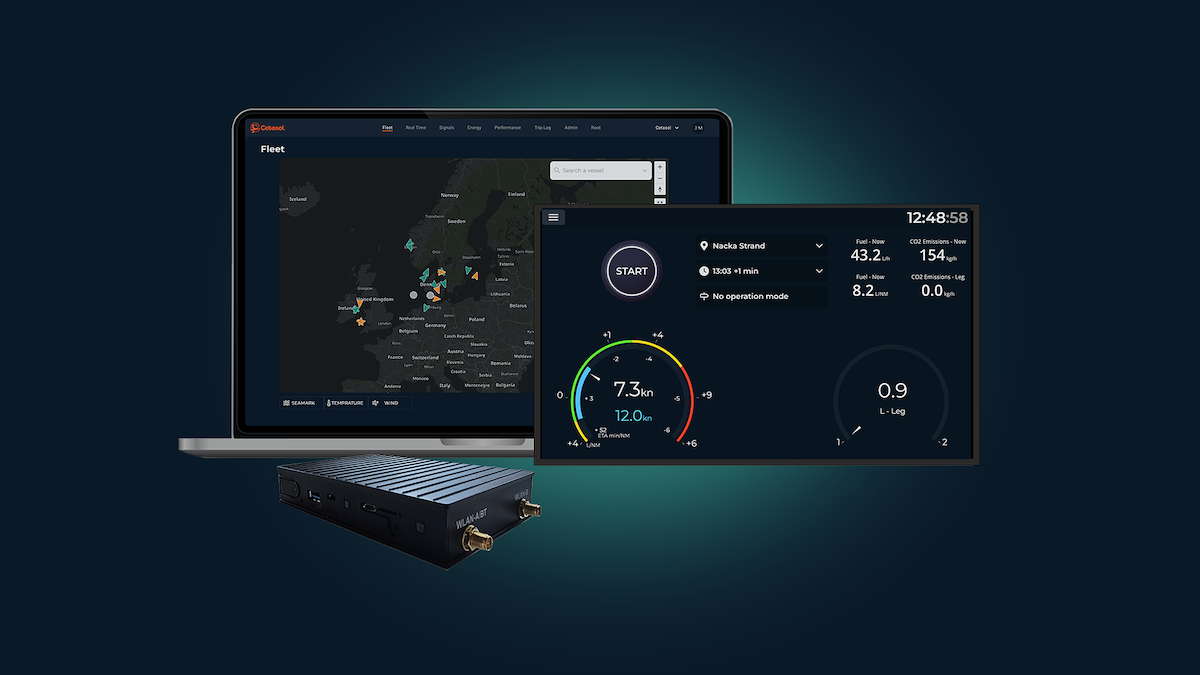
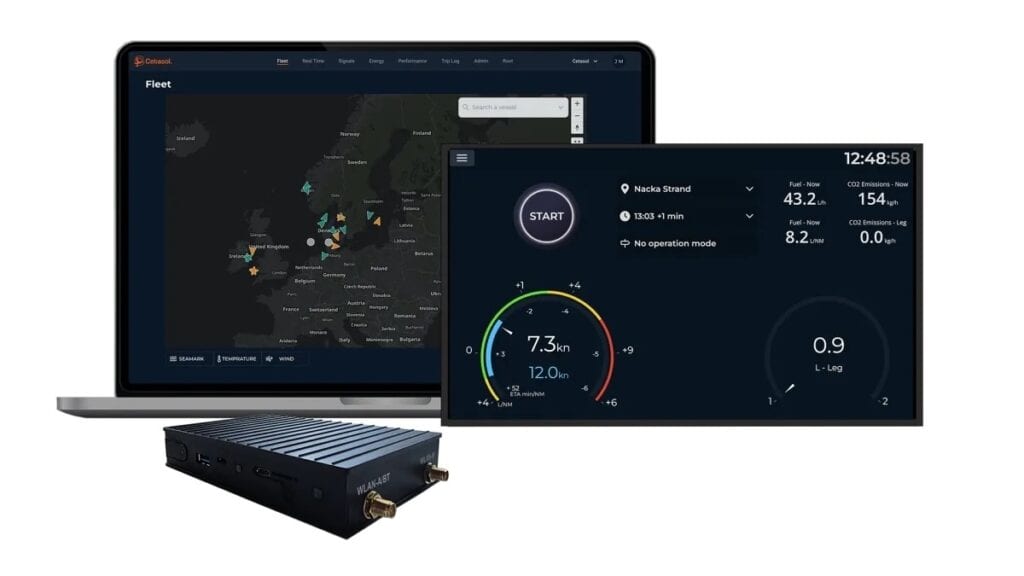
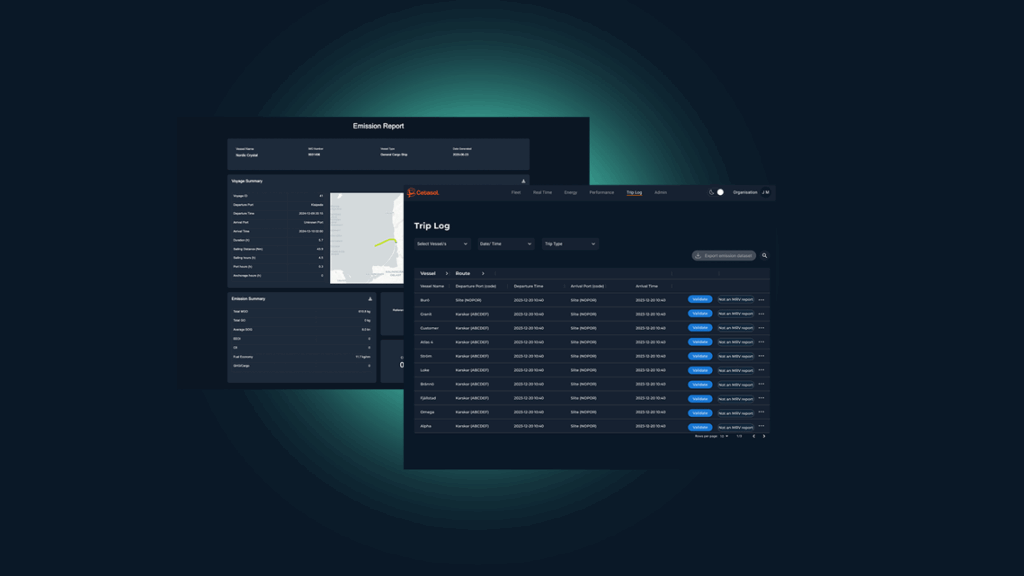
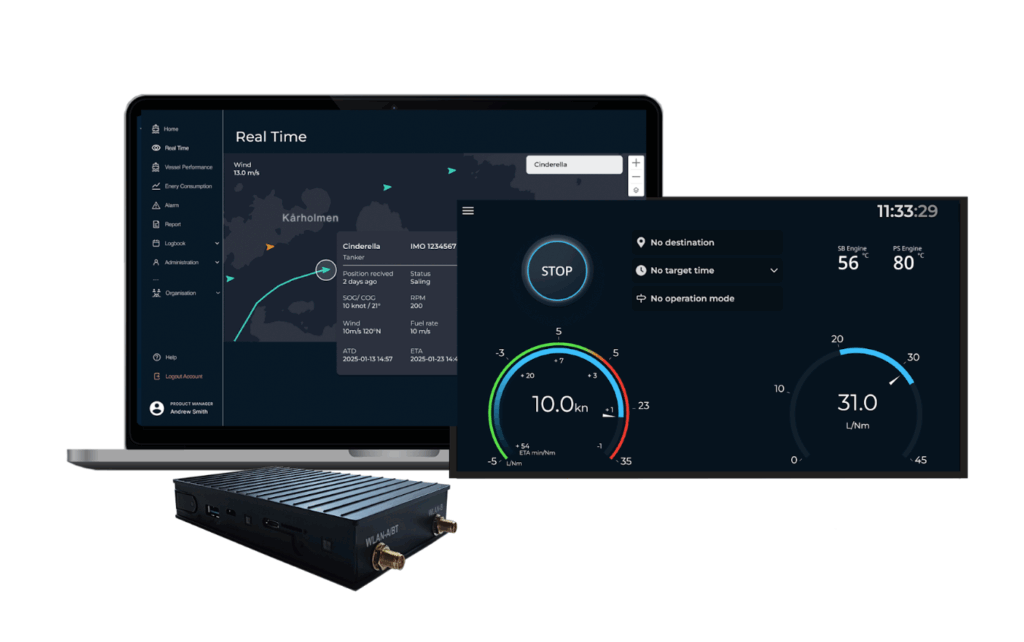
Digitalization enables continuous tracking of sustainability performance by converting vessel data into actionable insight. Systems such as iHelm provide real-time operational visibility, adaptive modeling, and predictive guidance on speed, power use, and vessel behavior, while CetaFuel delivers virtual fuel-consumption estimates with high accuracy using operational signals. Together, these tools allow operators to evaluate real-world performance, identify inefficiencies, and support data-driven decisions without compromising safety or control.
As regulatory expectations tighten, maritime sustainability is increasingly defined by measurable performance, verified reporting, and fleet-wide digital consistency. Standardized monitoring, reliable data governance, and audit-ready reporting are becoming essential for compliance and competitiveness. Operational intelligence, built on real-time data and adaptive analytics, supports improved efficiency, stronger regulatory alignment, and more resilient long-term fleet performance.
To find out more information, read ‘How Fleets Are Navigating Maritime Decarbonization’ here >>