

Cetasol discusses how Artificial Intelligence (AI) is reshaping maritime economics by replacing static voyage planning and manual fuel management with continuous, data-driven optimization.
The article highlights how AI systems learn from vessel behavior, weather conditions, and operational data in real time to deliver measurable reductions in fuel consumption and emissions. With fuel representing the largest share of operational costs and regulatory frameworks tightening, Cetasol emphasizes that efficiency has become a strategic necessity rather than an optional improvement.
Central to this transformation are AI-driven capabilities including real-time route and speed optimization, predictive maintenance, adaptive machine learning models, and digital twin technology. The article describes how AI platforms analyze engine signals, fuel data, GPS inputs, weather conditions, and voyage metrics to recommend efficient operational parameters. Digital twins simulate vessel and engine performance scenarios, while predictive analytics detect anomalies and inefficiencies before they lead to higher fuel consumption or downtime.
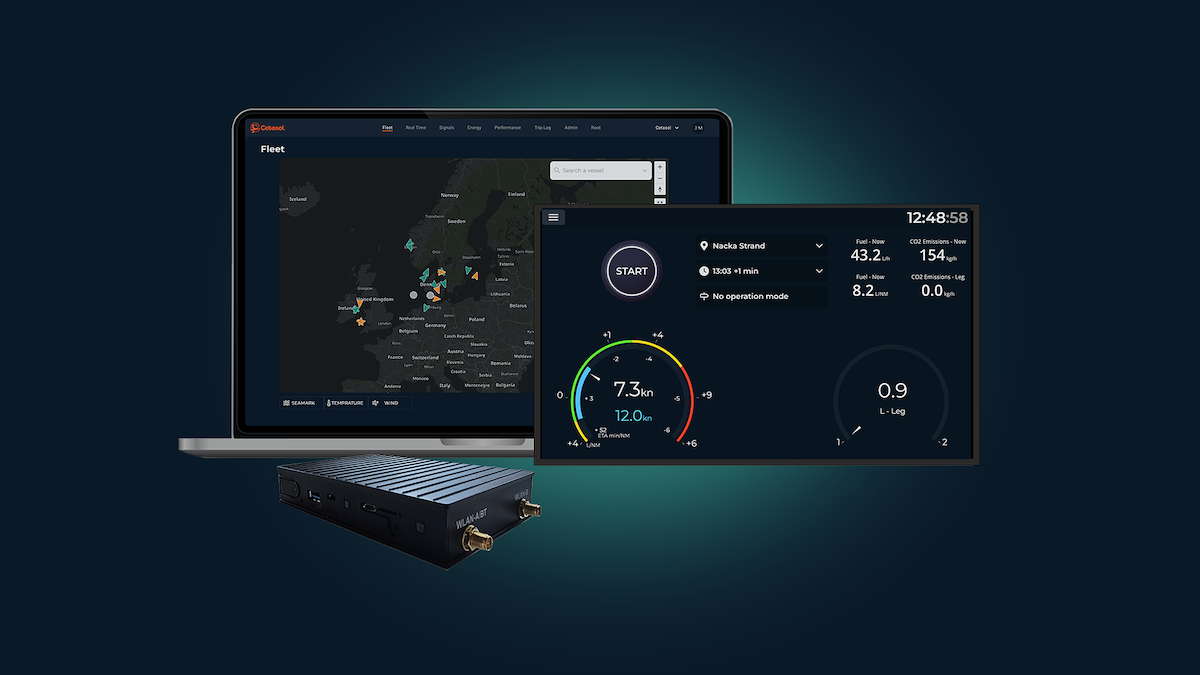
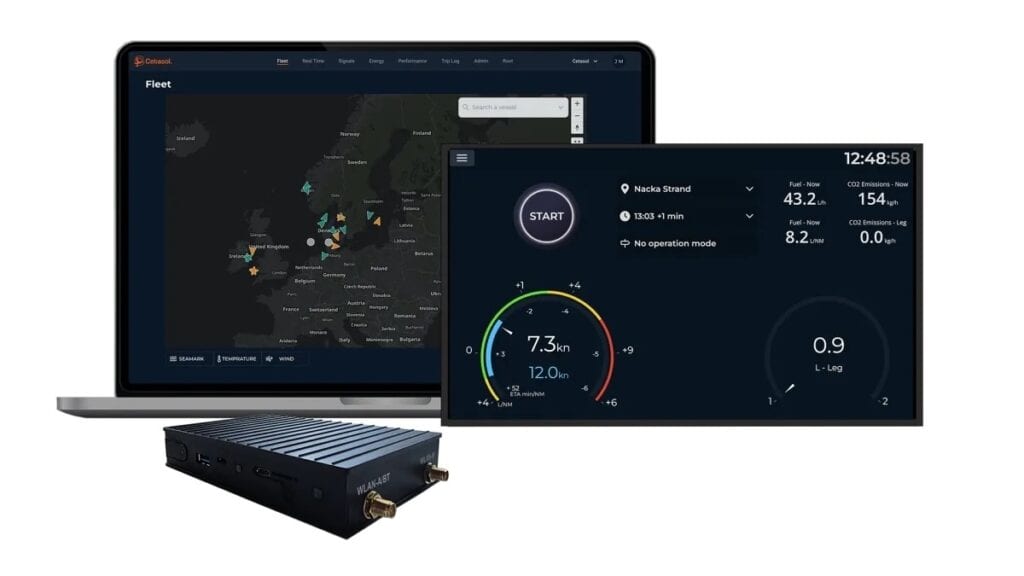
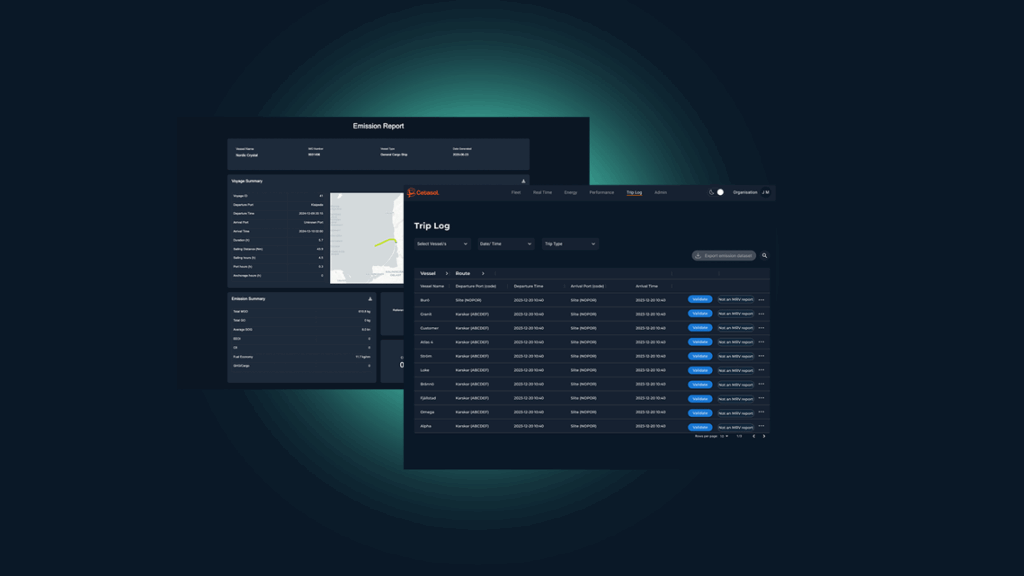
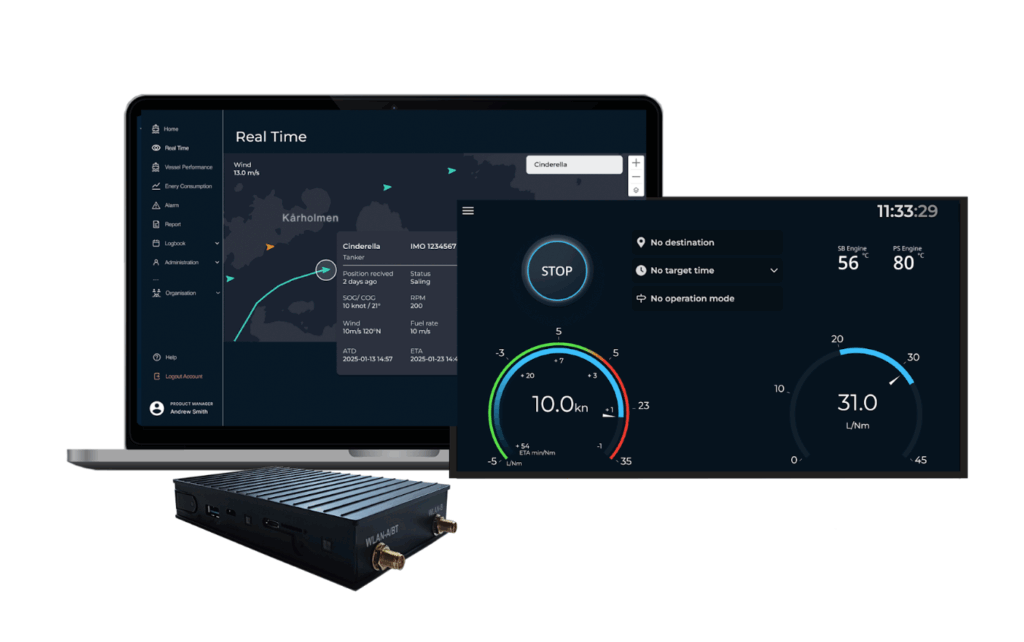
Through its iHelm Intelligent Platform and CetaFuel module, Cetasol integrates onboard sensors, software analytics, and cloud-based dashboards into a unified optimization system. A key feature is the Captain Display, which provides crews with instant operational guidance, including speed recommendations, live voyage analytics, and visual fuel-efficiency gauges that make performance adjustments intuitive in real time. CetaFuel complements this with 97–99.5% accurate virtual fuel monitoring via a digital twin of the fuel system, eliminating the need for expensive and clog-prone physical flow meters. Together, these technologies enable fleet-wide visibility, automated CII, MRV, and ETS reporting, and scalable performance optimization without major vessel modifications.
The article highlights verified fuel savings of 10–17%, reduced compliance workload, and the ability to scale best practices across fleets. By lowering fuel consumption, operators reduce both operating expenses and CO₂ exposure. As alternative fuels such as LNG, methanol, ammonia, and hydrogen gain traction, adaptive AI and digital twin modeling are presented as tools to support performance optimization, safety, and compliance in an evolving maritime energy landscape.