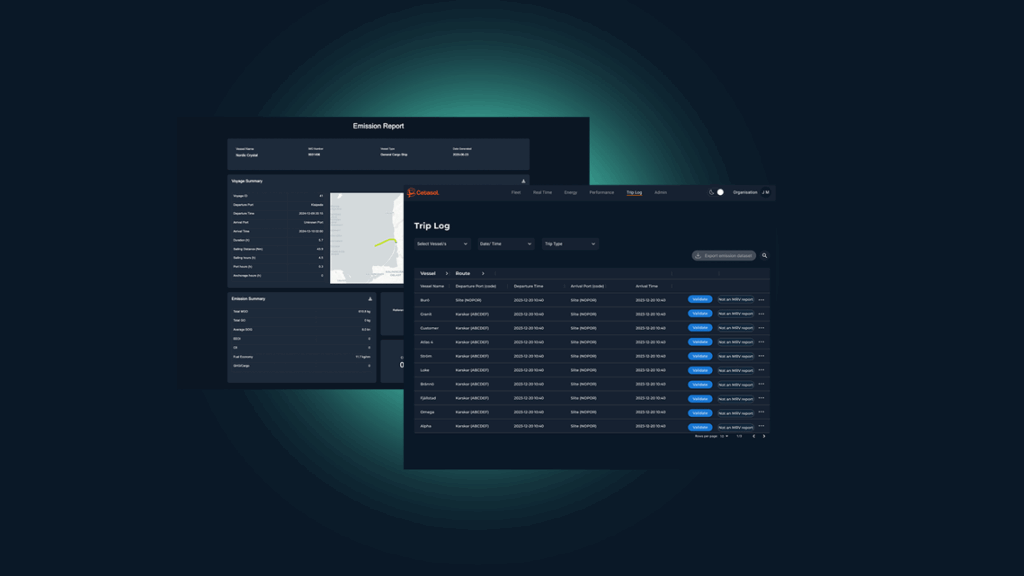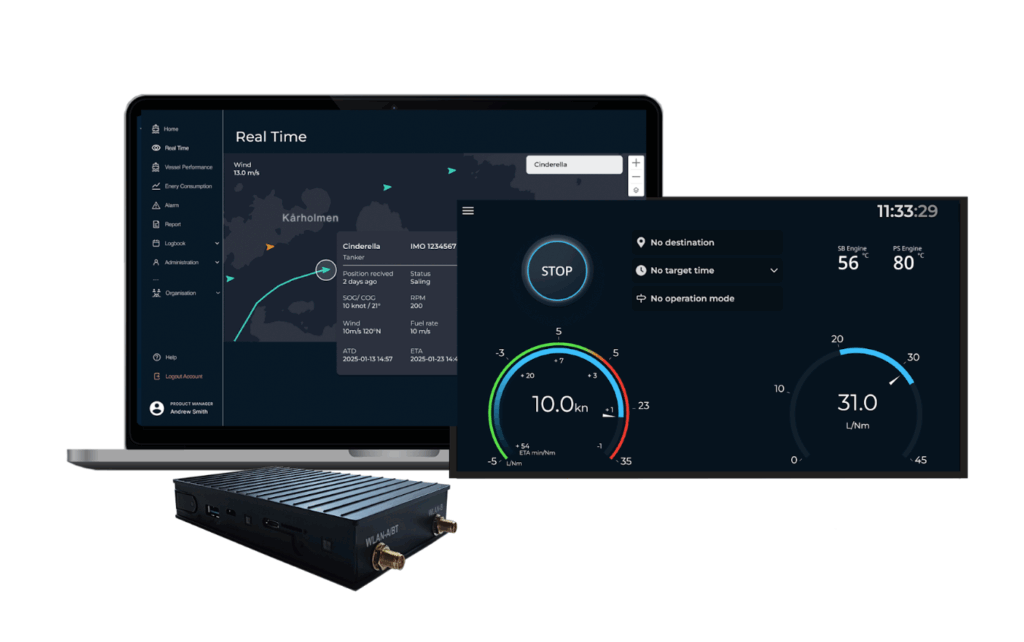




Cetasol discusses how to build a vessel digital twin using an operational, data-driven method, addressing inconsistencies in how the concept is defined across the maritime sector. Learn more >>
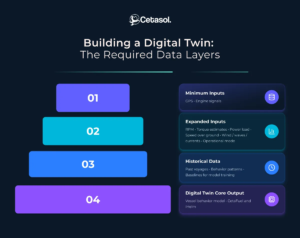 A digital twin is defined as a continuously updated model that reflects how a vessel and its engines behave in real conditions, rather than a visual or design-based representation. This establishes a framework for constructing a functional model using operational data to support forecasting, performance evaluation, and compliance-related decision-making.
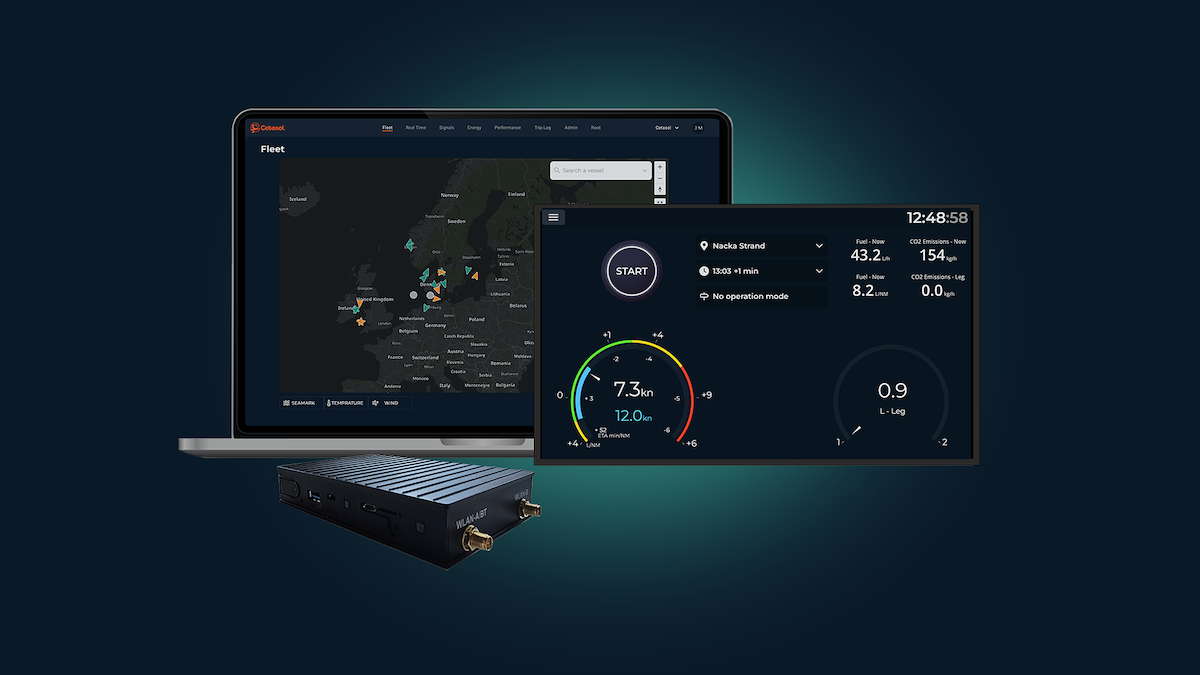
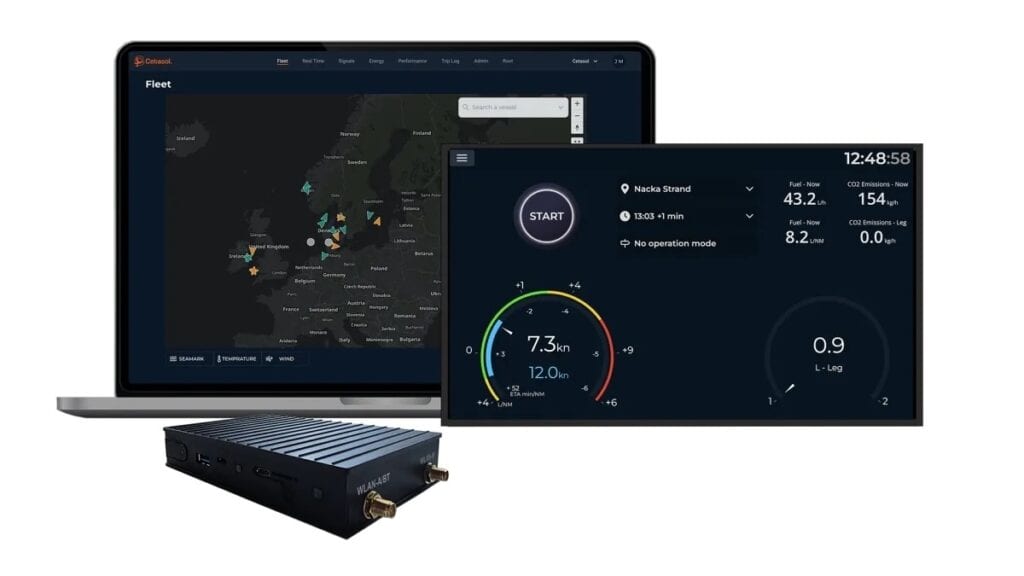
Building this model begins with real-world operational inputs. Core data such as GPS and engine signals form the baseline, with additional parameters including environmental conditions and power-related metrics incorporated when available. Data collection is enabled through the iHelm intelligent platform, while CetaFuel provides virtual fuel estimation without requiring physical flowmeters or invasive system modifications.
The method also incorporates behavioral logic to reflect how a vessel responds during actual operations. Patterns related to speed, maneuvering, operational modes, and environmental influences are encoded into the model to represent real performance. Adaptive AI supports this process by identifying patterns and deviations in the data, contributing to continuous refinement as new operational information is introduced.
Continuous validation ensures the digital twin remains aligned with real-world performance by comparing predicted outcomes with measured results from each voyage. This ongoing process maintains accuracy over time and reflects changes in vessel behavior.