
Cetasol discusses how advanced technologies, including AI, predictive analytics, and Digital Twin modeling, are helping the maritime industry optimize fuel efficiency, reduce emissions, and improve regulatory compliance and operational performance. Read more >>
Fuel efficiency is a critical metric in the maritime industry, measuring how effectively vessels convert fuel into transport work while minimizing waste. Rising fuel costs and stricter environmental regulations, including the IMO’s Carbon Intensity Indicator (CII) and the EU Emissions Trading System (EU ETS), have made efficiency both a financial and strategic priority.
Factors such as vessel design, hull and propeller condition, engine performance, speed and power demands, routing, and crew behavior all influence fuel consumption, and optimizing these elements can significantly reduce costs and emissions.
Modern technologies, including AI, predictive analytics, and Digital Twin modeling, are transforming fuel efficiency management. Real-time monitoring through onboard sensors and IoT networks, combined with Adaptive AI, enables operators to continuously analyze performance data, optimize speed, trim, and routing, and predict maintenance needs. This results in 10-25% reductions in fuel use and emissions across operational fleets.
Digital Twins create virtual models of vessels that mirror real-world performance, allowing operators to test how factors like speed, cargo load, weather, and hull condition affect energy use. Synchronized with live data and combined with Adaptive AI, this forms a self-learning system for smarter voyage planning, engine optimization, and fuel consumption forecasting, improving efficiency with each journey.
International frameworks such as the Energy Efficiency Design Index (EEDI), Energy Efficiency Existing Ship Index (EEXI), Ship Energy Efficiency Management Plan (SEEMP), Data Collection System (DCS), and CII provide standardized measures for assessing and improving efficiency.
Compliance with these regulations is essential, as poor efficiency can increase carbon costs, reduce vessel competitiveness, and lower asset value. Fuel efficiency improvements also extend engine and equipment life, reduce maintenance, and contribute to global decarbonization efforts in line with the IMO’s 2050 net-zero strategy.
Fuel efficiency also reduces operating costs and carbon liabilities, improves compliance and asset value, extends equipment life, and enhances fleet utilization and operational planning, while also supporting ESG performance and long-term strategic goals.
Cetasol’s Solutions
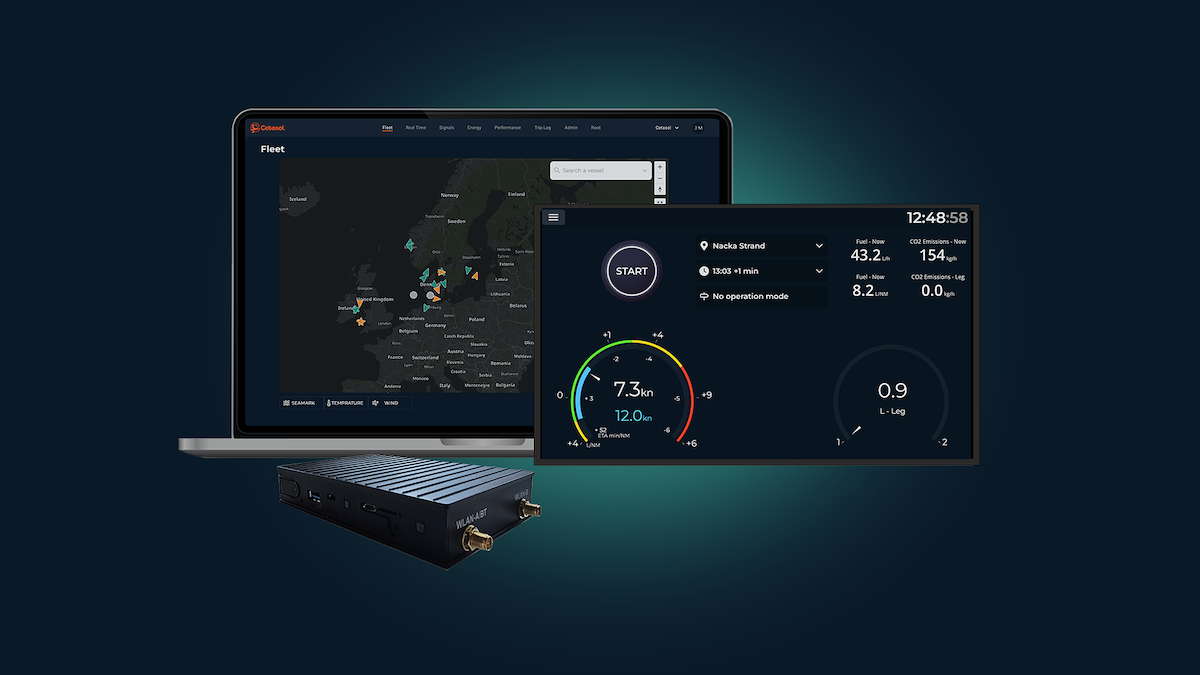
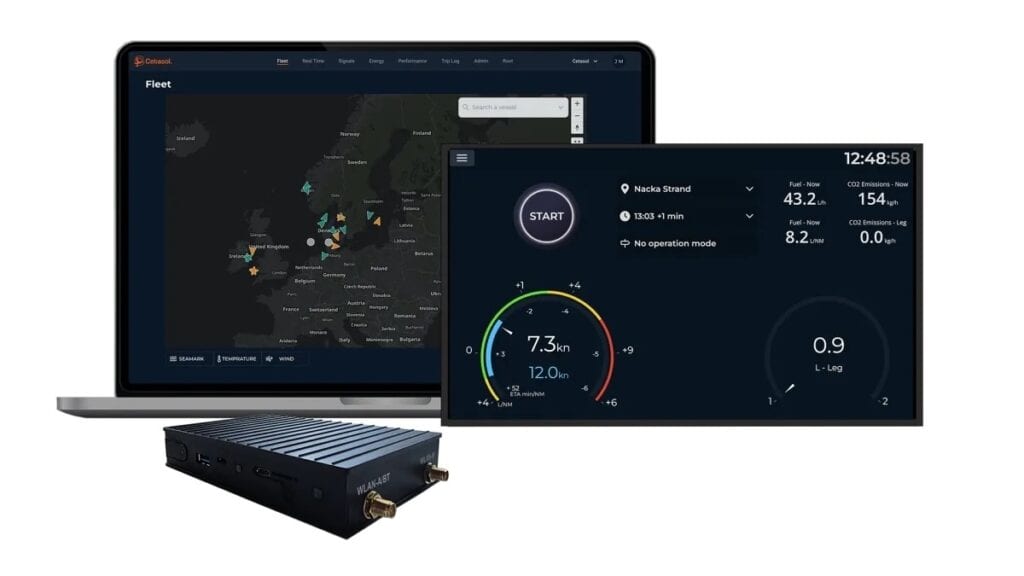
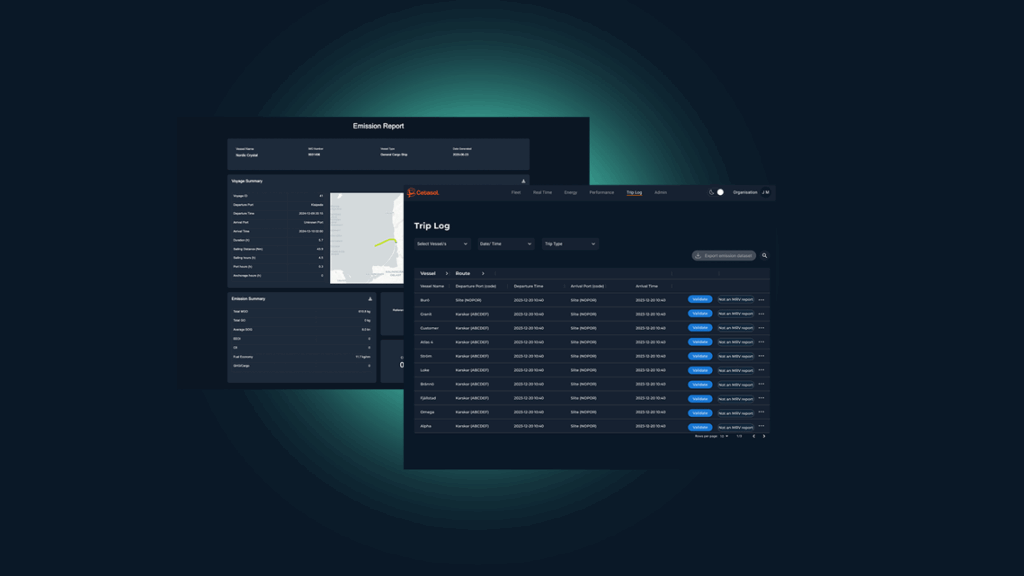
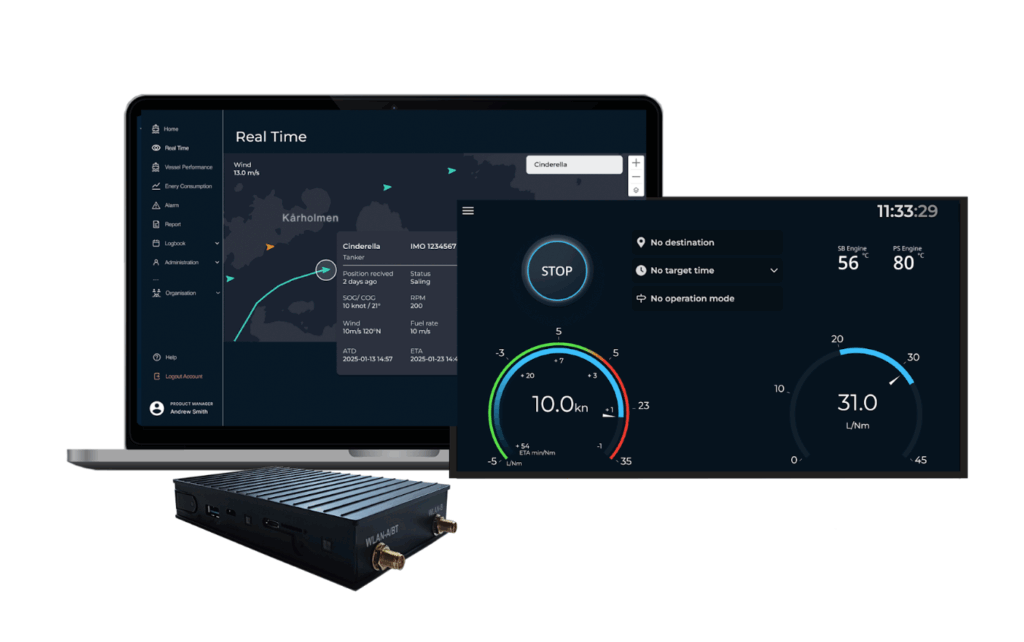
Cetasol’s platforms, iHelm and CetaFuel, leverage Adaptive AI and Digital Twin technology to turn vessel data into actionable insights.
iHelm provides vessel-specific modeling and real-time recommendations for speed, routing, and energy usage, along with cloud-based performance reports and predictive maintenance insights, helping crews and managers make data-driven operational decisions.
CetaFuel offers virtual fuel measurement with 97-99.5% accuracy, creating a Digital Twin of the vessel’s engine to benchmark fuel performance, simulate voyage scenarios, and support compliance planning without the need for physical sensors.
Together, these tools create a unified energy management system that helps fleets optimize performance, cut fuel use and emissions, comply with regulations, and achieve measurable operational and financial benefits.