Cetasol outlines how AI-powered voyage optimization is becoming central to efficient and compliant maritime operations, as fuel costs remain a major expense and regulatory frameworks such as CII and SEEMP III require measurable performance improvements. Read more >>
Static routing and traditional planning methods are no longer sufficient in an environment defined by volatile weather, increasing congestion, and stricter environmental controls. Instead, operators require integrated decision frameworks that combine vessel behavior, environmental data, and commercial objectives to manage route, speed, and ETA proactively.
The company explains that effective voyage optimization depends on continuously balancing safety, fuel efficiency, and schedule adherence. Variables such as weather conditions, vessel-specific performance characteristics, navigational constraints, and regulatory pressures all influence fuel consumption and operational outcomes.
AI-supported decision tools address this complexity by analyzing real-time and historical data to recommend optimal speed and routing strategies, allowing operators to anticipate inefficiencies and avoid reactive adjustments that increase fuel burn and emissions.
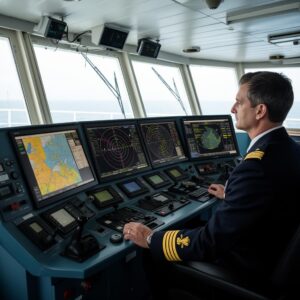
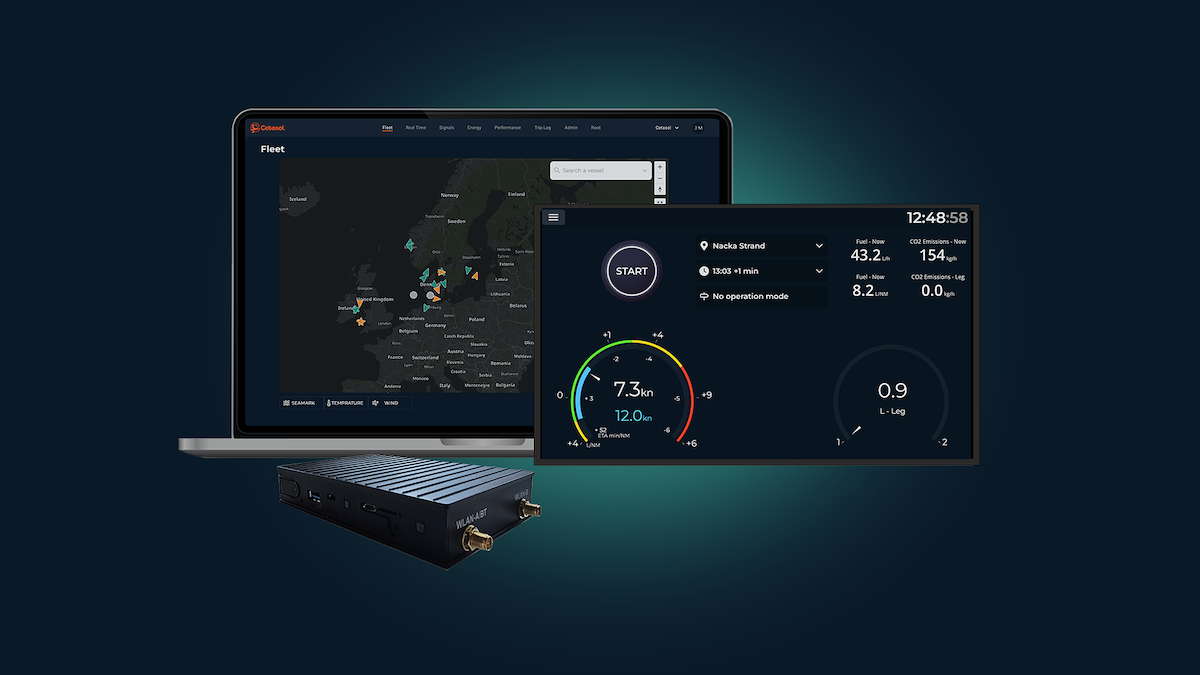
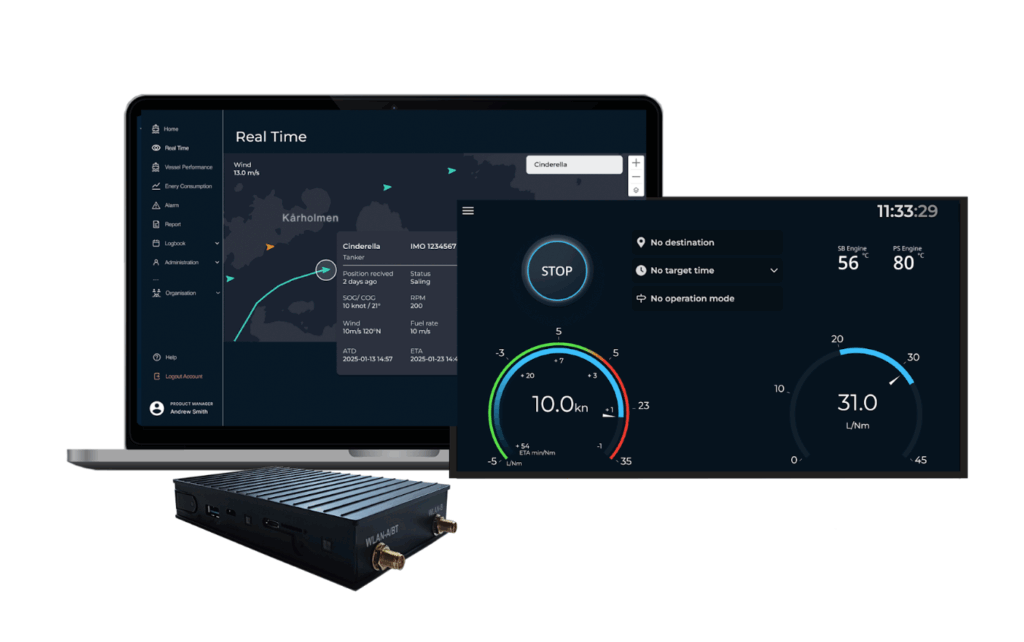
Cetasol details how its iHelm platform applies adaptive AI and a continuously updated digital twin model to deliver vessel-specific decision support. By integrating operational data such as GPS and engine signals, the system evaluates multiple voyage scenarios and provides actionable guidance without replacing crew decision-making.
The digital twin reflects real vessel behavior rather than theoretical models, improving the accuracy of fuel consumption predictions and enabling more precise optimization across varying conditions and individual vessel characteristics.
The article also highlights the role of real-time weather integration and automated data collection in improving both operational performance and regulatory compliance. Weather-informed routing reduces risk, fuel consumption, and delays, while supporting emissions reduction targets.
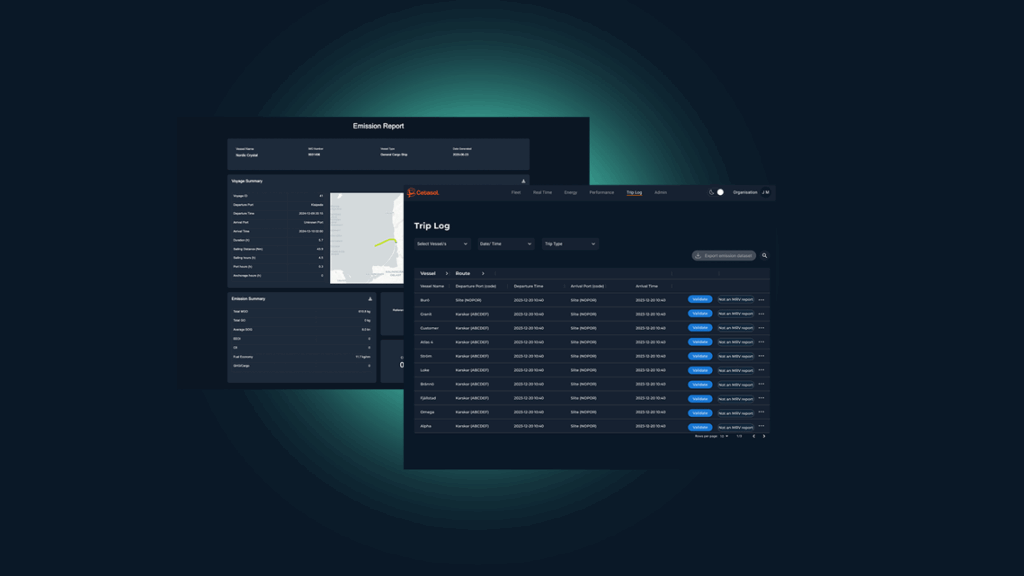
At the same time, tools such as iHelm and CetaFuel enable accurate monitoring and reporting of fuel use, including high-accuracy virtual fuel estimation based on operational data. Together, these capabilities establish a predictive, data-driven approach to voyage planning that enhances efficiency, reduces uncertainty, and supports long-term sustainability objectives.
To find out more information, read ‘AI-Powered Voyage Optimization for Smarter Routing’ here >>