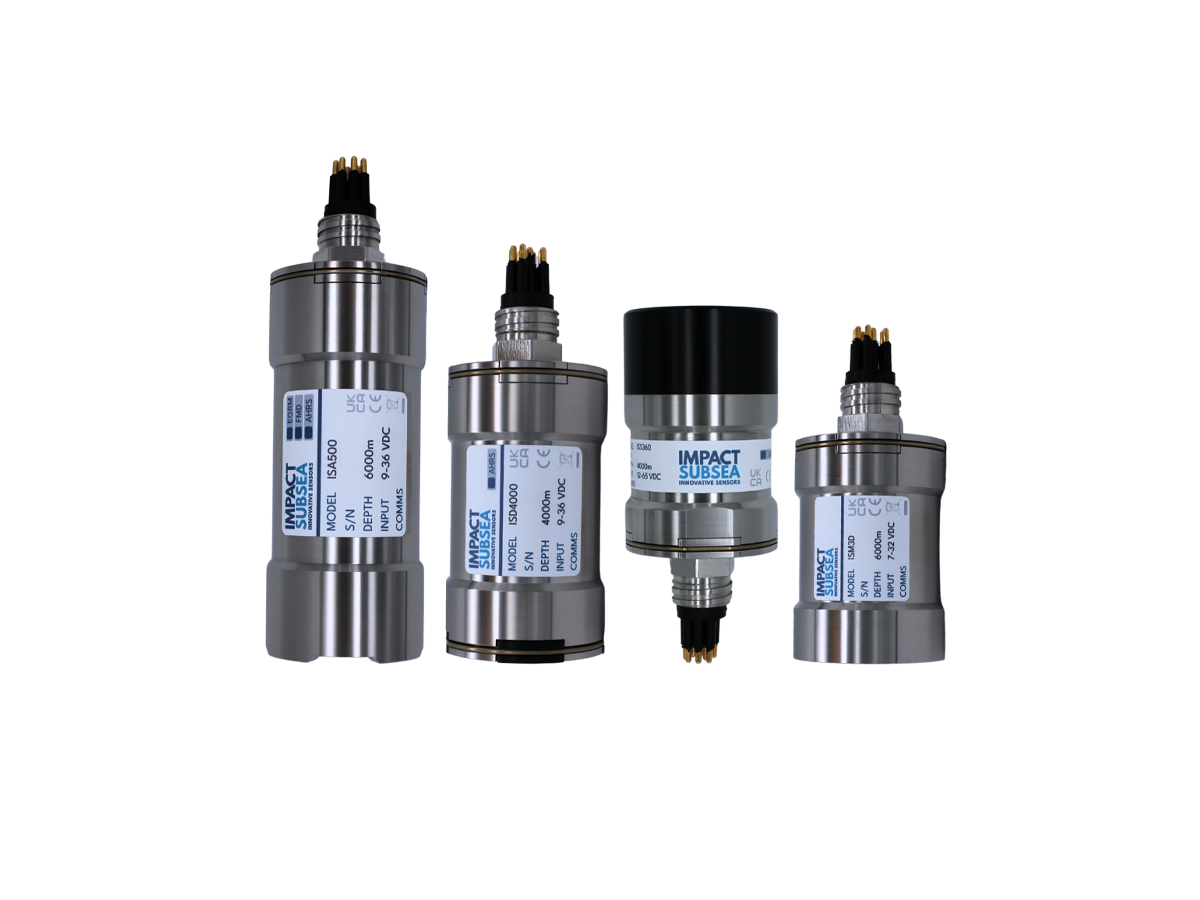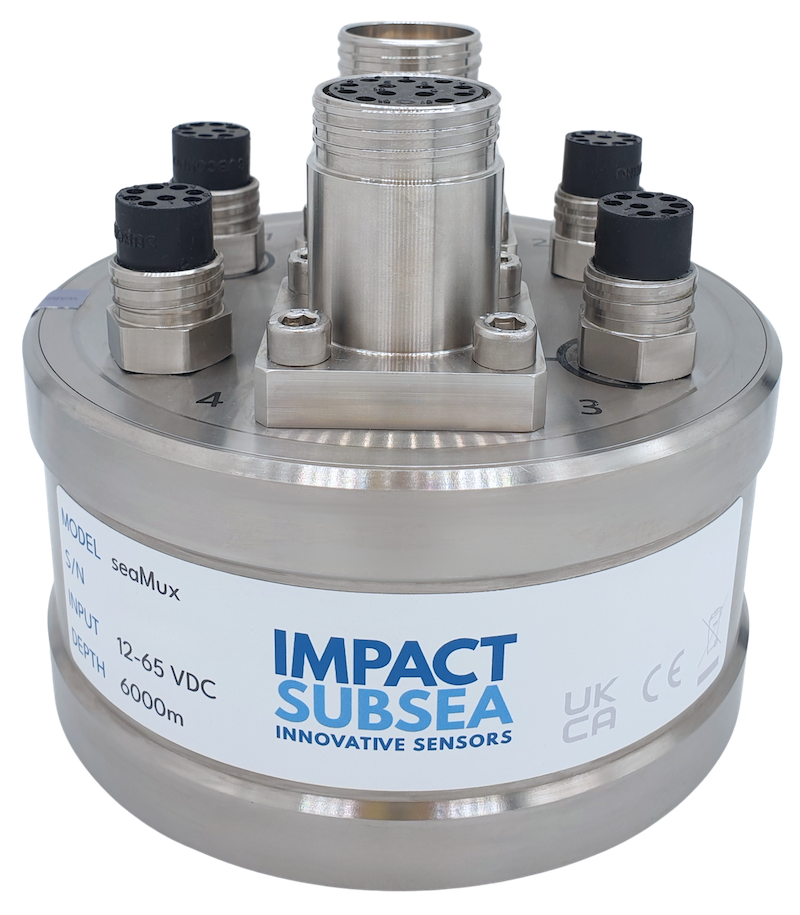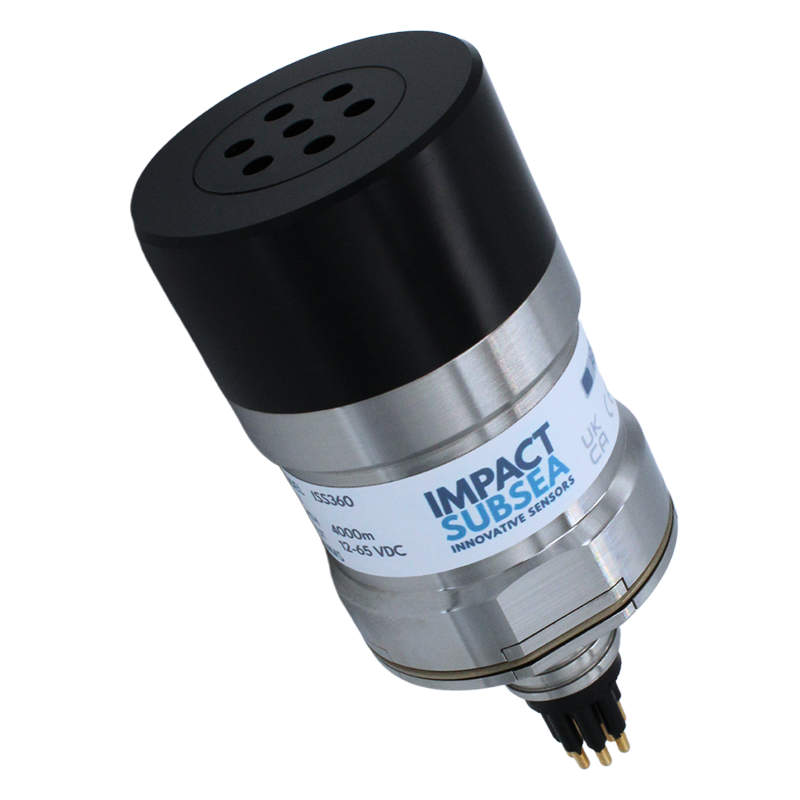

Ben Grant, Managing Director at Impact Subsea, explores the evolution of the company’s underwater sensing portfolio, discussing how advances in software, compact high-performance design, and sector-driven demand are shaping next-generation sonar and sensor solutions for AUV, ROV, offshore energy, and marine science applications.
Your website describes Impact Subsea as a “global provider of underwater sonar, altitude, attitude, depth, heading and temperature sensors.” Could you walk us through how your product portfolio has evolved over the past few years, and what drove the key additions?

Ben Grant, Managing Director at Impact Subsea.
Over the past few years, our portfolio has expanded significantly in both capability and breadth. We began with high-accuracy altimeters and single beam echosounders and have since built a full suite of underwater sensing solutions including imaging sonars, profiling sonars, attitude and heading reference systems, depth and temperature sensors and Flooded Member Detection technology.
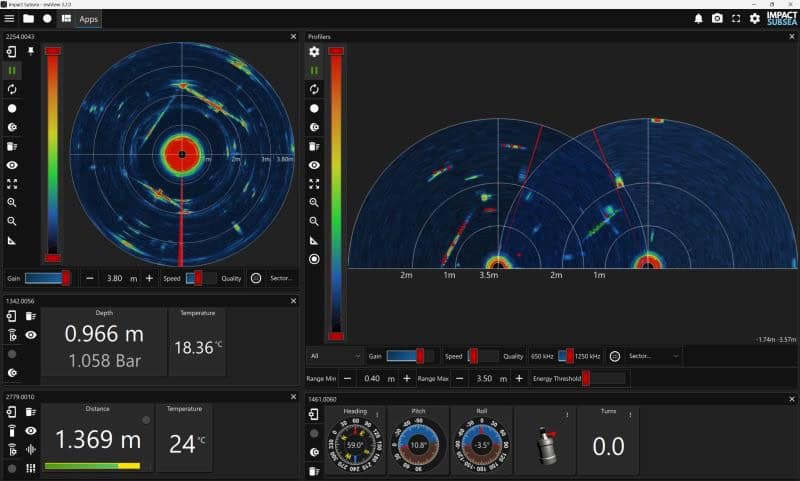
A major driver of this evolution has been our commitment to adding value through software. Many enhancements, such as our ECHOGRAM backscatter capability are introduced via firmware and the seaView software platform, allowing users to unlock new functionality without changing hardware.
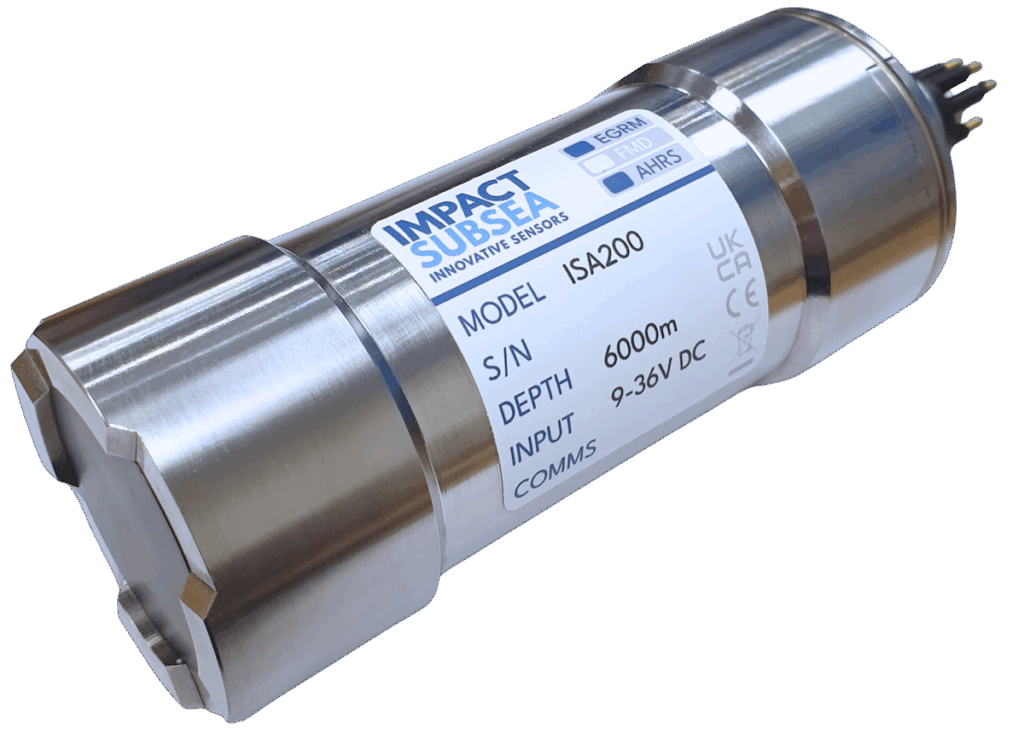
We’ve responded directly to industry needs: longer-range Altimeters, such as our ISA200 which has over 250 meters range while still maintaining 1mm accuracy in readings.
Our ISP360 range of Profiling Sonars enabling 3D points cloud data generation were developed to produce this data at a higher speed than existing systems in the market – allowing surveys to be completed more quickly.
Compact sensors are increasingly vital for AUV and ROV deployment, how do you balance size and power efficiency with the need for high performance?
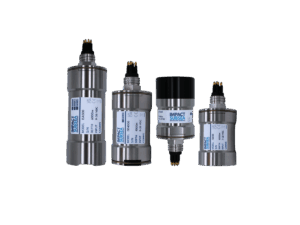
Our design philosophy is centred on delivering maximum capability in the most robust and compact housing possible. In our sonars we achieve this through sophisticated digital techniques, specifically the IS³ Impact Subsea Signalling Scheme. The proprietary IS³ scheme uses advanced phase modulation and coding techniques to ensure exceptional signal integrity, timing accuracy and range resolution.
We also develop multi-function sensors such as in our altimeters or depth sensors with optionally integrated AHRS, reducing the number of separate systems an AUV or ROV needs to carry.
Software configurability plays a key role too. Sensor users can optimise performance, power draw and data output depending on mission needs, rather than being locked into a fixed operating mode.
The result is a suite of sensors that meet the size and power constraints of modern autonomous platforms while still delivering the high-quality data operators depend on.
How do you ensure long-term durability and reduced lifecycle cost for sensorsoperating in remote, high-pressure environments?
Durability is engineered into our sensors from the outset. We use robust materials such as titanium, with depth ratings up to 6,000m and 11,000m on specific models and acetal up to 1,000m. These materials ensuring long-term reliability in extreme pressure environments. We design out common failure points wherever possible, for example our imaging sonar uses inductive coupling with no slip rings, significantly reducing mechanical wear. Lifecycle cost is managed through our software ecosystem, which allows firmware updates, feature upgrades and configuration changes without opening the sensor or returning it. Our calibration and sensor service further supports extended operational life, while our comprehensive documentation and software development kit help integrators get systems set up correctly from day one, avoiding unnecessary downtime.
Our sensors are also all based on industrial grade electronics with no designed in stress points. Components are kept as small as possible to assist with shock and vibration performance.
On certain sensors we have also performed Shock, Vibration and Temperature qualification testing to API17F to ensure that the sensors are suitable for long term use in their targeted applications.
Which sectors, for example offshore energy, defence or marine research, are currently driving growth, and where do you see the greatest future demand?
AUV and ROV operations remain a major growth driver as vehicles become smaller, more capable and more autonomous. Demand for compact imaging sonars, accurate altitude measurements, and integrated navigation sensors continues to rise.
Offshore energy, both traditional and renewable also drives strong interest, particularly in inspection, maintenance and asset integrity applications, where our depth, AHRS and Flooded Member Detection systems are widely used.
Hydrographic survey, ocean science and marine research are increasingly adopting our sensors for high-resolution seabed mapping, environmental studies and long-endurance autonomous missions.
Looking ahead, we anticipate rapid growth in autonomous inspection technologies, multi-function sensing on small platforms and richer acoustic data products. As AUVs become more mainstream, the need for high-performance, ultra-compact sensors will onlyaccelerate.
For companies and organisations looking to invest in next-generation underwater sensing, what advice would you give in terms of selecting sensor systems, what are the “must-ask” questions, and how should users evaluate a sensor provider like Impact Subsea to ensure long-term value?
When selecting sensors, it’s important to look beyond headline specifications and focus on long-term value and practical usability. Key questions to consider include:
What interfaces and output formats are supported? (ASCII, SDKs, serial/RS485/USB/ethernet) How easy is integration with your vehicle/data system? Can the system be upgraded in the field via software or firmware?
How robust are the materials and construction and what support is available for servicing and calibration? For longer applications, avoid materials which are known to corrode and require regular replacement (such as Anodised Aluminium or Stainless Steel for long term underwater deployments).
A strong software ecosystem is just as important as the hardware. Look for tools that offer live data visualisation, logging, configuration and diagnostics all of which reduce commissioning time and operational risk.
Final practical tip: If choosing an acoustic sensor (such as an Altimeter, Echosounder or Profiler), demand that it outputs a quality reference level of each reading (energy/correlation levels of readings) so you can verify reading quality and know that you have good data to work with.