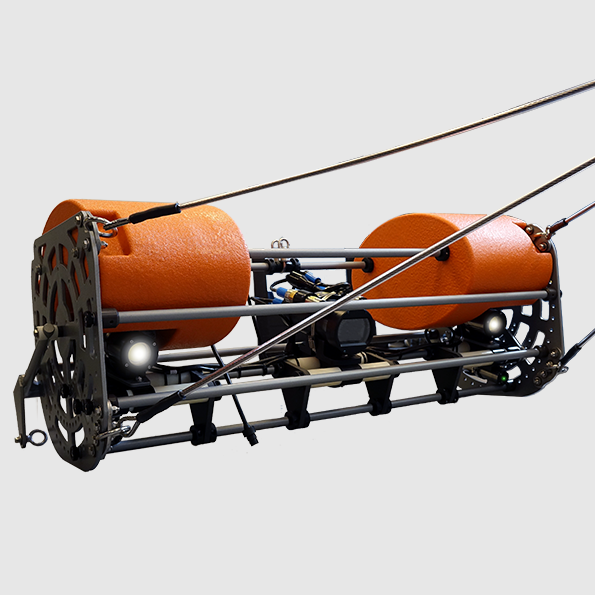
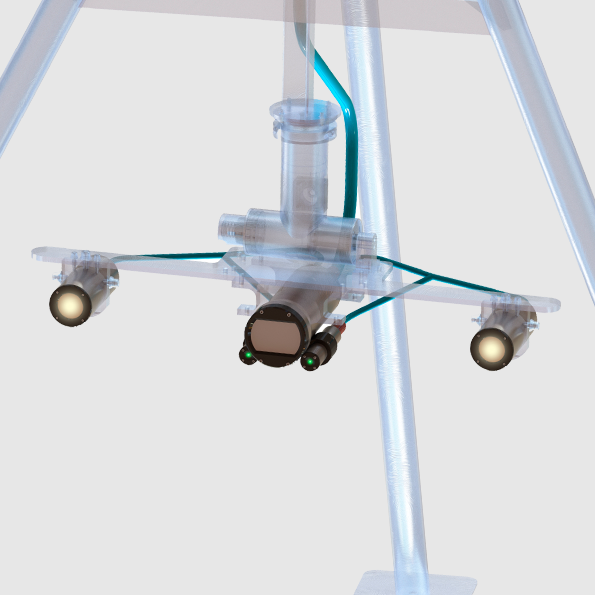
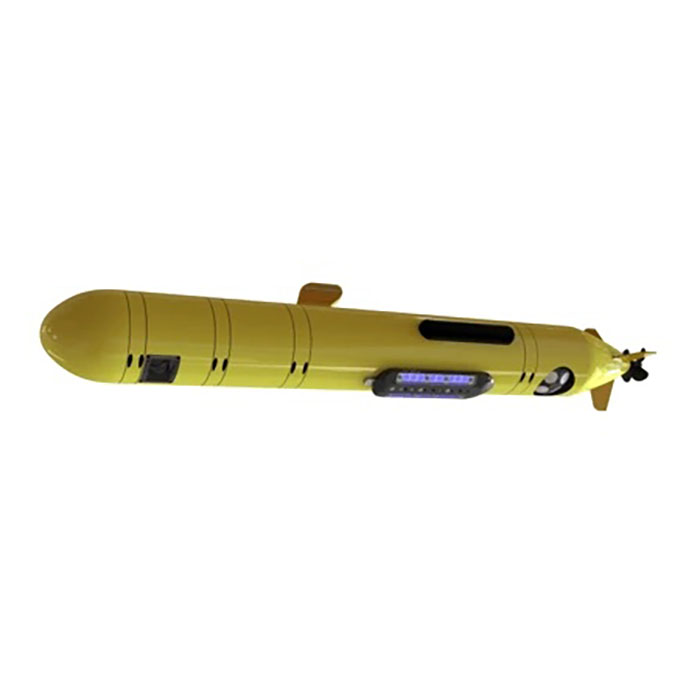





Underwater Imaging System Suppliers

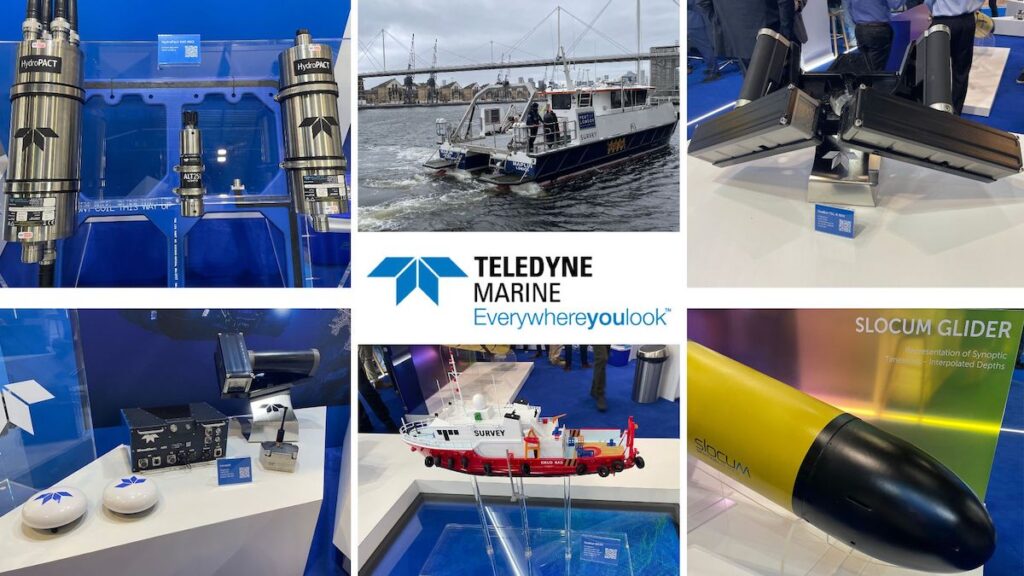
Teledyne Marine

High-Performance Instruments, Sensors & Technologies for Exploring & Monitoring Subsea Environments

SubC Imaging

Cutting-Edge Underwater Optical Imaging Systems for Subsea Inspections & Surveys

Impact Subsea

Innovative, High-Performance Underwater Sensing Technologies for the Marine Industry

Voyis

Cutting-Edge Underwater Laser Scanners & Imaging Systems for Underwater Vehicles

SatLab Geosolutions

Cutting-Edge Surveying, Positioning & Sensing Solutions for Hydrographic & Oceanographic Applications

Digital Edge Subsea

Digital Video Recording (DVR) Inspection Systems for Marine & Subsea Applications

FarSounder

3D Forward Looking Sonars (FLS) for Critical Vessel Navigation & Situational Awareness

Wavefront Systems

Advanced Sonar Systems for Underwater Detection, Imaging & Navigation

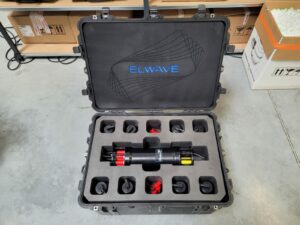
ELWAVE

Innovative Underwater Electromagnetic Sensing & Imaging Solutions

Imenco

Innovative Engineering for Subsea, Offshore, and Industrial Solutions

Forssea Robotics

Autonomous & Remote Systems for Offshore and Marine Operations

Showcase your capabilities

If you design, build or supply Subsea Imaging Systems, create a profile to showcase your capabilities and connect with visitors who have an active requirement for your solutions.


Create Supplier Profile

Underwater Imaging Systems

13 Cutting-edge Solutions
Add your solutions
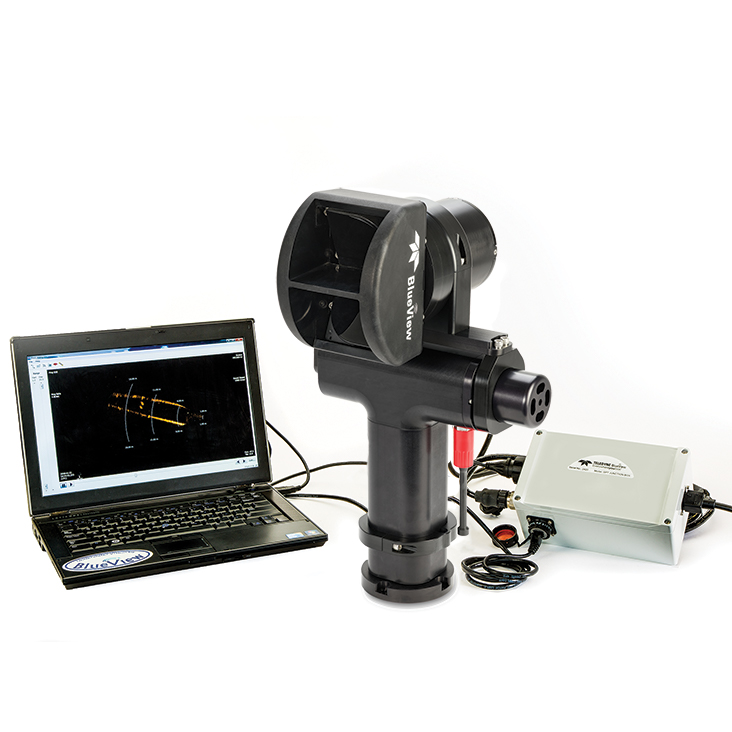
BlueView BV5000 MK2 3D

An advanced 3D multibeam scanning sonar for high-resolution underwater imaging

An advanced 3D multibeam scanning sonar for high-resolution underwater imaging
...Vs, diver-held systems, and tripod-mounted surveys, the sonar excels in underwater inspection,... ...igh-Resolution 3D Imaging & Extended Range...
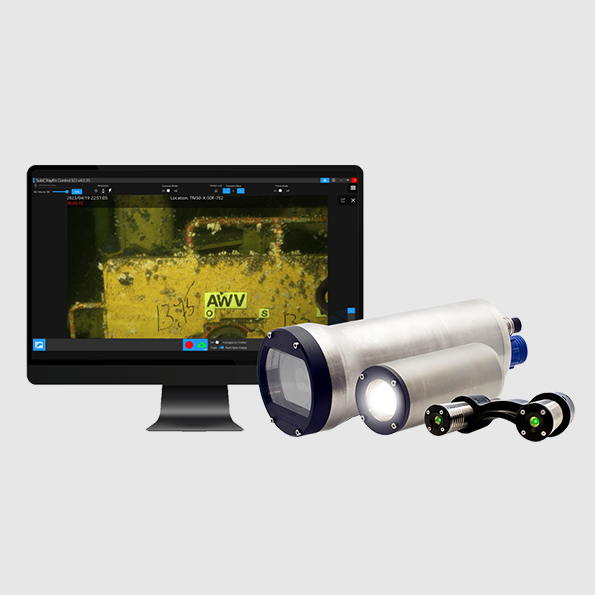
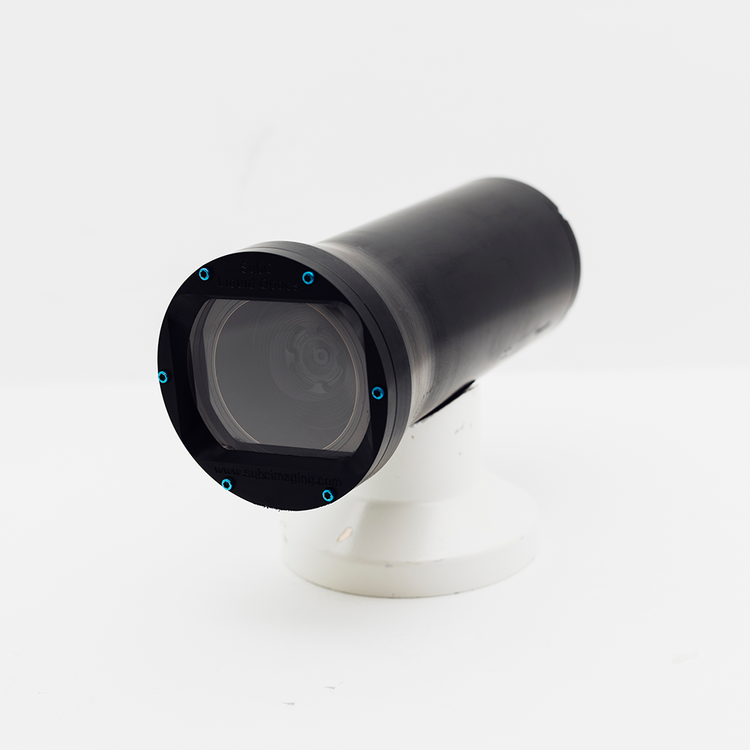
Rayfin Trench 11Km

Full-ocean-depth imaging for marine research and offshore science

Full-ocean-depth imaging for marine research and offshore science
...h 11Km is SubC Imaging’s deepest-rated camera, engineered for scientific and offshore missions...
Autonomous Timelapse System

Programmable camera solution for autonomous subsea operations

Programmable camera solution for autonomous subsea operations
SubC Imaging’s Autonomous Timelapse System combines the industry-leading Rayfin camera with... ...iguration, the system provides automated logging of date, time, and sensor data with embedded...
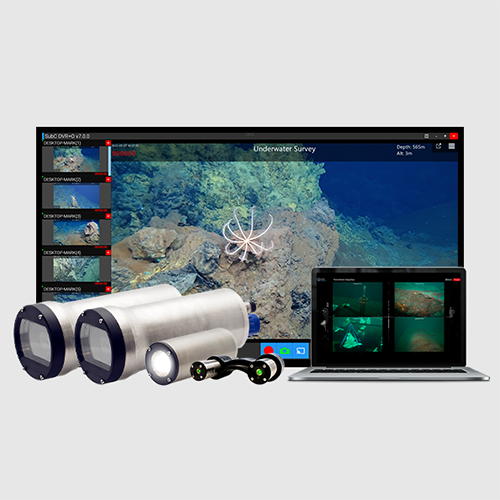
Rayfin Rapid Digital Imaging System

High-performance underwater imaging for surveys and inspections

High-performance underwater imaging for surveys and inspections
... Rapid Digital Imaging System delivers a cutting-edge solution for underwater inspections and... ...ate-of-the-art imaging system redefines underwater video surveys. Its advanced capabilities,...
Rayfin Benthic 6000m Subsea Camera

Ultra-deep subsea camera solution for oceanographic research and deep-sea exploration

Ultra-deep subsea camera solution for oceanographic research and deep-sea exploration
...a cutting-edge subsea camera designed to deliver exceptional imaging performance in the harshest... ...e quality. The system’s plug-and-play design ensures rapid deployment in any operational...
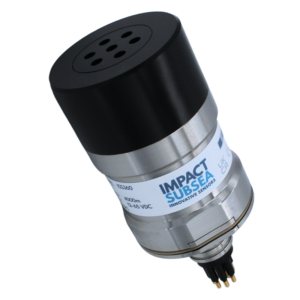
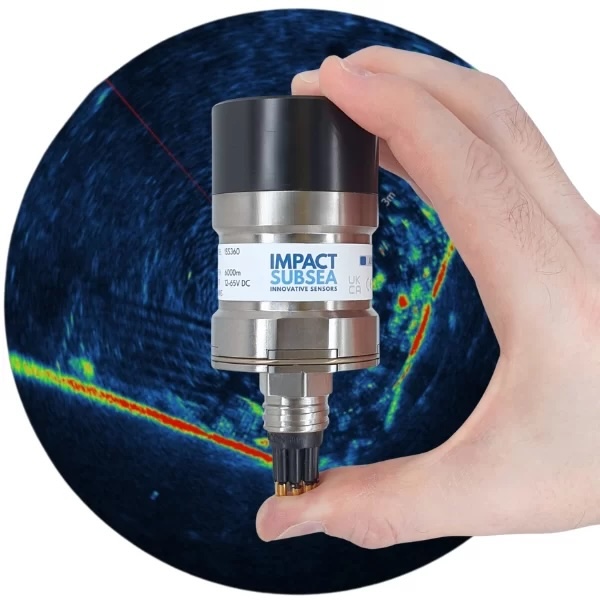
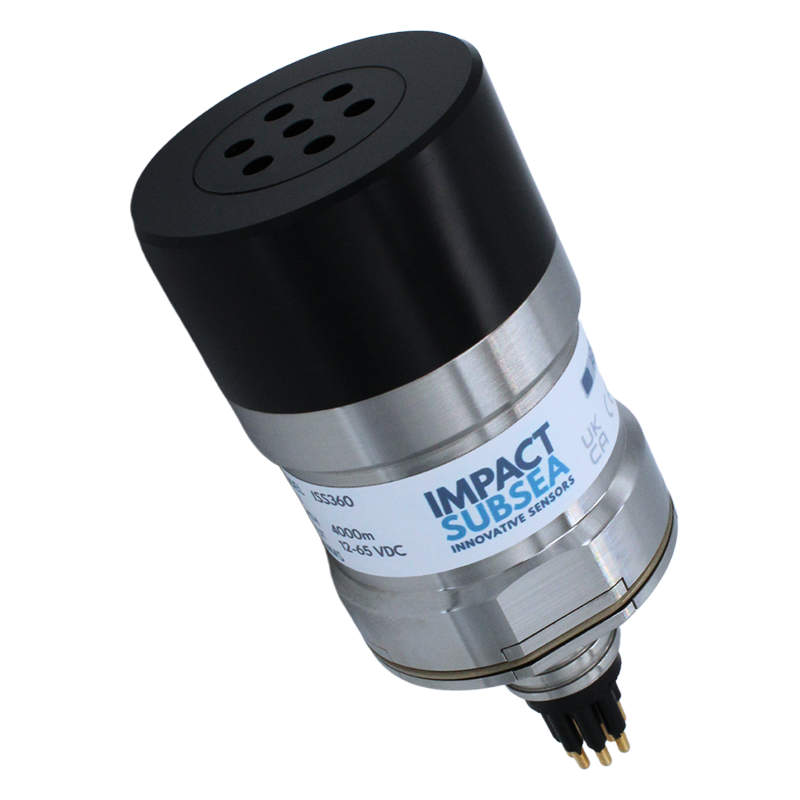
ISS360 Imaging Sonars

Compact imaging sonars for navigation & target identification

Compact imaging sonars for navigation & target identification
...nge of compact imaging sonars provides ideal navigation, obstacle avoidance and target...
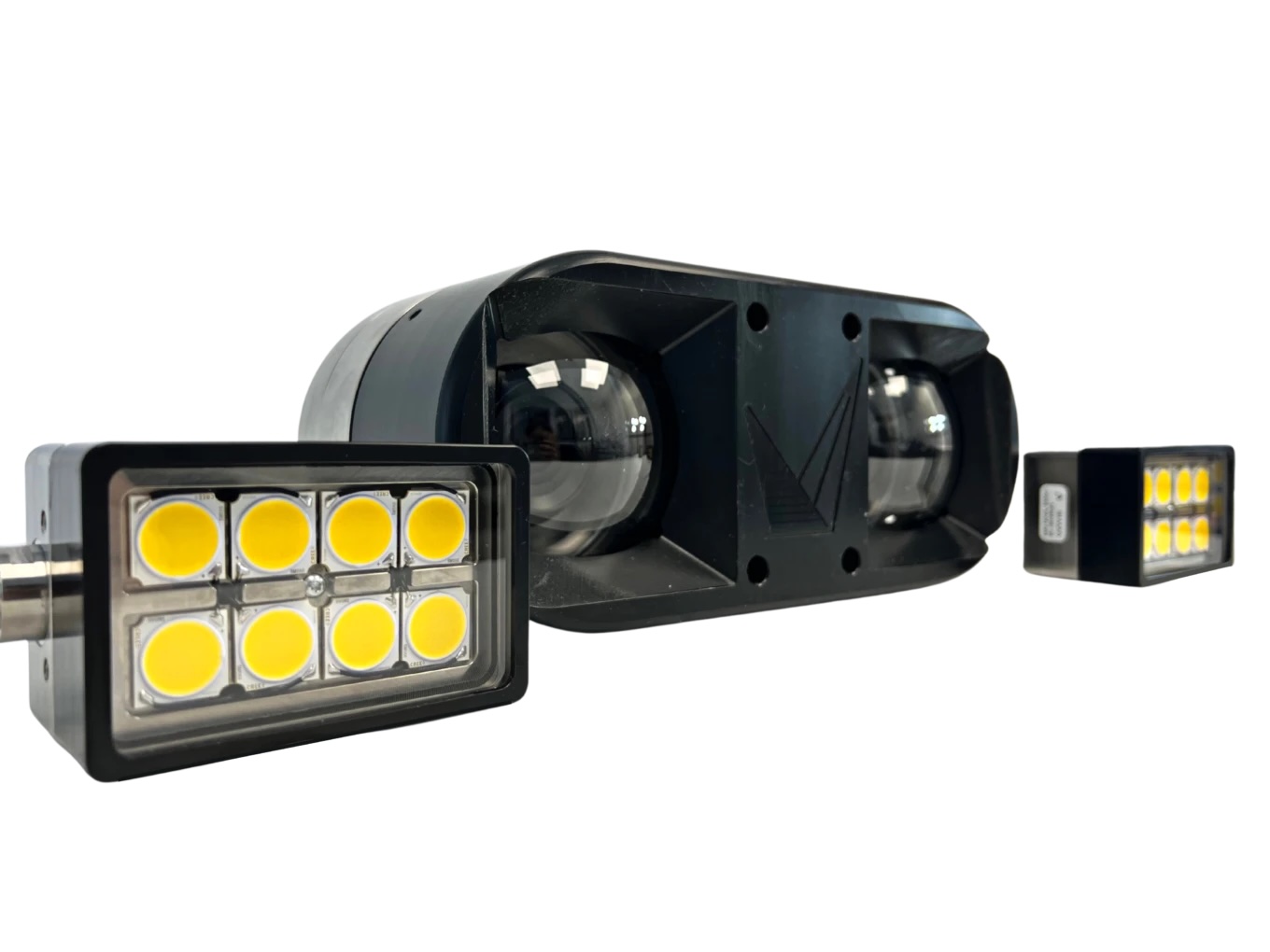
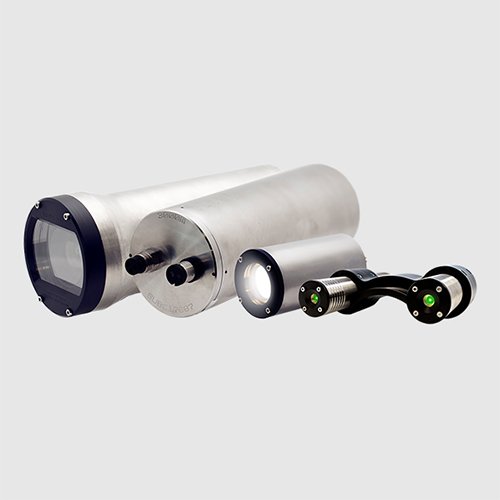
Discovery Stereo

4000 metre-rated stereo camera with four Nova Mini Lights

4000 metre-rated stereo camera with four Nova Mini Lights
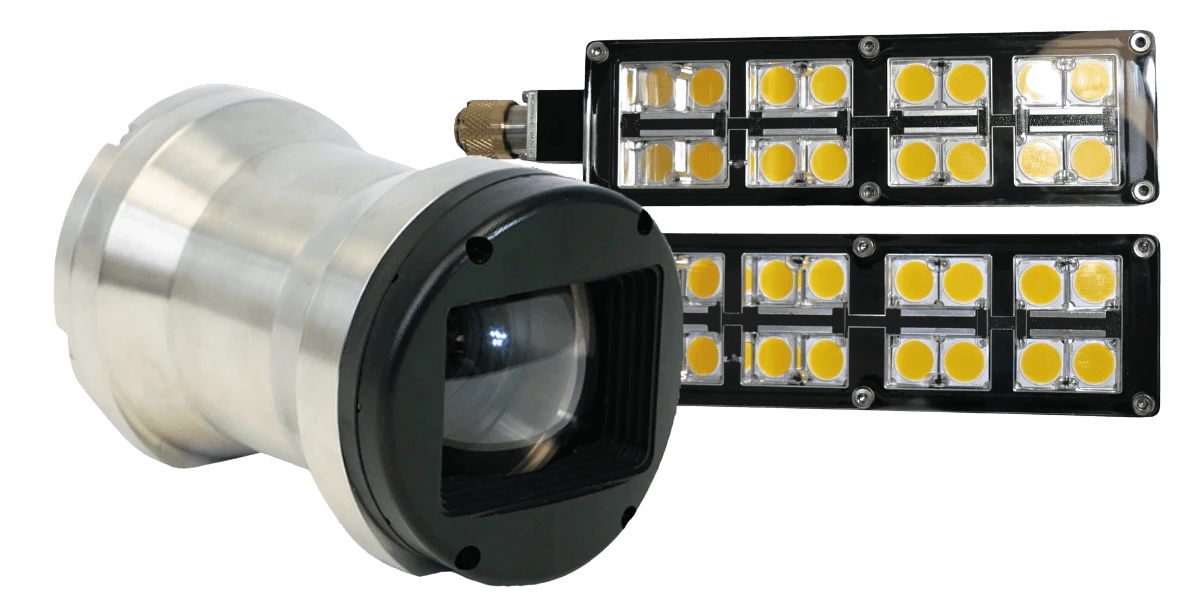
The Discovery Stereo Inspection System provides ROVs with stereo imagery capabilities for real-time ...
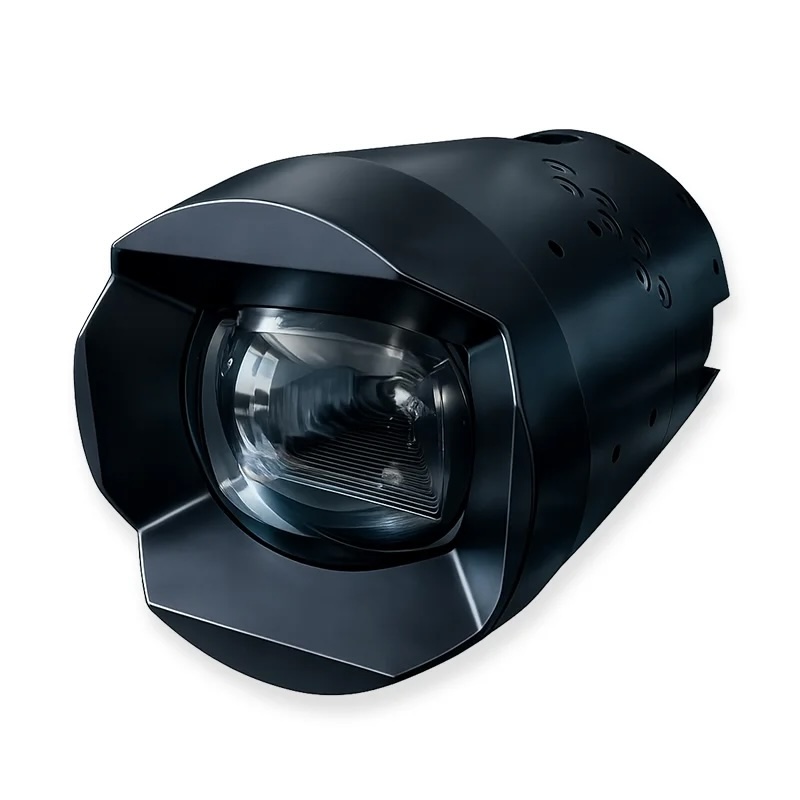
Observer Vision

300 metre-rated video camera with two Nova Mini Lights

300 metre-rated video camera with two Nova Mini Lights
...ge capture for 3D modelling. The system tightly integrates and synchronizes Voyis' high-intensity...
Recon LS

Combined AUV imaging & laser scanning payload

Combined AUV imaging & laser scanning payload
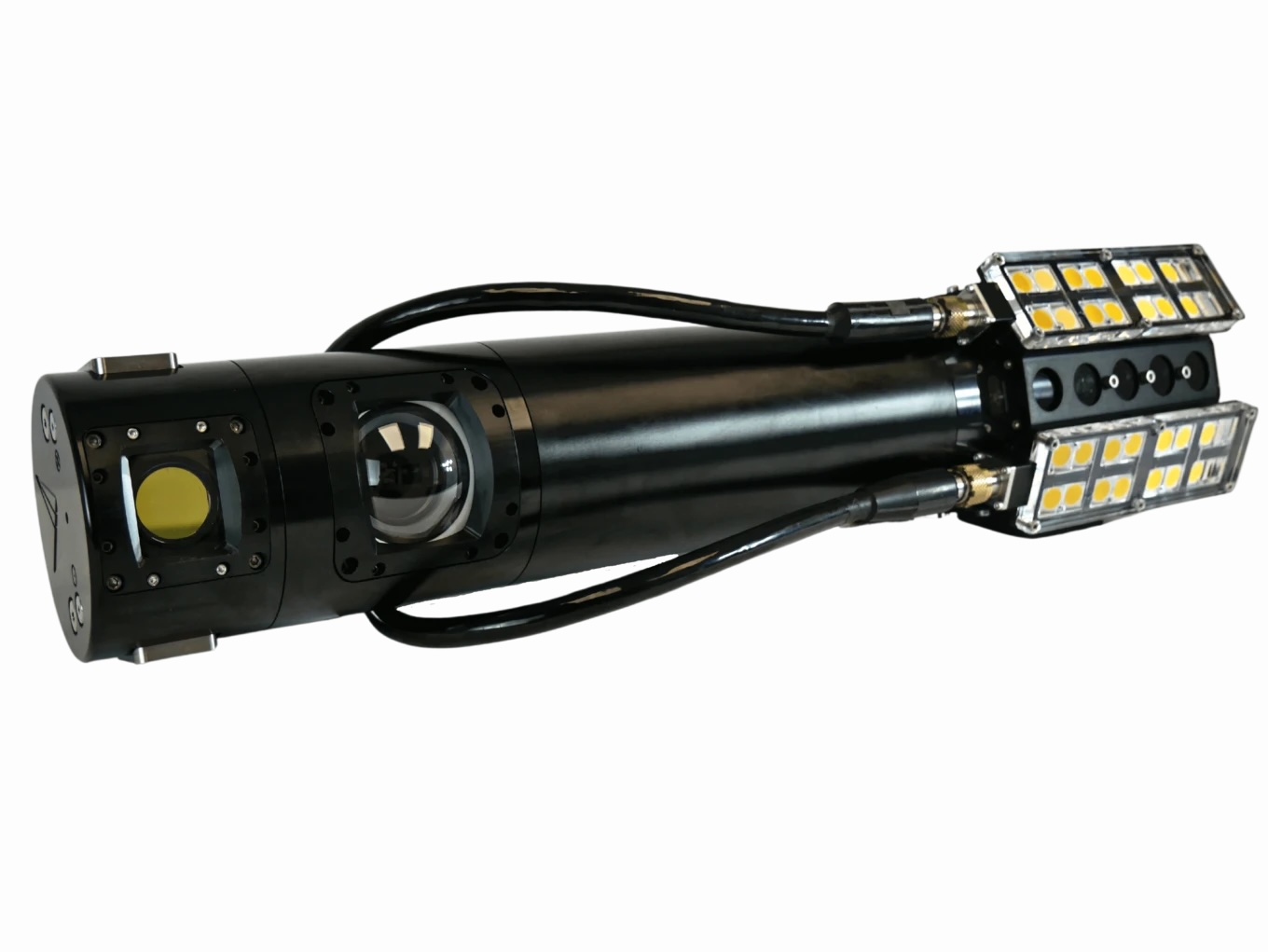
...mbines optical imaging capabilities with a stills camera and an underwater laser scanner, using the...
Recon

High-resolution camera payload for AUVs

High-resolution camera payload for AUVs
...ion of optical imaging capabilities into high-speed AUVs. Featuring a modular design that houses all...
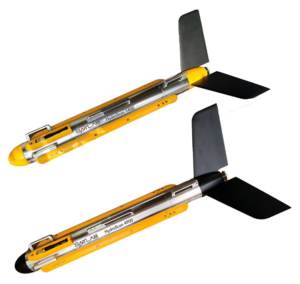
HydroScan

Towed side scan sonar with simultaneous dual-frequency scanning

Towed side scan sonar with simultaneous dual-frequency scanning
...ide scan sonar system designed for underwater imaging applications requiring excellent clarity, such...
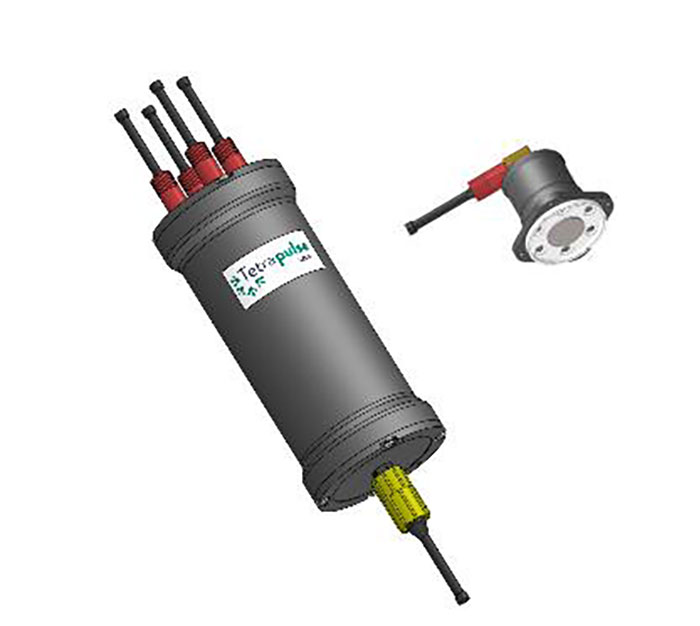
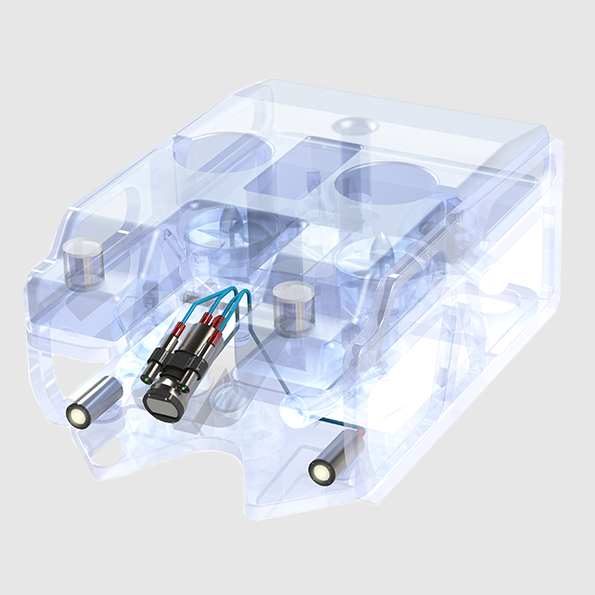
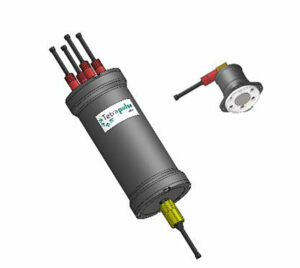
Tetrapulse ESENSE 300

World’s most compact subsea electric sensing solution

World’s most compact subsea electric sensing solution
...s most compact subsea electric sensor, and is based on ELWAVE’s proprietary CEDAR technology,...
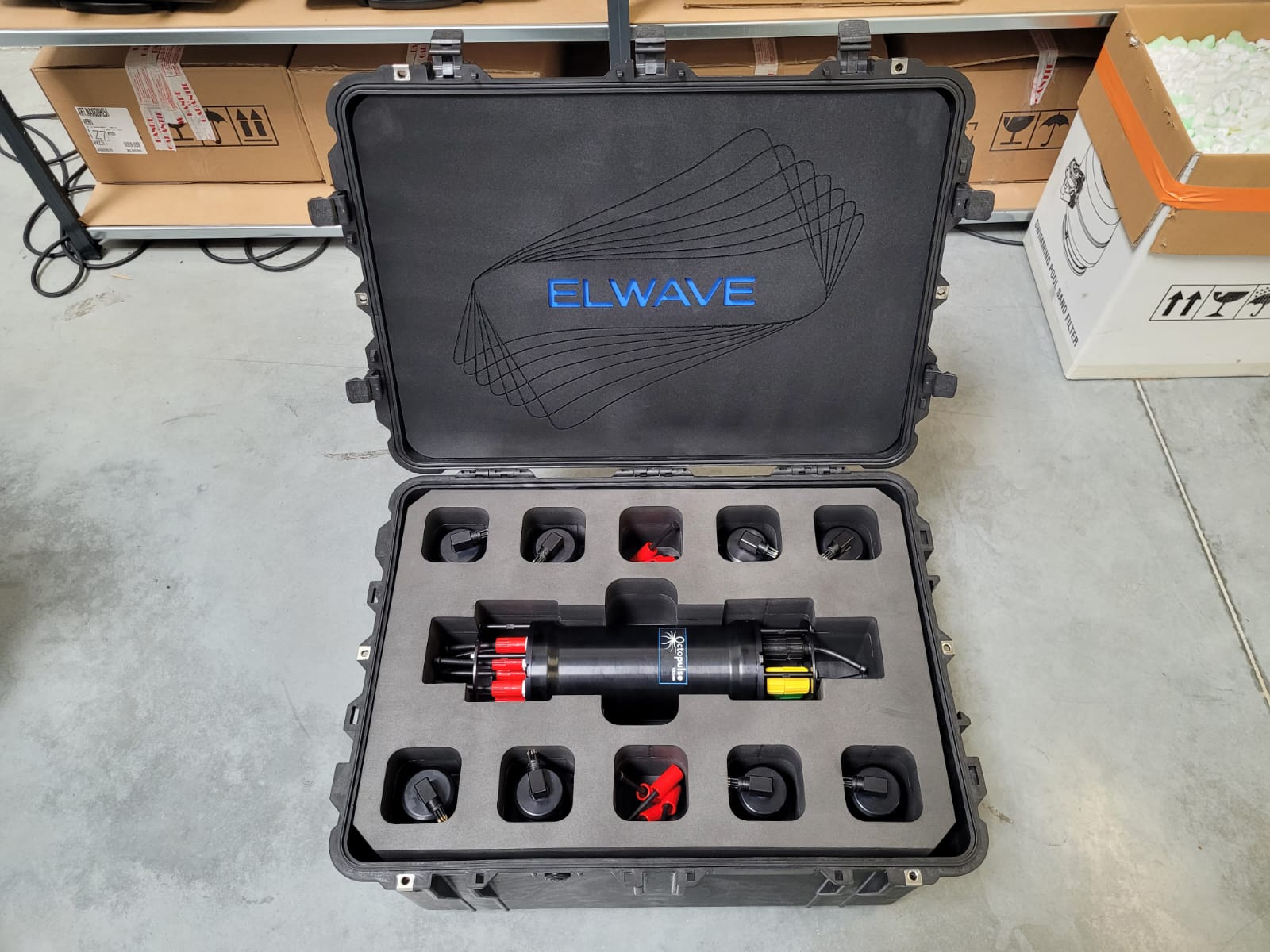
Octopulse

Underwater electric sensing & imaging solution for subsea vehicles and fixed installations

Underwater electric sensing & imaging solution for subsea vehicles and fixed installations
... revolutionary imaging sensor based on ELWAVE's proprietary CEDAR technology, which draws...

Underwater Imaging Systems: Technologies, Design Considerations & Applications

Sarah Simpson

Updated:

Introduction to Underwater Imaging Systems & Subsea 3D Imaging

Underwater imaging systems encompass a broad class of technologies designed to capture, process, and interpret visual or acoustic data in submerged environments. These systems range from high resolution optical cameras to advanced underwater sonar imaging systems and laser-based platforms, each engineered to overcome the significant physical constraints of the ocean. These systems are fundamental to subsea operations, enabling situational awareness, inspection, mapping, and scientific observation across a wide range of marine environments.

Key Types of Underwater Imaging Systems

Optical Imaging (Cameras)

Optical systems remain the most intuitive form of underwater imaging, providing high resolution, human interpretable imagery. However, their effectiveness is constrained by water clarity, depth, and available illumination.
  • Still Image Cameras: Still cameras are utilized for documentation, inspection, and scientific surveys where high resolution imagery is required. These systems often incorporate large format CMOS sensors and calibrated optics to support photogrammetry and quantitative analysis.
  • Video Cameras (HD, 4K, Ultra Low Light): Video imaging systems provide continuous visual feedback, critical for Remotely Operated Vehicles (ROVs) and diver assisted operations. Modern subsea video cameras are optimized for low light environments, using high sensitivity sensors and advanced noise reduction to maintain image clarity in near darkness. These systems are often integrated with digital video recorders (DVRs) to archive inspection footage and mission data for post mission analysis.
  • Stereo Vision Systems: Stereo imaging systems employ dual camera configurations to extract depth information through disparity mapping. These systems are increasingly used for subsea 3D imaging, object tracking, and autonomous navigation, particularly in structured inspection tasks.

Sonar Based Imaging Systems

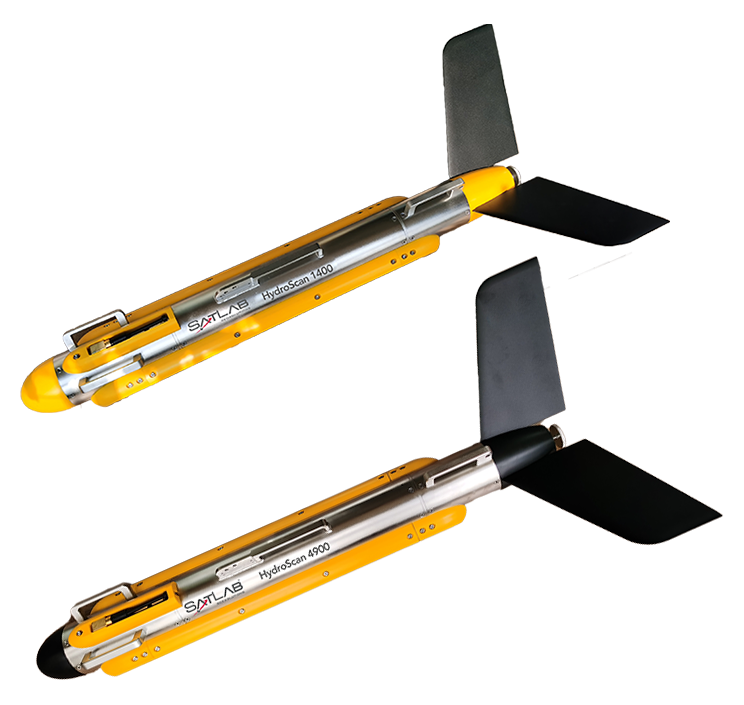
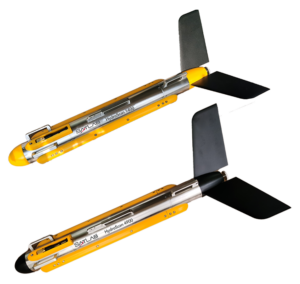
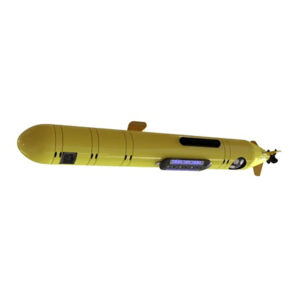
HydroScan high-precision towed side scan sonar by SatLab Geosolutions, used in underwater imaging applications requiring superior clarity.

HydroScan towed side scan sonar by SatLab Geosolutions

Where optical systems are limited by turbidity and light attenuation, sonar based imaging provides a robust alternative using acoustic energy.

  • Side Scan Sonar: Side scan sonar systems generate high resolution images of the seafloor by emitting acoustic pulses laterally and measuring backscatter intensity. They are widely used for seabed mapping and survey operations.
  • Multibeam Imaging Sonar: Multibeam sonar provides detailed bathymetric data by emitting multiple acoustic beams simultaneously. Advanced underwater sonar imaging system units can also generate near photographic acoustic images, enabling real time situational awareness in low visibility environments.
  • Forward Looking Sonar (FLS): Forward looking sonar systems are primarily used for navigation and obstacle avoidance. They deliver real time acoustic imagery ahead of a vehicle, making them essential for Autonomous Underwater Vehicles (AUVs) and ROVs operating in confined or hazardous environments.

Laser Based Imaging Systems

The adoption of underwater laser scanning provides enhanced resolution and contrast in conditions where conventional optics struggle.

  • Laser Line Scanners: An underwater laser scanner projects a structured laser line onto a target and captures its deformation to reconstruct high precision 3D profiles. A high specification scanner is widely used for subsea metrology and detailed structural inspection.
  • Structured Light Systems: Structured light techniques extend this principle by projecting complex patterns, enabling dense 3D reconstruction even in moderately turbid water. These solutions are particularly valuable for detailed inspection of infrastructure and archaeological sites where underwater scanning is required.

Hyperspectral and Multispectral Imaging

Hyperspectral and multispectral imaging systems capture data across multiple wavelengths, enabling material classification and environmental analysis. In marine science, these systems are used to assess seabed composition, detect biological signatures, and monitor environmental changes.

Acoustic Cameras and Hybrid Imaging Solutions

Acoustic cameras combine sonar imaging with real time visualization, producing video like outputs derived from acoustic reflections. Hybrid systems integrate optical and acoustic receivers, leveraging the strengths of both modalities to maintain performance across varying environmental conditions.

Applications of Underwater Imaging Systems

Marine Biology and Habitat Monitoring

Underwater imaging systems are used for observing marine ecosystems without physical disturbance. High resolution imaging supports species identification, behavioral studies, and habitat mapping, contributing to conservation and environmental management.
Offshore Oil and Gas Inspection and Maintenance

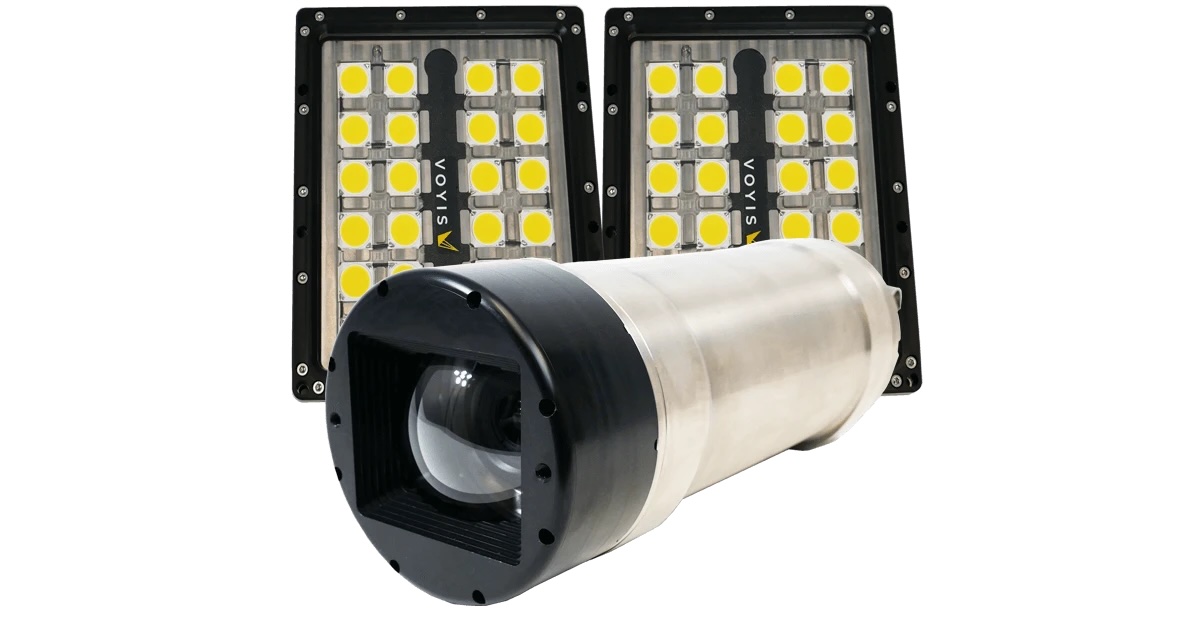
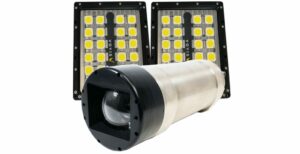
Long-range subsea imaging system Observer & Nova Pro by Voyis, a compact high-resolution imaging system with a depth rating of up to 6000m.

Long-range subsea imaging system Observer & Nova Pro by Voyis

In offshore energy operations, marine imaging technologies are central to Inspection, Maintenance, and Repair (IMR) activities. They enable detailed assessment of subsea infrastructure such as wellheads, pipelines, and risers, reducing the need for costly human intervention. Specialized sensors are also deployed for subsea leak detection to monitor the integrity of aging assets.

Renewable Energy (Offshore Wind, Tidal)

As offshore renewable energy expands, imaging systems are used to inspect foundations, cables, and turbine structures. These systems support lifecycle management by identifying defects, corrosion, and biofouling.

Defense and Security (Mine Countermeasures, Surveillance)

Defense applications rely on underwater object detection for mine detection, surveillance, and threat assessment. Sonar and hybrid imaging systems are critical in these roles, providing detection in low visibility conditions.

Search and Recovery Operations

In search and recovery missions, imaging systems are used to locate and identify submerged objects, including wreckage and lost equipment. The ability to operate in poor visibility makes sonar based systems valuable in these scenarios.

Underwater Archaeology and Cultural Heritage Documentation

Imaging technologies enable non invasive documentation of submerged cultural heritage sites. Photogrammetry and underwater 3D scanning techniques allow archaeologists to create detailed digital models for analysis and preservation.

Infrastructure Inspection (Pipelines, Cables, Hulls)

Routine inspection of subsea infrastructure relies on imaging systems to detect damage, corrosion, and structural anomalies. These environmental imaging solution setups are used for ensuring operational integrity and preventing failures.

System Integration & Platform Considerations

Successfully deploying imaging equipment requires a tailored approach to the host platform to ensure data quality and operational stability.

  • Integration with ROVs: These vehicles rely on imaging systems for navigation and manipulation, requiring careful consideration of mounting, field of view, and data bandwidth for real time control.
  • Integration with AUVs: Autonomous platforms demand compact, low power solutions with onboard processing capabilities to facilitate independent mapping and object detection.
  • Diver Operated and Handheld Systems: Portable units provide flexibility for localized inspection, prioritizing ergonomics and reliability in difficult diving conditions.
  • Fixed and Seabed Deployed Systems: Used for long term monitoring, these platforms must mitigate challenges like biofouling and power management while maintaining data storage integrity.
  • Real Time vs Post Processed Architectures: The choice between immediate operational feedback and high quality forensic analysis depends on specific mission requirements and available bandwidth.

These considerations ensure that the chosen imaging modality remains functional and efficient regardless of the deployment depth or vehicle type.

Core Components of Underwater Imaging Systems

Image Sensors (CMOS vs CCD)

The choice of image sensor directly impacts performance. CMOS sensors are common in modern systems due to their low power consumption, high frame rates, and integration flexibility for underwater 3D data acquisition. CCD sensors still offer advantages in noise performance for specific scientific applications.

Lenses and Optical Assemblies

Underwater optics must account for refraction at the interface between water and housing materials. Precision lens design and dome or flat port selection are required to maintain image fidelity and minimize distortion.

Illumination Systems (LED, Laser, Strobe)

Artificial subsea lighting is used in most underwater environments. LED arrays provide continuous illumination, while strobes offer high intensity bursts for still imaging. An underwater 3D scanner often utilizes specialized laser illumination for structured light and scaling applications.

Pressure Housings and Optical Windows

Imaging systems must be housed in pressure resistant enclosures capable of withstanding extreme depths. Materials such as titanium and anodized aluminum are common, with optical domes and windows designed to maintain clarity under pressure.

Data Transmission Interfaces (Fiber Optic, Ethernet, Coaxial)

Reliable data transmission is required, particularly for real time applications. Fiber optic links are used for high bandwidth, long distance communication, while Ethernet and coaxial interfaces are used in shorter range or legacy systems.

Image Processing & Enhancement Techniques

Raw data captured in subsea environments often requires significant refinement to become actionable information for engineers and researchers.

  • Real Time Enhancement Algorithms: These tools improve immediate visibility by reducing backscatter noise, enhancing contrast, and compensating for platform motion.
  • Dehazing and Color Correction: Digital restoration is necessary to reverse the effects of wavelength absorption, restoring natural color and improving image interpretability.
  • AI Software and Machine Learning: Automated systems are used for the detection, classification, and tracking of objects, which significantly reduces the workload on human operators.
  • 3D Reconstruction and Photogrammetry: Software techniques convert overlapping imagery into accurate models for underwater 3D imaging, enabling precise volumetric measurements.
  • Data Fusion: Combining visual data with sonar and navigation inputs creates a comprehensive environmental model, improving overall spatial accuracy.

By applying these advanced processing techniques, operators can derive precise insights even from imagery captured in highly turbid or low light conditions.

The field of subsea observation is moving toward higher levels of autonomy and data density, driven by breakthroughs in computing and materials science.

  • AI Driven Autonomous Imaging: The transition toward fully autonomous data acquisition allows AUVs to adjust mission parameters in real time based on the visual or acoustic data they interpret.
  • Edge Processing and Real Time Analytics: Processing data at the sensor level minimizes the need for high bandwidth uplinks, enabling faster decision making in remote or deep sea locations.
  • Advanced Materials: The development of specialized coatings and sapphire optical components is increasing the durability and fouling resistance of sensors in harsh environments.
  • Digital Twin Integration: Underwater imaging data is increasingly used to feed digital twin models, allowing for predictive structural analysis and long term lifecycle simulation.
  • Swarm Robotics: The use of coordinated, distributed imaging networks allows for large scale data collection across vast areas of the ocean floor simultaneously.

These emerging trends represent a shift from manual observation to intelligent, networked systems that provide a more holistic view of the subsea world.

Related Articles

SubC Imaging Updates DVR+ Software for Subsea Inspection Workflows

SubC Imaging has released new DVR+ software features that enable live event tagging, post-dive review, and structured export of subsea survey and inspection data

May 11, 2026
Simultaneous Subsea Inspection & 3D Scanning Performed at Sangomar Field

DeepOcean and Woodside Energy have completed a simultaneous subsea inspection and 3D scanning campaign across 69 structures at the Sangomar Field offshore Senegal, reducing offshore time while increasing data output

Apr 22, 2026
SubC Imaging Enables Greater Flexibility in Subsea Data Capture

As marine science missions grow in complexity, SubC Imaging examines how researchers are shifting toward versatile subsea imaging systems that offer selectable internal recording and real-time topside data streaming

Apr 20, 2026
SubC Imaging Highlights Automated High-Resolution Imaging at Full Hadal Depth

SubC Imaging’s Rayfin Trench subsea camera enables automated high-resolution imaging at hadal depths, using no-code scripting to coordinate capture, lighting, and sensors while managing power and data collection

Apr 09, 2026
Ropeless Fishing Technology in Deep-Water Lobster & Offshore Operations

Following successful Dungeness crab trials in California, innovative on-demand fishing systems are being deployed offshore to mitigate whale entanglement risks while maintaining high efficiency in deep-water lobster harvesting operations

Apr 08, 2026
Impact Subsea ISS360 & ISS360HD Imaging Sonars for Underwater Vehicles

Impact Subsea details the design characteristics and capabilities of its ISS360 and ISS360HD imaging sonars, highlighting compact form factors, high-resolution acoustic imaging, and fast scanning speeds for ROV and AUV applications

Mar 23, 2026
System Architecture for Remote Subsea Inspection & Survey Operations

SubC Imaging examines why effective remote subsea inspections depend on integrated imaging, recording, streaming, and communication systems rather than simply adding remote video access

Mar 17, 2026
Oi 2026: Teledyne Marine Showcases Latest Systems & Advanced Survey Technologies

OST visited Teledyne Marine at Oceanology International 2026 in London, where the company showcased sonar, navigation, oceanographic, and autonomous survey technologies

Mar 16, 2026
Teledyne Marine Demonstrates Autonomous Survey Integration

Teledyne Marine outlines its collaboration with Zero USV, demonstrating how uncrewed surface vessels and high-precision sensing technologies support ocean data collection and automated hydrographic workflows with real-time data visualisation

Mar 13, 2026