



Subsea inspections and survey operations can involve specialists participating from locations away from the vessel. SubC Imaging provides subsea imaging, recording, and streaming solutions designed to support these remote inspection workflows. Read more >>
Enabling effective remote participation requires more than providing access to a video feed. The inspection system must allow decisions to be made with confidence even when inspectors are not physically present offshore.
Remote capability is often described as a feature that can be added to an existing system. Live video feeds or remote access tools are introduced, and the system is then considered remote-ready. In practice, this approach often reveals challenges later in the inspection process when teams attempt to interpret findings, coordinate decisions, or verify results without direct operational context.
Inspection workflows were originally developed for teams working onboard vessels. When those same processes are adapted for remote participation, gaps in context, communication, and decision-making can emerge. As a result, reliable remote inspections require more than visibility. They require an inspection environment structured to support decision-making from a distance.
The challenge is not the availability of tools, but how those tools are integrated into a system that supports the way inspection decisions are made.
Camera Performance as the Basis for Remote Inspection
When inspection decisions are made remotely, camera performance becomes fundamental. Inspectors rely entirely on the camera feed to assess equipment condition, determine orientation, understand scale, and observe changes over time. Limitations such as inconsistent lighting, unstable imagery, or reduced low-light capability can quickly limit the reliability of remote assessments. What may be a manageable inconvenience offshore can become a barrier to decision-making when evaluations occur remotely.
For inspection and survey work, higher resolution alone does not address the requirements of inspection workflows. Instead, imagery must remain consistent and stable throughout extended operations, across changing environmental conditions, and during long inspection runs. Variations in image quality complicate analysis and reduce confidence during remote review.
For this reason, camera selection represents the starting point rather than the complete solution. Cameras must produce imagery that supports inspection decisions later in the workflow, not only during capture.
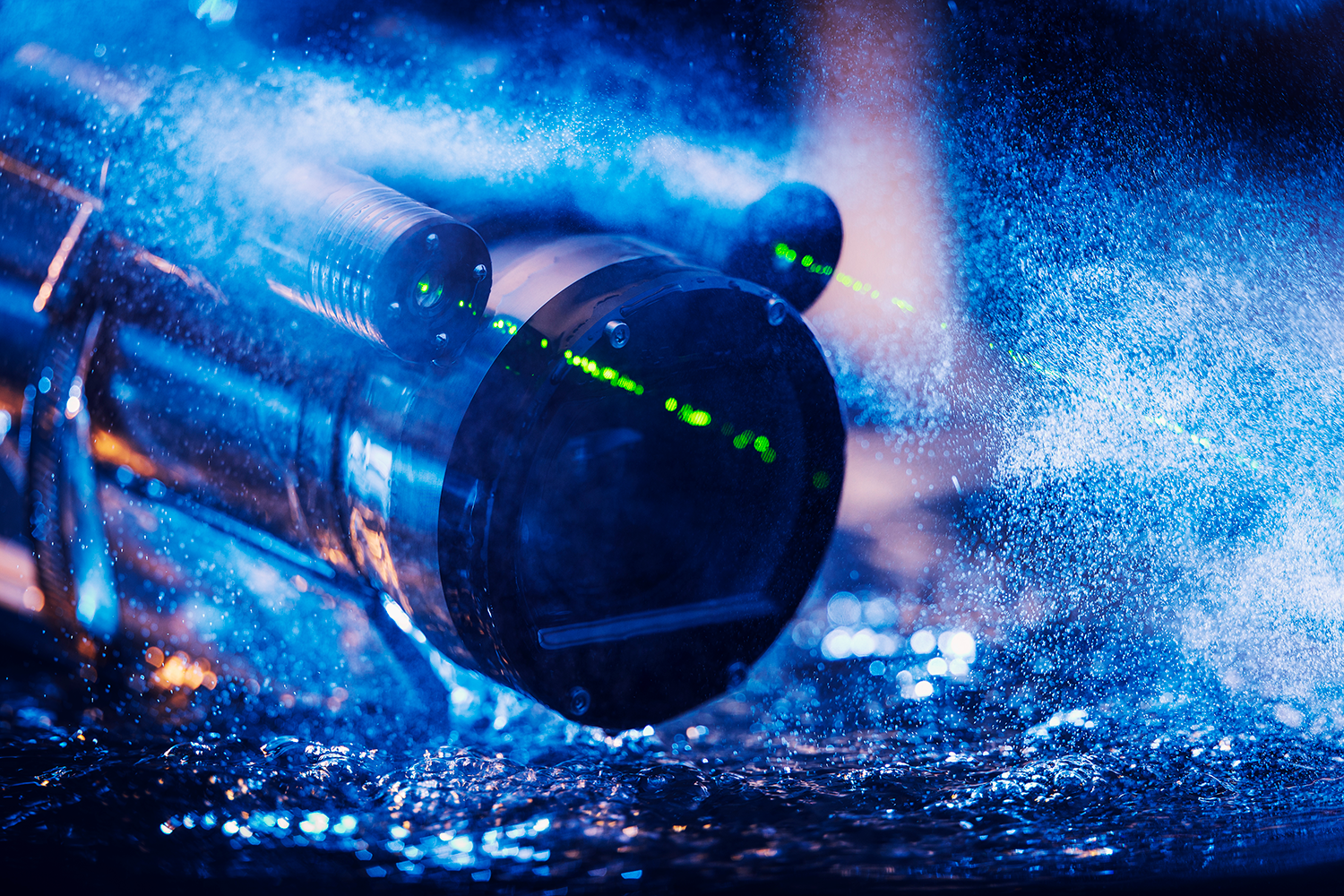
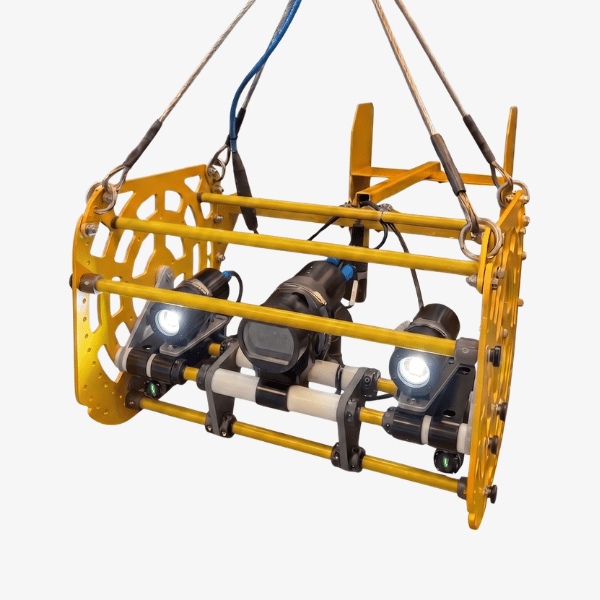
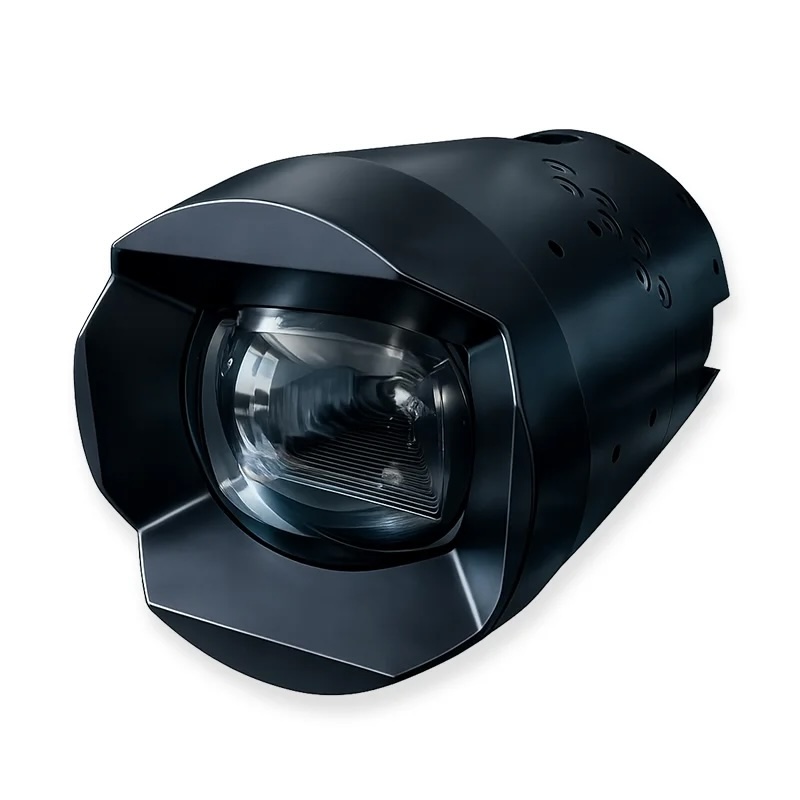
SubC Imaging’s inspection cameras are designed with this operational requirement in mind. The systems emphasize predictable and consistent image output so that footage collected offshore remains usable and defensible when reviewed remotely.
Recording and Data Management for Inspection Validation
Once inspection activities extend beyond the moment of capture, recording becomes central to the inspection process. Live video feeds provide situational awareness during operations, but recorded footage forms the primary reference for verifying findings, supporting documentation, and resolving questions after the inspection has concluded.
Incomplete recordings, missing overlays, or unclear timestamps can limit the ability of remote teams to interpret inspection results with confidence. These issues are a common source of difficulty in remote workflows.
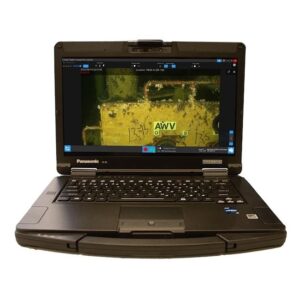
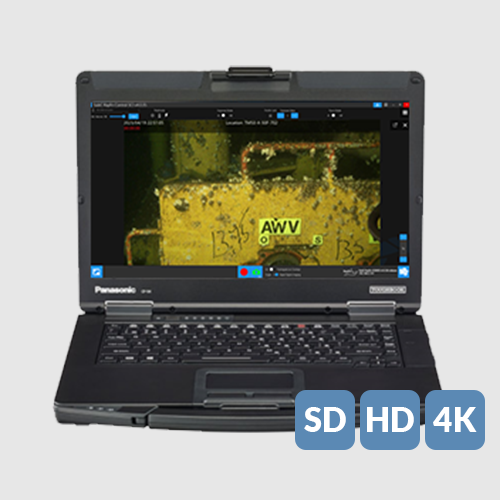
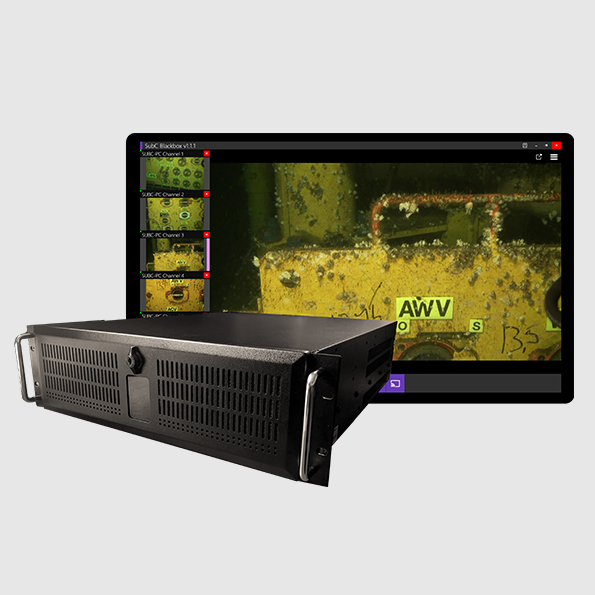
Rugged DVR by SubC Imaging
In many deployments, live streaming capabilities are introduced while recording and data management practices remain unchanged. The result is live visibility without reliable supporting evidence. Inspectors may observe the inspection as it occurs, but they cannot fully validate or defend the findings later.
For remote inspections and surveys, contextual information is as important as image clarity. Time references, depth data, and synchronized overlays provide the framework remote inspectors need to interpret what they are seeing without relying on assumptions.
SubC Imaging’s DVR solutions are designed around the expectation that inspection review may occur remotely. Stable recording, synchronized data overlays, and flexible storage help ensure that inspections can be reviewed and validated regardless of where the inspector is located.
The Role of Live Streaming in Remote Operations
With reliable recording in place, live streaming becomes a valuable tool for collaboration. Real-time video allows remote specialists to observe developing conditions, provide guidance, and identify areas that may require closer inspection. When used effectively, this capability can reduce rework and improve coordination between offshore and onshore teams.
Streaming can also support remote or assisted piloting during complex inspections or specialist surveys where specific expertise may not be available offshore.
However, streaming alone cannot carry the inspection workflow. Offshore connectivity often involves fluctuating bandwidth, variable latency, and adaptive video quality. These limitations are manageable for observation and operational guidance but become more significant when direct control or piloting tasks are involved, where responsiveness and stability are critical.
For this reason, detailed inspection decisions, validation, and reporting continue to rely on recorded data as the primary reference.
SubC Imaging’s real-time streaming capabilities are optimized for low-latency performance over constrained connections and are designed to operate alongside recording workflows. This approach supports live collaboration, including remote piloting where appropriate, without compromising the integrity of the inspection record.
Communication as a Critical Operational Component
Even with strong video and reliable data capture, inspections can stall if communication is not integrated into the workflow.
Remote inspectors may need to ask questions, confirm orientation, or clarify observations while inspection equipment is still positioned at the area of interest. Without effective communication channels, these exchanges may occur after the opportunity to gather additional information has passed.
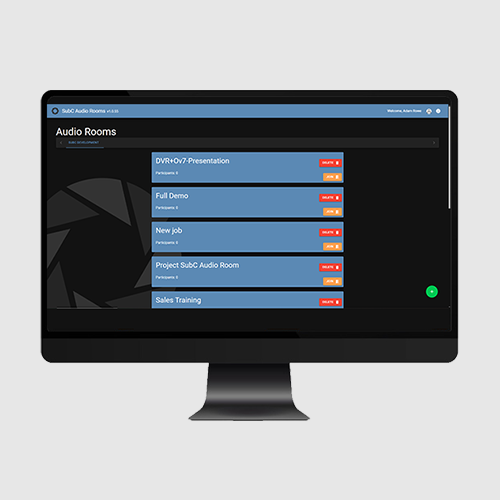
Two-way audio and clear communication pathways allow inspections to progress more efficiently. Remote specialists can participate during the operation rather than reacting only after reviewing recorded footage, and offshore crews receive clear direction instead of fragmented feedback.
SubC Imaging’s remote operations capabilities integrate communication directly into the inspection workflow, helping ensure that offshore personnel and remote specialists can coordinate effectively during inspections.
Remote Readiness Requires System Design
Subsea inspections and surveys do not become remote-ready because a single feature or product is added. Effective remote operations result from designing the entire inspection environment around how decisions are made.
When imaging systems, recording infrastructure, streaming capabilities, communication tools, and contextual data are integrated intentionally, remote participation becomes a practical operational approach rather than a workaround. Inspection teams can collaborate, review findings, and guide operations without requiring all specialists to be physically present offshore.
Remote readiness is not a setting that can simply be activated. It is the result of a system designed to support inspection workflows and decision-making across both offshore and remote teams.