
SubC Imaging develops underwater imaging systems designed to address the evolving demands of marine research and offshore operations. As subsea missions become increasingly complex and varied, the company’s approach focuses on adaptable camera technology that supports multiple deployment scenarios without requiring changes in hardware.
This design philosophy is reflected in systems such as the Rayfin subsea camera range, which incorporates selectable storage options to meet different operational needs.
Evolving Expectations in Marine Imaging
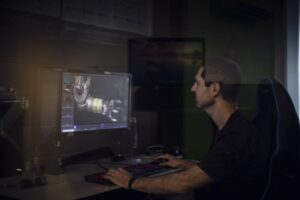 Underwater imaging systems have traditionally required operators to choose between two distinct data handling approaches: internal recording within the camera or live transmission to the surface. Internal storage has typically supported autonomous deployments, while topside transfer has enabled real-time monitoring and decision-making.
As marine science missions expand in scope and geographic reach, this binary approach is becoming less practical. Research teams are increasingly working across a range of environments, from diver-led surveys to remote, long-term observatories, and require equipment that can adapt accordingly. The expectation is shifting toward systems that allow operators to determine how data is recorded on a per-deployment basis.
Constraints of Single-Mode Camera Systems
Many subsea cameras remain limited to a single recording method. Systems designed for onboard storage often lack the capability to transmit data in real time, while those optimized for live topside transfer may not include integrated recording functionality.
These limitations can restrict operational flexibility. Equipment configured for tethered remotely operated vehicle inspections may not be suitable for autonomous deployments on the seafloor. For teams managing multiple project types, this can necessitate swapping hardware between missions, increasing logistical complexity, cost, and the potential for operational delays.
Transition Toward Selectable Storage
To address these challenges, subsea imaging technology is shifting toward more flexible architectures. Cameras with selectable storage modes enable users to switch between internal recording and live data transmission without requiring additional equipment or system modifications.
This capability supports a wider range of deployment strategies using a single imaging platform. When a reliable surface connection is available, data can be streamed in real time. In remote or autonomous scenarios, footage can be stored onboard for later retrieval. The result is a system that accommodates changing mission requirements without imposing technical constraints on field operations.
Operational Advantages of Flexible Storage
Selectable storage functionality provides several practical benefits for marine research and offshore workflows.
- Streamlined mission planning: A single camera system can be deployed across multiple use cases, reducing the need for specialized equipment.
- Enhanced data security: Onboard storage can serve as a backup if live transmission is interrupted, while real-time transfer offers redundancy when required.
- Broader deployment capability: Systems can support both short-term inspection tasks and extended autonomous monitoring.
- Reduced system complexity: Eliminates dependence on external recording devices, additional cabling, or interface converters when switching between modes.
These advantages allow operators to maintain greater control over data acquisition processes and respond more effectively to variable field conditions.
Rayfin Subsea Cameras and Selectable Storage
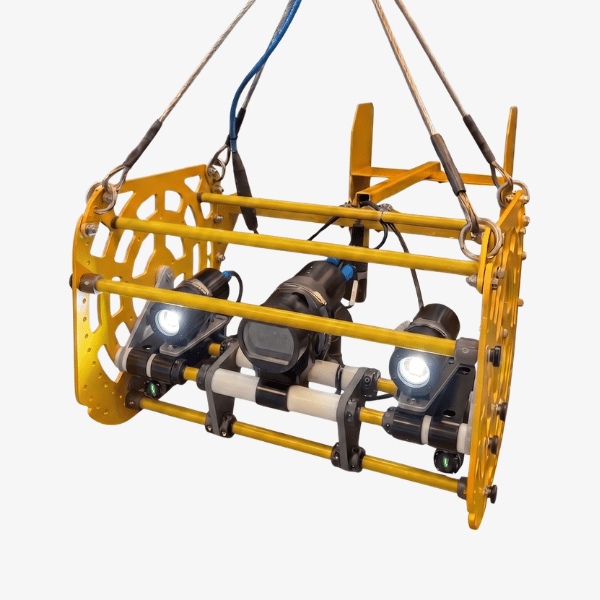
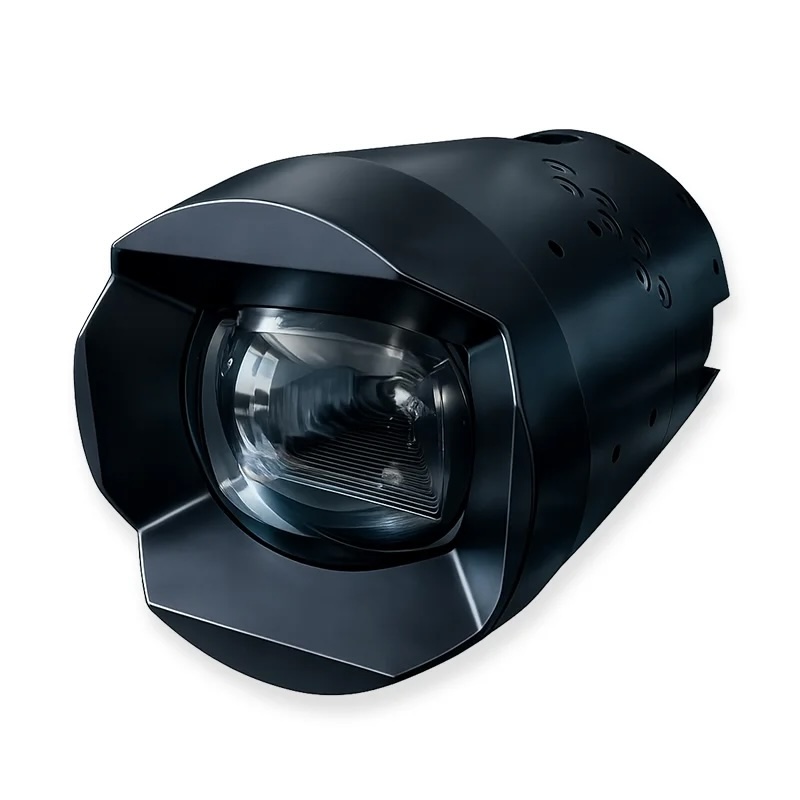
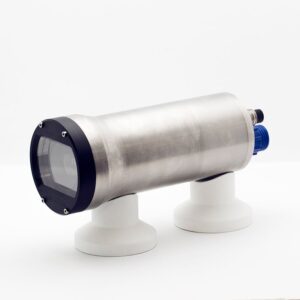 SubC Imaging’s Rayfin subsea camera range, including Benthic, Coastal, and Micro variants, is designed to support this flexible approach. These systems allow operators to alternate between internal data recording and live topside transmission depending on mission requirements, without the need for additional hardware or external recording solutions.
By integrating both capabilities into a single platform, the Rayfin series supports a range of applications, from real-time inspection to long-duration autonomous deployment, while maintaining a consistent operational workflow.
Supporting Future Marine Research Requirements
As subsea operations continue to evolve, imaging systems must align with increasingly dynamic mission profiles. Cameras limited to a single mode of data capture can constrain operational efficiency and reduce adaptability in the field.
Selectable storage functionality is emerging as a standard requirement rather than a supplementary feature. The ability to adjust data handling methods based on deployment conditions supports more efficient research execution and reduces operational risk. For marine researchers working in unpredictable environments, flexible imaging systems are becoming integral to achieving consistent and reliable results.