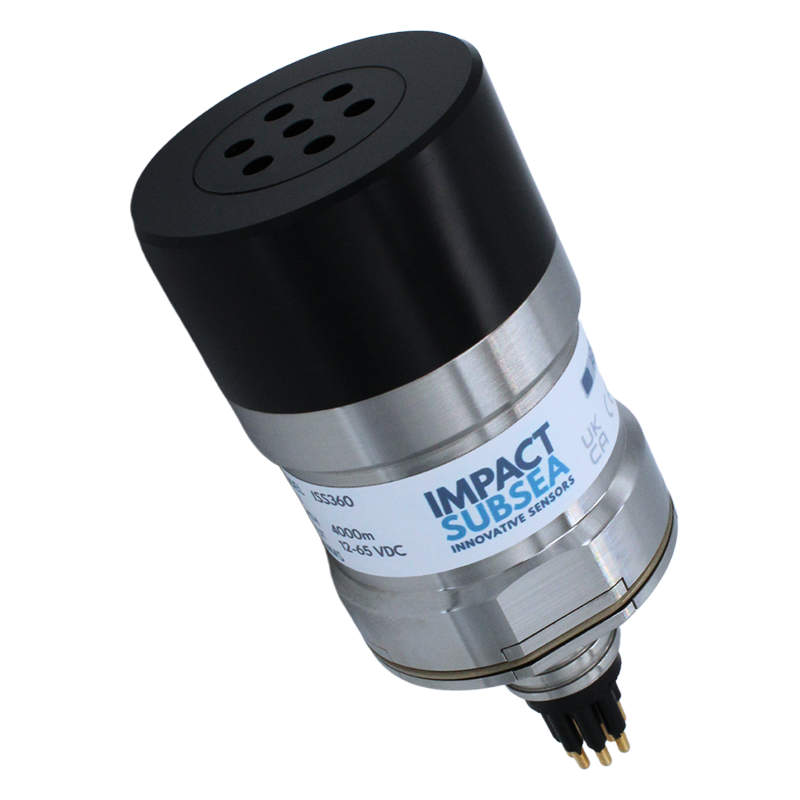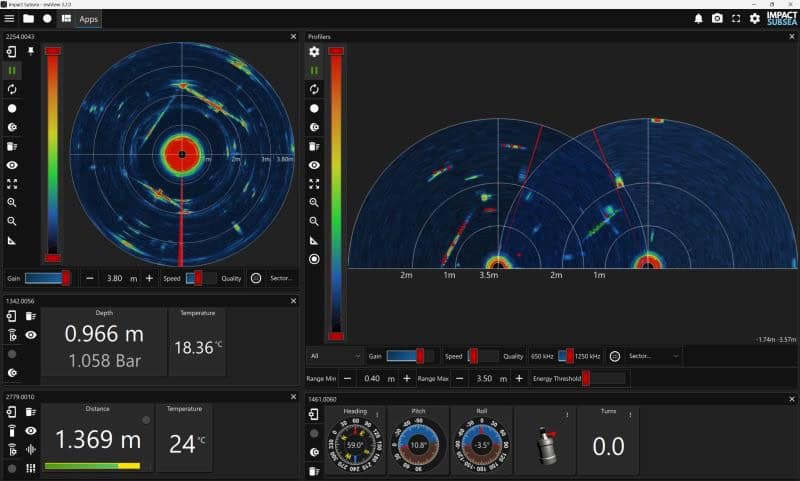

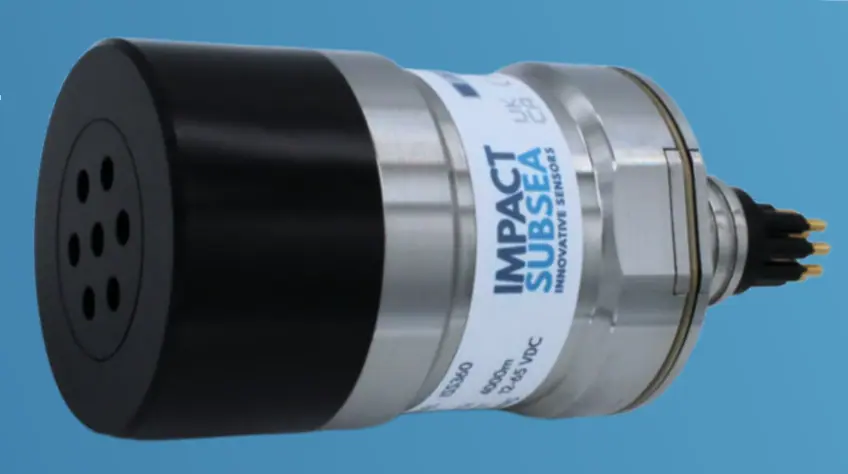
Impact Subsea’s ISS360 Imaging Sonar has been used in a University of Twente study to demonstrate how compact 2D sonar technology can monitor canal bed morphology and help protect critical navigation lock infrastructure.
Navigation locks are increasingly exposed to the effects of larger commercial vessels operating on waterways originally designed for smaller ships. Propeller wash, bow thruster turbulence and high velocity water flows can erode protective canal bed layers, creating scour holes and displacing stones and sediment towards lock gates, potentially causing damage, blockages and costly operational interruptions.
The study, titled 2D sonar techniques for monitoring the canal bed morphology of entrances to navigation locks, was conducted by University of Twente researchers Mohsen Bastani and Rolands Kromanis and was awarded Best Paper at the SHMII 13 international conference. The research deployed an Impact Subsea ISS360 at the Prinses Beatrix Lock in the Netherlands to capture real time acoustic data from the approach channel and canal bed.
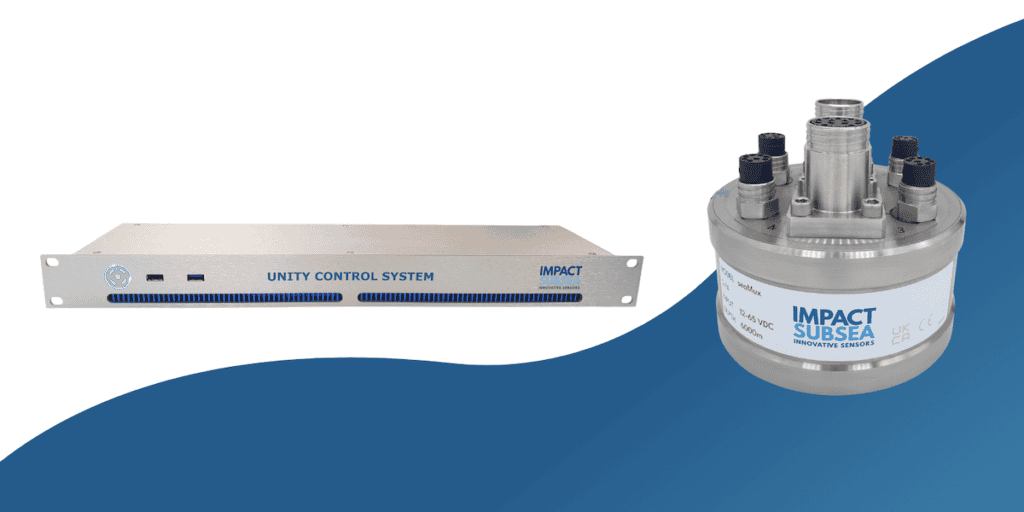
The system demonstrated three key capabilities: tracking the development of scour and sediment movement, identifying displaced rocks and debris before they reach lock gates, and estimating vessel drafts from acoustic signatures. Connected to a local processing unit and custom data analysis pipeline, the compact sonar provides a potential alternative to labour intensive diver inspections and periodic bathymetric surveys, supporting more targeted maintenance and improved protection of ageing waterway infrastructure.