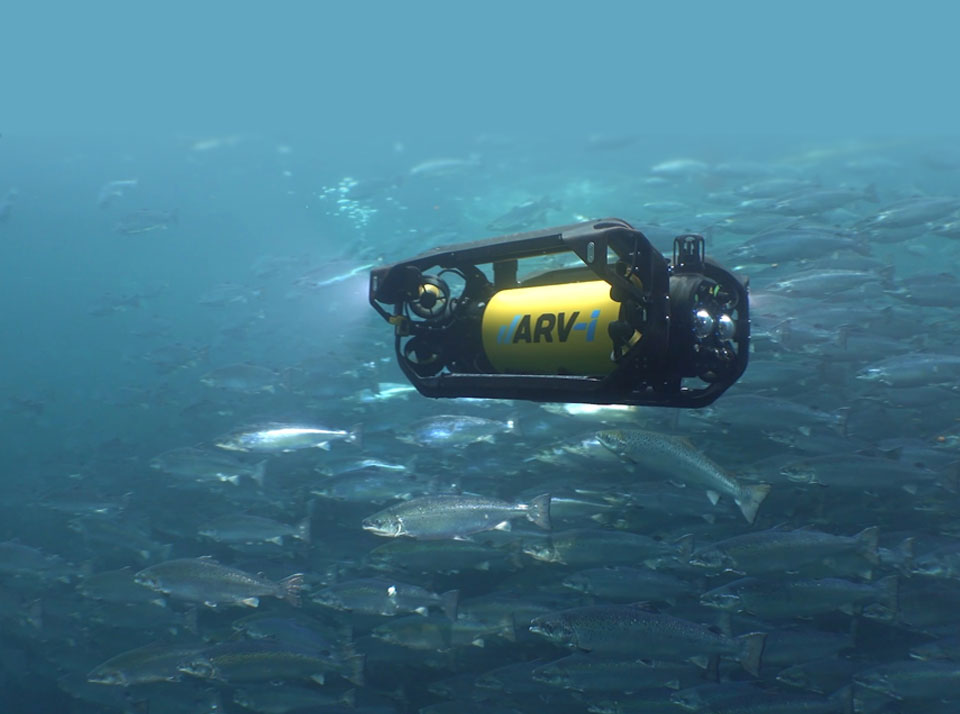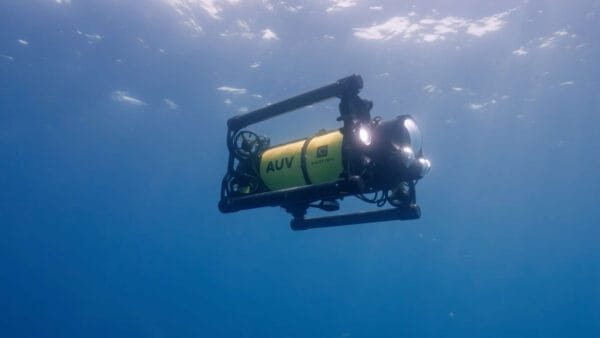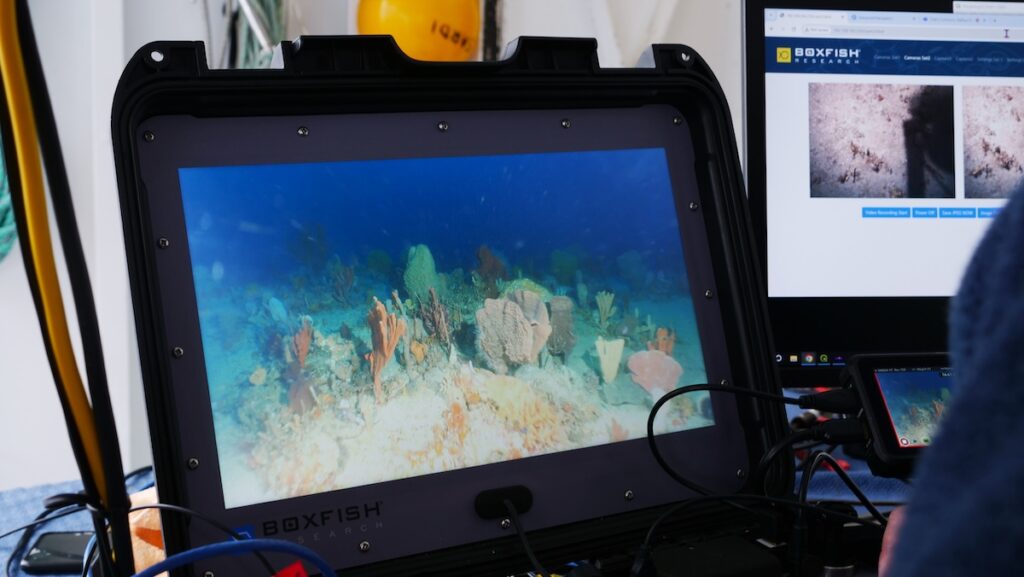


A Boxfish Robotics Luna underwater vehicle was used to document a scientific diving expedition at Lake Huron’s Middle Island Sinkhole, providing real-time 4K footage of a microbial ecosystem that may offer insights into the earliest forms of life on Earth.
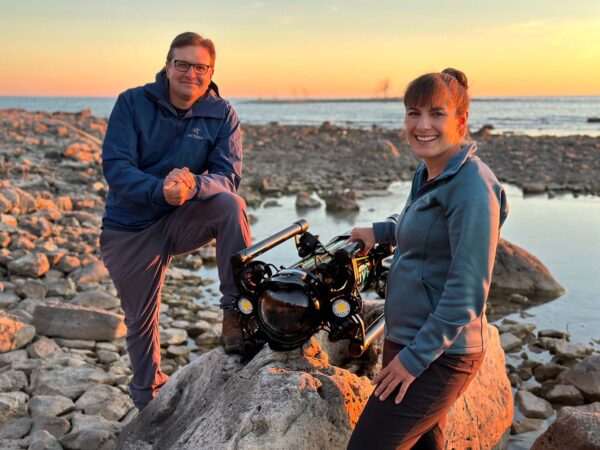
The expedition, involving freshwater explorers and filmmakers Zach Melnick and Yvonne Drebert, formed part of Hidden Below: LIVE, an interactive underwater exploration initiative developed by Great Lakes Now and Inspired Planet Productions. Operating Luna through a fiber-optic tether, the team captured footage of the sinkhole’s microbial communities and followed scientific divers as they collected sediment samples for further research.
Exploring the Middle Island Sinkhole
Located within Thunder Bay National Marine Sanctuary in Lake Huron, the Middle Island Sinkhole reaches approximately 80 feet (24 meters) below the lake’s surface. It formed over thousands of years as groundwater dissolved limestone bedrock beneath the lakebed, creating a depression containing an unusual freshwater ecosystem.
The sinkhole’s floor, known as the arena, covers an area approximately the size of a football field and contains extensive microbial mats displaying purple, brown, and white coloration.
As groundwater passes through ancient marine deposits, it dissolves salts, including chlorides and sulfates. The resulting dense groundwater is depleted of oxygen, while microbial processes contribute to the hydrogen sulfide associated with the sinkhole’s chemosynthetic communities.
Because this groundwater is denser than the surrounding lake water, it remains concentrated near the lakebed, creating conditions that support microbial communities rarely encountered in freshwater environments.
Scientists believe the ecosystem may resemble conditions that existed in shallow seas approximately 2.5 billion years ago, making the sinkhole a valuable location for investigating early biological processes and the role of oxygen-producing organisms in transforming Earth’s atmosphere.
Boxfish Luna Provides Real-Time Underwater Imaging
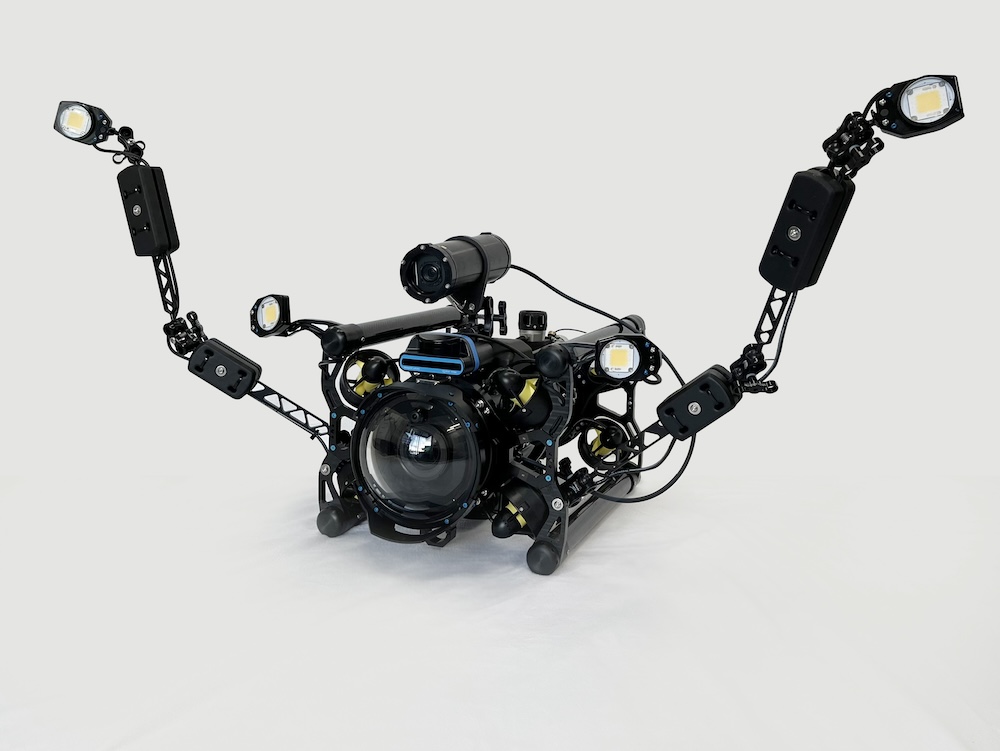
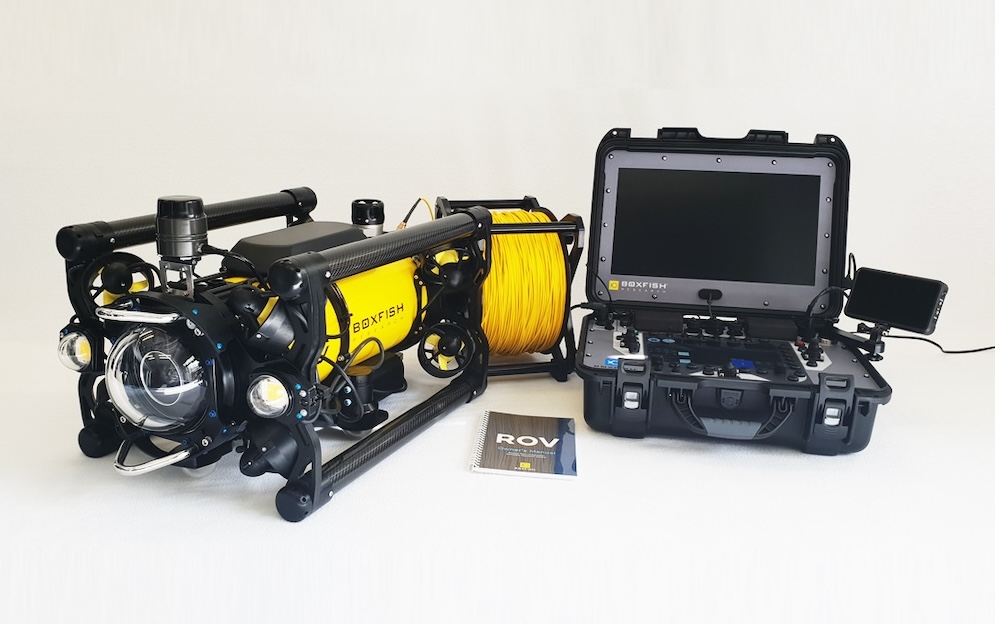
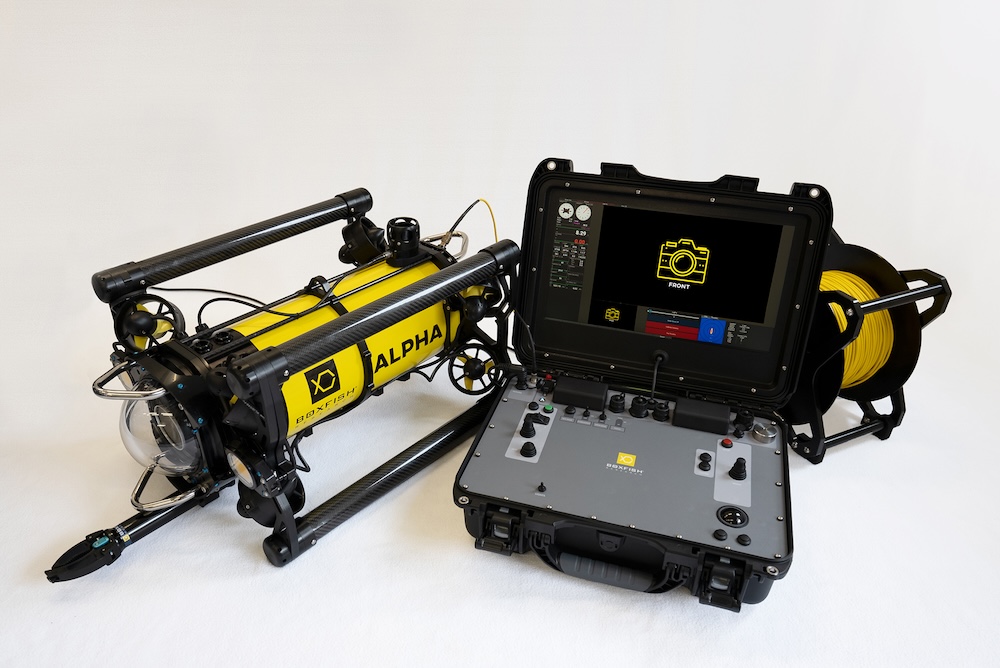
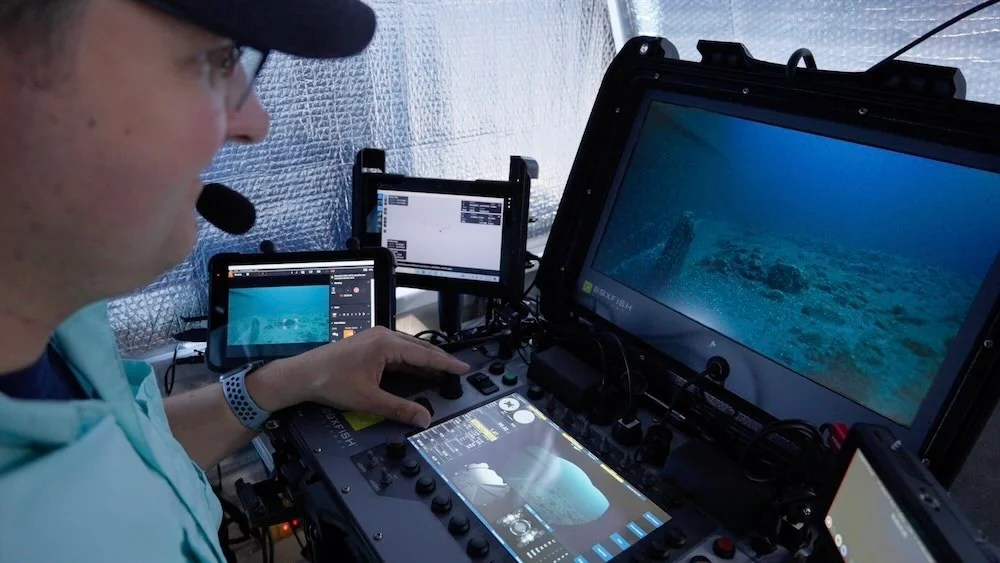
The expedition used the Boxfish Robotics Luna platform in tethered remotely operated vehicle (ROV) mode, allowing Melnick to pilot the vehicle from the surface while receiving live underwater footage.
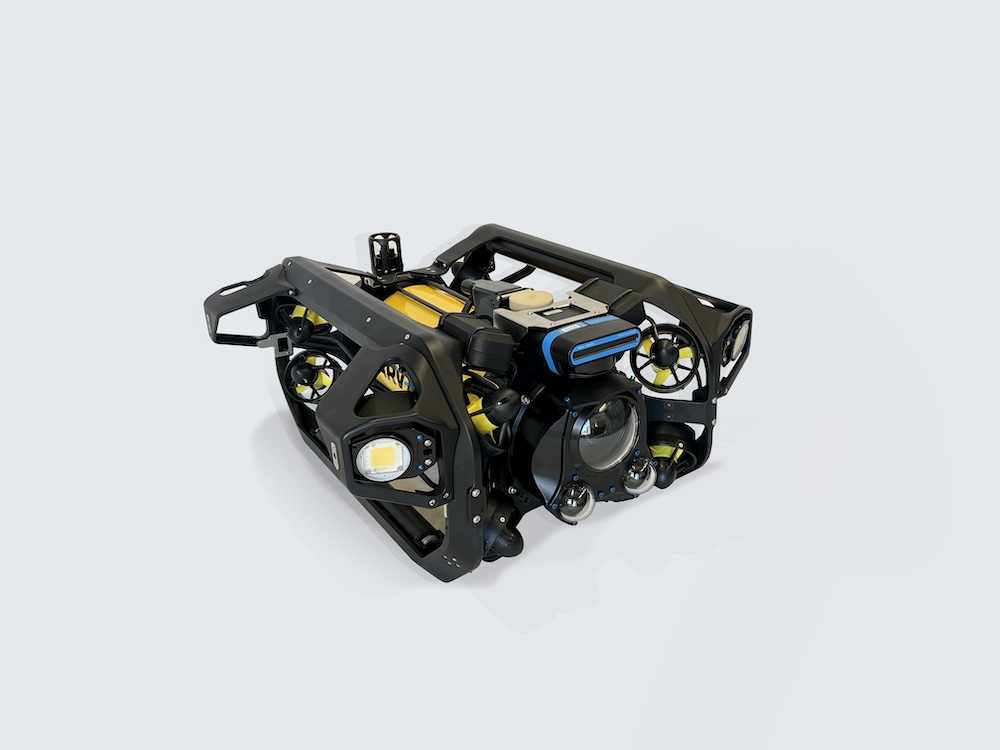
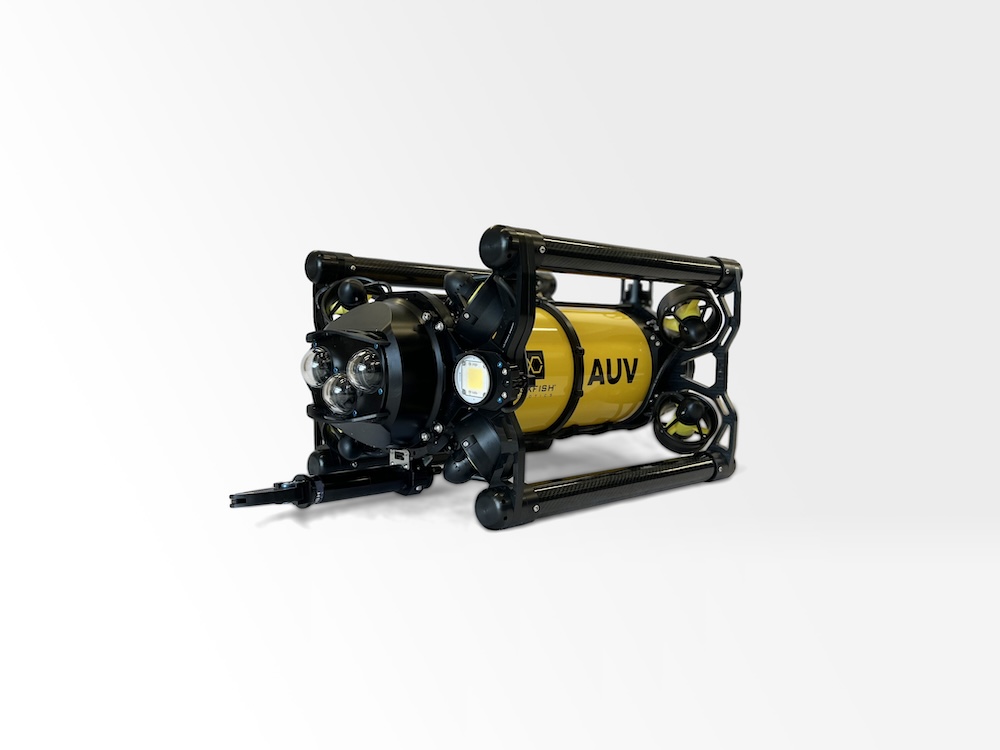
Luna supports both autonomous operation and tethered control. The platform incorporates a full-frame imaging system capable of capturing 50 MP RAW photographs and 4K video at up to 60 frames per second.
During the expedition, the fiber-optic tether enabled real-time transmission of 4K video to the surface, supporting underwater observation and the livestream broadcast.
The expedition team stated that Luna could operate at depths of up to 500 meters and remain underwater for up to 10 hours, although the Middle Island Sinkhole exploration took place at considerably shallower depths.
The platform’s six-degree-of-freedom hovering architecture supports precise maneuvering and positioning. Its broader capabilities include autonomous visual surveys, photogrammetry, habitat mapping, and environmental monitoring, although these autonomous survey functions were not used during the livestream.
Melnick navigated Luna along limestone ledges, across microbial mats, and into smaller depressions within the sinkhole. The vehicle also followed scientific divers during their descent and sampling activities.
Wind and wave conditions required the exploration vessel to anchor closer to shore than planned, creating additional considerations for vehicle navigation and tether management.
During the operation, the tether became caught around rocks and mussels near the sinkhole’s edge, requiring the team to adjust the vehicle’s position before recovering Luna.
Observing Microbial Communities and Aquatic Life
The underwater footage revealed extensive purple cyanobacterial mats alongside white chemosynthetic microbial communities.
Dr. Bopaiah Biddanda, an Aquatic Microbial Ecologist at Grand Valley State University who has studied the sinkhole for many years, provided scientific commentary throughout the expedition.
Biddanda explained that the purple coloration was associated with pigments in cyanobacteria, while the white microbial communities used chemical energy rather than sunlight to support their growth.
Despite the sinkhole’s depth, approximately 5% to 10% of surface light reaches the microbial mats, allowing photosynthesis to occur alongside chemosynthesis.
The groundwater contains sulfate-derived compounds that contribute to the formation of hydrogen sulfide, which can be used by chemosynthetic microorganisms. Together, these processes support a microbial ecosystem combining different forms of primary production.
Luna also documented the boundary between oxygenated lake water and the denser, oxygen-depleted groundwater. Smallmouth bass were observed swimming near this boundary, while dead round gobies were visible within deeper oxygen-depleted areas.
Researchers noted that the relationship between the microbial communities and surrounding fish populations remains incompletely understood. Previous investigations had not identified significant evidence that material originating from the microbial mats was being transferred into the surrounding Lake Huron food web.
The observations provided additional footage of aquatic life around the sinkhole, although the reasons for the fish behavior observed during the expedition remained uncertain.
Documenting Scientific Sediment Sampling
A central component of the expedition involved using Luna to document scientific divers collecting sediment cores from the microbial mats.
Three divers from the sanctuary’s dive team participated in the operation. Stephanie and Phil carried out the sampling, while Andy monitored the activity and helped maintain separation between the divers and the ROV’s tether.
The sampling equipment consisted of clear tubes fitted with rubber stoppers and transported in a partitioned steel cage. The divers inserted the tubes into the lakebed to collect intact sections of sediment, preserving the microbial mats and overlying water for subsequent examination.
Maintaining the structure of the samples was important because the microbial mats were only a few millimeters thick, despite resting above substantial deposits of carbon-rich sediment. Sub-bottom acoustic profiling had identified approximately 18 meters of sediment beneath the arena.
Luna followed the divers throughout the operation, recording the sampling process as they worked close to the lakebed. Once the cores had been secured in the cage, the divers attached a lift bag to a retrieval line, allowing the surface team to recover the samples.
The collected material was intended to support investigations into microbial composition, photosynthesis, chemosynthesis, and the geochemistry of the underlying sediments.
Biddanda’s laboratory planned to examine microbial processes and their contribution to the ecosystem, while researchers from the University of Michigan were expected to investigate sediment composition, formation, and age.
The expedition also highlighted the significance of carbon burial within the sinkhole. Biddanda reported carbon concentrations of up to 25% in the sinkhole sediments, compared with the approximately 2% to 3% he cited for typical sediments.
Previous observations had also indicated that microbial mats could recolonize sampled areas within weeks, although questions remained about the processes governing their distribution, growth, and interaction with the surrounding environment. Together, these investigations were intended to develop a more detailed understanding of the sinkhole’s microbial ecosystem and its potential relevance to the study of early life on Earth.
Bringing Freshwater Research to a Wider Audience
The expedition took place within Thunder Bay National Marine Sanctuary, which encompasses approximately 4,300 square miles of Lake Huron.
Originally designated in 2000 to protect an area containing numerous historic shipwrecks, the sanctuary has since expanded and supports scientific research into the region’s underwater environments.
Sarah Morrison, Media and Outreach Specialist at Thunder Bay National Marine Sanctuary, contributed commentary on the sanctuary’s research activities and the preparation required for scientific diving operations.
Throughout the livestream, Morrison, Biddanda, Melnick, and Drebert responded to audience questions about the sinkhole’s microbial communities, groundwater chemistry, diving conditions, and ecological significance.
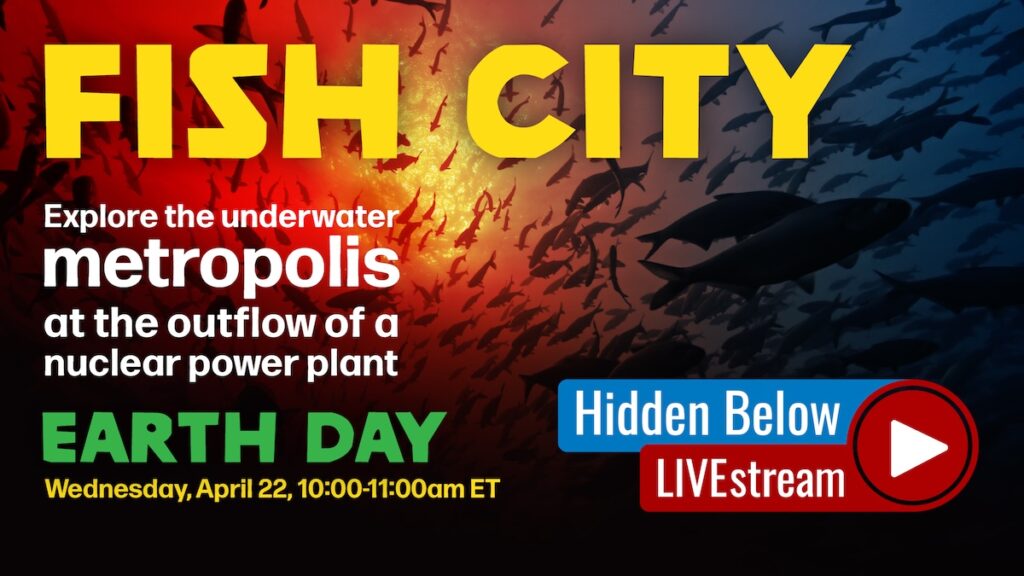
The expedition formed part of Hidden Below: LIVE, which combines underwater robotic imaging with expert commentary and interactive public engagement. The initiative is connected to Hidden Below: The Great Lakes, a wildlife documentary scheduled to premiere in 2028.
Presented by Great Lakes Now/Detroit PBS with support from the project’s partners, the livestream provided audiences with an opportunity to observe scientific fieldwork in an environment previously accessible primarily to experienced divers.
The use of Boxfish Luna enabled real-time underwater documentation of the sinkhole’s microbial communities and the scientific sampling operation, providing a visual record of ongoing research into one of the Great Lakes’ unusual freshwater ecosystems.
Learn more about Boxfish Luna on the Boxfish Robotics website >>