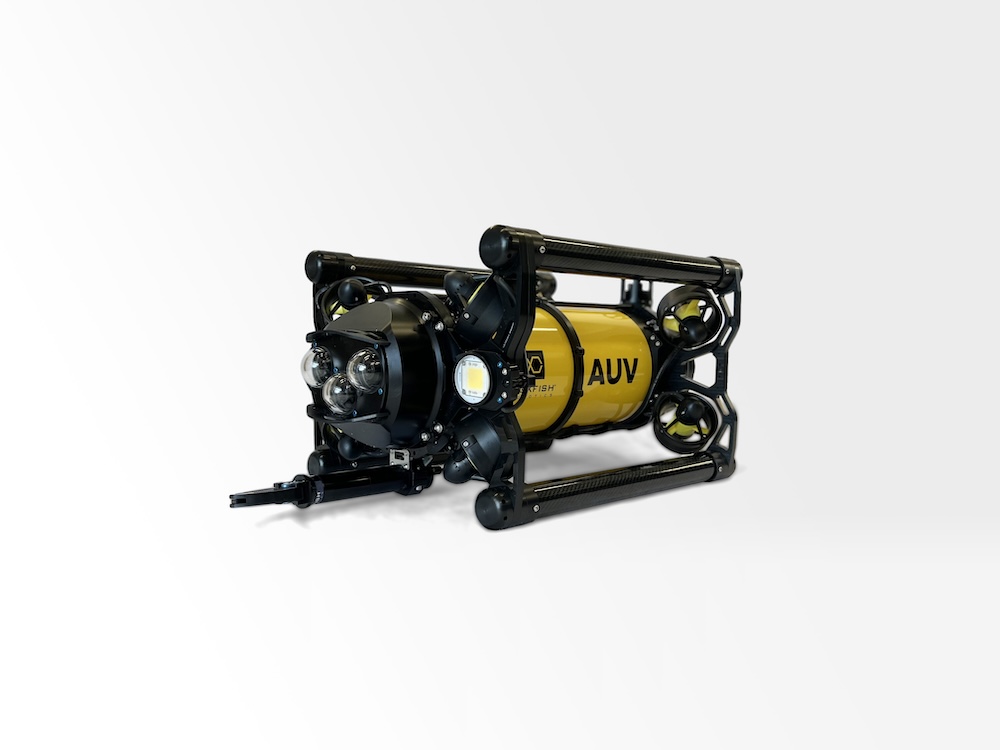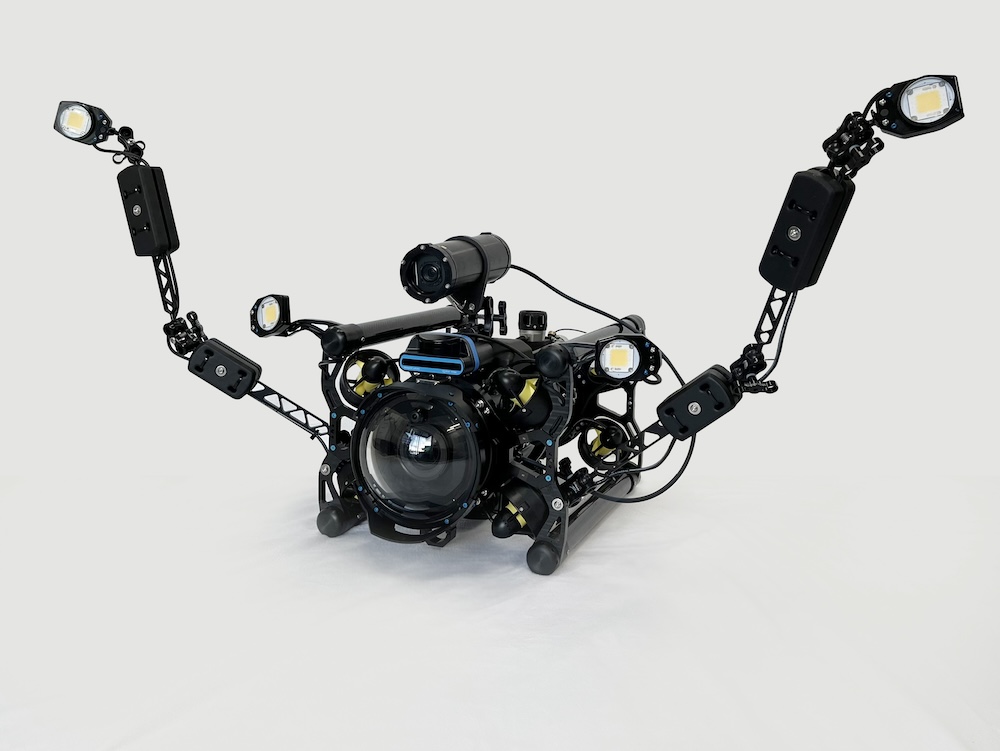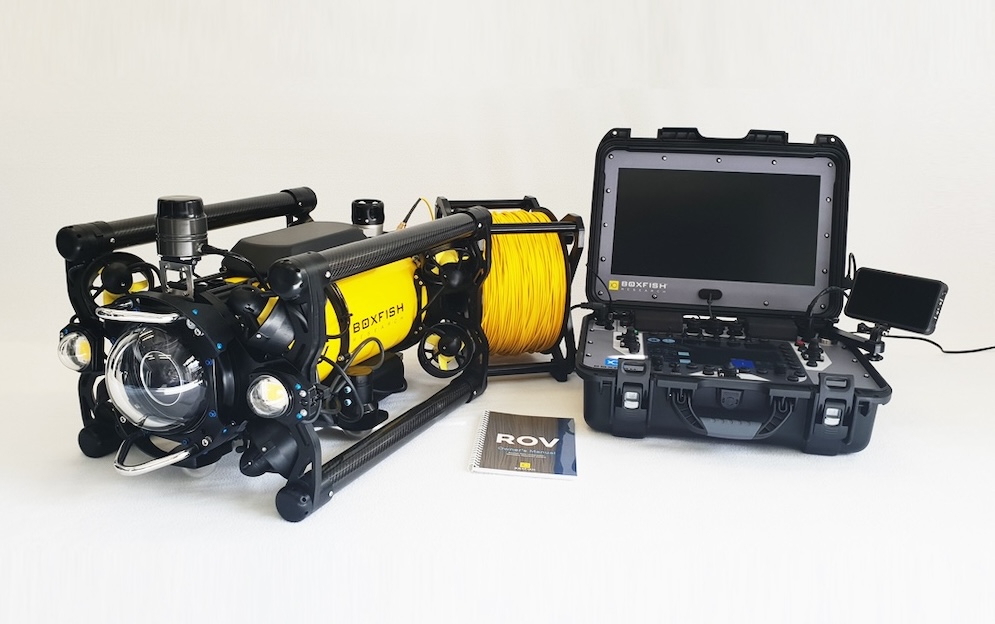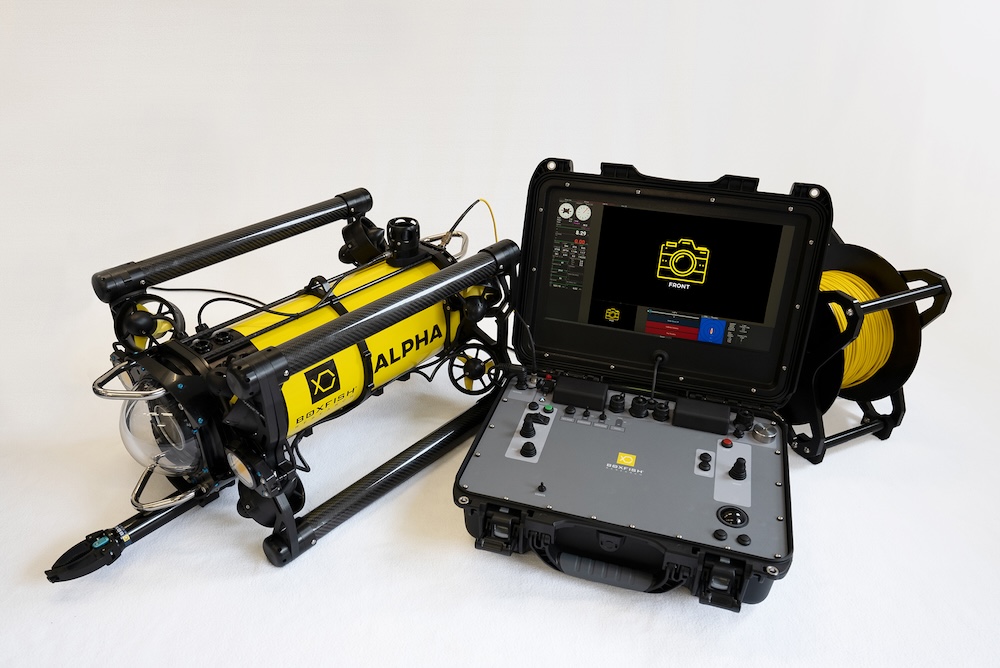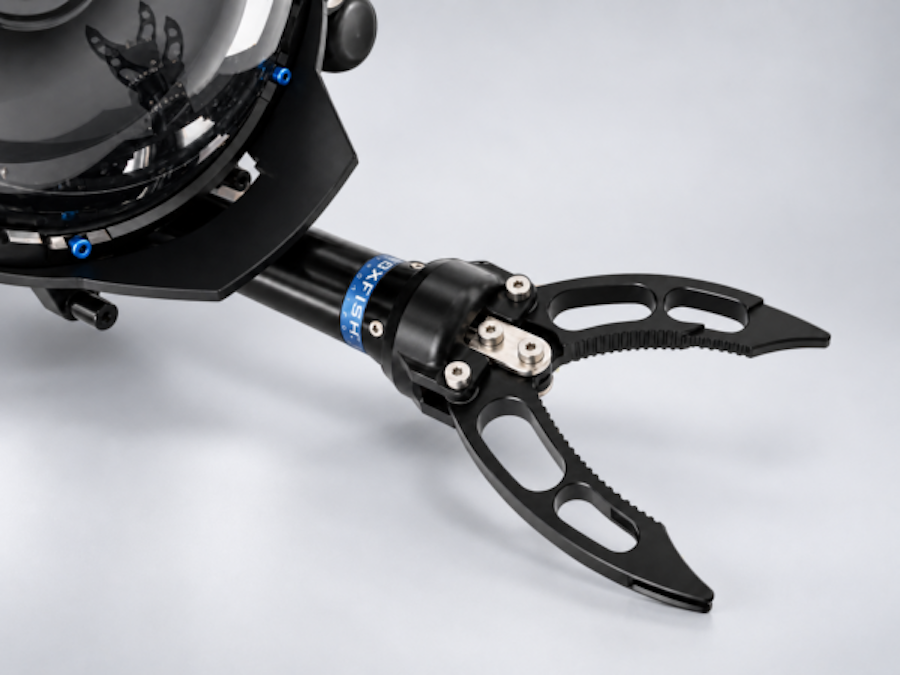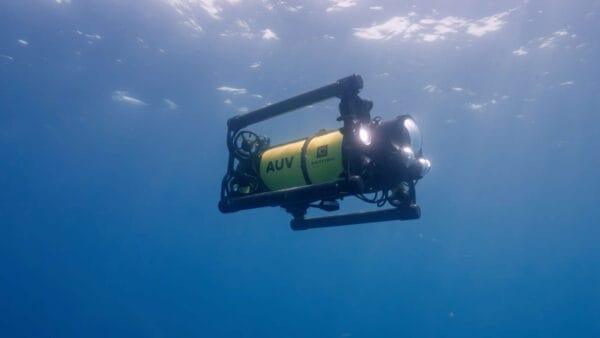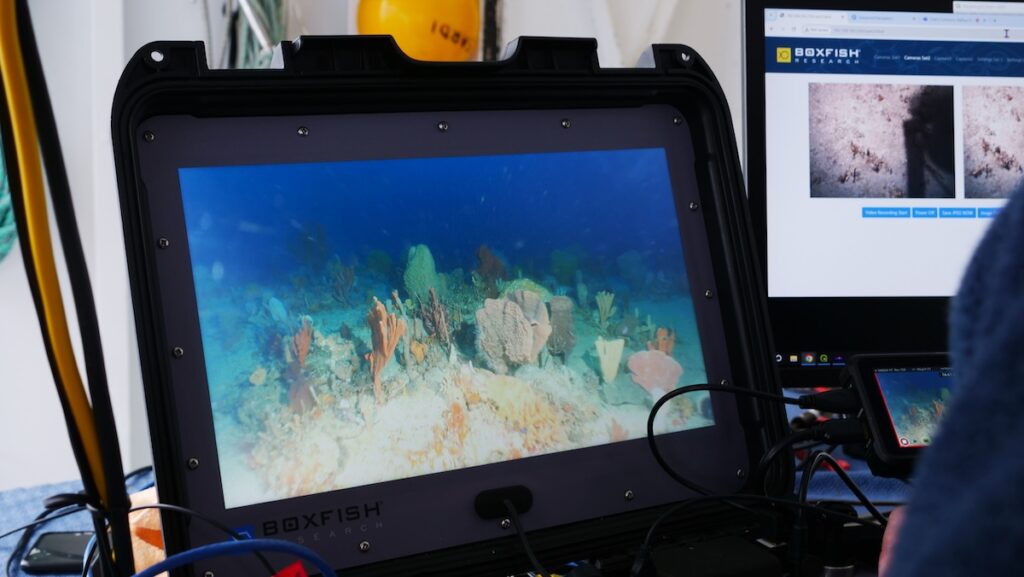


Boxfish Robotics’ Boxfish AUVs are designed to support coral reef researchers in collecting repeatable, high-quality datasets across larger areas and over extended periods.
The autonomous underwater vehicles enable consistent imagery, survey video and environmental data collection across reef habitats, restoration areas, protected sites and artificial structures, helping monitoring programs improve the frequency and consistency of reef observations.
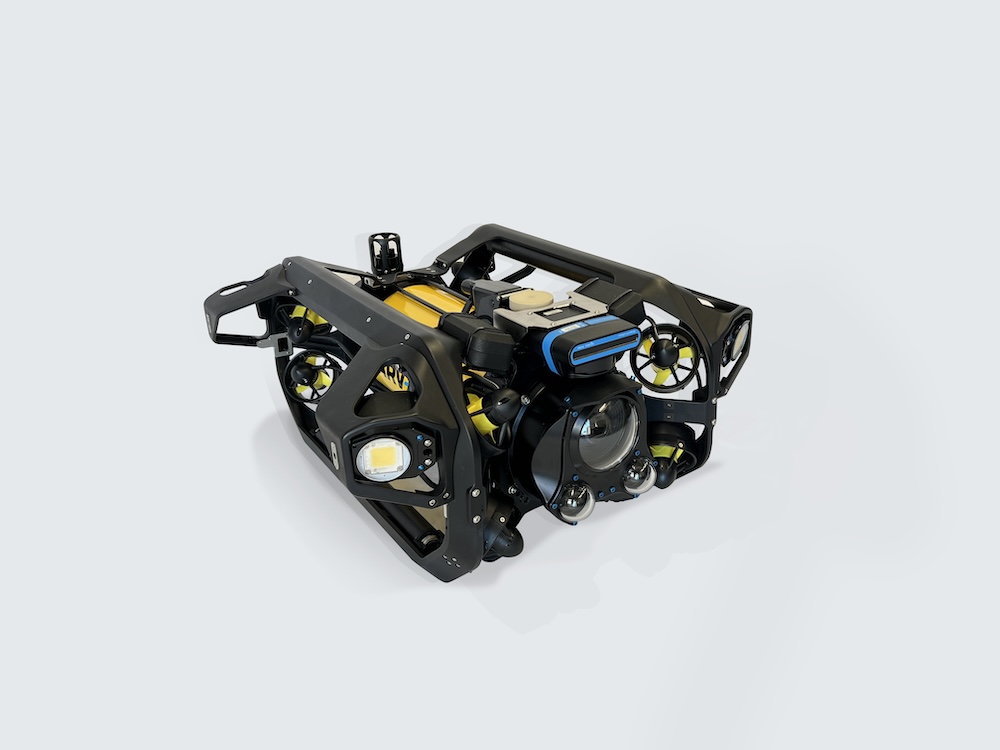
By combining precise navigation, terrain following, hovering capability and obstacle avoidance, the Boxfish AUV is designed to operate safely around complex reef environments while maintaining consistent image quality. The system supports research teams seeking to revisit survey locations, validate habitat maps, assess restoration efforts and develop long-term records of reef condition and environmental change.
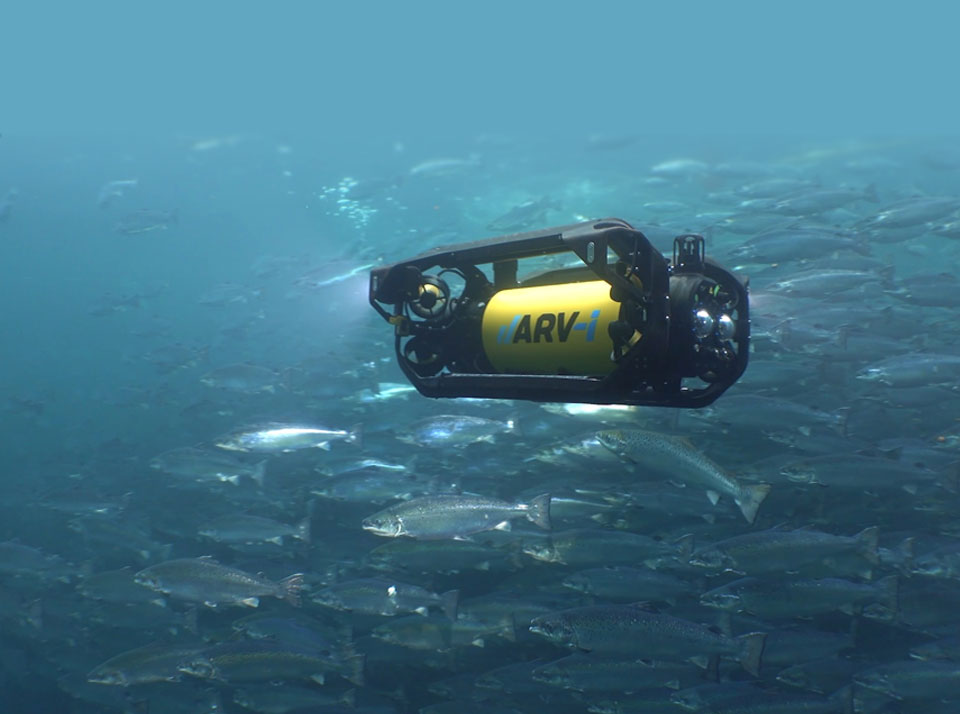
For monitoring programs requiring frequent surveys over extended periods, Boxfish Robotics also provides the resident ARV-i platform. The system is designed for autonomous docking, in-dock charging and data transfer, allowing it to remain deployed in the field and complete scheduled survey missions without requiring vessel mobilization for each operation. This approach can help increase survey frequency, reduce operational demands and support the creation of continuous reef monitoring datasets.
Enabling Repeatable Reef Data Collection
Coral reefs are dynamic environments with complex structures that can change over time. While diver-based surveys remain an important method for reef assessment, operations can be affected by factors including depth limitations, weather conditions, site accessibility, diver availability and the challenge of achieving consistent repeat measurements.
Autonomous underwater vehicles can provide an additional capability for reef monitoring programs by enabling researchers to:
- Collect repeatable transects across the same locations over time
- Reduce dependence on diver hours for recurring survey tasks
- Expand observations across multiple reef areas and monitoring sites
- Capture consistent imagery for photogrammetry and AI-based analysis
- Combine visual observations with environmental sensor measurements
- Support in-water validation of remote and airborne reef mapping
For conservation initiatives, restoration programs, impact assessments and protected-area planning, Boxfish AUVs provide a method for collecting detailed underwater data from priority monitoring locations.
Applications in Coral Reef Research
The Boxfish AUV can support a range of coral reef survey and monitoring activities, including:
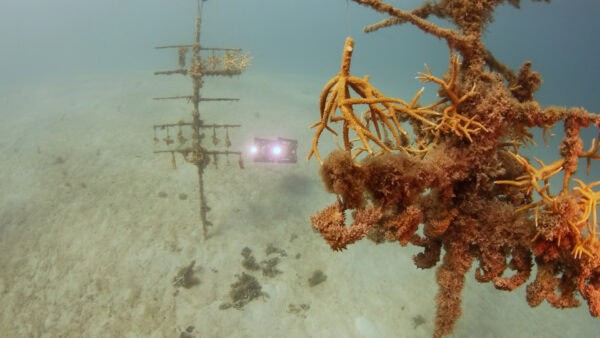
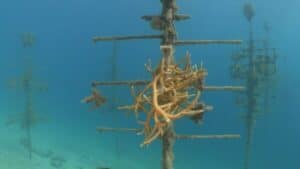
Coral nursery monitoring
Close-range imagery can be collected around nursery structures to document coral growth, survival and condition.
Benthic habitat imaging
Overlapping still images can be gathered across reef terrain to support 3D modelling, habitat mapping and structural complexity assessments.
Artificial reef inspection
The system can survey complex artificial reef structures from multiple angles to monitor colonization, stability and ecological use.
Fish transects, environmental monitoring, restoration assessment and protected-area validation
Autonomous surveys can contribute additional observations for programs evaluating ecosystem health and changes in reef environments.
Consistent Survey Performance in Complex Reef Environments
Reef environments often include uneven terrain, steep slopes, coral nursery structures and artificial formations that require accurate navigation and controlled vehicle movement. The Boxfish AUV combines navigation accuracy, hovering capability and obstacle avoidance to support safe operation around these areas while maintaining consistent data collection.
Boxfish mission planning enables waypoint-based missions, grid patterns and transects, with configurable parameters including vehicle pitch, speed, lighting, distance from objects, depth and altitude. These controls allow researchers to adjust survey methods based on project requirements and underwater conditions.
High-quality imagery is a key component of reef monitoring workflows. The Boxfish AUV supports RAW image capture to preserve image detail for photogrammetry, habitat mapping and scientific analysis. Adjustable camera settings and mission planning options allow survey geometry, viewing angles and image overlap to be optimized for different applications.
When operated at low altitude, the system can capture imagery with sub-millimeter resolution, supporting detailed evaluations of coral condition, growth patterns and reef structural complexity.
Combining Visual Data with Environmental Measurements
The ability to integrate environmental sensors allows Boxfish AUV solutions to support combined visual and environmental data collection. This capability can help research teams gather multiple data types during the same survey mission, supporting applications including photogrammetry, fish census surveys, environmental monitoring and high-quality underwater video collection.
By bringing together imagery, sensor data and autonomous survey capabilities, the platform can support more comprehensive approaches to understanding reef ecosystems.
Supporting Robotics, 3D Mapping and AI-Based Analysis
Marine monitoring is increasingly incorporating robotics, three-dimensional mapping and AI-assisted analysis methods. The Boxfish AUV Research Kit provides an open platform for custom development through API access, supporting the creation of mission-specific behaviors, species recognition applications, AI workflows and additional autonomy capabilities.
This flexibility enables reef monitoring programs to expand beyond conventional data collection methods and develop new approaches for observing, analyzing and managing coral reef environments.