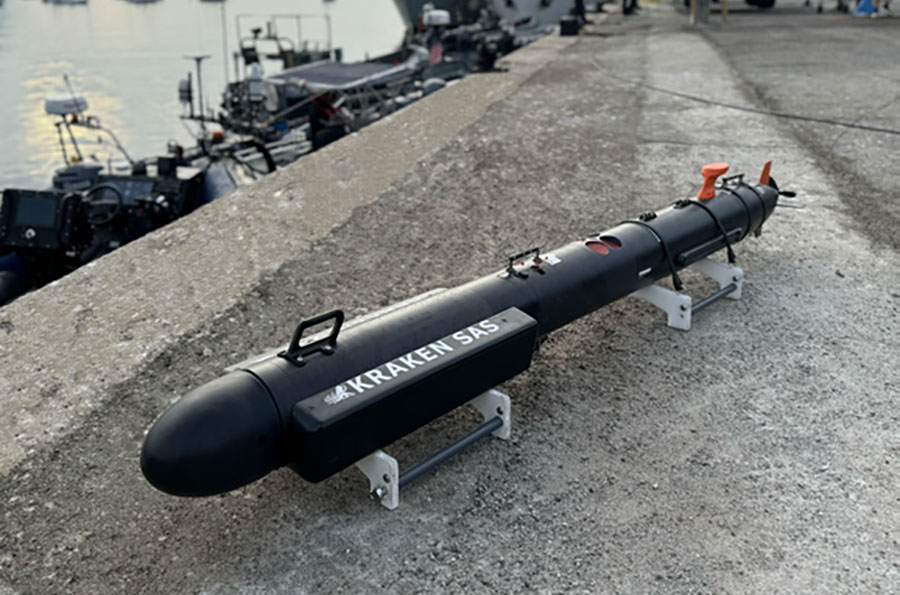

Kraken Robotics has announced $35 million in new product orders covering subsea technologies for maritime defense, offshore energy, and ocean science, including navigation and positioning systems, multi-aperture sonar, monitoring systems, and Synthetic Aperture Sonar (SAS).
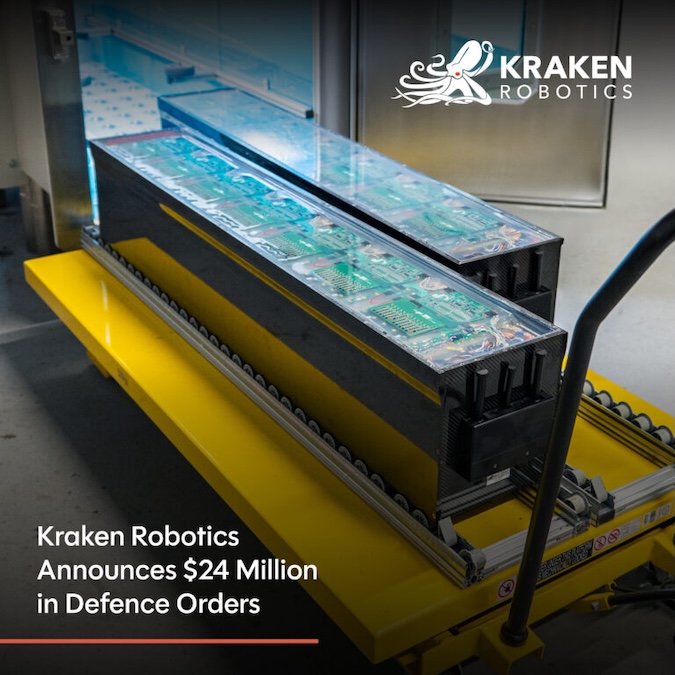
The latest orders take the combined value of product orders announced by Kraken and Covelya Group Limited in 2026 to $327 million. The company said demand has been driven primarily by Kraken’s growing customer base for SeaPower subsea batteries and SAS technology, alongside demand for Covelya’s navigation and positioning equipment and advanced sonar systems.
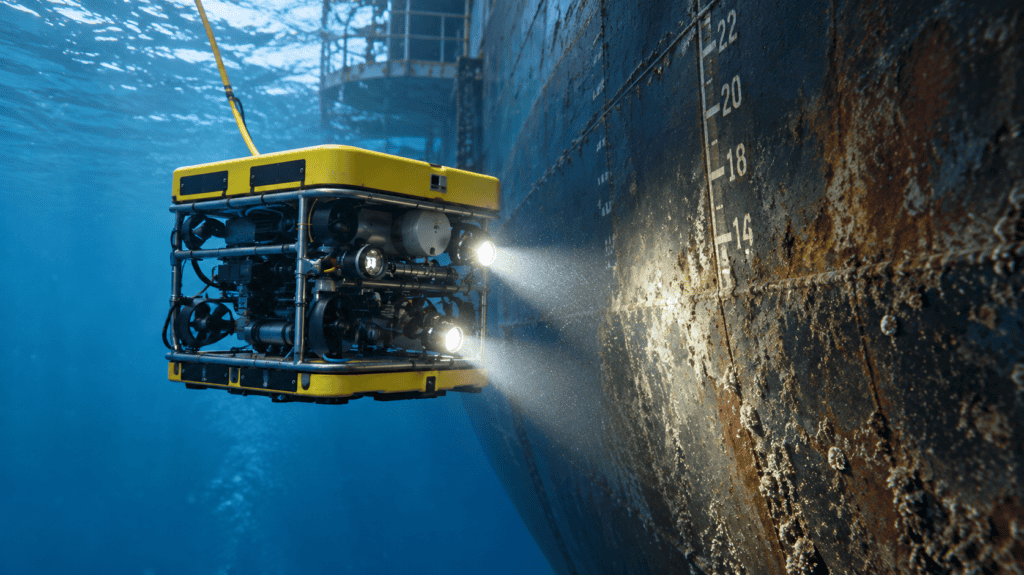
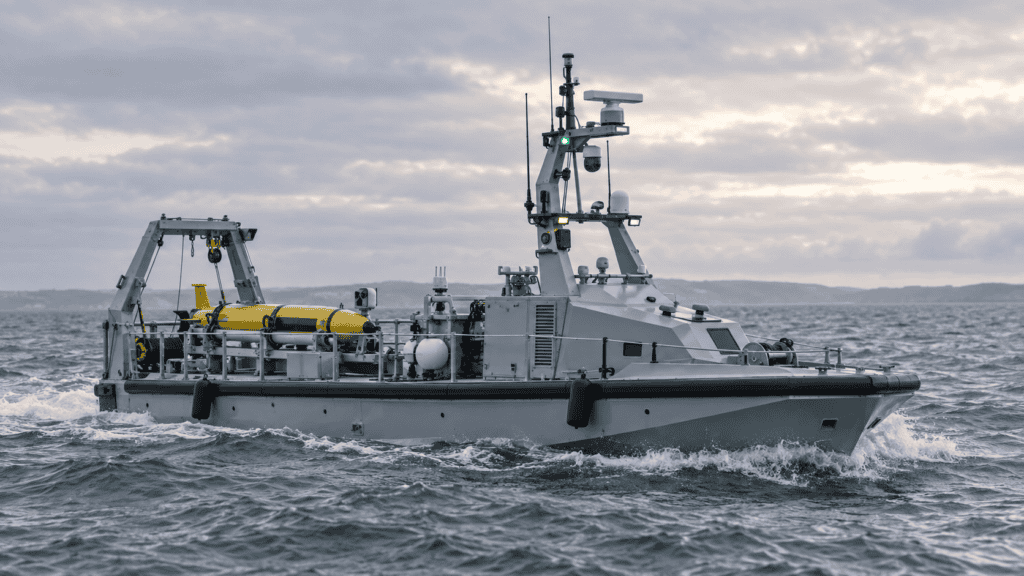
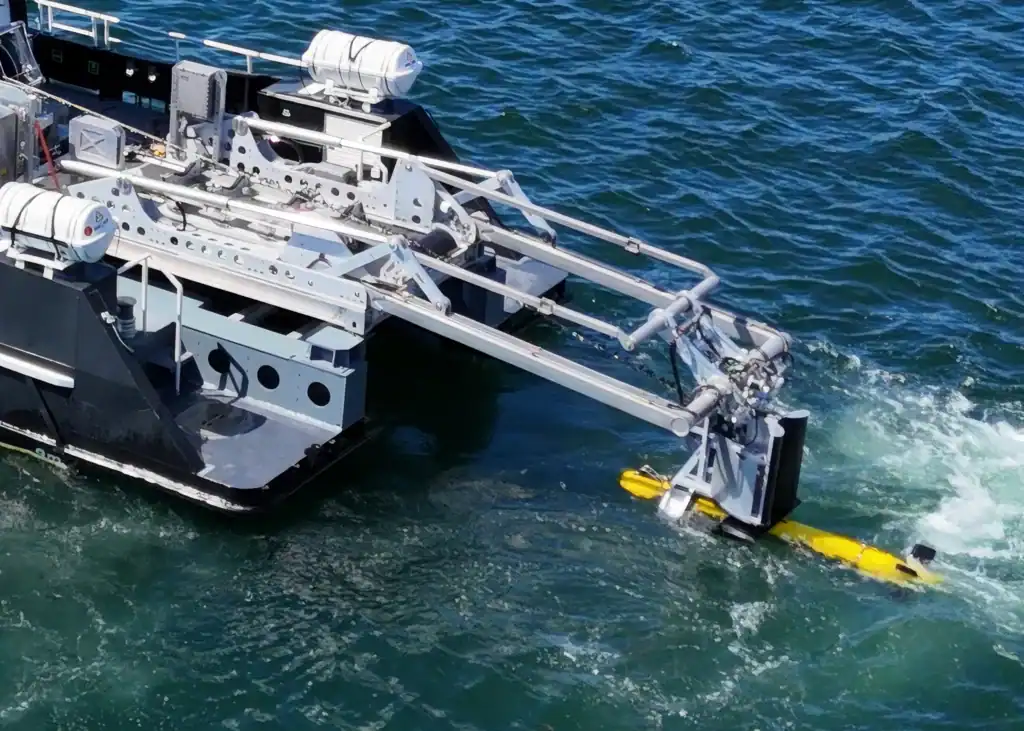
Greg Reid, CEO of Kraken Robotics, commented, “Our product portfolio forms the backbone of a wide range of platforms used across both defence and commercial applications and we expect it to represent over 75% of consolidated revenue in 2026. These include crewed platforms such as ships and submarines, as well as uncrewed systems including autonomous underwater vehicles (AUVs), uncrewed surface vessels (USVs) and remotely operated vehicles (ROVs). Beyond vessel-based applications, our dual-use technologies are also deployed in unattended seafloor sensors.”
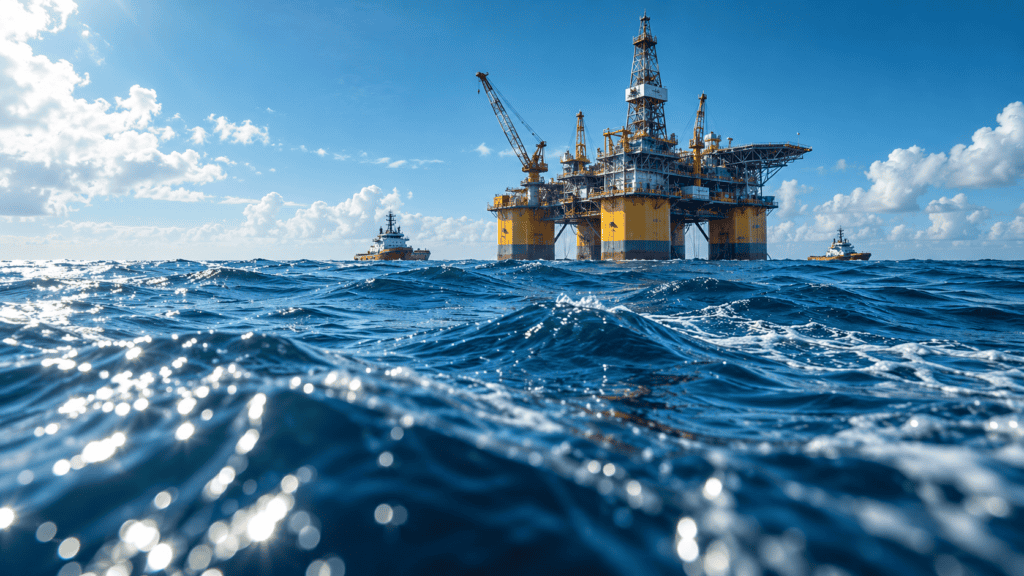
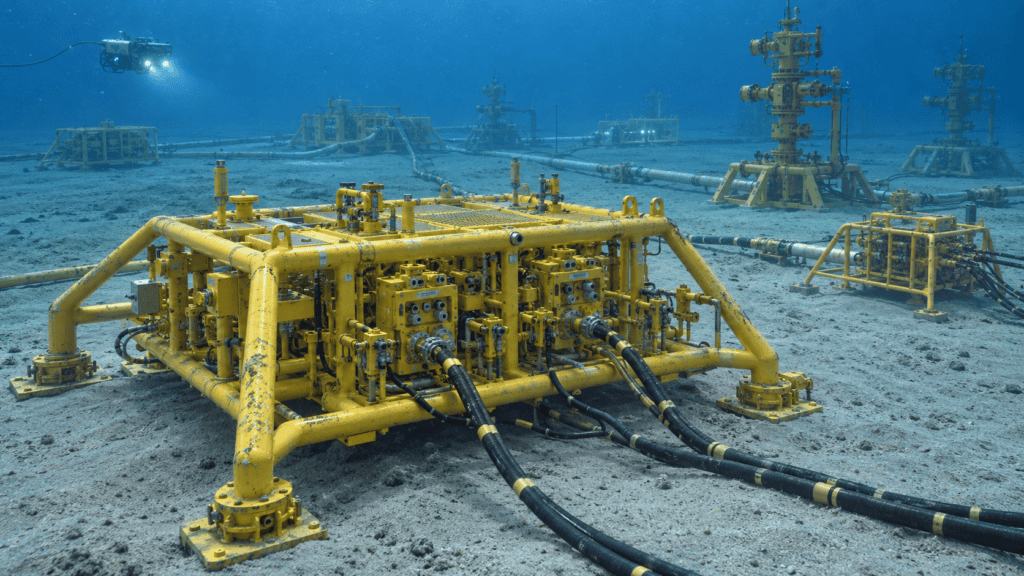
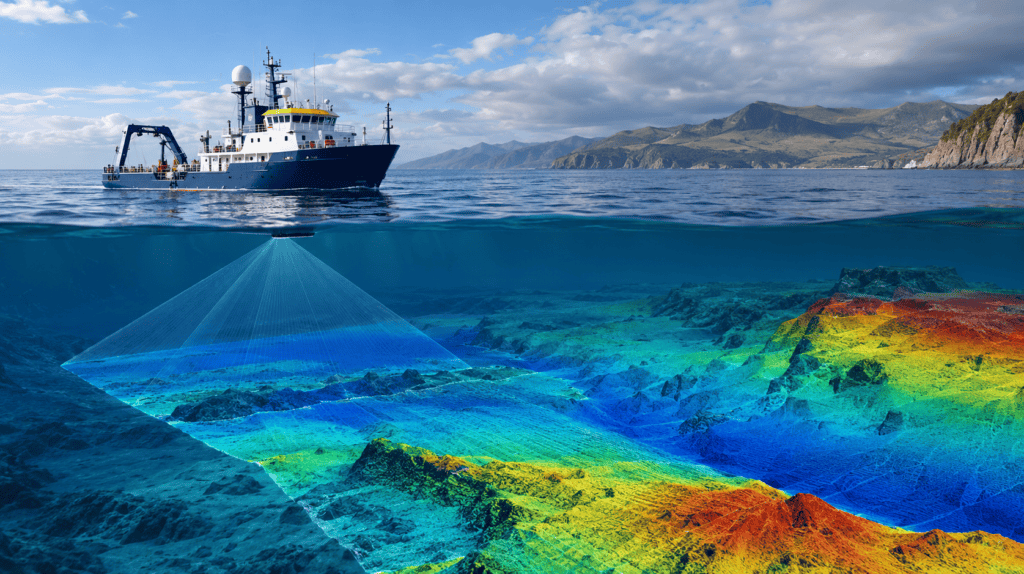
Across the offshore energy market, the combined portfolio supports activities from initial discovery and surveying through construction, installation, inspection, repair and maintenance, monitoring, and decommissioning. Technologies include sonar, optical imaging, navigation, long baseline and ultra-short baseline positioning, communications and monitoring systems, as well as data acquisition and processing software.
Sonardyne is also progressing On Demand Ocean Bottom Node technology for 4D seismic data acquisition in Brazil. Developed in collaboration with major oil and gas producers since 2018, the technology uses autonomous systems and subsea communications to support more frequent, on-demand seismic surveys.
Qualification for commercial use began with a deployment at the Petrobras-operated Mero field in early 2026, with full commercial production expected in 2027. The nodes incorporate Sonardyne wireless optical and acoustic communications technology and transmit seismic information to ROVs or AUVs for data collection. A full-scale offshore field deployment is estimated to require hundreds or potentially thousands of nodes.
The company is also scheduled to begin environmental baseline monitoring during summer 2026 for the Northern Endurance Partnership at the U.K.’s first offshore carbon capture and storage site.
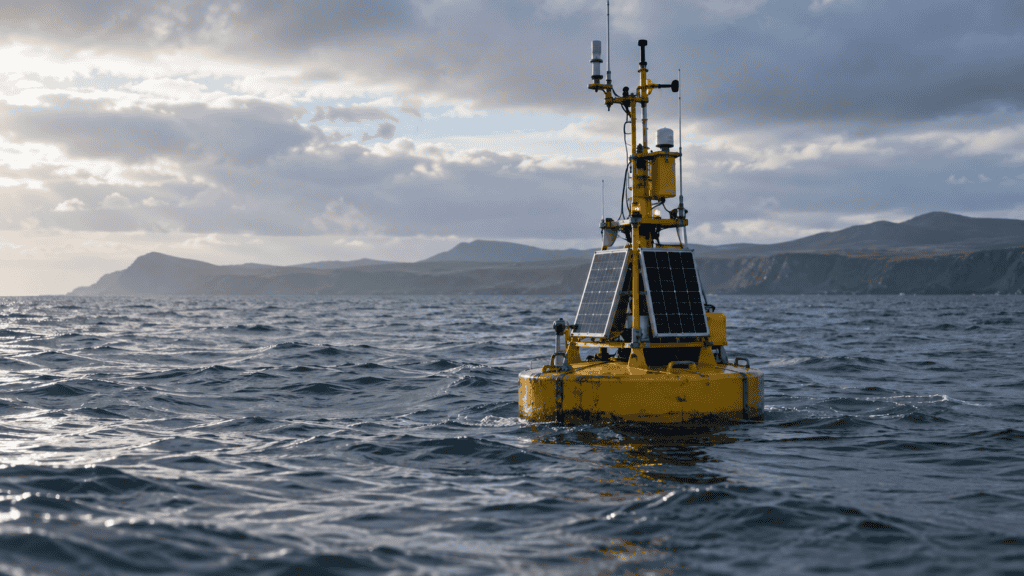
Autonomous seabed monitoring landers positioned above and around the Endurance storage site will combine Sonardyne Acoustic Doppler Current Profiler technology with environmental sensing and passive seismic monitoring. Sonardyne underwater communications, data processing and power management technologies will enable information to be collected and processed remotely and delivered to the Northern Endurance Partnership on demand.
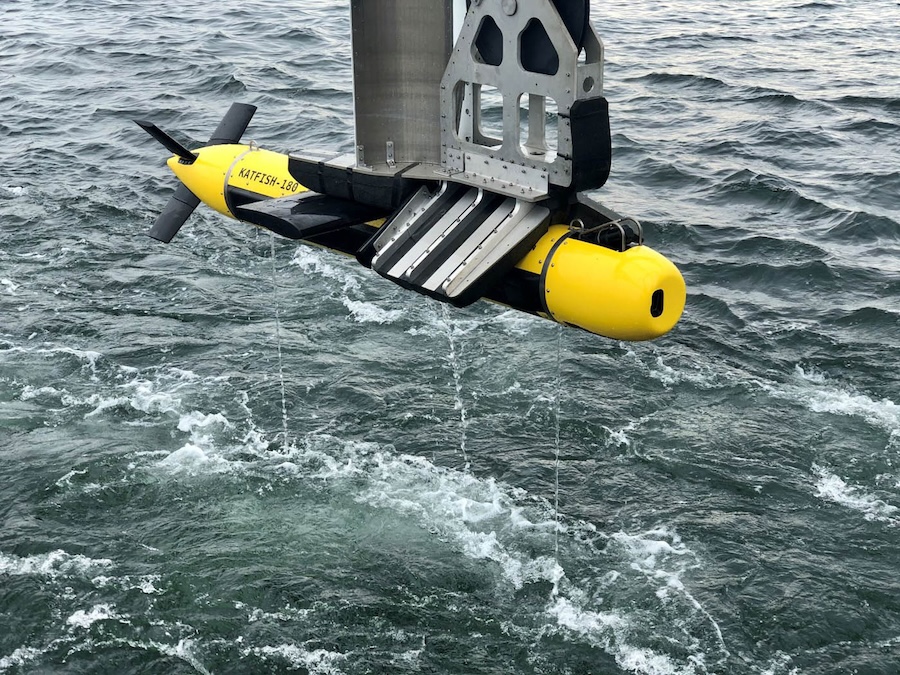
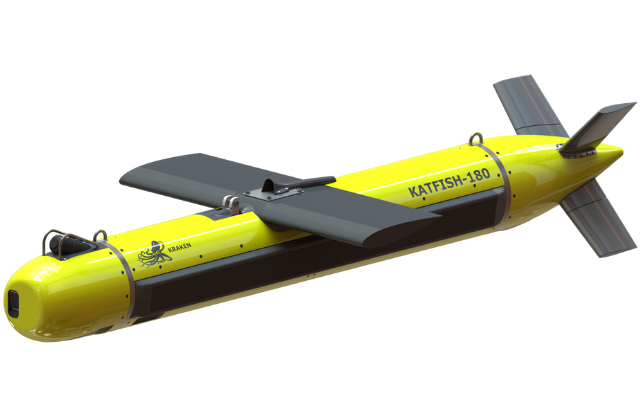
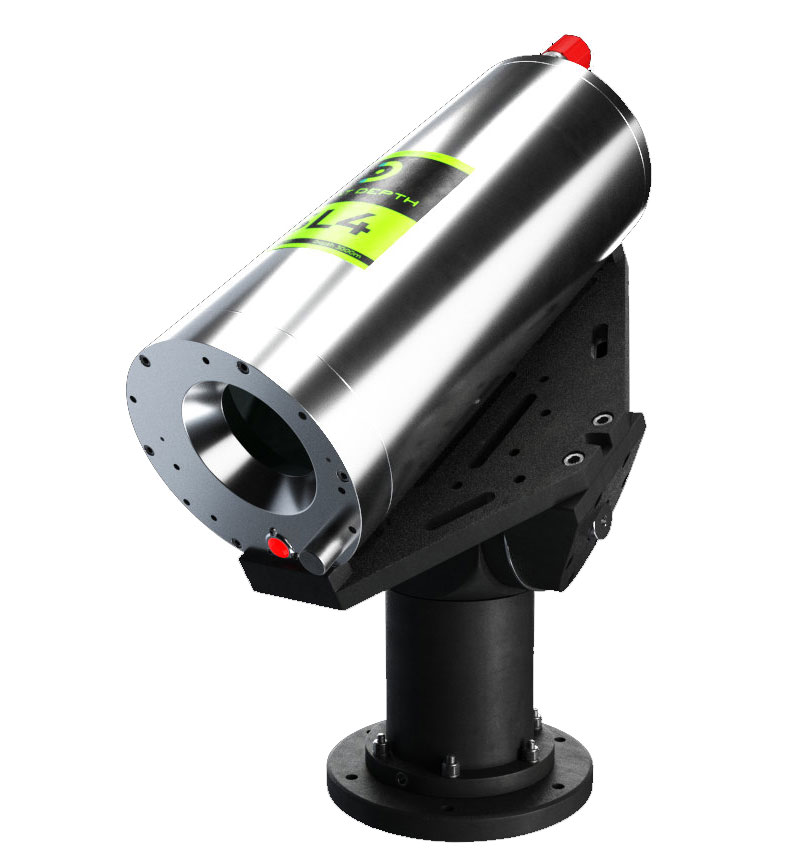
In maritime defense, Kraken highlighted activity across Sentinel Intruder Detection Sonar systems, KATFISH remotely operated towed vehicles, SAS and multi-aperture sonar, SeaPower subsea batteries, Sonardyne SPRINT-Nav navigation and positioning systems, Vigilant forward-looking sonar, and optical imaging payloads.
These technologies support applications including port and harbour security, mine countermeasures, ISR, support for anti-submarine operations, collision avoidance, and target identification.