

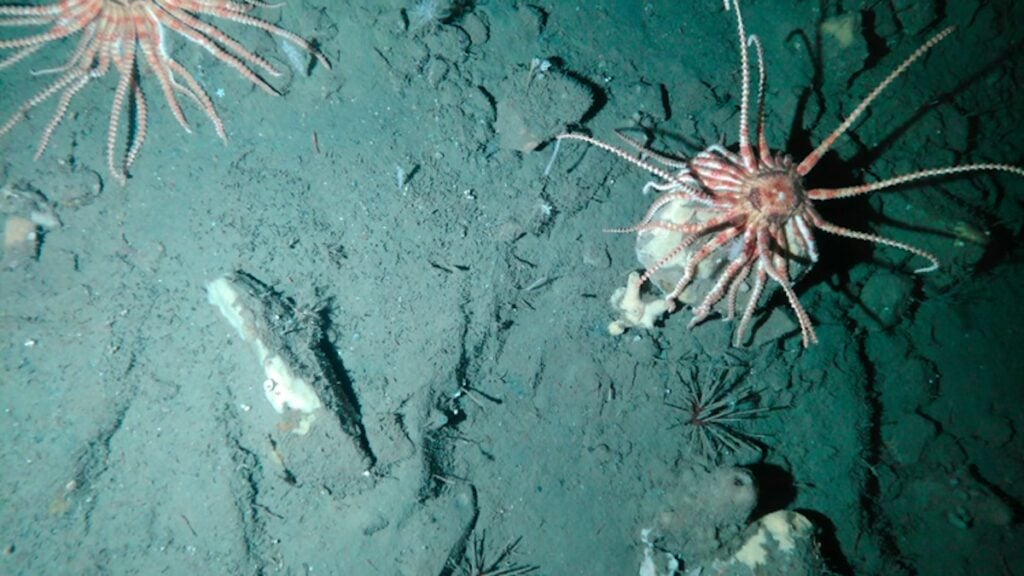
SubC Imaging‘s custom Drop Camera System supported 36 deep-sea camera deployments across the Antarctic Peninsula and South Georgia Island, enabling researchers to collect 62 hours of 4K footage documenting marine life and benthic habitats.
The research included the first published video observations of anchor and chain damage to Antarctic seafloor habitats.
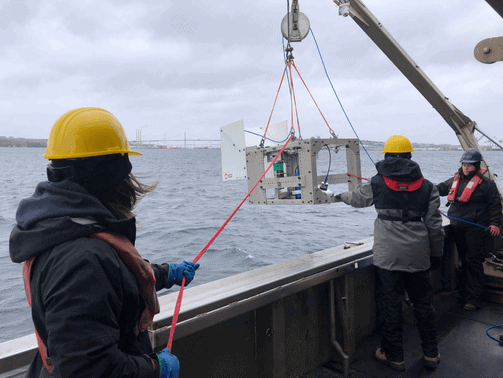
The project, conducted by KOLOSSAL and the Centre for Fisheries Ecosystems Research (CFER) at Memorial University’s Fisheries and Marine Institute, used the MV Ocean Endeavour tourism vessel to conduct underwater surveys without chartering a dedicated research ship.
Deploying Underwater Cameras from a Tourism Vessel
 The research aimed to capture the first footage of a colossal squid in its natural habitat while documenting Antarctic marine organisms and benthic ecosystems.
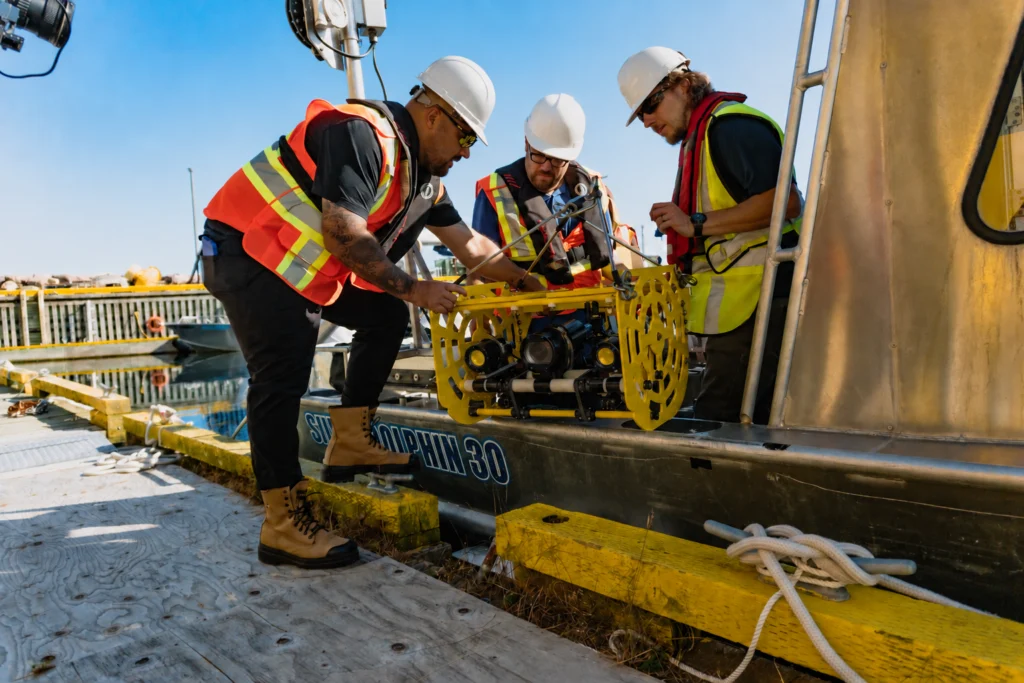
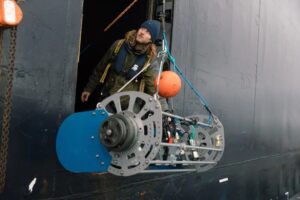
Operating from a tourism vessel presented several constraints. Researchers had approximately 3 m x 3 m of working space and needed to deploy equipment through the ship’s pilot door. Survey opportunities were influenced by weather, vessel operations, guest activities, and the existing itinerary.
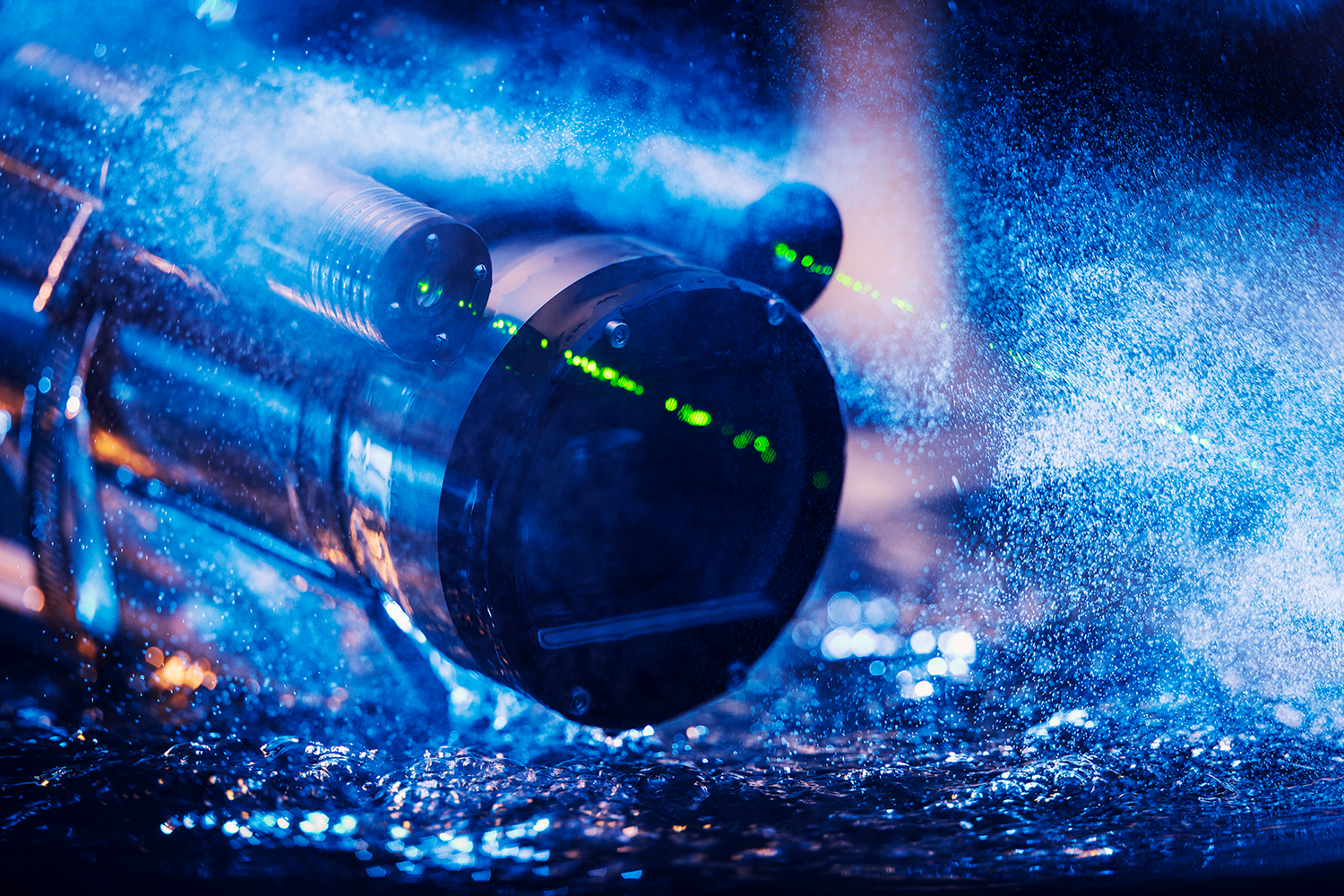
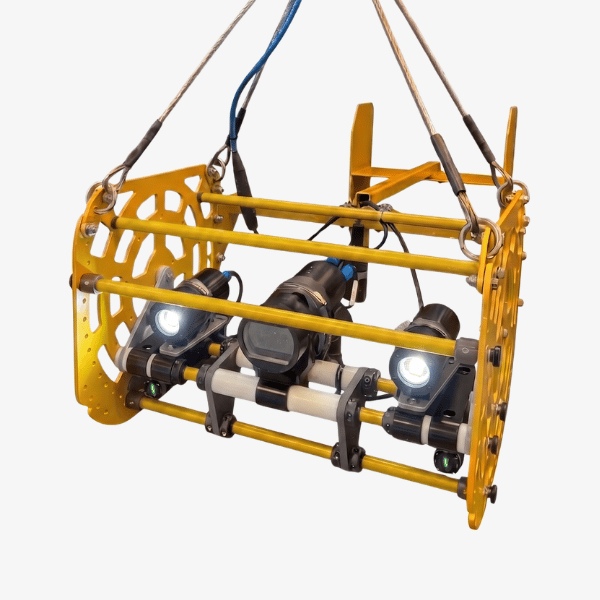
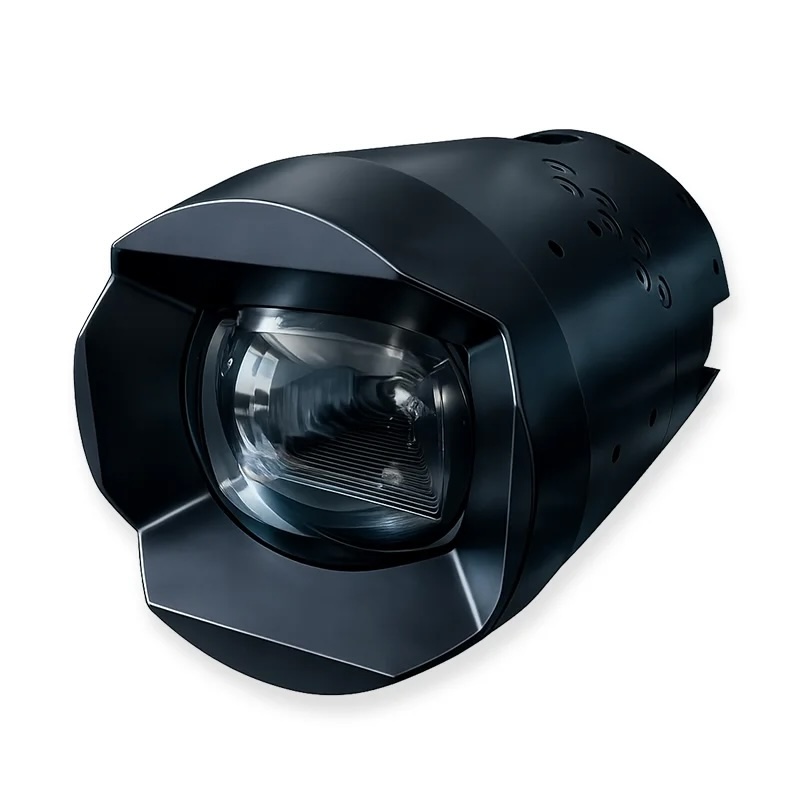
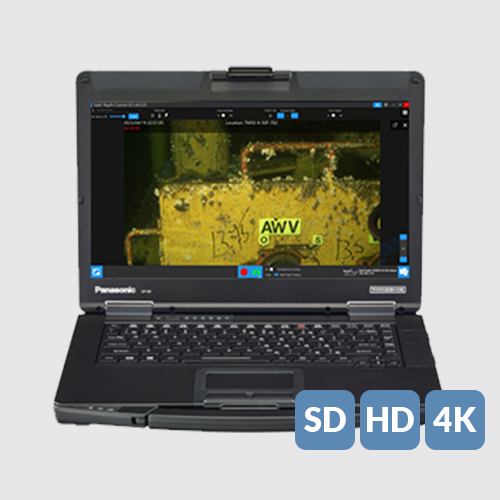
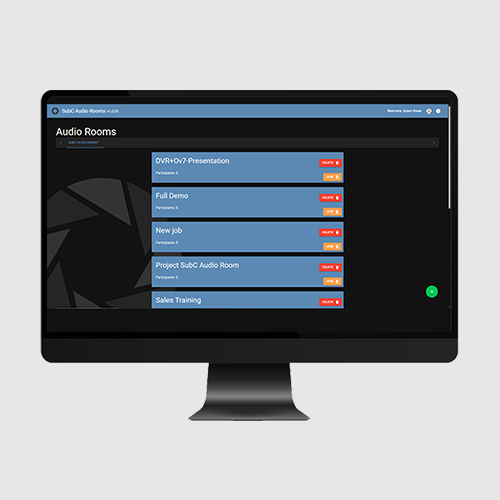
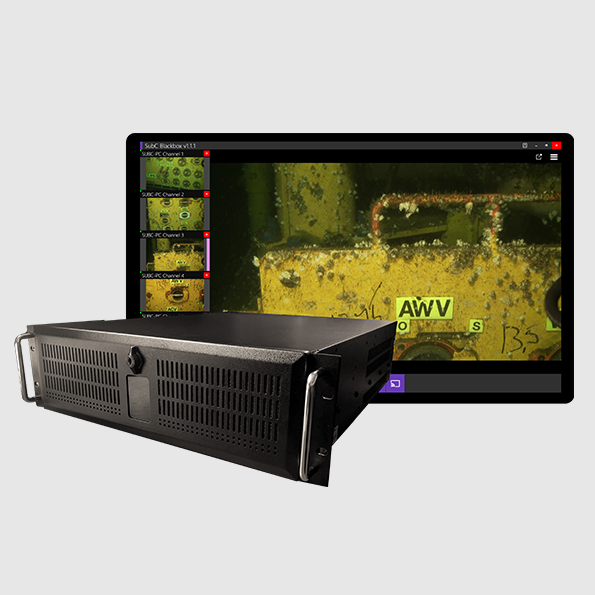
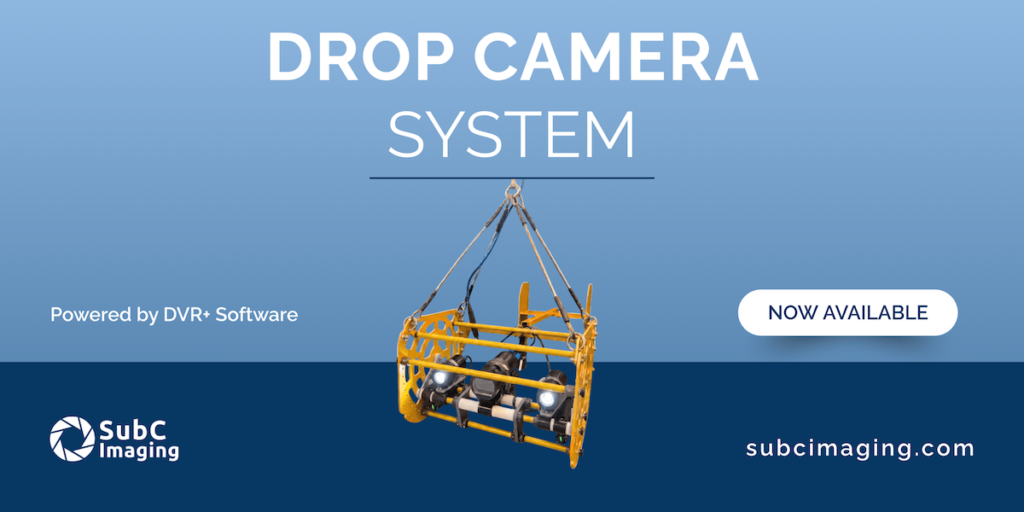
SubC Imaging designed and supplied a custom Drop Camera System integrating Rayfin 4K cameras, Aquorea lights, deployment hardware, and a live topside video feed with DVR+.
The compact configuration allowed researchers to deploy and recover the equipment, record imagery throughout the water column and near the seabed, monitor deployments using live video, and review observations aboard the vessel.
Documenting Antarctic Marine Life
Across four expeditions and 58 days at sea, researchers completed 36 deployments at 36 locations, collecting 62 hours of underwater footage.
The recordings documented Antarctic sun stars, crinoids, sea spiders, dragonfish, Antarctic scallops, giant volcano sponges, and other benthic organisms.
The footage may also include the first recorded images of a juvenile colossal squid. However, the animal was too distant from the camera for definitive identification, and the sighting remains unconfirmed.
Identifying Seafloor Damage at Yankee Harbour
At Yankee Harbour, Rayfin imagery documented grooves and striations consistent with anchor-chain movement, displaced and deposited sediment, crushed and smothered sponge colonies, and reduced benthic biomass within disturbed areas.
Undisturbed marine communities were also observed adjacent to the affected areas.
Researchers combined the footage with field observations and vessel-tracking data to investigate the likely cause of the disturbance. The findings were published in Frontiers in Conservation Science in 2025, providing the first published video observations of anchor and chain damage to Antarctic seafloor habitats.
Expanding Antarctic Research Opportunities
A 2024 paper published in PLOS Climate examined the use of tourism vessels as scientific research platforms. The authors reported that donated vessel berths and camera equipment helped reduce estimated project expenses to approximately one-fiftieth of the estimated cost of an independent research cruise.
The project demonstrated how collaboration among tourism, technology, academic, and nonprofit partners could expand access to Antarctic research.
Using SubC Imaging’s underwater camera system aboard an existing tourism vessel, researchers collected visual data that supported two peer-reviewed publications examining tourism vessels as Antarctic research platforms and anchor and chain damage to seafloor habitats.
Learn more about how SubC Imaging technology supported 36 Antarctic camera deployments.