

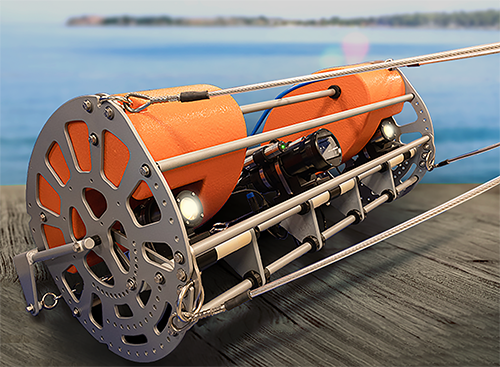
Seafloor imaging systems require careful integration of cameras, communications, power delivery, and deployment equipment to support consistent underwater surveys. SubC Imaging has addressed these requirements through its Tow Camera System, a complete platform developed through multiple prototype iterations and field testing to reduce the engineering and maintenance demands associated with custom-built survey equipment.
The system combines high-resolution imaging, sensor data logging, and live HD video transmission with a single-cable architecture. Originally developed for benthic monitoring, it has since been used in applications ranging from fisheries research and marine conservation to archaeological surveys and search and rescue.
Developing a Complete Tow Camera System for Marine Research
Developing a custom underwater tow camera system can require substantial time and technical resources. Research teams must source compatible components, integrate imaging and communications equipment, conduct trials, and maintain the resulting configuration throughout its operational life.
SubC Imaging invested two years in developing its Tow Camera System, producing three prototypes during the development process. The company also reports that prototype development and testing extended over a three-year period before the system reached customers.
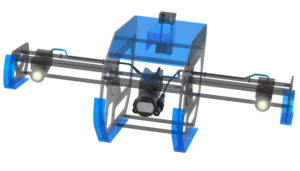
The development process included collaboration with the Fisheries and Marine Institute and Canada’s Department of Fisheries and Oceans, alongside consideration of published research into seafloor survey methods.
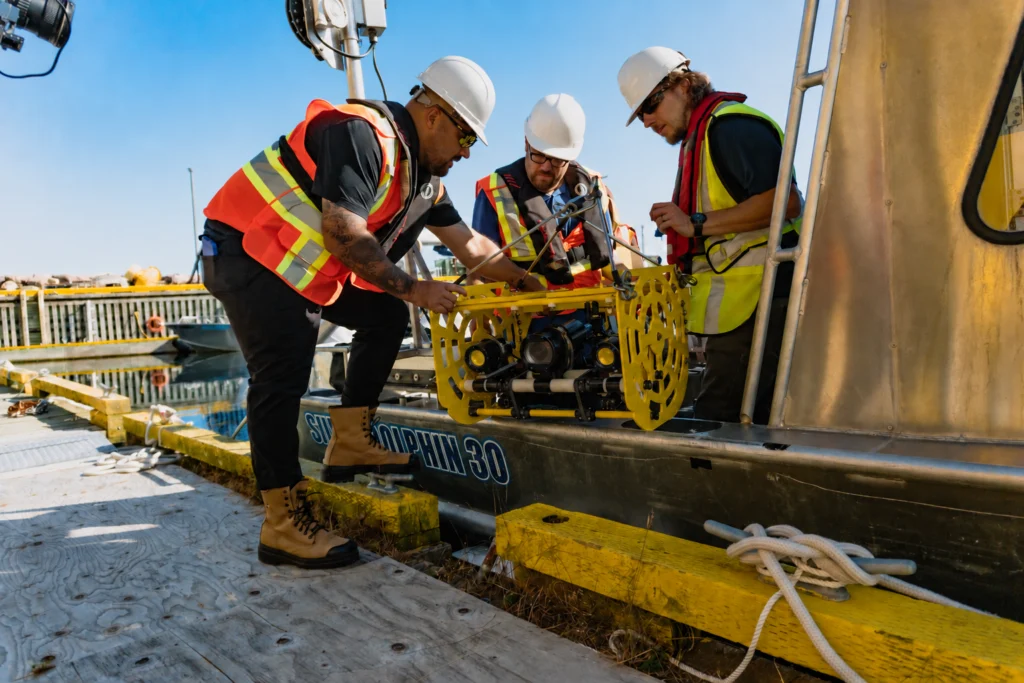
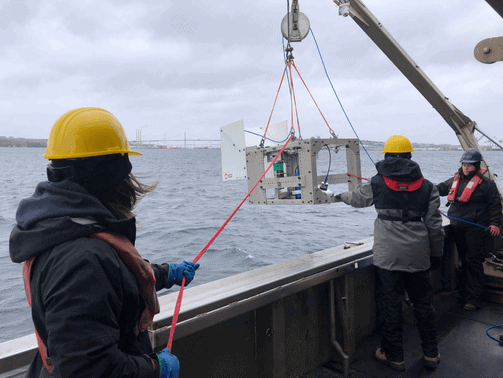
Subsequent sea trials demonstrated the system’s ability to operate from smaller vessels, supporting its application in marine research programs that use these platforms.
By providing an integrated system rather than individual components requiring separate assembly, the Tow Camera System reduces the need for research organizations to undertake their own system development and troubleshooting.
Each system also includes two hours of design and integration support from SubC Imaging’s engineering team, helping operators incorporate the equipment into their survey operations without additional charges for that initial support.
Integrated Imaging, Sensors, and Deployment Equipment
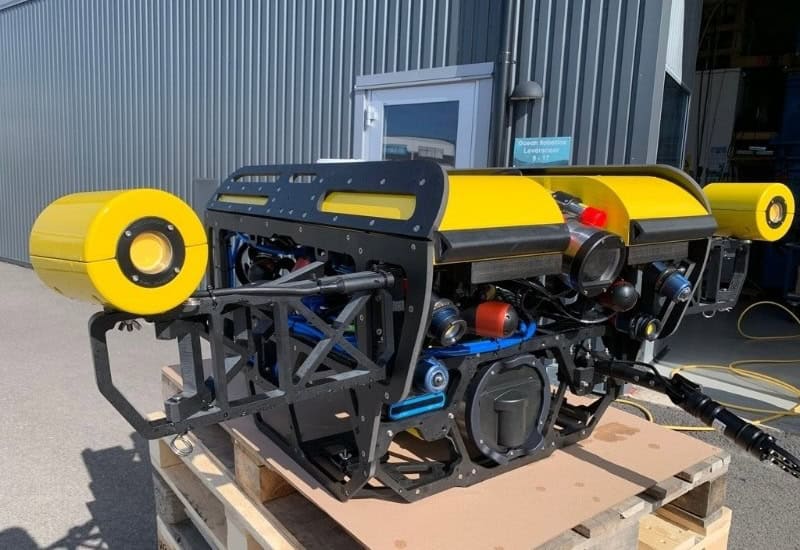
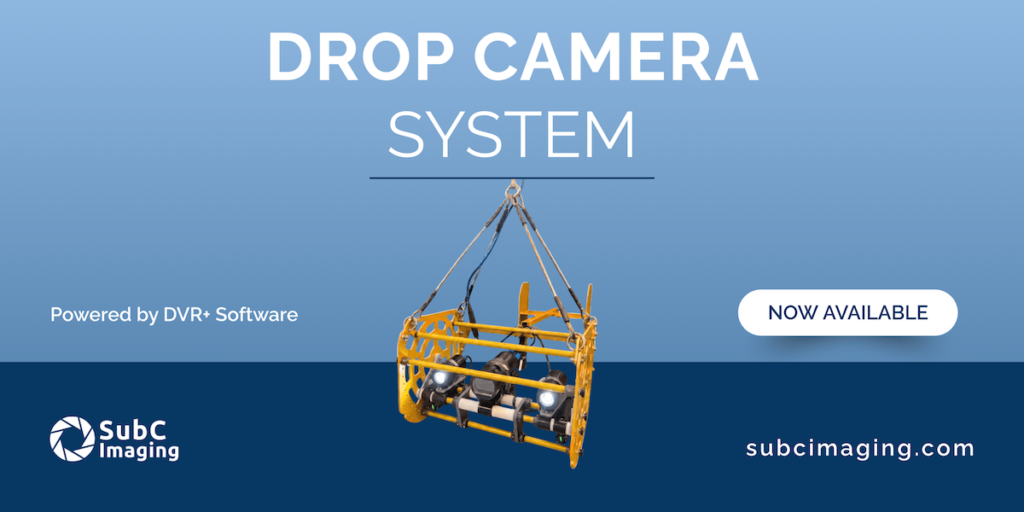
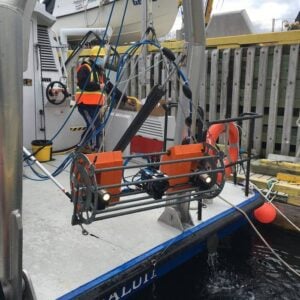
The Tow Camera System incorporates the equipment required for underwater transect imaging within a complete deployment package.
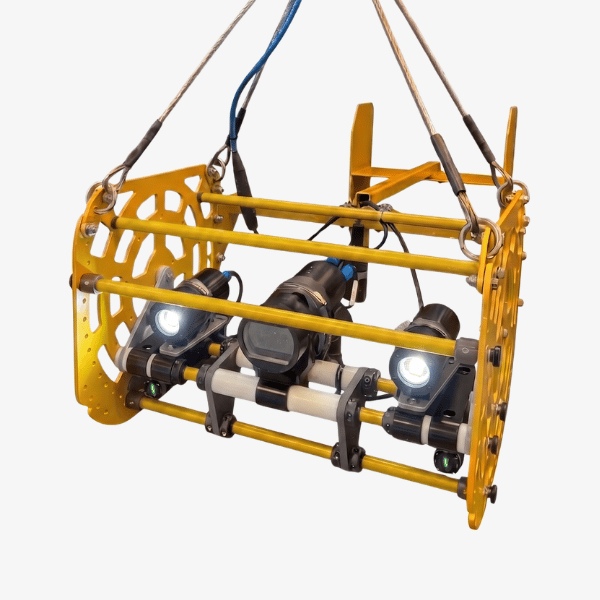
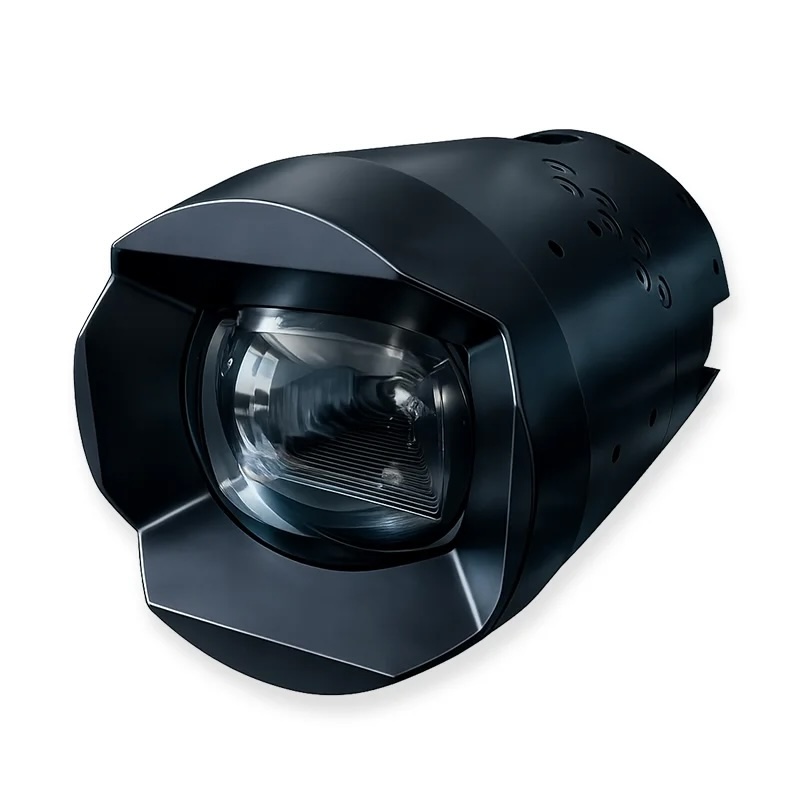
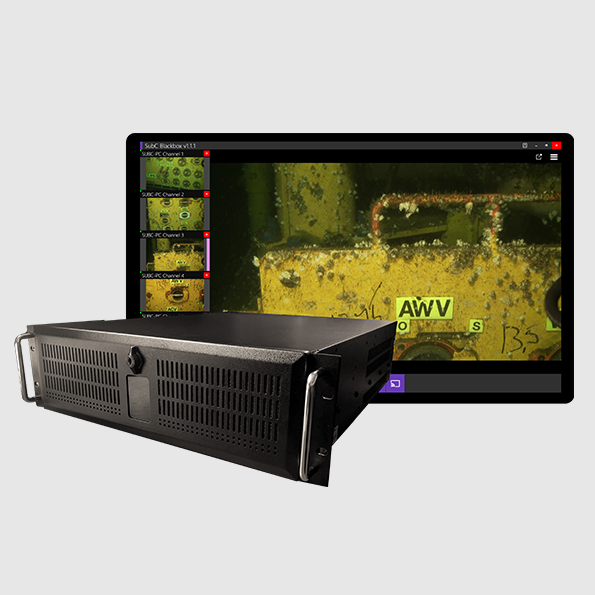
Its principal components include a rugged frame constructed for harsh ocean conditions, up to 410 meters of Kevlar data cable, and SubC Imaging’s Rayfin camera.
The system supports more than 40 hours of recording and the collection of thousands of high-resolution still images during a deployment. The Rayfin camera itself is capable of recording more than 80 hours of video alongside thousands of high-resolution stills.
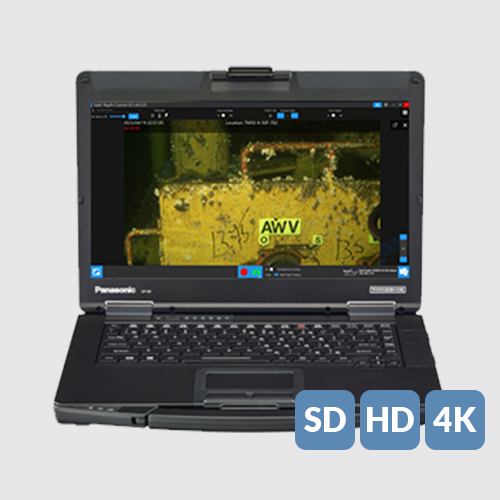
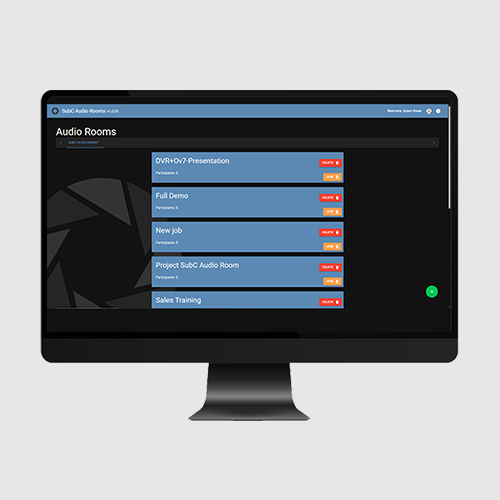
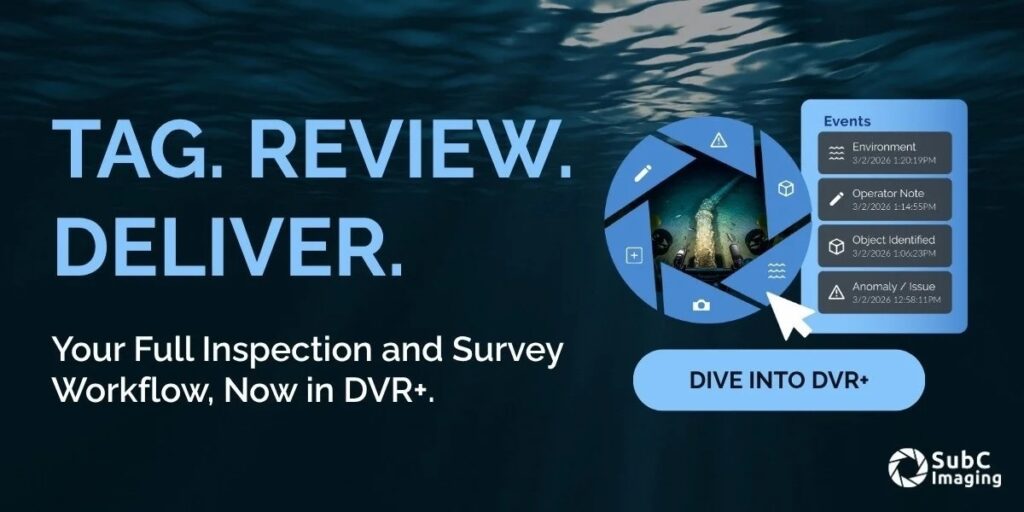
DVR+ software provides access to a real-time video feed and includes free ongoing software updates. Integrated sensor logging records GPS, altitude, tilt, and roll data, providing additional information alongside the collected imagery.
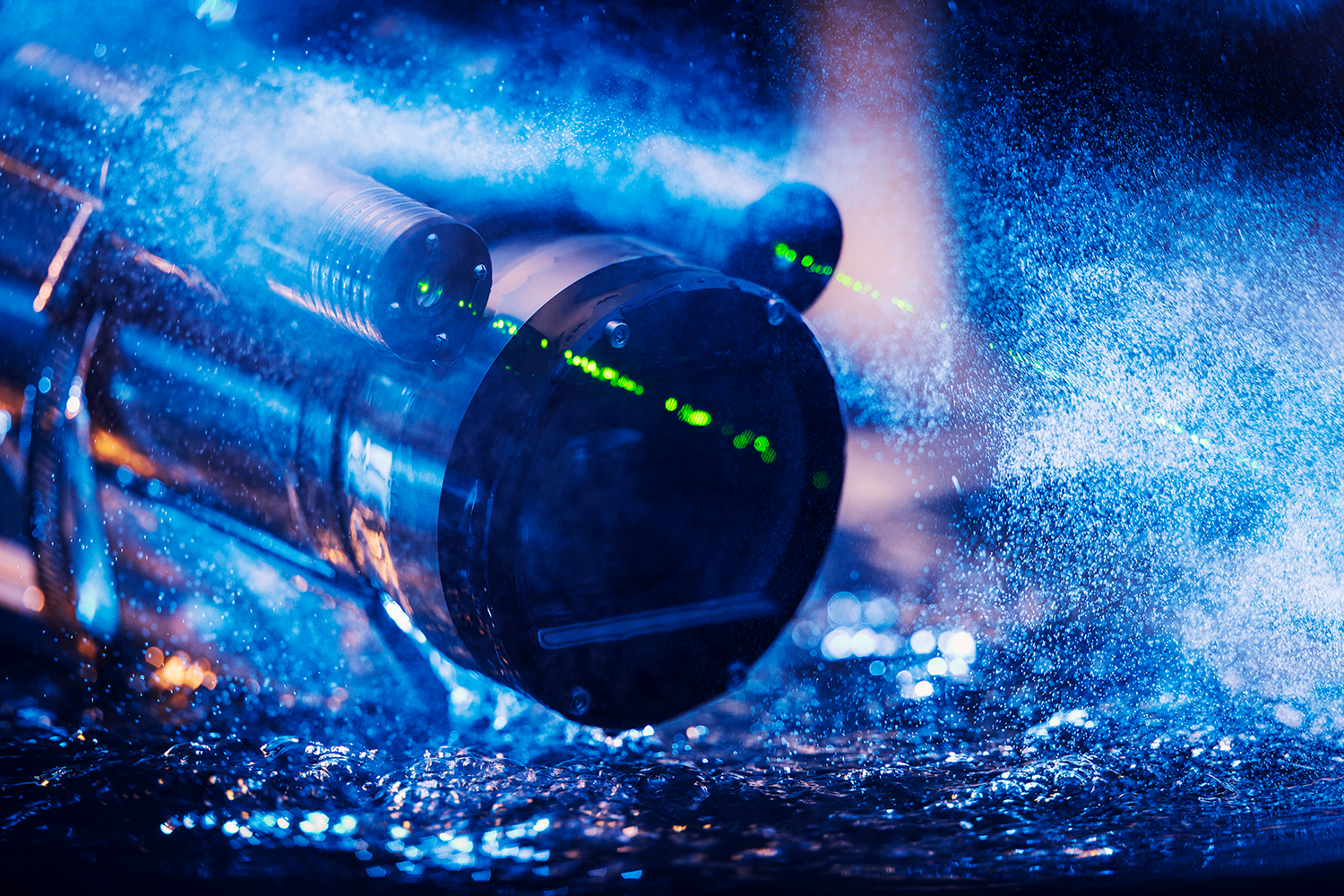
Adjustable LEDs and lasers are also incorporated to support precise and consistent survey data collection.
An optional electric winch is available to assist with deployment and retrieval.
Together, these components provide a standardized alternative to assembling a tow camera system from independently sourced equipment, potentially reducing the personnel time required for integration and ongoing maintenance.
Single-Cable Power, Communications, and Video Transmission
A central technical feature of the Tow Camera System is SubC Imaging’s Boost-Power Comms (BPC) technology.
BPC combines power transmission, bidirectional data communications, and live HD video within a single data cable. The cable also provides 1,500 kg of tow strength.
This configuration removes the need for separate cables to handle individual power and communication functions, simplifying the physical connection between the towing vessel and the underwater imaging system.
Reducing the number of cables can also lower cabling costs and limit potential points of failure compared with multi-cable configurations.
For survey teams, the single-cable arrangement can simplify equipment setup while maintaining access to live imagery and the associated data required during underwater operations.
Passive Seafloor Altitude Control for Benthic Surveys
Maintaining a consistent distance between a camera and the seabed is an important consideration during benthic imaging, particularly when surveys are repeated to monitor changes at the same location.
The Tow Camera System operates without active thrusters. Instead, it uses hydrodynamics, buoyancy, a small drag chain, and a clump weight incorporating a built-in altimeter to passively maintain its distance from the seafloor.
This approach is intended to minimize seabed contact while supporting consistent imaging conditions along survey transects.
For projects involving sensitive marine habitats, limiting physical interaction with the seafloor is particularly relevant. Consistent camera positioning can also support comparisons between images collected during repeated monitoring activities.
Field Applications from Newfoundland to Antarctica
The Tow Camera System has undergone field use in environments ranging from Newfoundland to Antarctica, extending beyond its initial benthic monitoring application.
 One example involved Project Kolossal, which deployed a modified Tow Camera System in the Southern Ocean off Antarctica.
During the project, the equipment helped capture footage believed to potentially represent the first recording of a juvenile Colossal Squid in the wild. The footage subsequently attracted international scientific and media attention.
The Antarctic deployment illustrates the system’s application in marine observation activities beyond its original seafloor monitoring role.
Other applications include fisheries research, archaeological surveys, conservation projects, and search and rescue operations. These activities share a requirement for reliable imaging along underwater survey transects, although their specific observational objectives differ.
Reducing Survey Processing and Technical Workloads
Alongside underwater image acquisition, the processing of survey data can represent a substantial part of a marine research project’s workload.
Ocean Ecology has reported reductions in post-survey processing time when using the system.
Ashley Kirby, Head of Survey at Ocean Ecology, “Cutting our post-survey processing times by at least half, and even more for larger projects. The efficiency it offers is unparalleled.”
The reported time savings are particularly relevant to projects involving extensive survey data, where processing requirements can increase with the scale of imaging operations.
Integrating imaging, sensor logging, and live video capabilities within a single platform can also reduce the demands associated with managing separately developed equipment.
For research organizations considering a custom tow camera configuration, the availability of a pre-integrated system provides an alternative to committing engineering personnel to component selection, development, testing, and ongoing troubleshooting.
Supporting Repeatable Underwater Survey Operations
The Tow Camera System brings together camera technology, communications, deployment equipment, and passive altitude control in a configuration developed and tested for marine survey operations.
Its combination of Rayfin imaging, DVR+ software, sensor logging, and BPC single-cable communications supports underwater data acquisition without requiring research teams to develop these individual system elements independently.
With field experience spanning smaller-vessel sea trials, benthic research, and a modified deployment in Antarctic waters, the platform demonstrates how an integrated towing and imaging arrangement can be applied across different marine research requirements.
For organizations conducting regular seabed surveys, the principal consideration is the potential to reduce equipment development and maintenance demands while maintaining consistent image collection for research and monitoring activities.
Read 2 Years. 3 Prototypes. 1 Proven Tow Camera System on the SubC Imaging website.