
As vessel operators face growing environmental, operational, and security demands, Greensea IQ highlights why hull inspection has become an operational necessity rather than simply a maintenance activity. Read more >>
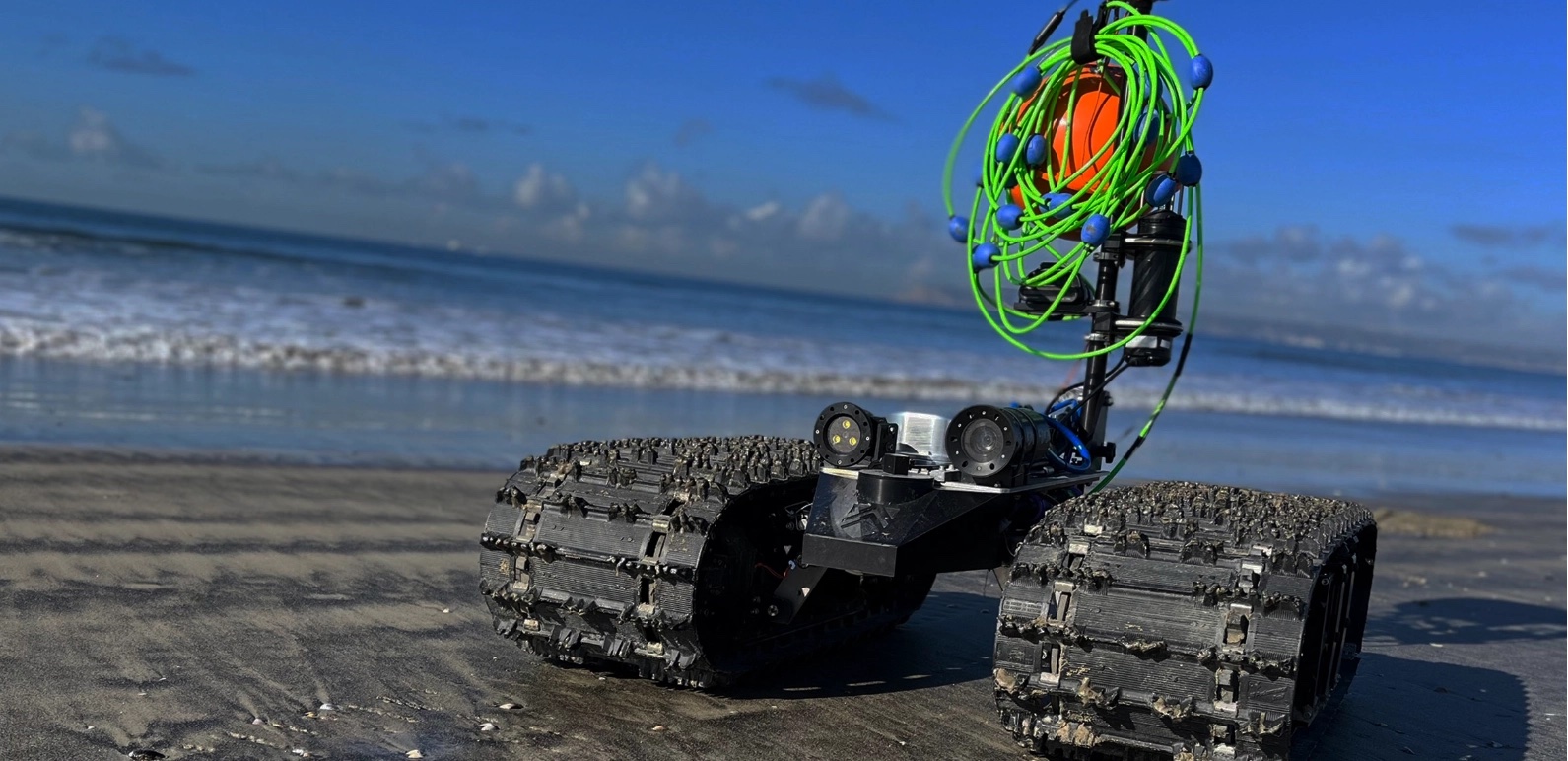
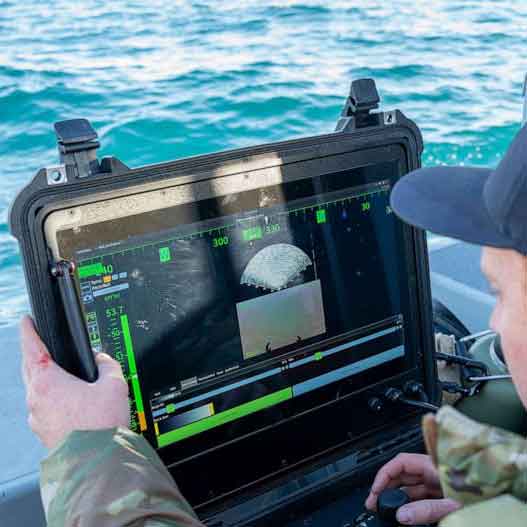
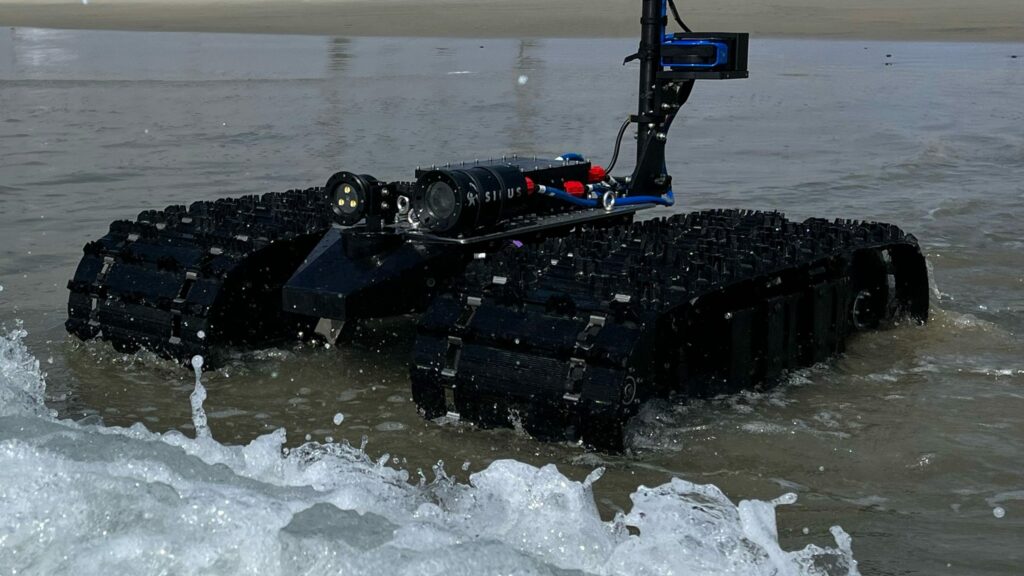
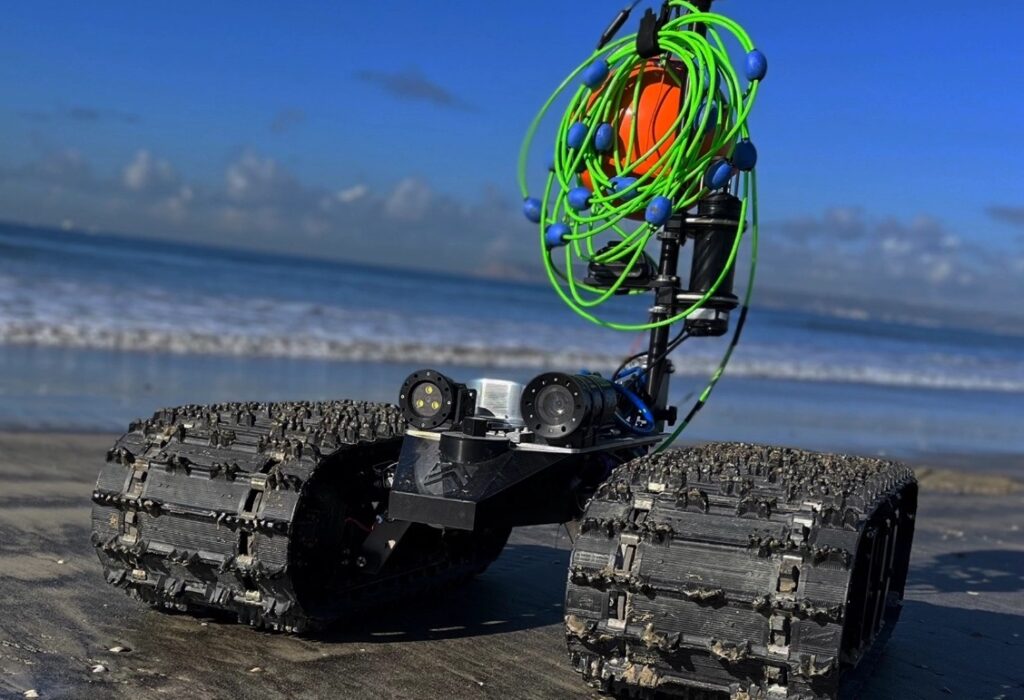
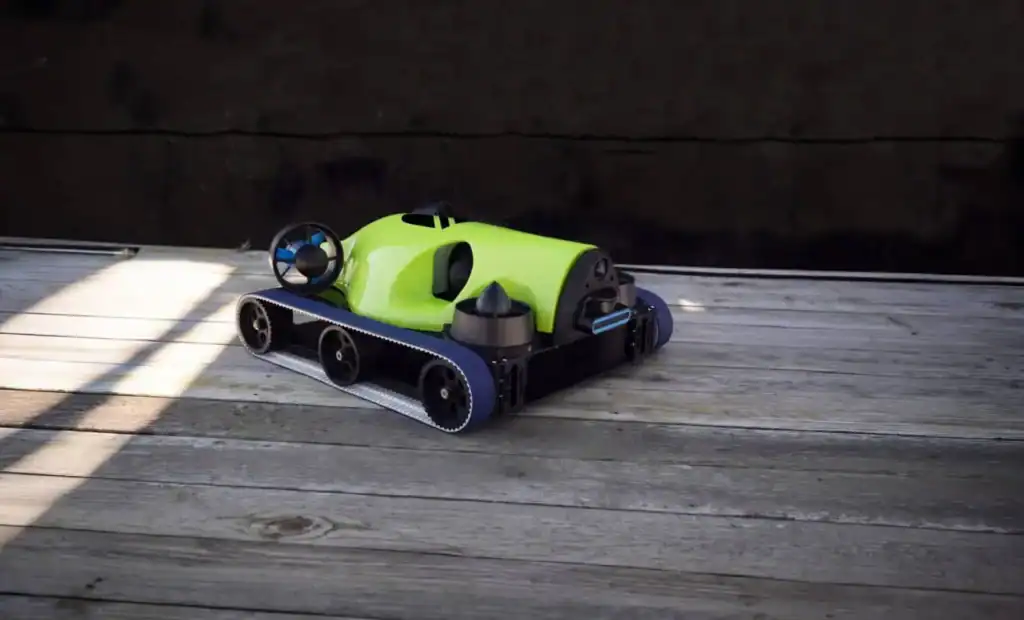
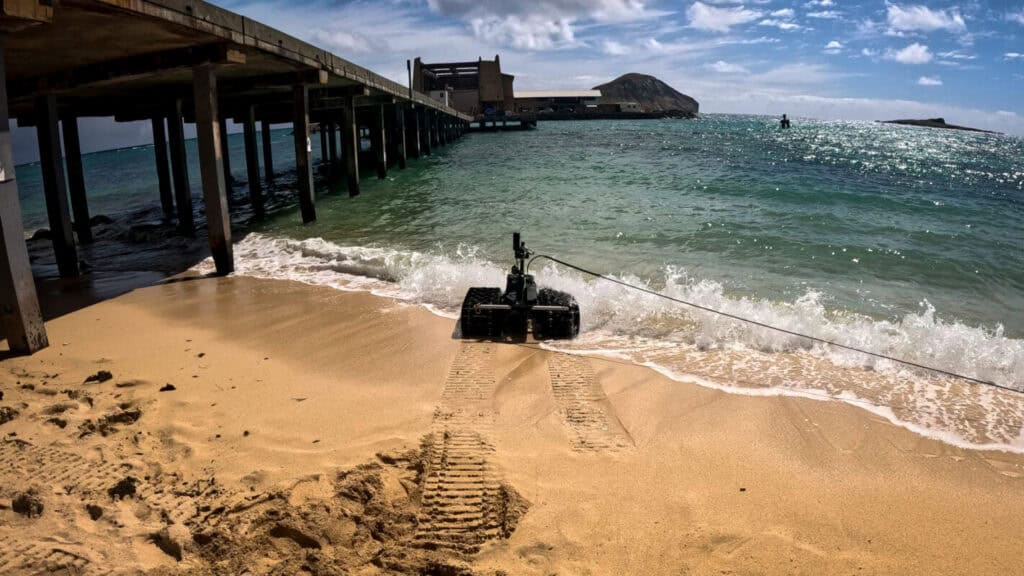
Increased emphasis on environmental compliance, asset protection, security, and operational efficiency has made understanding hull condition an increasingly important part of day to day vessel operations. EverClean, the company’s inspection vehicle, combines autonomous hull inspection, hull grooming, and documentation during routine port calls without interrupting cargo operations.
Several factors are driving this shift, including environmental compliance, security and hull awareness, asset integrity, and operational efficiency.
Environmental Compliance
The effects of biofouling extend beyond vessel performance.
As marine growth accumulates on a hull, drag increases, leading to higher fuel consumption, greater greenhouse gas emissions, and increased operating costs. At the same time, fouled hulls can transport invasive aquatic species between ports, prompting many regions to strengthen biofouling requirements and place greater emphasis on hull condition when vessels enter port.
Hull inspections provide operators with the information needed to understand vessel condition, monitor marine growth, and determine when maintenance is required to support operational efficiency while meeting environmental requirements.
Security and Hull Awareness
The role of hull inspection now extends beyond maintenance.
Commercial vessels face increasing security concerns related to contraband smuggling. Since 2025, there has also been a series of explosive and suspicious devices attached to ship hulls.

In addition, attacks on commercial shipping have elevated hull awareness from a maintenance consideration to an operational necessity. Since the conflict began, the International Maritime Organization has confirmed 61 international shipping incidents in the Middle East, highlighting how quickly risks to commercial vessels can escalate.
Rather than simply asking whether a hull is clean, operators are increasingly focused on knowing what is attached to the hull before leaving port.
A proactive, routine approach to hull inspection helps transform uncertainty into actionable insight by allowing operators to identify damage, marine growth, suspicious attachments, and other anomalies before they develop into operational, financial, or security concerns.
Autonomous inspection also makes hull visibility part of routine vessel operations rather than an activity performed only after an incident, giving operators greater confidence before each voyage.
Asset Integrity
A vessel’s hull is one of its most valuable assets, and its protective coating serves as the first line of defense against corrosion and marine growth.
When coating damage is not identified early, relatively minor issues can develop into corrosion, increased fouling, reduced efficiency, and more extensive repairs. Routine hull inspections provide operators with the information needed to identify developing issues early and make maintenance decisions based on the vessel’s actual condition rather than a predetermined schedule.
Operational Efficiency
As expectations surrounding environmental performance, security, and asset management continue to increase, operators are expected to have greater awareness of conditions below the waterline.
Traditional inspection methods typically require separate planning, mobilization, and coordination to assess hull condition. While these methods continue to play an important role, operators are increasingly seeking ways to obtain hull intelligence more efficiently and with less disruption to vessel schedules.
Greensea IQ developed the EverClean inspection vehicle to eliminate these additional maintenance events by combining autonomous hull inspection, hull grooming, and documentation during routine port calls without interrupting cargo operations.
The Future of Hull Awareness
As sustainability, operational efficiency, and security remain priorities across the maritime industry, hull maintenance practices are expected to continue evolving.
Autonomous systems that combine inspection, proactive hull grooming, and documentation into a single operation provide operators with a practical way to increase hull awareness while reducing operational costs and complexity. Greater visibility below the waterline gives operators increased confidence in understanding hull condition and supports more informed maintenance planning.
For operators, companies, and ports seeking to improve vessel efficiency, protect assets, and simplify maintenance activities, integrating hull inspection and hull grooming represents a practical next step toward supporting complete hull health.
EverClean is available as both a fully managed service and a self-hosted solution, giving operators the flexibility to integrate autonomous hull inspection and grooming into the maintenance strategy that best fits their fleet.