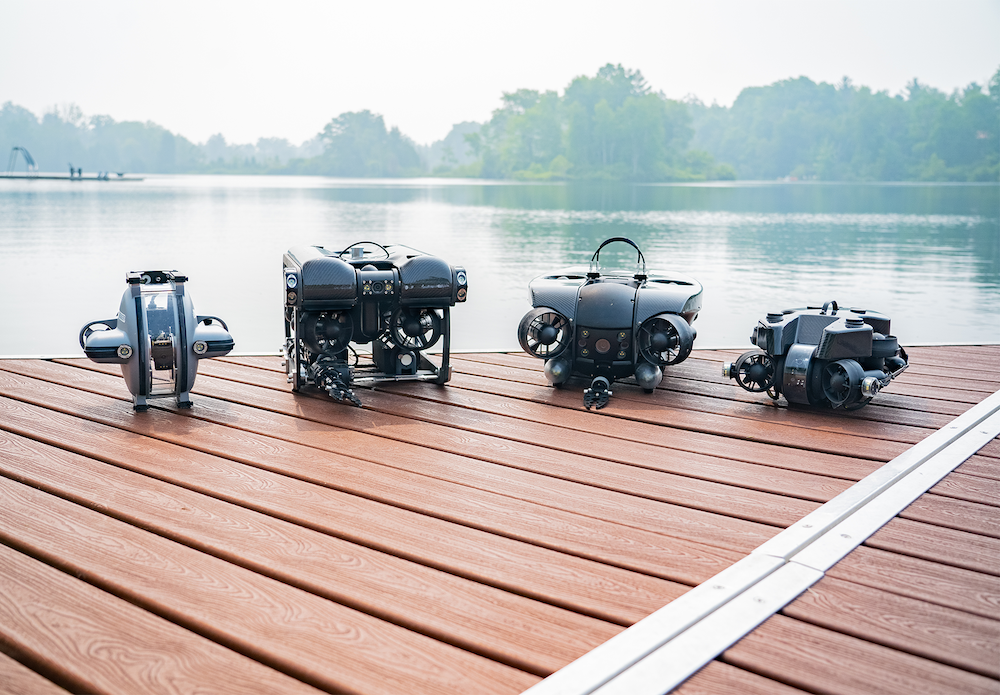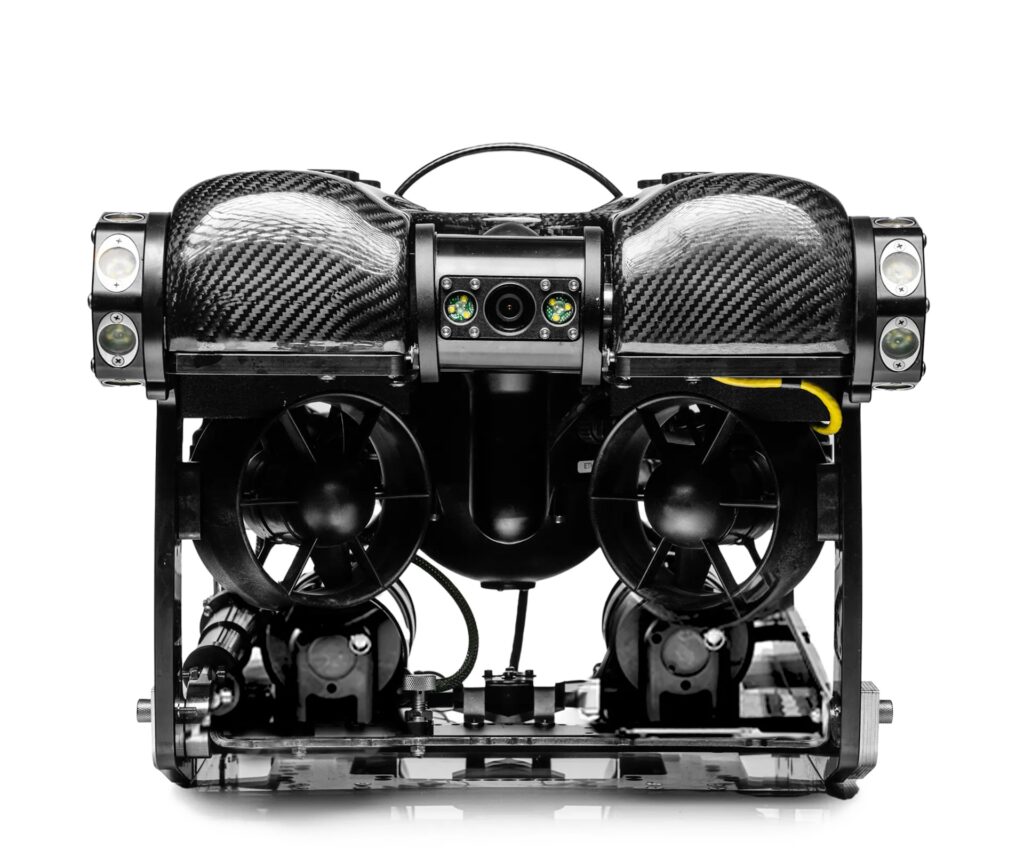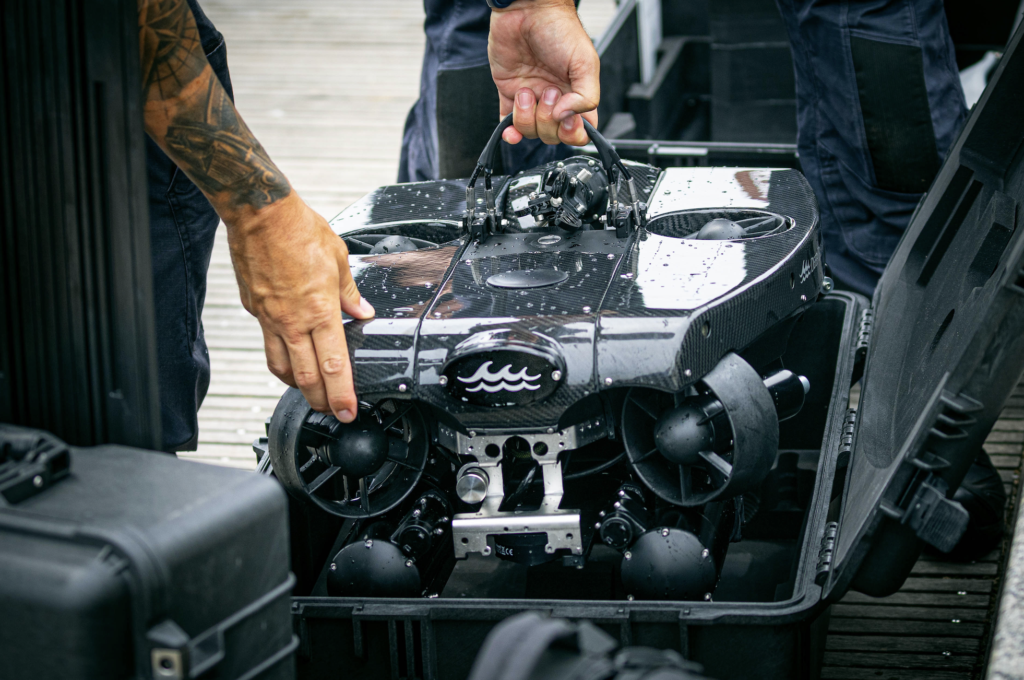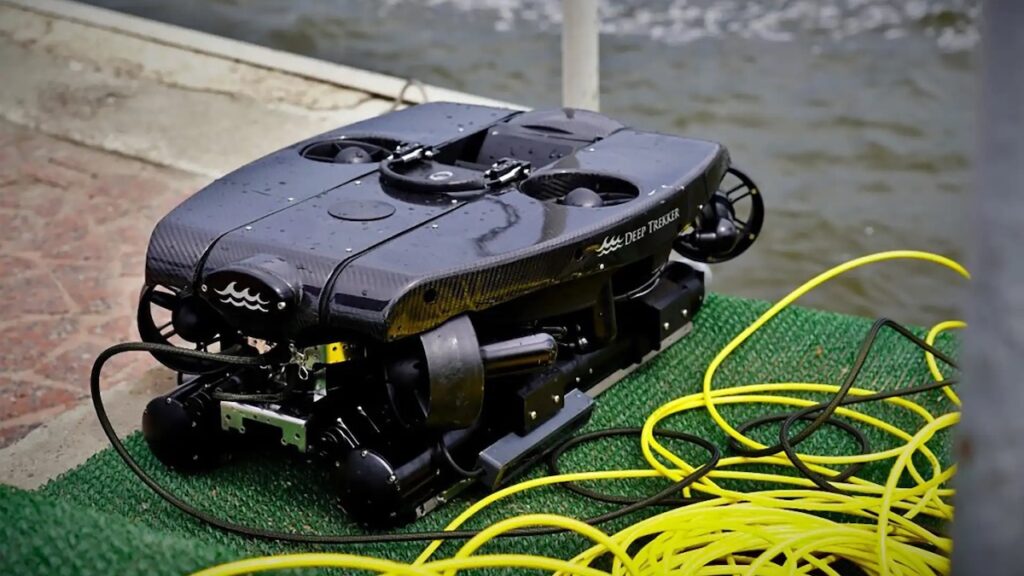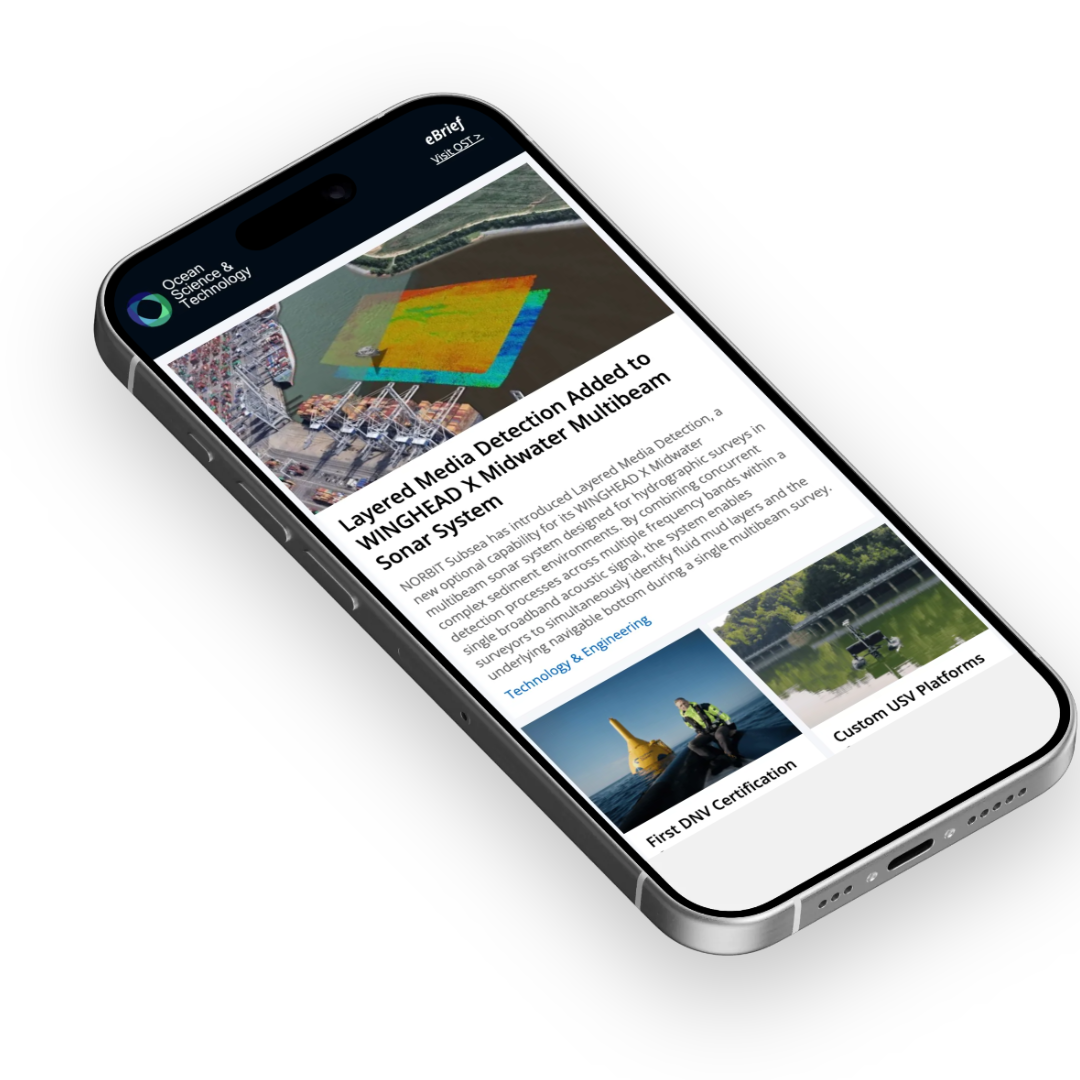


This case study by Deep Trekker explores how its portable Remotely Operated Vehicle (ROV) technology is used by Australian marine services provider Franmarine to support in-water hull inspections, biofouling assessments, and Underwater Inspections in Lieu of Drydocking (UWILDs) across multi-vessel fleets. Read more >>
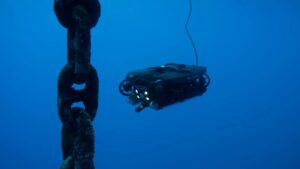
The article examines how growing environmental regulation, operational constraints, and limited drydock availability are reshaping how underwater inspections are conducted.
Using a trial conducted with Fremantle Ports and supported by third-party environmental monitoring, the case study outlines how ROV-based inspections were used to assess hull condition and biofouling extent during evaluations of in-water hull cleaning technology.
It describes Franmarine’s voluntary assessment against Australia’s proposed Anti-fouling and In-water Cleaning Guidelines, outlining an inspection methodology designed to support environmental transparency while operating within port rules that typically restrict in-water hull cleaning.
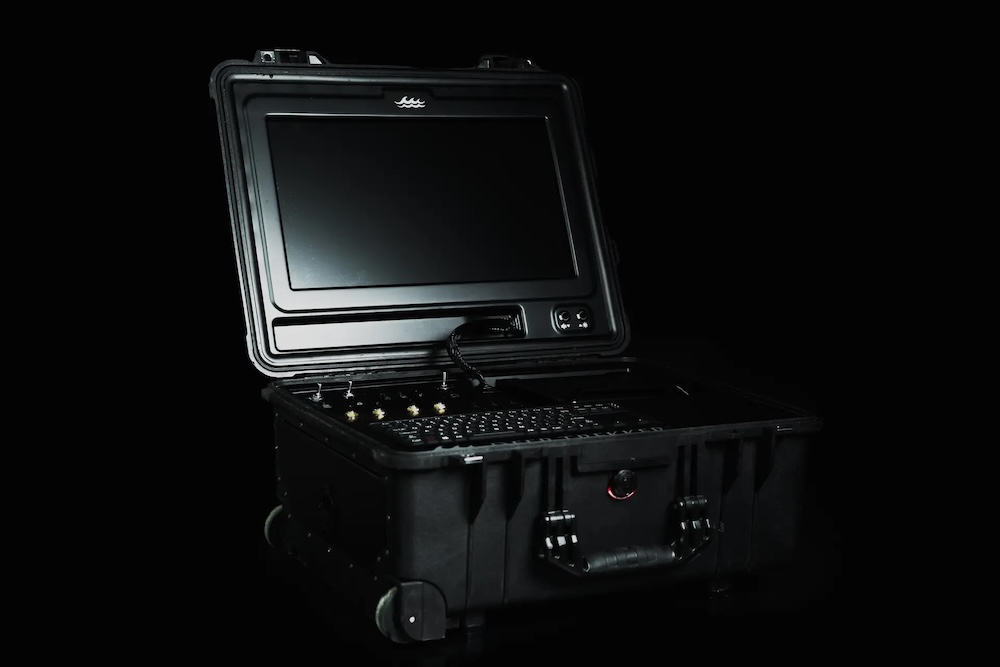
The article details how Franmarine integrates Deep Trekker ROVs with its MarineStream software platform to deliver repeatable, auditable evidence-based inspection workflows that support both classification society requirements and environmental biosecurity processes.
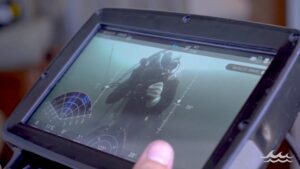
Applications discussed include pre-clean inspections, class-approved UWILDs, mooring and subsea infrastructure surveys, port and harbor assessments, environmental monitoring, and diver oversight. This integrated approach reduces diver exposure, improves inspection efficiency, and enhances the consistency and accessibility of inspection data.
Concluding sections examine how this ROV-enabled, digital inspection model supports fleet-wide standardization and long-term compliance planning. By centralizing data capture, reporting, and remote stakeholder access, Franmarine’s workflow enables operators to manage underwater inspections across diverse regulatory environments while reducing reliance on drydock availability.
The case study presents this approach as a scalable framework for regulation-aware, in-water underwater operations in increasingly constrained maritime environments.