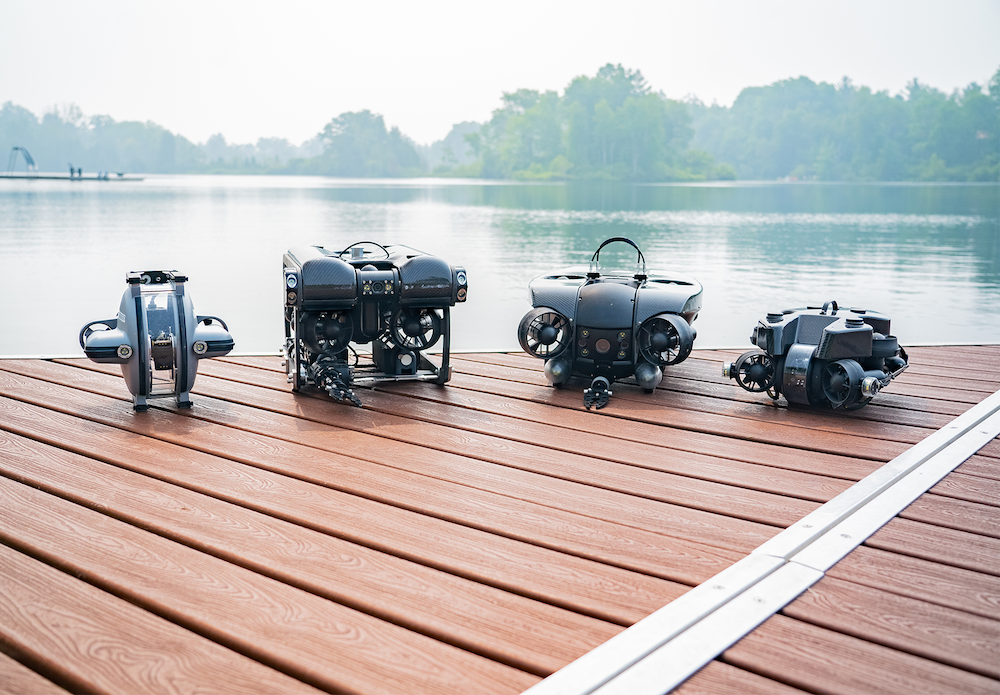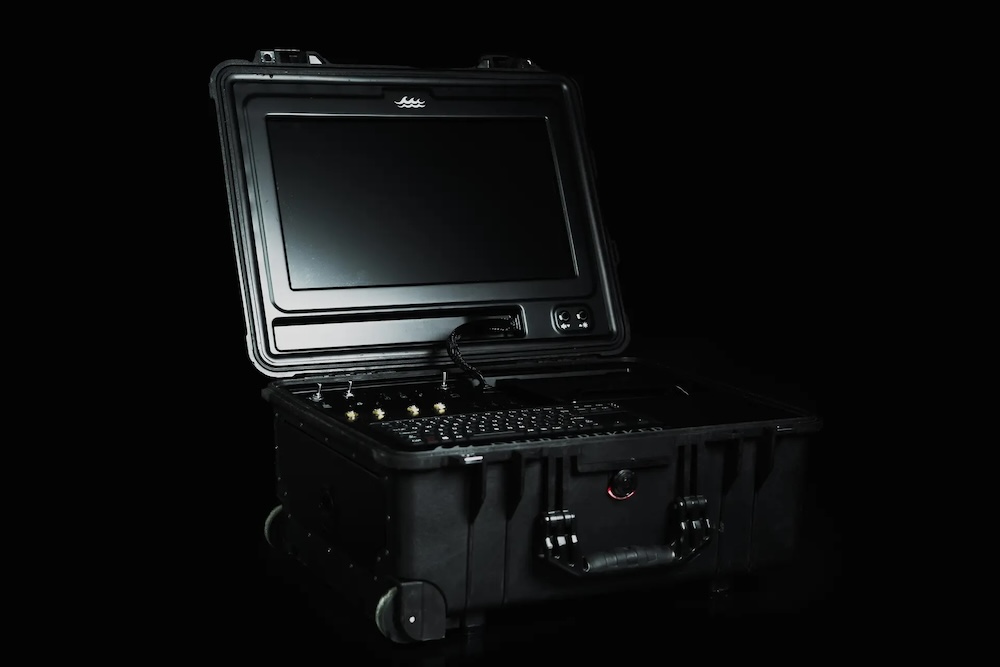


Deep Trekker highlights the key factors involved in selecting a Remotely Operated Vehicle (ROV) package for underwater operations, examining how depth, water currents, visibility, navigation requirements, and mission-specific tooling influence equipment selection.
The guide compares available ROV configurations to help operators identify systems suited to their operational environments and applications.
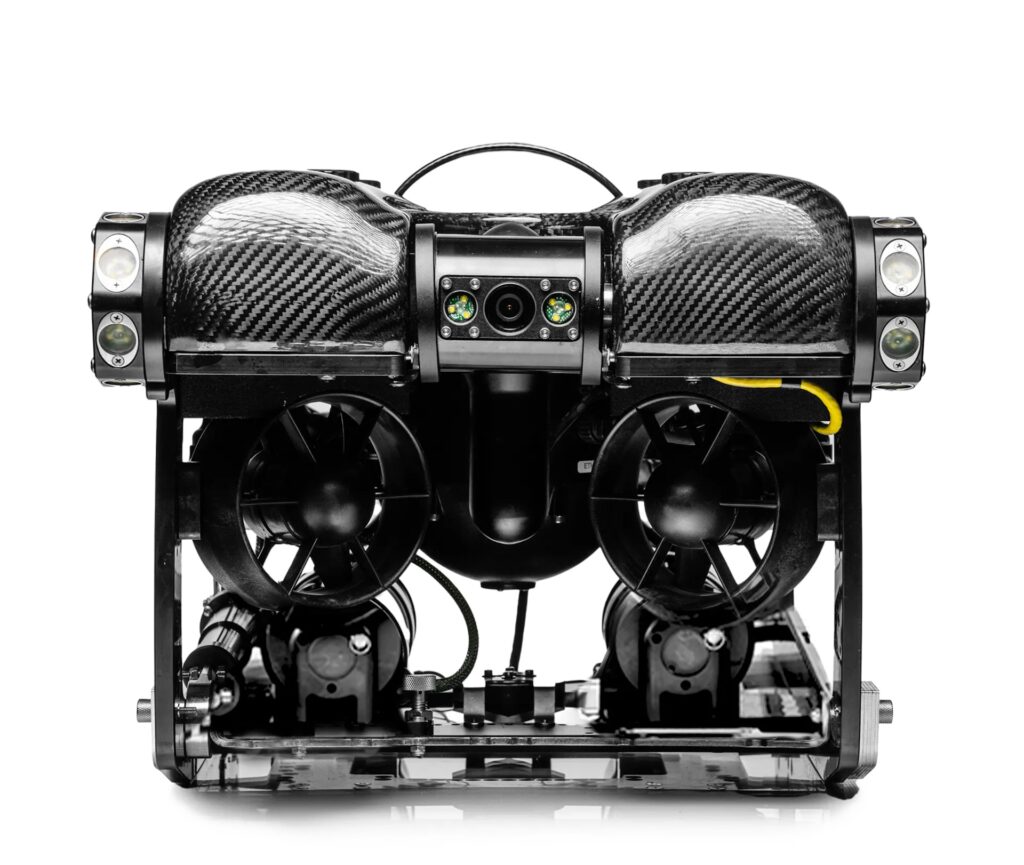
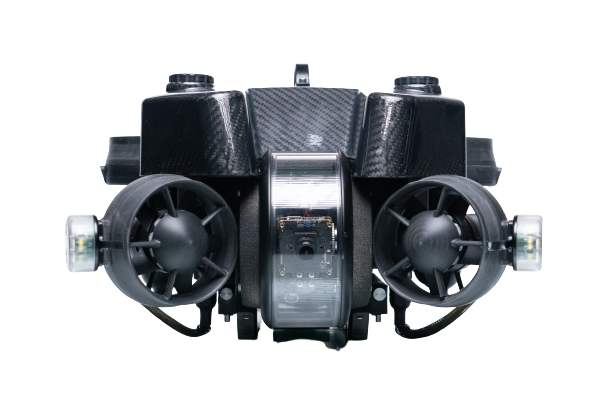
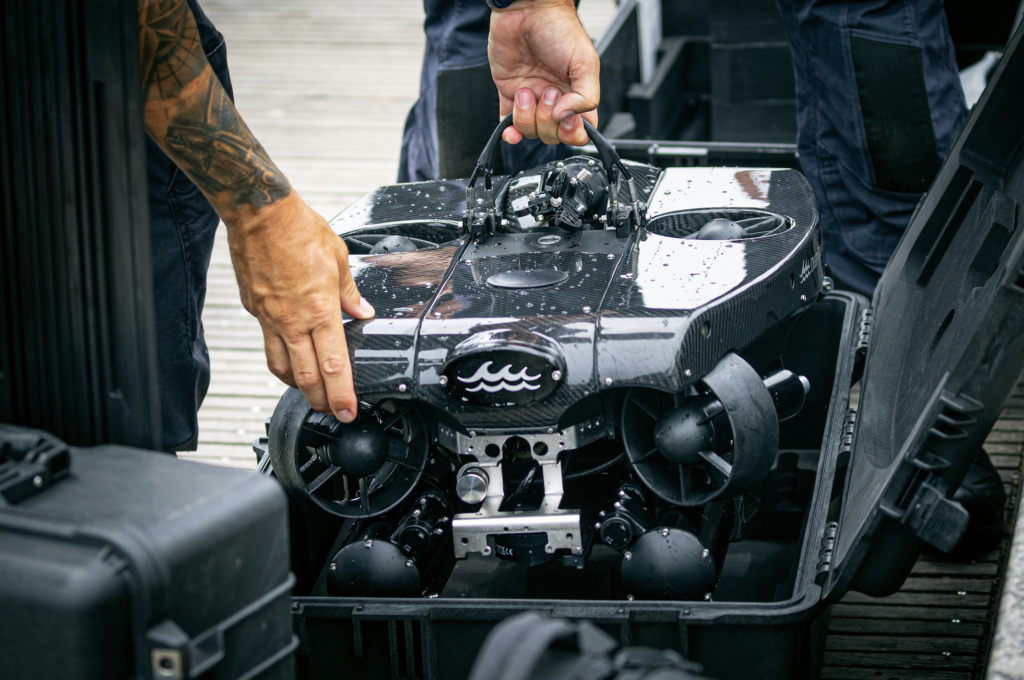
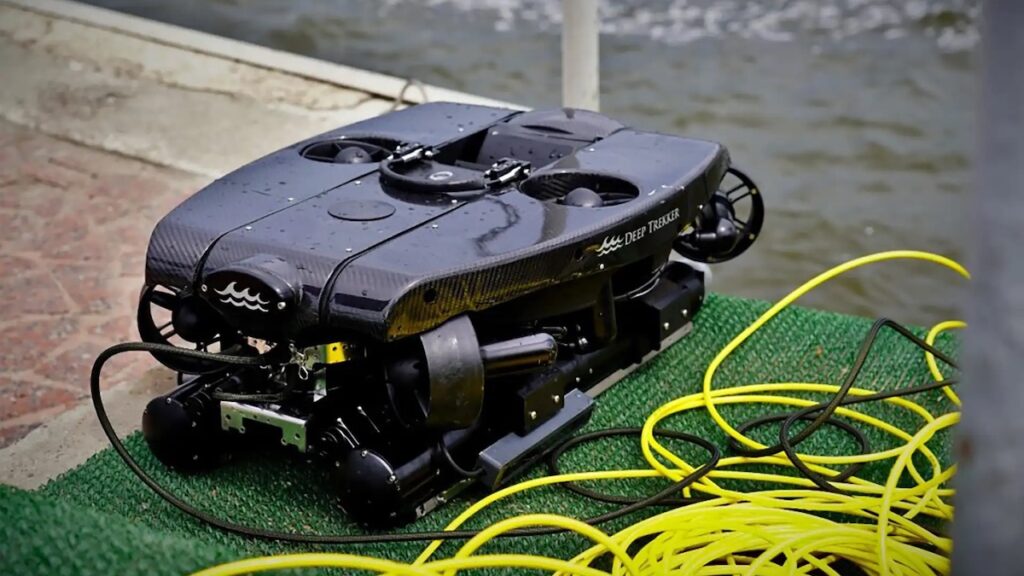
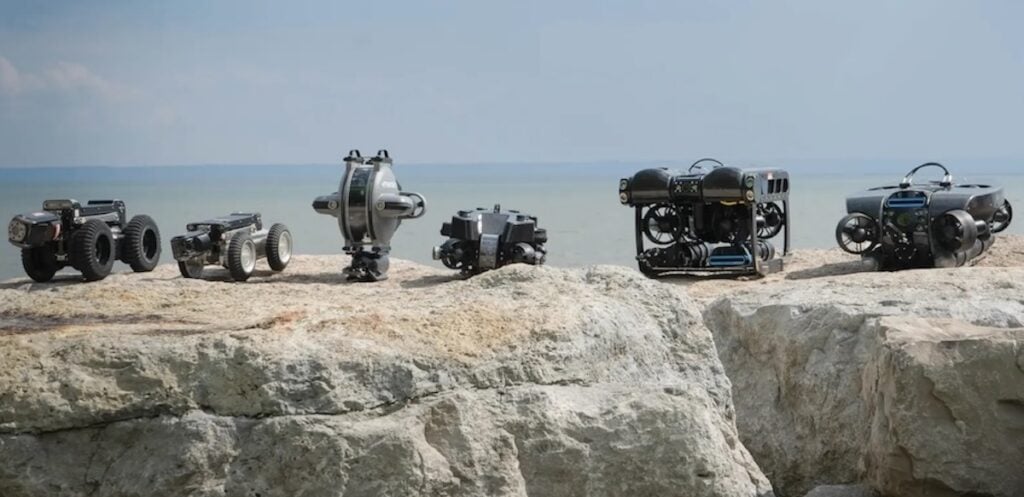
The overview examines Deep Trekker’s SPECTRA, REVOLUTION, PIVOT, PHOTON, and DTG3 ROVs, covering platforms ranging from compact systems for confined-space inspections to deep-water offshore survey and inspection vehicles. It outlines their technical capabilities and available packages, including model-specific BASE, NAV, RECON, EXPERT, SMART, and SAR configurations.
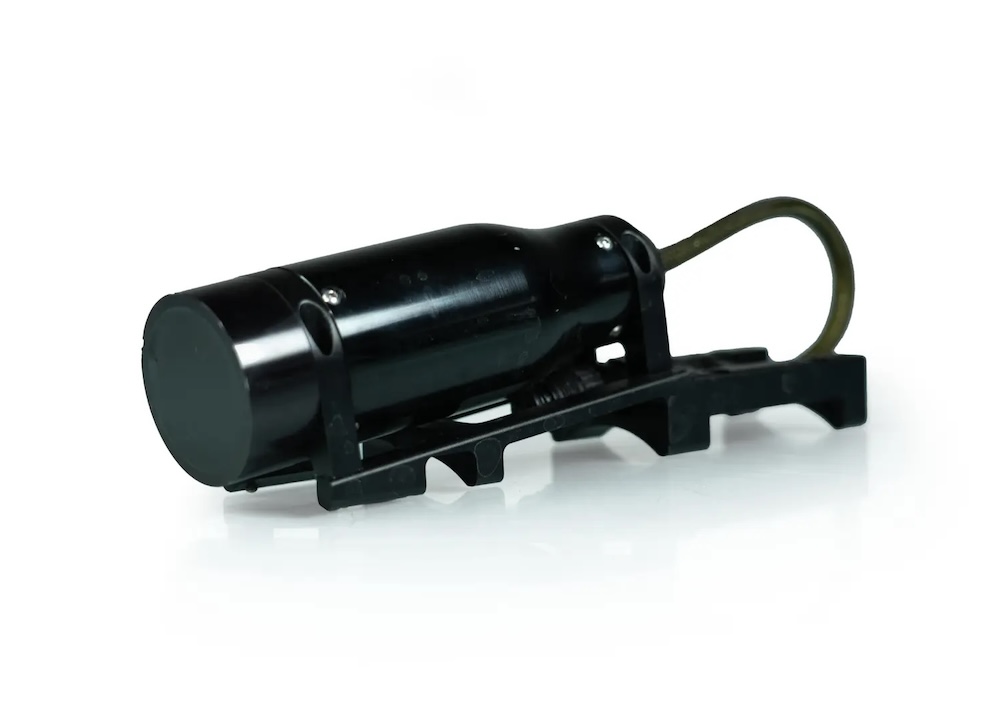
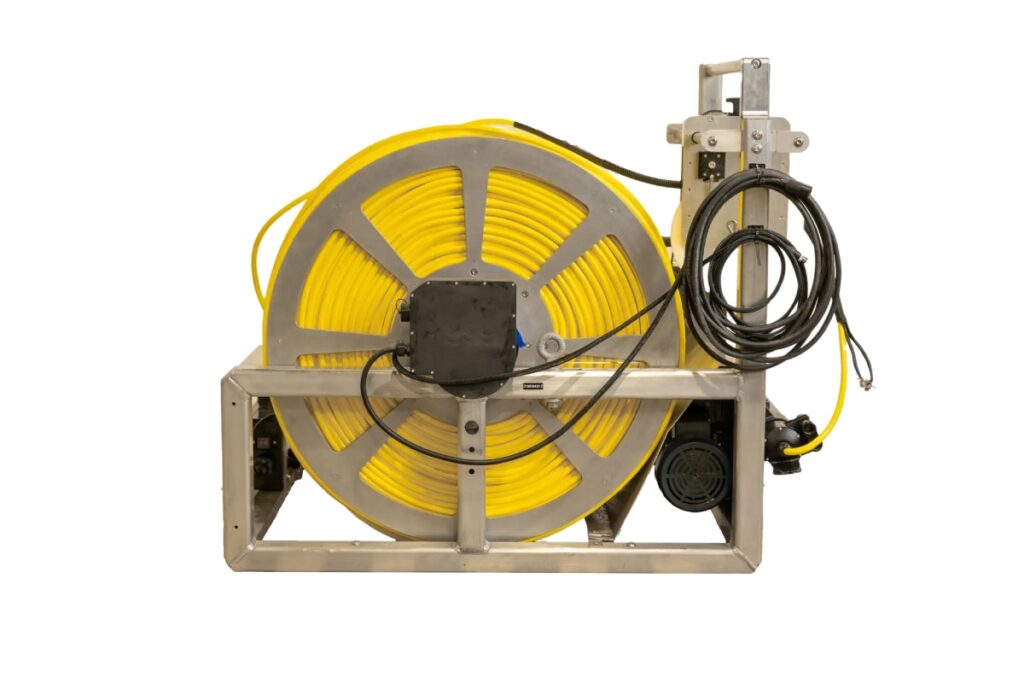
Deep Trekker also explains the differences between RECON packages using ROV-mounted GPS, DVL, and SensorPod+ for operations where surfacing is possible, and NAV configurations incorporating USBL acoustic positioning, DVL, and SensorPod+ for deeper or GPS-denied environments. SAR packages combine search and recovery equipment with positioning and tracking capabilities, while additional modular options include imaging sonar, grabber arms, environmental sensors, water samplers, and extended tethers.
The guide explores ROV applications across marine science, aquaculture, offshore energy, maritime infrastructure, defense, water utilities, hydroelectric facilities, and nuclear operations. It provides industry-specific recommendations and operational examples to support the selection of suitable ROV platforms, positioning systems, and accessories.
For more information on choosing the right ROV package, visit the Deep Trekker website.