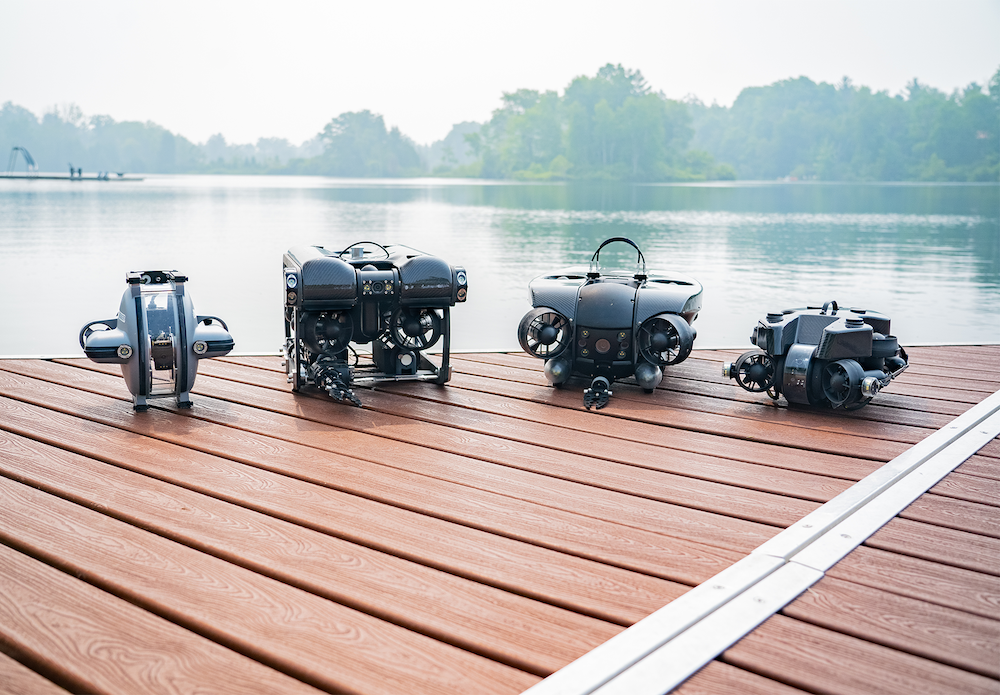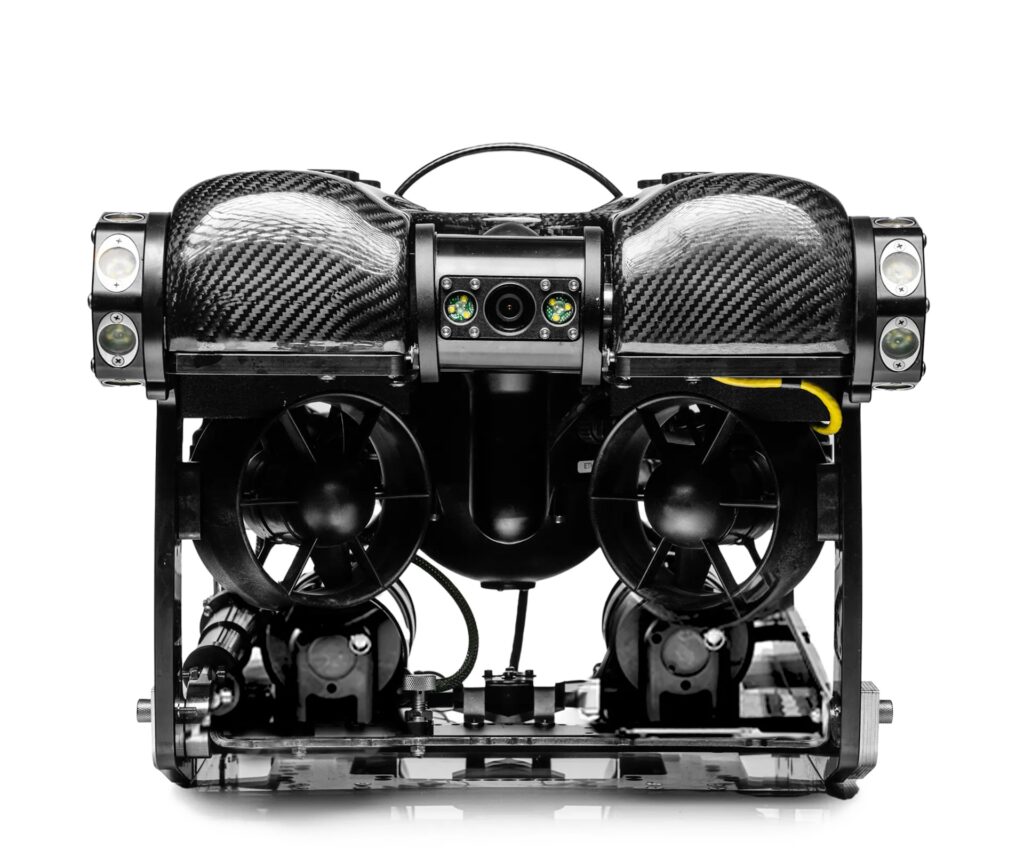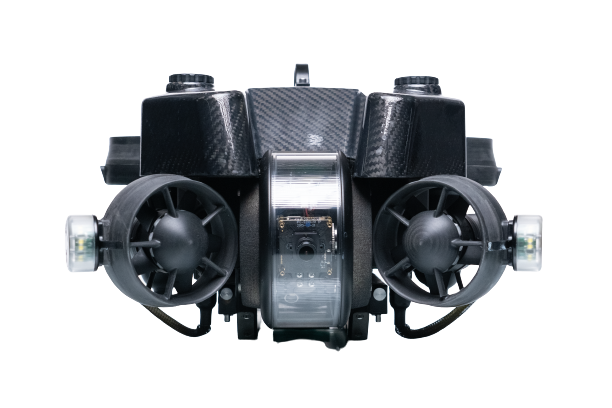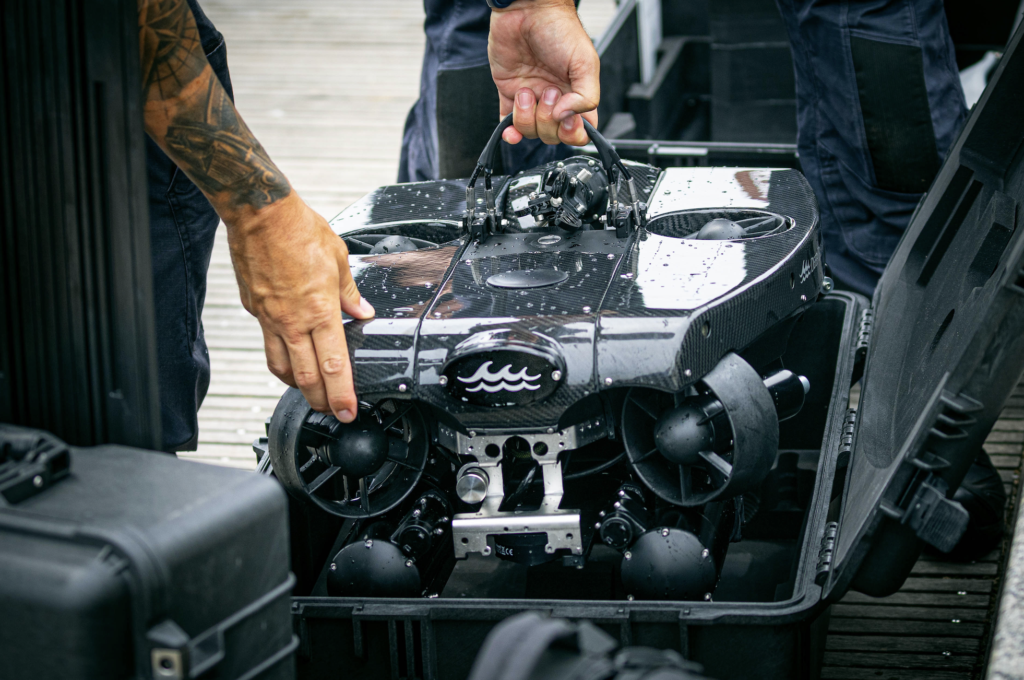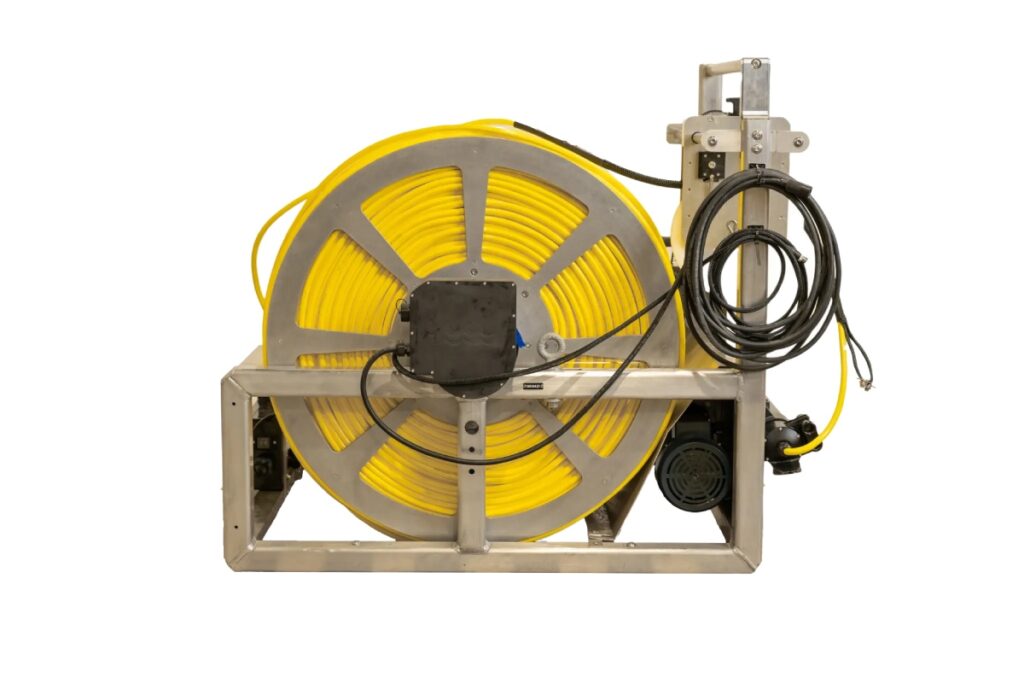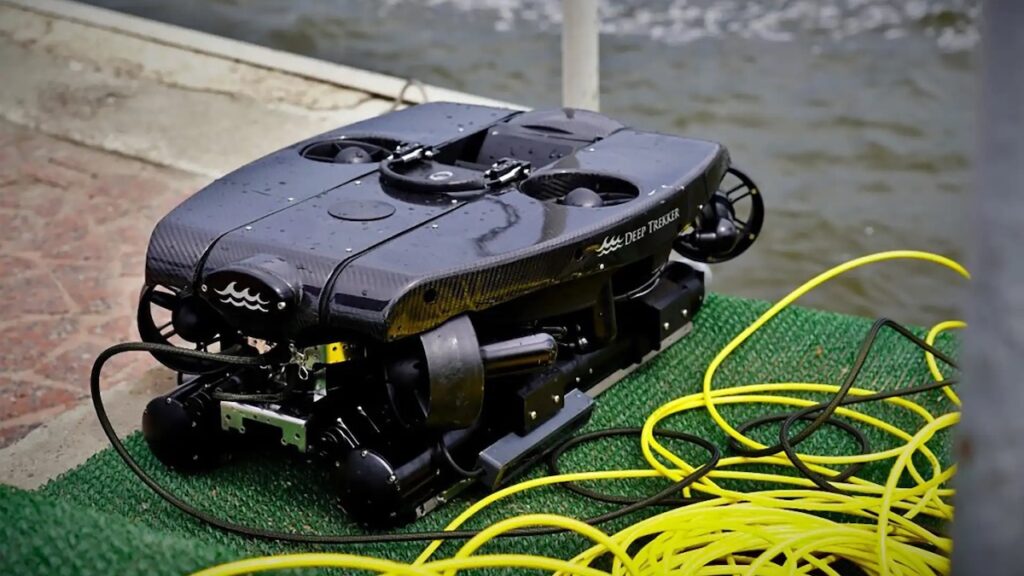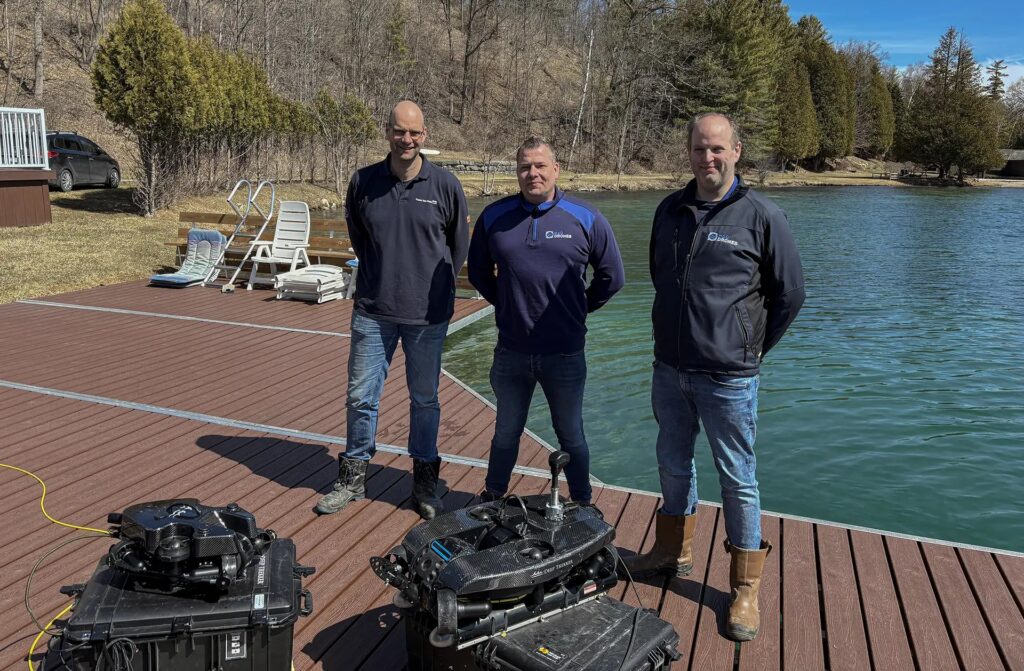


Deep Trekker took part in REPMUS 2025 (Robotic Experimentation and Prototyping with Maritime Unmanned Systems) in Portugal, the leading international exercise dedicated to maritime robotics and uncrewed systems.
The company focused on validating the operational performance of its remotely operated vehicle (ROV) platforms under realistic field conditions while collaborating with Explosive Ordnance Disposal (EOD) teams and naval participants from multiple NATO member states.
Advancing Mine Countermeasure Collaboration
REPMUS 2025 brought together naval forces including the Marine Nationale, Armada Española, Royal Navy, US Navy, and Royal Canadian Navy, among others. The event underscored the multinational approach driving advances in mine countermeasure (MCM) technologies, highlighting interoperability and technical integration across allied maritime defense organizations.
Operational Validation in Real Conditions
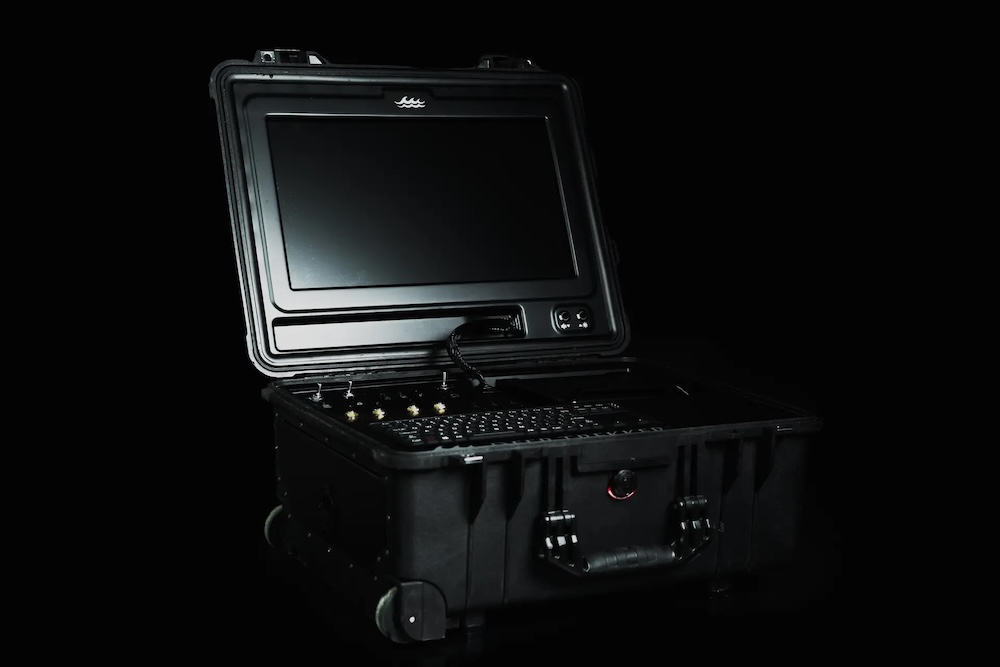
The exercise demonstrated how compact ROV systems can be used to re-acquire, identify, and classify naval mines in complex subsea environments. Real-time video and sonar feedback were shown to significantly reduce uncertainty during underwater search and identification. Deep Trekker’s ROVs maintained full operational capability in challenging North Atlantic sea states, confirming their suitability for sustained use in demanding maritime conditions.
Platform and Deployment Considerations
Trials emphasized the importance of the vessel serving as the ROV’s operational base. Maintaining position, through dynamic positioning (DP) or anchoring, was critical to mission success. Several teams also explored the use of uncrewed surface vessels (USVs) as autonomous deployment platforms, identifying this as a potential enhancement for operational efficiency and operator safety in future MCM missions.
Experimental Integration of ELWAVE Detection Technology
A key technical activity involved the experimental integration of ELWAVE’s electric field detection system with Deep Trekker’s REVOLUTION ROV. The bio-inspired sensing technology enables passive detection of objects based on their electric signatures, providing complementary situational data alongside sonar and optical sensors. Early trials demonstrated the potential for combining electric field sensing, high-resolution imaging, and maneuverable ROV control within a single inspection platform.
Evaluation of the Viper MDS and Voyis Stereo Camera
Additional trials assessed integration of the Viper Mine Disposal System (MDS) and the Voyis Discovery Stereo Camera to expand ROV functionality beyond observation and classification.
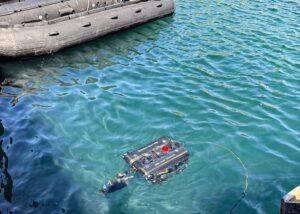
The Viper MDS concept was tested on both the REVOLUTION and PIVOT ROVs, confirming the feasibility of ROV-based mine disposal. Mounting and handling tests showed reliable skid performance on the REVOLUTION platform, while the PIVOT configuration demonstrated improved stability under identical conditions. The Viper’s compact, field-fillable design allows EOD units to prepare charges in the field, minimizing logistics complexity and regulatory burden. Further refinement will continue before operational adoption.
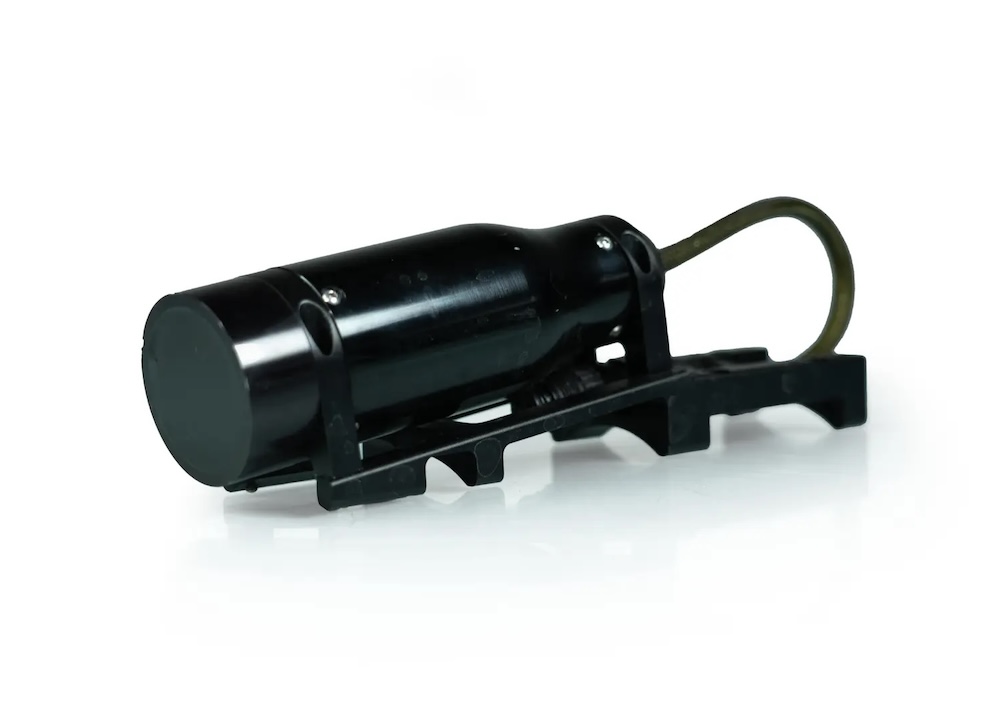
The Voyis Discovery Stereo Camera was evaluated on the REVOLUTION ROV for the capture of 3D optical datasets suitable for photogrammetry and digital twin generation. The system provided accurate contact measurements and improved spatial awareness for classification and identification. The same technology can also support harbor and infrastructure monitoring, enabling repeatable imaging of fixed subsea assets for change detection and threat assessment.
The Deep Trekker Challenge
Deep Trekker hosted the Deep Trekker Challenge, an event allowing EOD teams from several NATO nations to operate the REVOLUTION ROV in simulated re-acquisition and identification missions. Teams were evaluated on mission planning, sensor use, communications, and data analysis.
Participants including the Marine Nationale, Belgian Navy, German Navy, and Portuguese Navy demonstrated strong technical proficiency and adaptability. Results were reviewed with the Mine Warfare Working Group and Commander Task Unit leadership. The winning team received recognition on 23 September, with awards presented by Alan Middup, President of Deep Trekker.
Lessons for the MCM Community
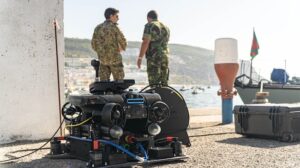
Outcomes from REPMUS reinforced several key principles for mine countermeasure operations: reliable hardware, robust platform integration, and environmental endurance are essential for mission consistency. While autonomous underwater vehicles (AUVs) continue to evolve, ROVs and USVs presently deliver greater reliability and real-time operator control, supporting immediate confirmation of underwater contacts.
Looking Ahead
Deep Trekker’s participation at REPMUS 2025 highlighted the operational potential of compact ROV platforms in contemporary mine countermeasure missions. The experimental ELWAVE integration and ROV-based disposal trials marked progress toward multi-sensor, semi-autonomous subsea systems. Observations from the exercise indicate that USV–ROV collaboration offers one of the most practical near-term developments for naval forces seeking adaptable, reliable tools for underwater mine warfare.