


Underwater imaging requirements vary considerably between compact ROV inspections, towed seabed surveys, long-term observatories, and full-ocean-depth research. SubC Imaging explores these operational differences in its Rayfin Camera Comparison Guide, examining how platform constraints, available infrastructure, and data acquisition workflows shape subsea imaging requirements.
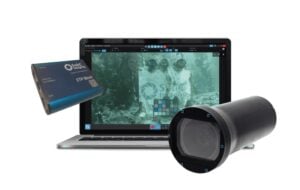
Rayfin Uplink from SubC Imaging
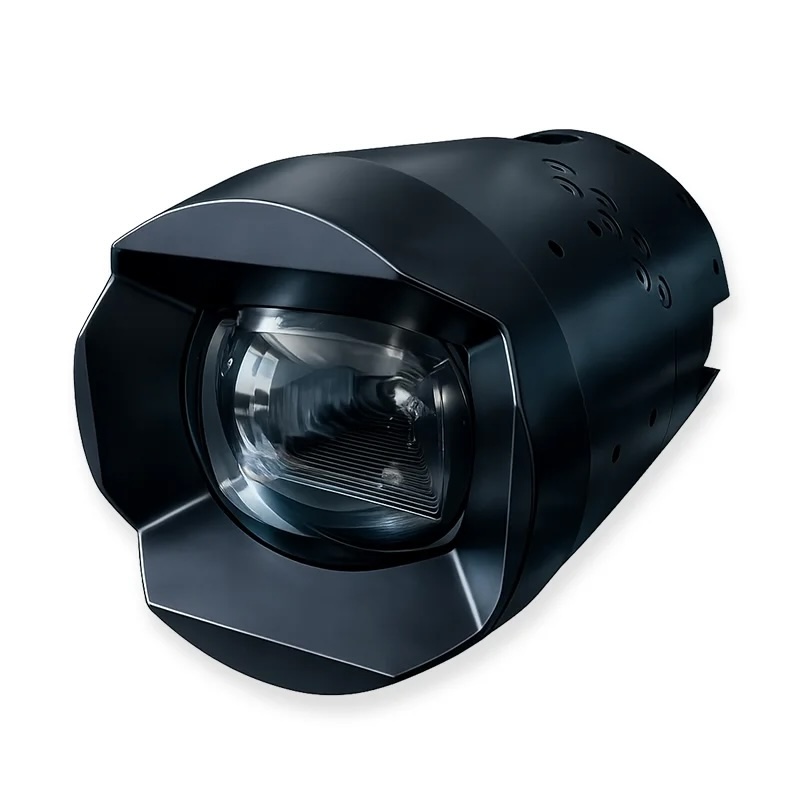
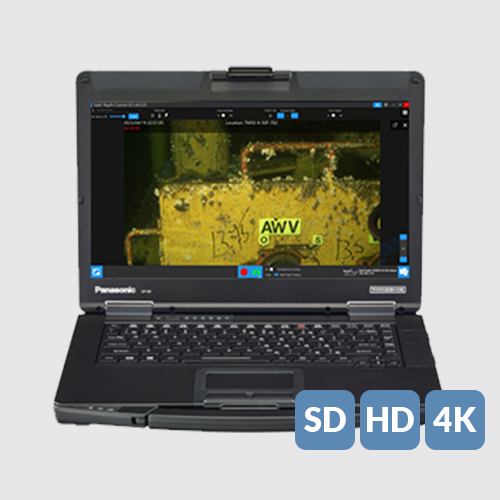
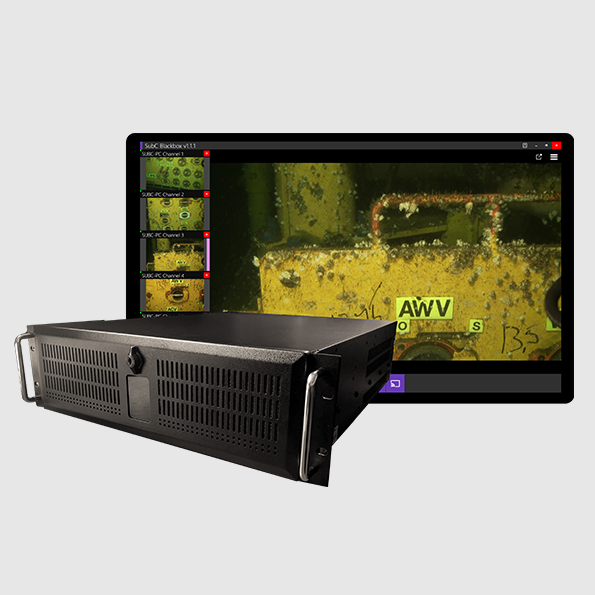
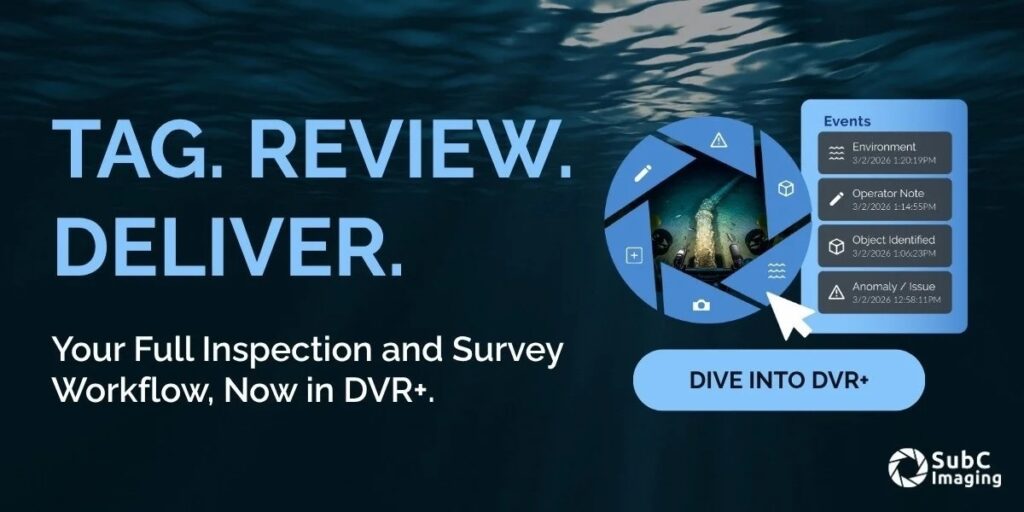
The Rayfin range shares a common imaging and recording foundation for HD and 4K video and 12.3-megapixel digital stills, with every camera incorporating SubC’s proprietary LiquidOptics technology. Integrated DVR+ software supports recording, event capture, offline review, and structured data export. Additional capabilities include Rapid Digital Imaging (RDI) at adjustable capture rates up to 2Hz, tilt, roll, and NMEA data logging, and integrated controls for lights, lasers, and sensors.
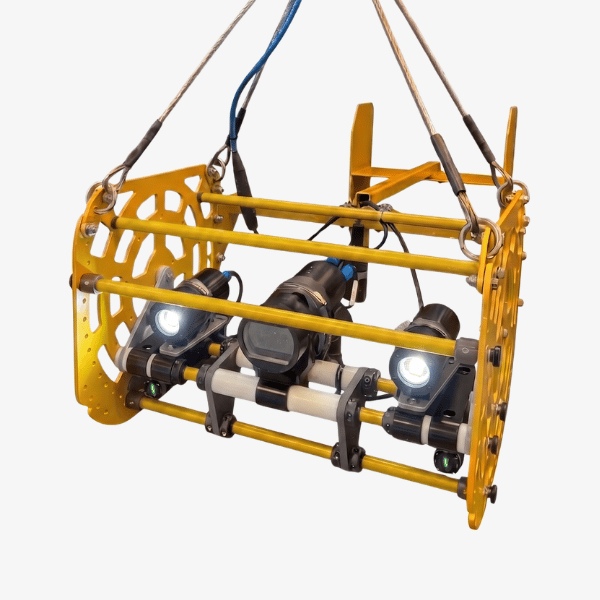
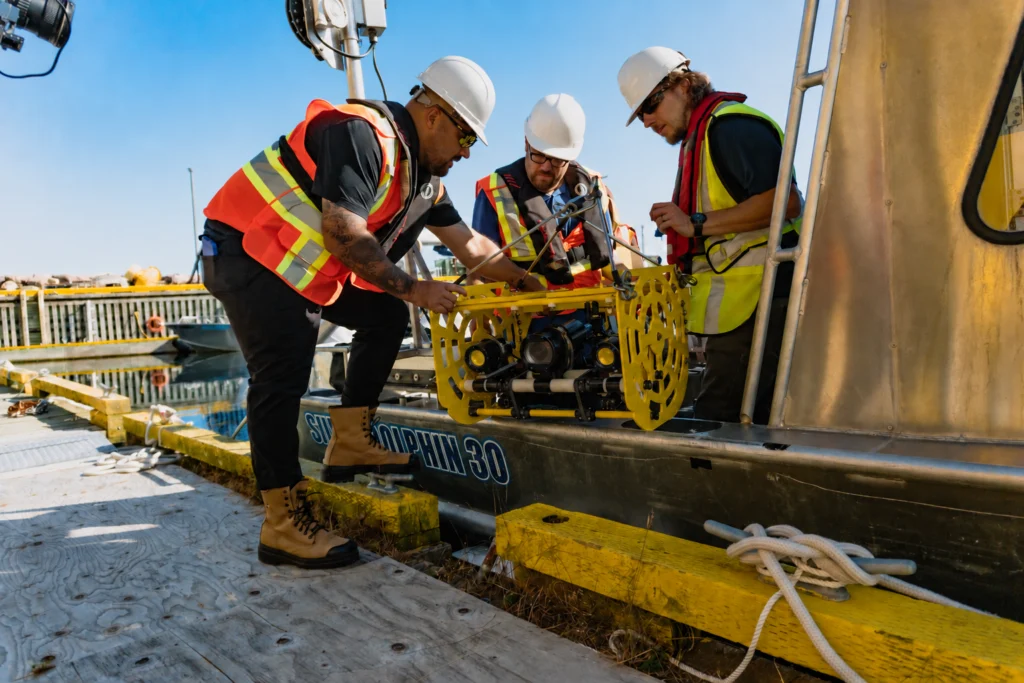
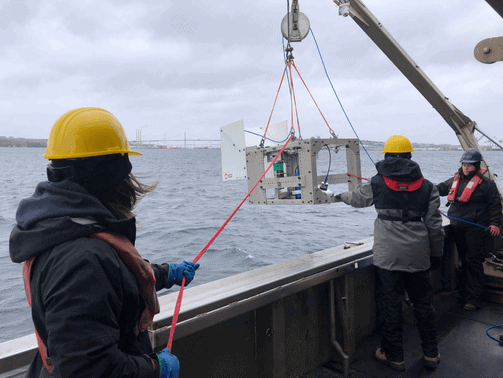
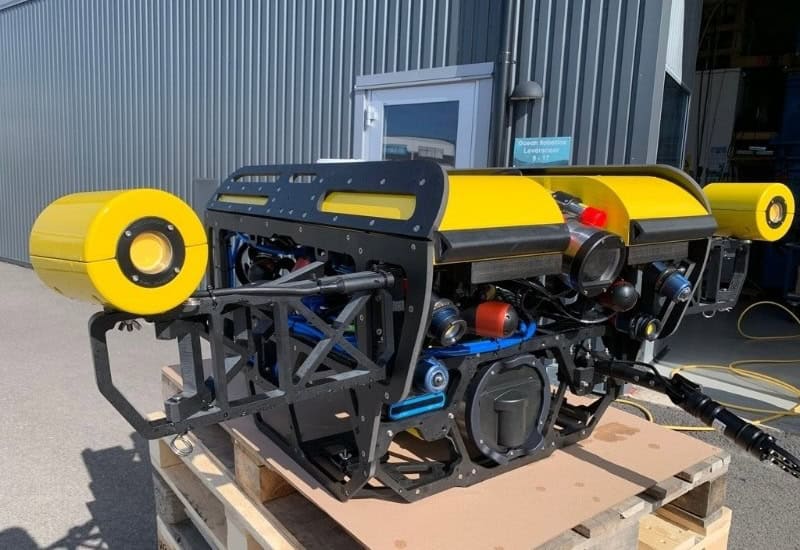
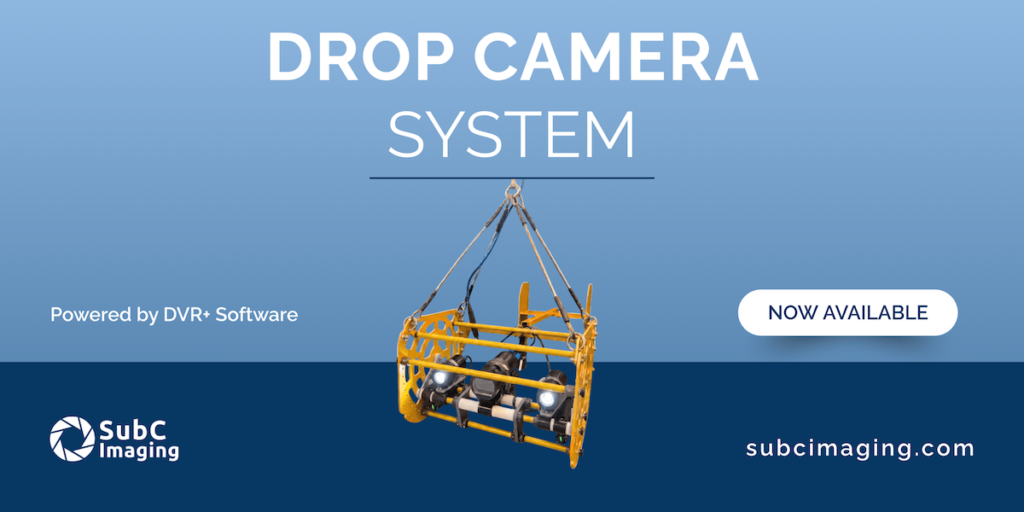
The guide outlines six Rayfin configurations spanning different operating environments. Rayfin Micro accommodates smaller ROVs, while Rayfin Uplink supports legacy ROV upgrades using existing twisted pair or coax infrastructure where Ethernet or fiber is unavailable. Rayfin Coastal addresses drop camera and towed survey applications, with all three models rated to 500m. For deeper operations, Rayfin Benthic supports inspection and research deployments to 6000m, while the Rayfin Autonomous Timelapse System supports scheduled image capture and long-term monitoring at depths of up to 6000m. Rayfin Trench is rated to 11km for autonomous imaging during hadal research and full-ocean-depth missions.
Further considerations include live versus autonomous operation, internal storage and topside data transfer, integration with existing vehicle systems, and the use of georeferenced imagery to provide additional mission context. The full guide details these considerations alongside the specifications and typical applications of each Rayfin model.
Read the full SubC Camera Comparison Guide for a detailed breakdown of the Rayfin range and its underwater applications.