SubC Imaging outlines how underwater laser types support subsea measurement, surface profiling, photogrammetry, and inspection across different platforms, camera orientations, and environmental conditionssubc-imagingNewsUnderwater Laser Scanners / Feature Article by SubC Imaging
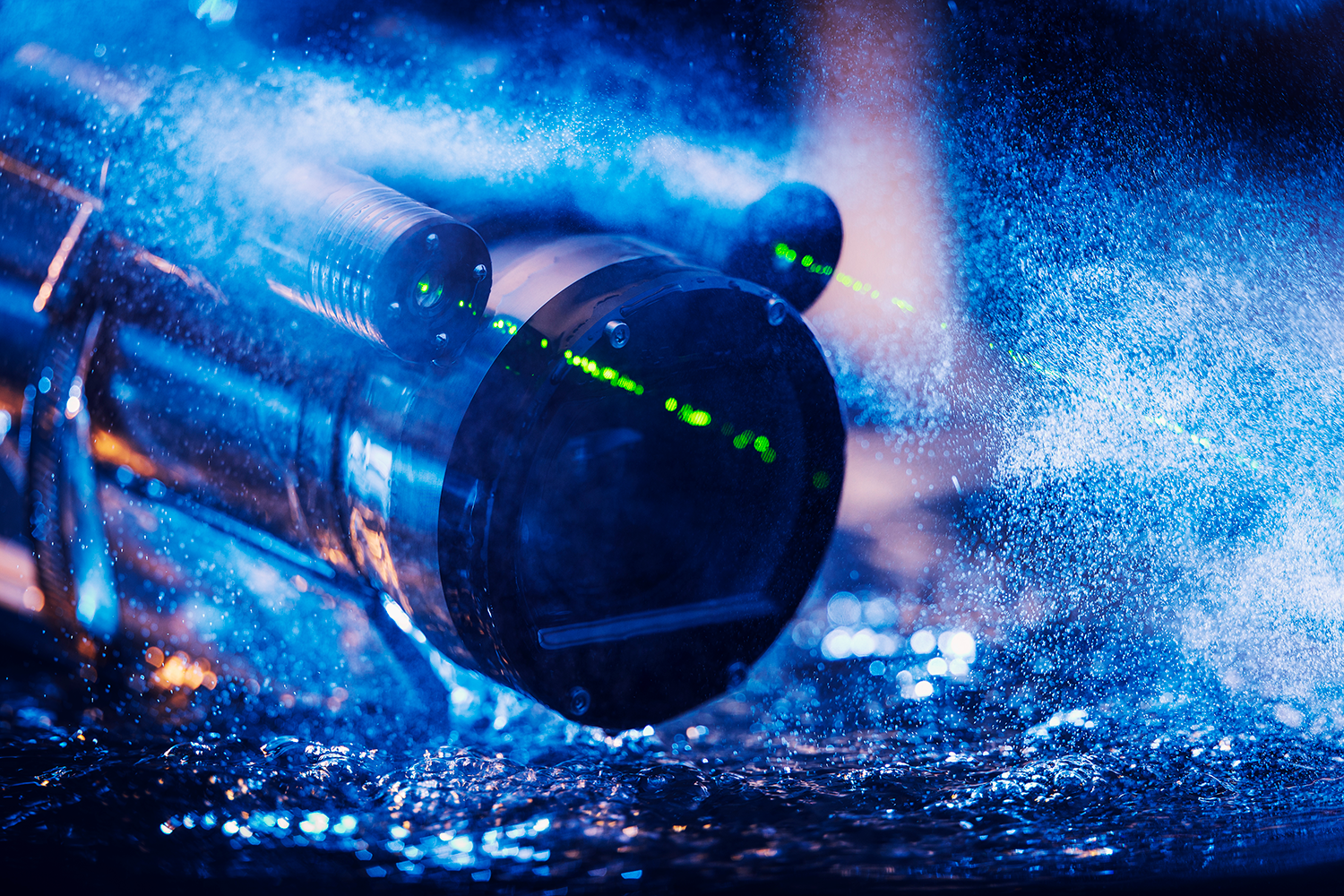
Parallel dot, line, parallel-line, and grid lasers each support different underwater imaging requirements. The MantaRay uses parallel dots to provide a fixed reference for size estimation and measurement, while the Skate Mk2 supports single-line and grid configurations and can form a parallel-line arrangement when two units are installed with a dual-laser bracket.
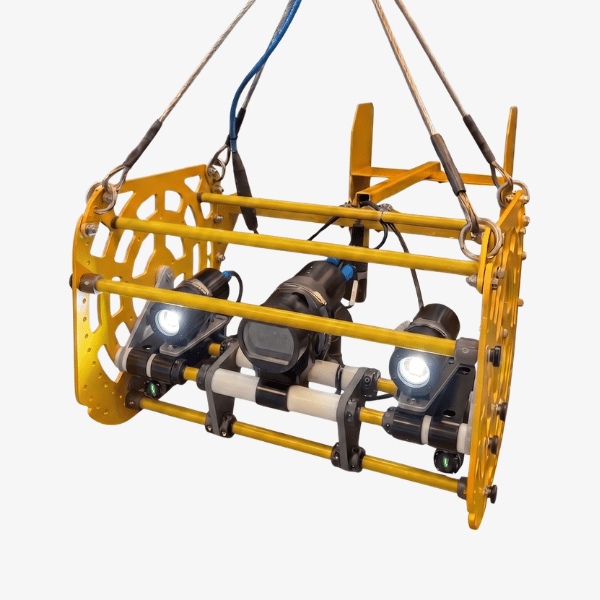
Laser selection depends on the required inspection outcome, deployment platform, camera alignment, and environmental conditions. Parallel dots are particularly effective when the laser plane is perpendicular to the camera sensor, while parallel lines can provide scale when the camera is tilted relative to the target. Single-line lasers can reveal contours and structural deformation, and grid patterns provide multiple spatial references for applications including photogrammetry, 3D reconstruction, and complex geometry capture.
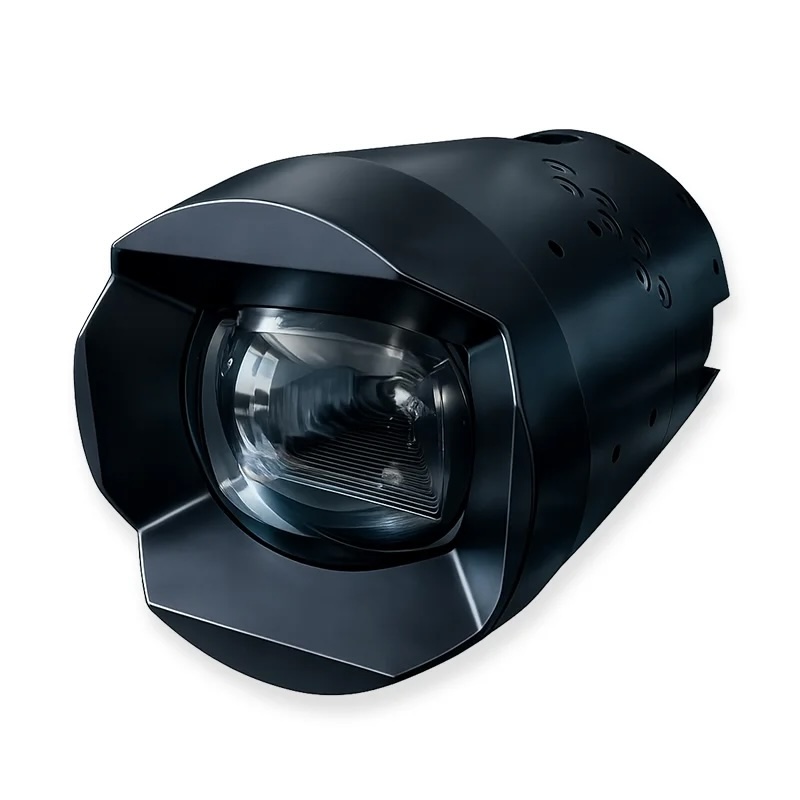
SubC Imaging’s underwater lasers operate at 520 nm, are manufactured from Grade 5 titanium, and are depth-rated to 6,000 m. The MantaRay Mk2 provides accuracy to 10 cm ± 10 mm at 5 m, while the Skate Mk2 can be used in line, parallel-line, and grid-based imaging arrangements. Rayfin camera systems are factory-calibrated for use with SubC Imaging lasers, and the company’s laser products are FDA Class 3R compliant and qualified for international deployment.
Posted byOlivia HannamOlivia is an Editor and Copywriter at Ocean Science Technology. She graduated with First-Class Honours in History from the University of Exeter, where she developed strong research and analytical skills. Since joining OST in 2025, Olivia’s focus lies in producing accessible and engaging content that communicates the latest developments and innovations in ocean science and maritime technology, with a particular interest in environmental monitoring.Connect
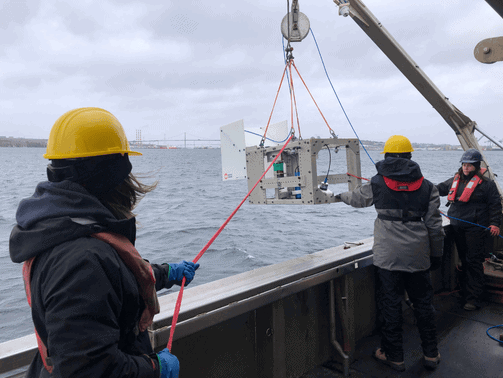
Students in Nova Scotia are gaining critical hands-on experience with SubC Imaging by deploying advanced subsea imaging systems during intensive offshore field training to prepare for careers across the ocean technology sector
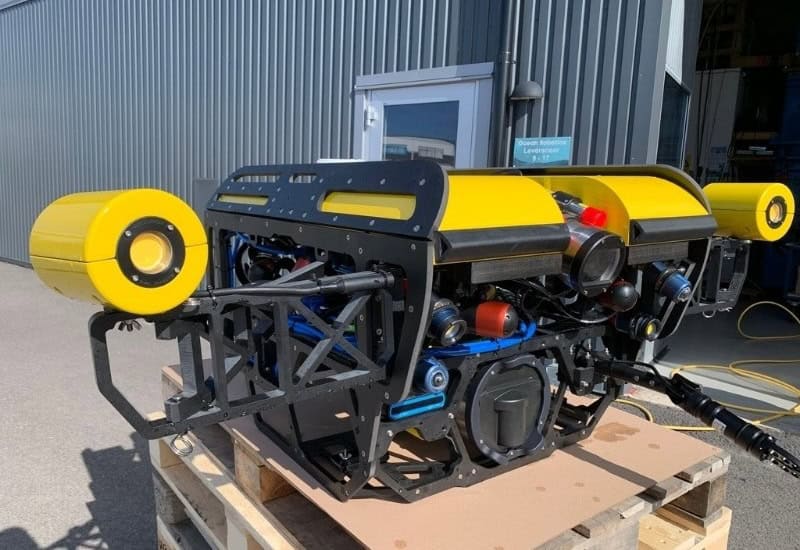
A new partnership between SubC Imaging and Ocean Robotics International integrates advanced imaging technology into modular subsea vehicles to enhance inspection, research, and data collection capabilities for diverse underwater operations
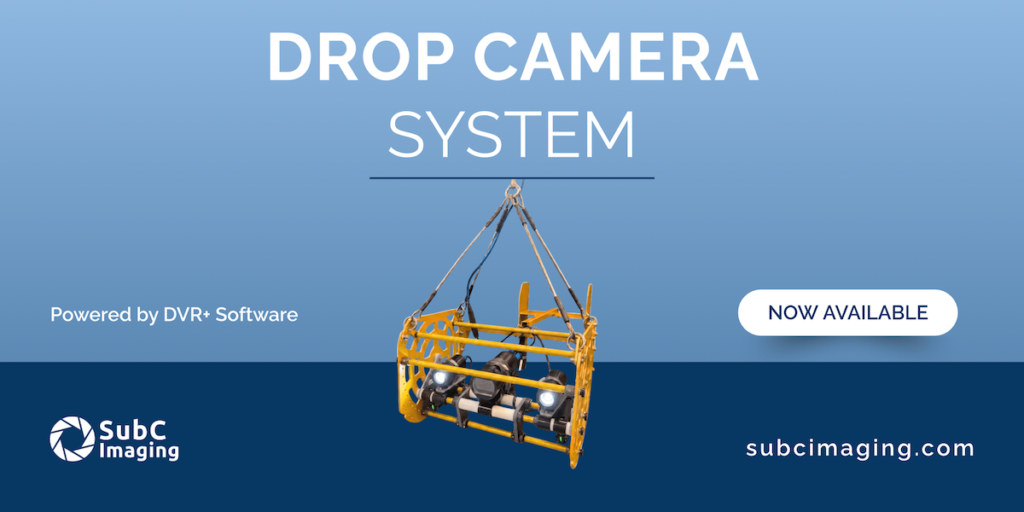
Designed to protect sensitive marine environments while streamlining field operations, SubC Imaging’s new turnkey drop camera system delivers high-resolution seafloor imaging from small vessels without requiring direct seabed contact
SEAMOR Marine has joined the SubC Imaging OEM partner network to provide integrated subsea imaging solutions for observation-class ROVs used in aquaculture, defense, and infrastructure inspection sectors
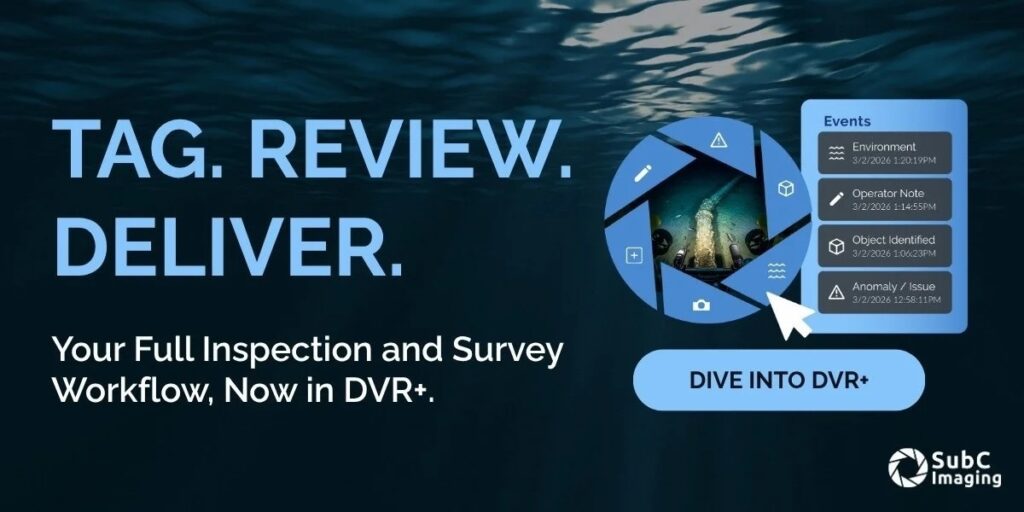
SubC Imaging has released new DVR+ software features that enable live event tagging, post-dive review, and structured export of subsea survey and inspection data
SubC Imaging introduces the Rayfin Trench system to provide researchers and engineers with 4K video capture and autonomous data logging at full ocean depth