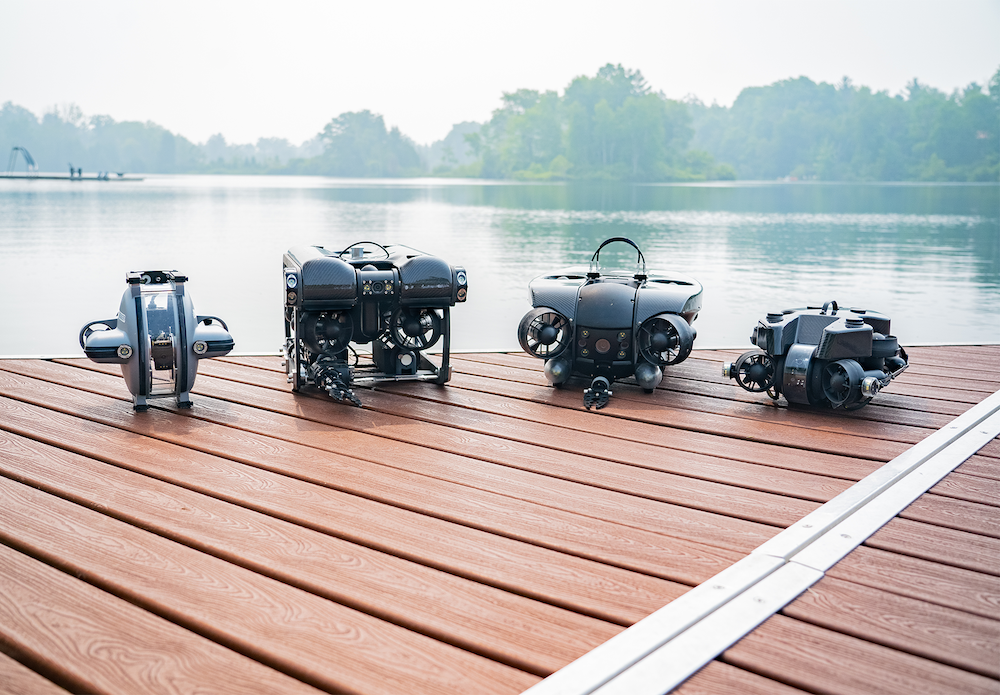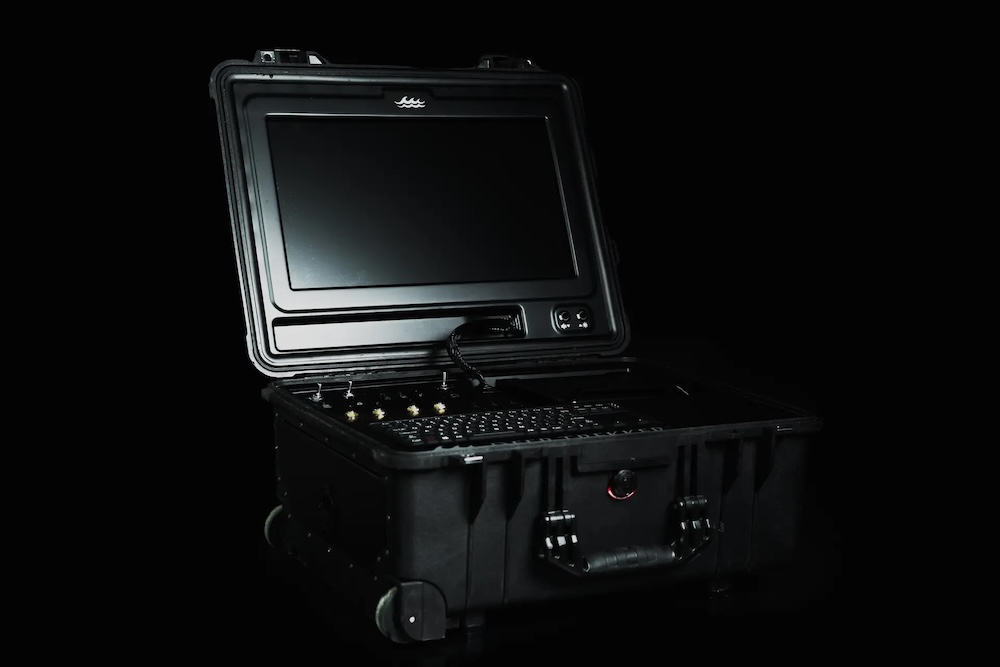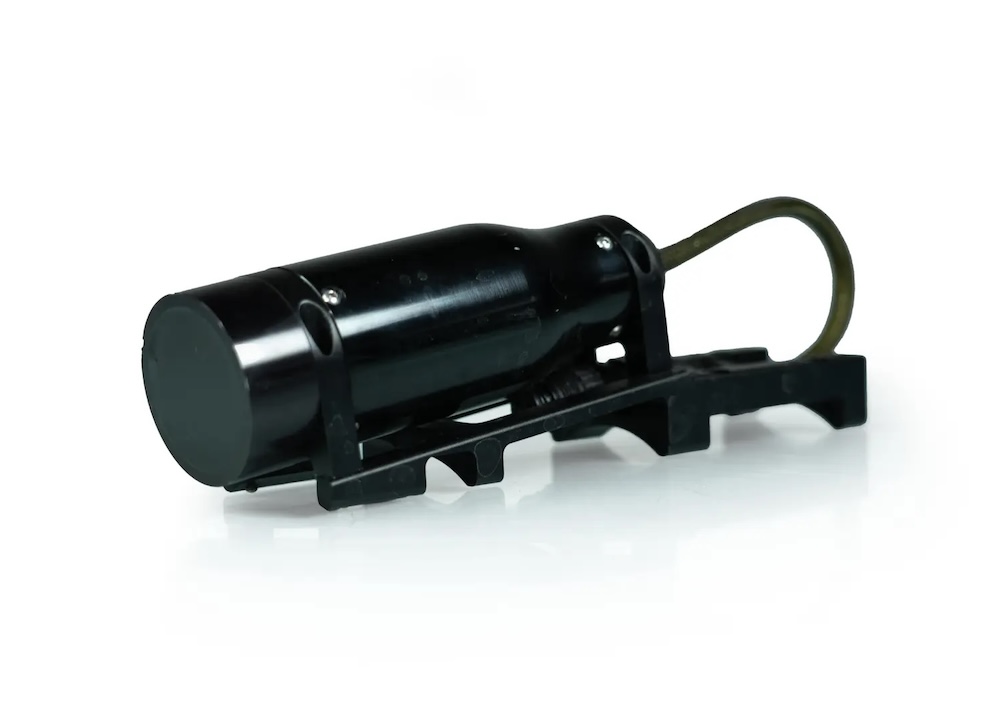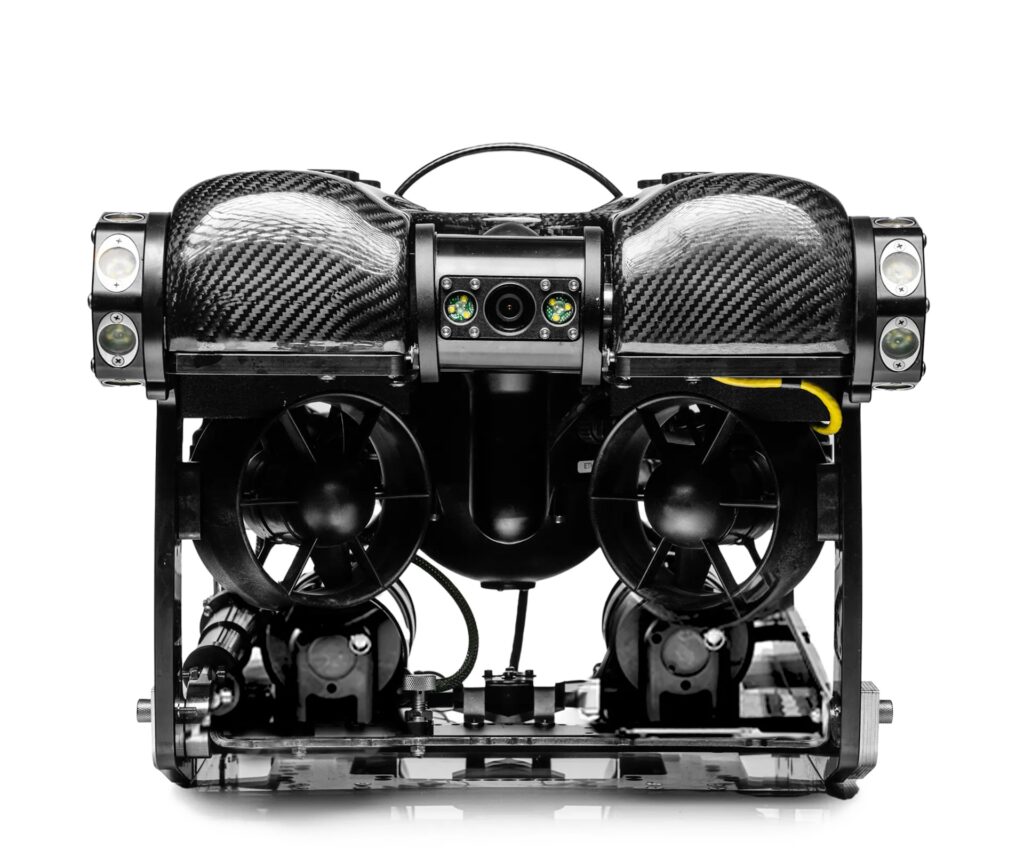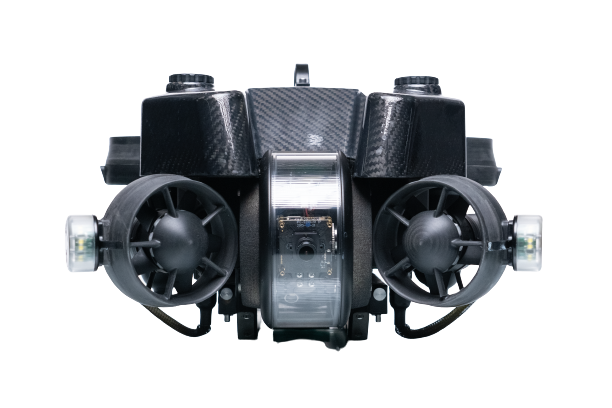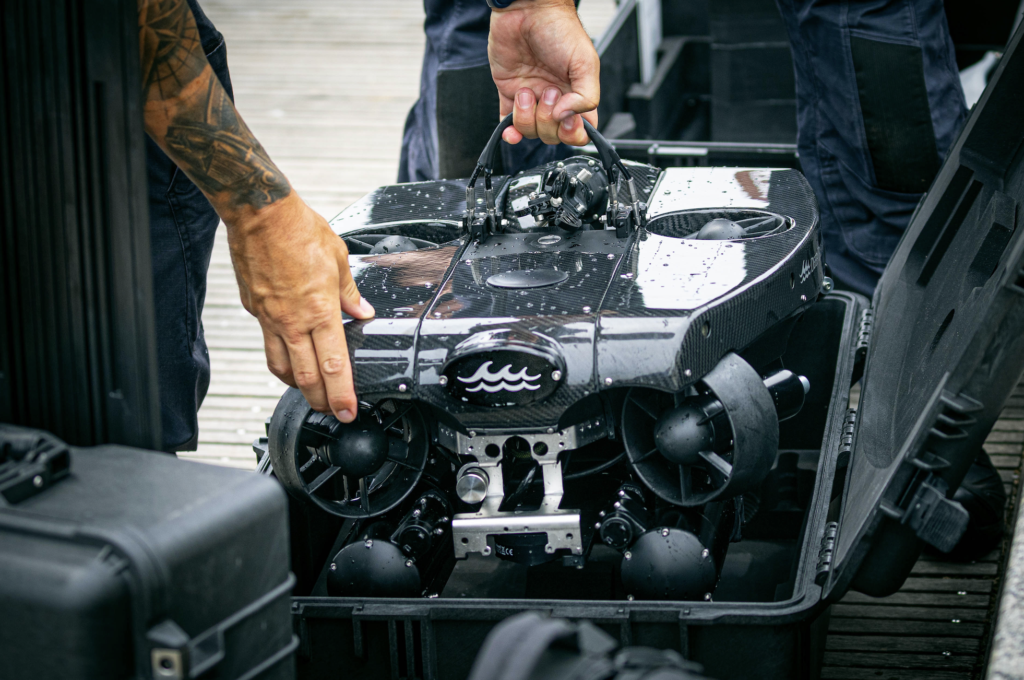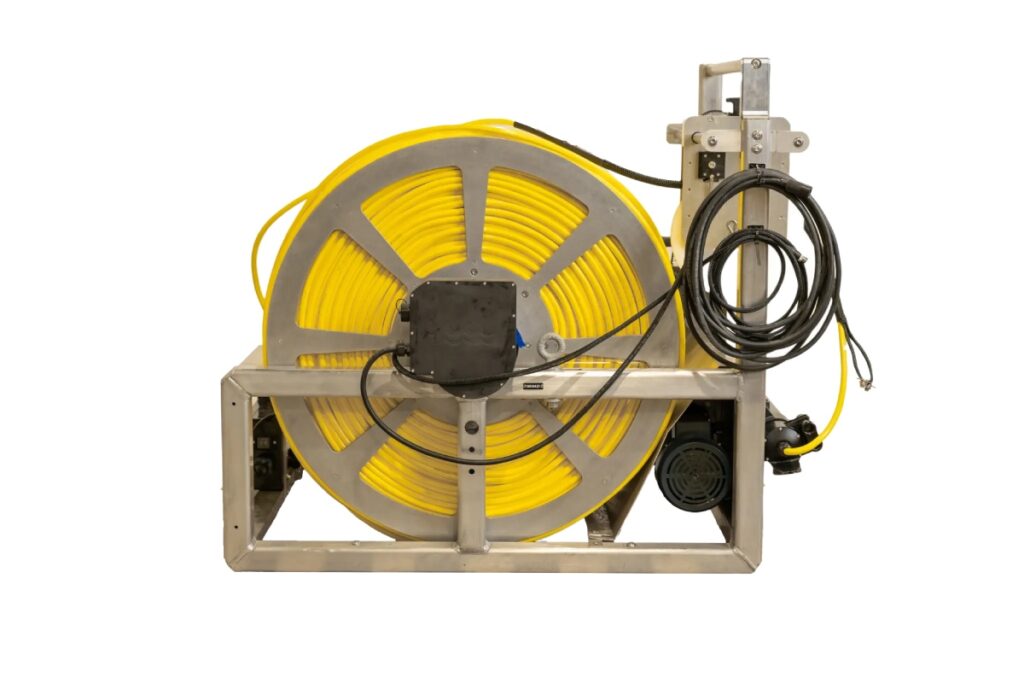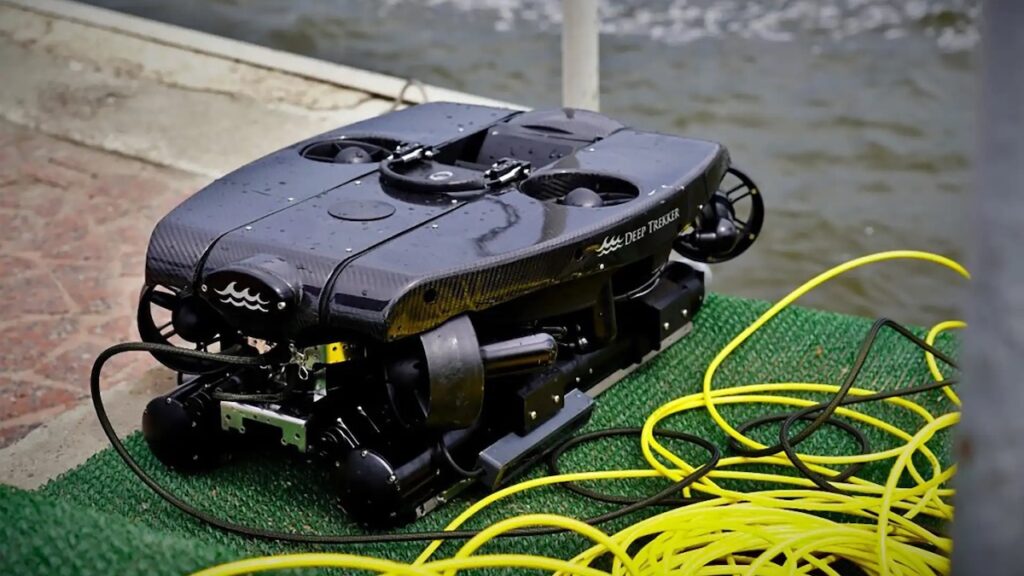


Deep Trekker’s PIVOT underwater ROV played a central role in a successful riser inspection carried out by Orion Inspection and Consulting Services. This case study highlights how Deep Trekker’s technology was effectively utilized to overcome the demanding conditions of offshore environments.
Riser Inspection Challenges in Offshore Settings
Flexible risers are critical components on offshore platforms, responsible for transporting oil and gas from subsea wells to the surface and managing fluid reinjection. These structures face constant exposure to corrosion, strong currents, and extreme weather conditions.
Thorough inspections of risers and associated components, such as bell mouths and bend stiffeners, are vital for maintaining operational integrity and preventing costly downtime. However, harsh offshore conditions, particularly wave swells and underwater currents, often complicate inspection efforts and can render diver-based methods unfeasible.
Meeting Demands with the Deep Trekker PIVOT ROV
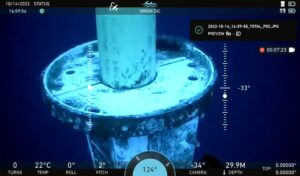
In October and November 2022, Orion utilized Deep Trekker’s PIVOT ROV for a riser inspection on a Floating Production Storage and Offloading (FPSO) unit. The vehicle was tasked with navigating the turbulent “splash zone”, a region where surface waves create significant motion. Smaller ROVs had previously failed to penetrate this area, and larger work-class models were unsuitable for operating in such shallow, dynamic zones. The PIVOT, however, succeeded in passing through the surface swell and reaching the risers with ease.
Designed for stability and maneuverability in dynamic conditions, the PIVOT proved ideal for this application. Its robust construction and ability to counter lateral currents enabled it to complete the inspection despite unfavorable environmental factors. Although NDT sensors were not deployed during this operation, the PIVOT can be equipped with such tools for future missions.
Reliable Performance in Adverse Conditions
The inspection was conducted in currents reaching up to 3 knots, conditions that are challenging for any ROV. Even without a Doppler Velocity Log (DVL), the PIVOT maintained the stability required to inspect 14 production risers at depths of up to 30 meters. Its ability to resist lateral drift ensured accurate data collection and uninterrupted progress.
The ROV remained operational during stormy conditions, including lightning, demonstrating a clear advantage over diver-based inspections, which would not have been possible under such hazards. The entire inspection was completed in just three hours on a single battery charge, emphasizing the system’s efficiency and endurance.
Supporting Diverless Inspection Initiatives
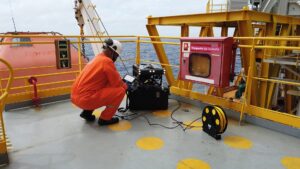
The PIVOT ROV aligns with Diverless Programs introduced by asset owners aiming to reduce the need for divers in high-risk offshore environments. These programs prioritize safety and operational efficiency by leveraging advanced robotic systems.
Felipe Oliveira, CEO of Orion, stated, “On this specific operation, we were told that smaller ROVs had tried to perform this inspection but were unable to pass through the wave area. The PIVOT, however, managed to navigate the environment and carry out the inspection successfully, even under currents of 3 knots within its first deployment.”
The client was highly satisfied with the outcome, leading to a repeat of the operation in March 2024, with additional missions already planned.
Key Advantages of Deep Trekker’s ROVs in Riser Inspections
- Efficiency: Completed 14 riser inspections in just three hours.
- Safety: Eliminated the need for divers in hazardous conditions.
- Reliability: Performed consistently in strong currents, wave swells, and storms.
- Cost-Effectiveness: Reduced operational costs and minimized downtime.
Looking Ahead: The Role of ROVs in Offshore Inspections
As offshore operations grow more complex, the demand for capable underwater robotics like Deep Trekker’s PIVOT ROV continues to rise. These systems enhance both safety and productivity, providing a dependable alternative to diver-based inspections. The success of this project underscores how ROVs are redefining standards in offshore asset monitoring.
This shift toward robotic inspection is more than a trend, it represents a strategic advancement toward safer, more efficient, and cost-effective offshore operations.
Read the full case study or visit the Deep Trekker website for more information.