
Showcase your capabilities
If you design, build or supply Marine Weather Station, create a profile to showcase your capabilities and connect with visitors who have an active requirement for your solutions.


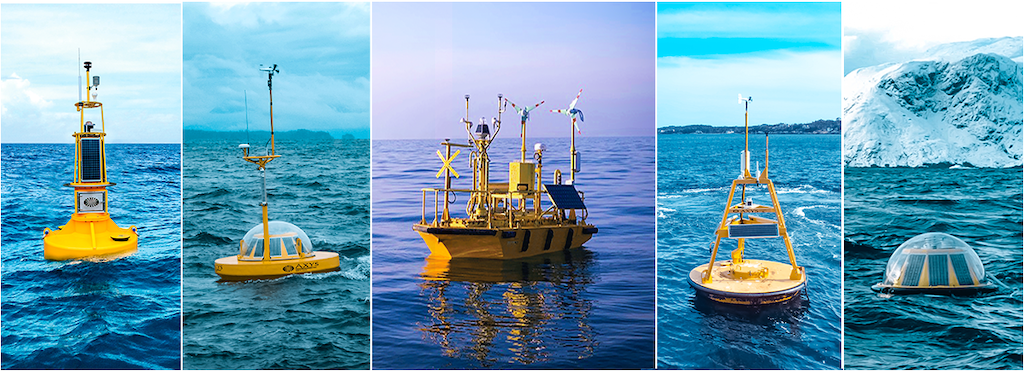
Marine weather stations are essential tools for accurate weather monitoring in coastal waters and further out to sea. Featuring advanced weather sensors for wind speed, barometric pressure, and more, marine weather stations ensure reliable data collection critical to maritime safety and operations.
Read the Technology Overview
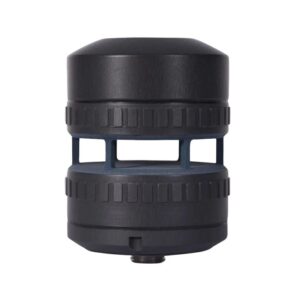
Ultrasonic Weather Stations & Acoustic Sensing Technologies for Marine, Maritime & Offshore Applications

If you design, build or supply Marine Weather Station, create a profile to showcase your capabilities and connect with visitors who have an active requirement for your solutions.

Marine weather stations are essential tools for gathering accurate and reliable data in coastal waters and open seas. These stations provide critical insights into weather conditions, which are vital for safe maritime operations, environmental monitoring, and scientific research.
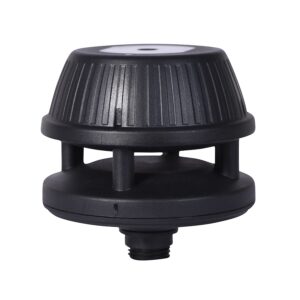
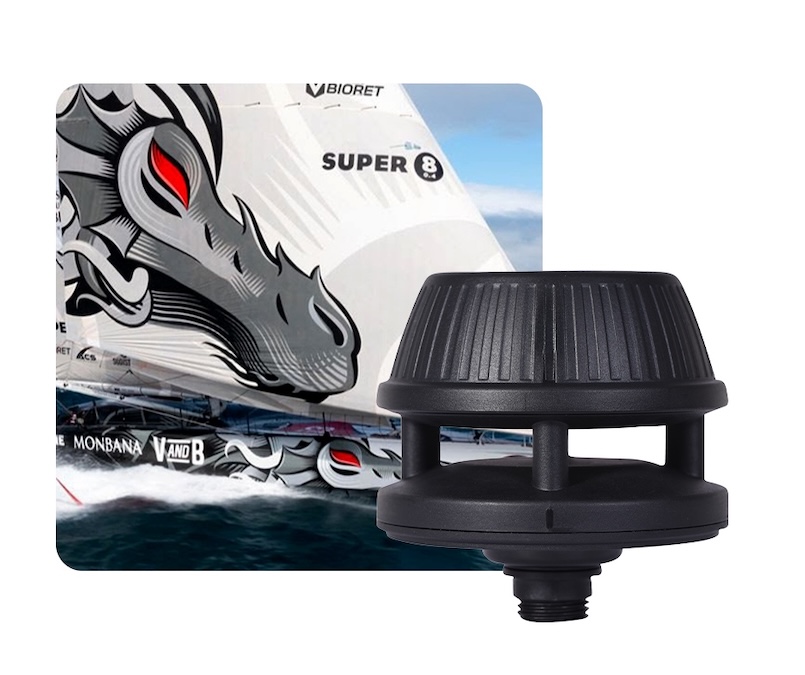
FT602-SM Ultrasonic Wind Sensor by FT Technologies
Accurate weather sensors enable stations to predict weather patterns and ensure safety in marine environments. These devices measure various atmospheric parameters, including wind speed and direction, air temperature, humidity, and barometric pressure.
Anemometers are specialized instruments used to measure wind speed and direction. In marine weather stations, these devices are designed to withstand harsh sea conditions while providing precise wind measurements. This data is essential for navigation, predicting storm patterns, and managing coastal activities.
Barometers measure atmospheric pressure and are integral to forecasting weather changes. Marine barometers help detect pressure variations that can indicate upcoming storms or shifts in weather conditions. This information is vital for preparing for adverse weather and ensuring maritime safety.
Marine weather stations use thermometers to record air and sea temperatures. Monitoring temperature fluctuations is important for understanding climate patterns, tracking marine ecosystems, and conducting research on ocean currents and weather phenomena.
Hygrometers measure humidity levels in the atmosphere. In marine environments, understanding humidity is important for weather predictions and assessing potential impacts on both marine and coastal ecosystems.
Marine weather stations provide real-time data that is critical for safe navigation and maritime operations. Accurate weather information helps sailors and ship operators avoid hazardous conditions, plan safe routes, and make informed decisions.
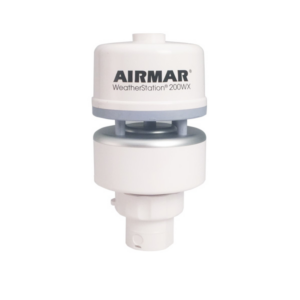
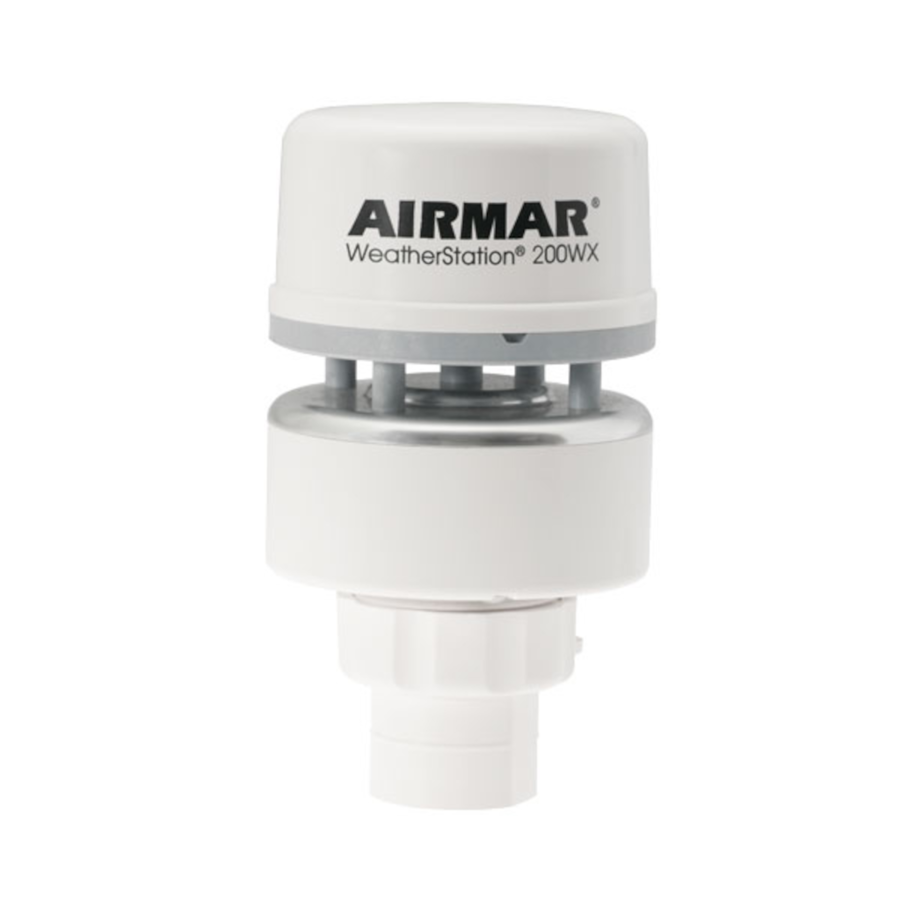
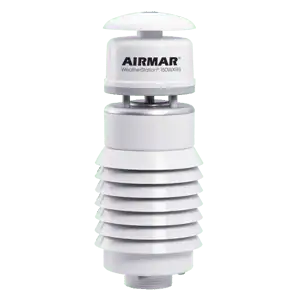
WeatherStation® 200WX-IPX7 by Airmar Technology Corporation
Marine weather stations play a crucial role in environmental monitoring. By providing data on weather and atmospheric conditions, these stations help track climate changes, monitor the health of marine ecosystems, and assess the impact of weather on coastal environments.
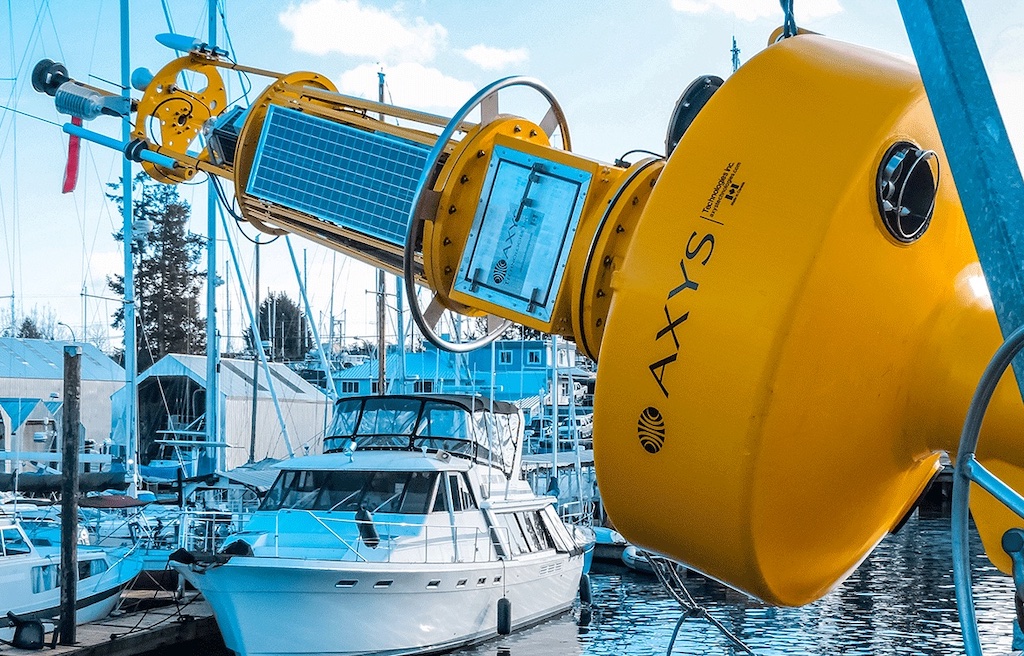
Researchers rely on marine weather stations to collect data for a wide range of scientific studies, including climate research, oceanography, and meteorology. Increasingly, this data is gathered using Uncrewed Surface Vehicles (USVs), which can host marine weather station equipment and autonomously collect atmospheric and ocean surface data over extended missions. The data gathered helps in understanding weather patterns, climate change, and the interaction between marine and atmospheric systems.
For coastal management, marine weather stations offer valuable insights into weather conditions that affect coastal infrastructure and activities. This includes assessing the impact of weather on coastal erosion, water quality, and marine habitats.
When selecting a marine weather station, several factors should be considered:
Marine weather stations must be built to withstand harsh marine conditions, including saltwater corrosion, high winds, and extreme temperatures. Ensure that the equipment is rugged and designed for marine environments.
High-precision sensors are essential for reliable weather data. Look for stations with proven accuracy in measuring atmospheric parameters, as this directly impacts the quality of the data provided.
Modern stations often come with data integration capabilities. This allows for real-time monitoring and analysis through digital interfaces or software. Consider stations that offer easy integration with existing systems for seamless data management.
Regular maintenance is key to ensuring the longevity and accuracy of weather stations. Choose equipment from suppliers that offer comprehensive support and service options.
 Searching Companies & Products

 Subscribe to the Weekly eBrief
The latest engineering and technical developments straight to your inbox - join thousands of engineers who receive it.
Subscribe to the Weekly eBrief
The latest engineering and technical developments straight to your inbox - join thousands of engineers who receive it.