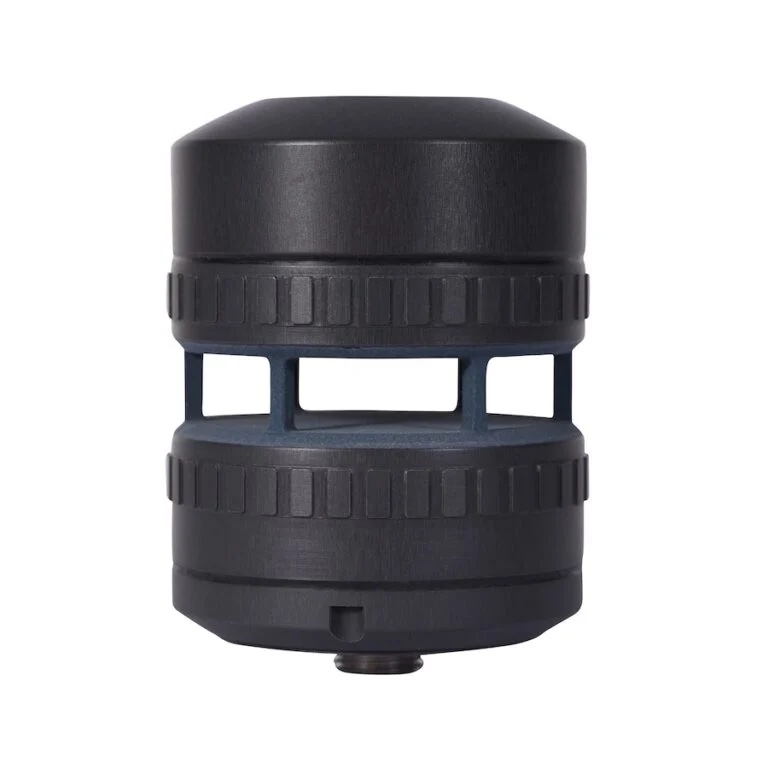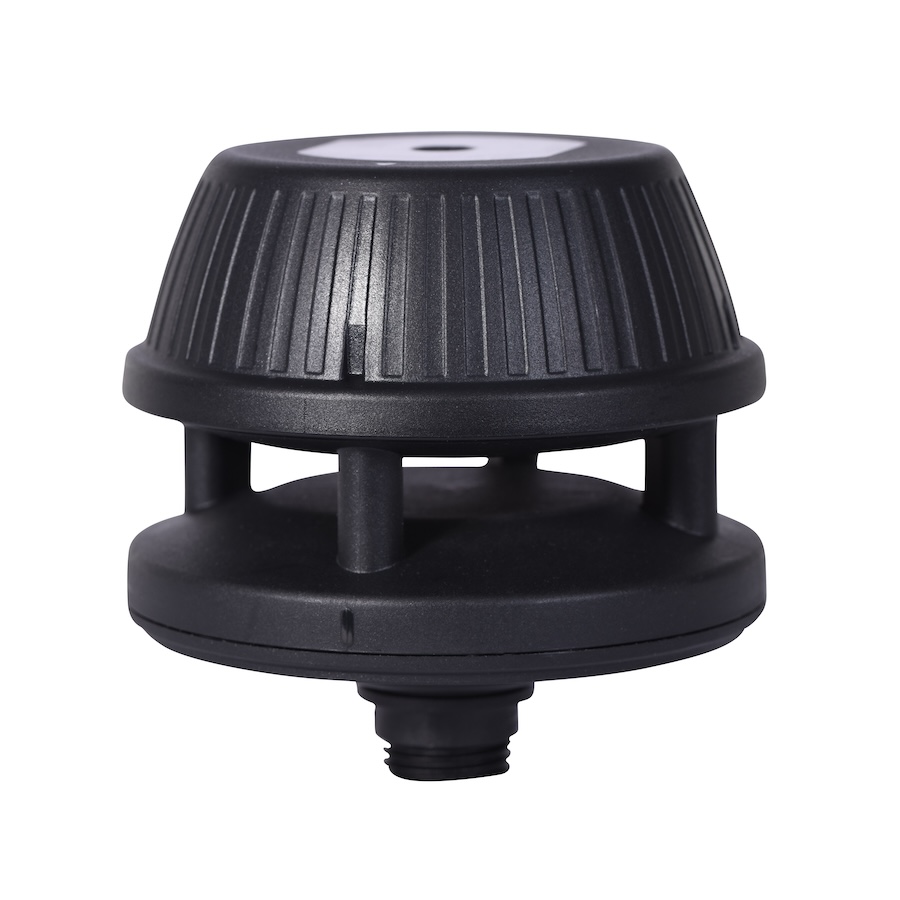

FT Technologies is addressing a growing shift in maritime operations, where wind data has become a critical control input for wind-assisted propulsion (WAP) and advanced vessel systems.
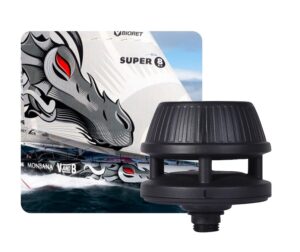
As operators and designers prioritise efficiency, emissions reduction, and performance optimisation, accurate, high-resolution wind measurement is no longer supplementary but essential to vessel control strategies.
Using its Acu-Res® wind sensor technology, FT Technologies provides reliable wind measurement for demanding marine and offshore environments. Based on a solid-state acoustic resonance approach, the sensors are designed to deliver consistent, high-quality data across applications ranging from elite yacht racing to commercial shipping.
From Competitive Sailing to Commercial Maritime Operations
In competitive yacht racing, precise and continuously updated wind data underpins aerodynamic and hydrodynamic modelling. These inputs influence sail trim, foil adjustments, and navigation strategy in real time. A similar requirement is now evident across commercial vessels implementing WAP technologies, where wind measurement serves as a primary control input rather than a supplementary data source.
FT Technologies’ Acu-Res® wind sensors are integrated into onboard systems that combine wind vectors with vessel motion parameters such as speed, pitch, heel, and heading. This combined dataset supports real-time optimisation of vessel performance. Comparable integration strategies are now applied across a range of maritime use cases, particularly in Asia Pacific operations.
Applications include rotor sails and wingsails installed on bulk carriers and tankers, where wind data enables closed-loop control of aerodynamic surfaces to improve efficiency and meet emissions targets. Towing-kite systems also rely on accurate apparent wind measurements to guide steering and regulate thrust contribution during extended voyages.
Hybrid and low-emission vessels incorporate wind data into route optimisation platforms, fuel-efficiency advisory systems, and performance tracking tools. Offshore and coastal workboats operating in challenging seasonal conditions depend on reliable wind sensing to support safe lifting operations, vessel positioning, and harbour manoeuvres.
By adopting a consistent digital wind sensing platform, system integrators can reduce the complexity associated with filtering, sensor fusion, and fault management. This allows engineering resources to focus on higher-level control strategies and performance optimisation.
Acu-Res® Measurement Approach and System Benefits
The Acu-Res® technology measures airflow using sound waves within a compact resonant cavity. Variations in acoustic phase and amplitude caused by wind are processed to determine both speed and direction. This method removes the need for moving parts, avoiding mechanical wear and failure modes associated with traditional anemometers.
The design also mitigates issues found in some ultrasonic systems, including susceptibility to contamination, signal degradation, and physical damage. As a result, the sensors provide stable and repeatable outputs over extended periods, even in environments characterised by salt exposure, vibration, and temperature variation.
For marine stakeholders, this delivers several operational advantages. The sensors produce high-integrity wind data suitable for direct use in propulsion control algorithms, dynamic positioning systems, and advanced autopilot functions. Signal quality remains consistent in the presence of vibration and electromagnetic interference from onboard systems such as radar and communications equipment.
Calibration behaviour is predictable, supporting accurate modelling during vessel design and validation of efficiency improvements during sea trials. The compact and lightweight construction simplifies installation across a variety of vessel structures, including masts, rotor assemblies, and retrofit configurations where space is limited.
Designed for Continuous Marine Operation
Acu-Res® wind sensors are engineered for long-term deployment in harsh maritime conditions, including high humidity, saline exposure, and temperature fluctuations common in Asia Pacific regions. The absence of mechanical components reduces maintenance requirements and eliminates routine replacement cycles associated with traditional devices.
This is particularly beneficial for installations in difficult-to-access locations such as tall masts, rotor towers, and offshore platforms. The sensors are built to withstand mechanical shock, sustained vibration, heavy rainfall, and prolonged salt exposure, supporting extended service intervals and reduced operational disruption.
For vessel designers, shipyards, and integrators, this reliability contributes to more accurate simulation inputs, improved model-based design processes, and increased confidence in retrofit assessments. Reduced maintenance demands also lower the risk of performance degradation caused by sensor drift or mechanical failure.
The scalability of the sensing platform enables deployment across fleets implementing WAP systems, hybrid propulsion technologies, and broader digitalisation strategies aligned with regional decarbonisation objectives.
Supporting Next-Generation Marine Projects
As regulatory frameworks and commercial stakeholders increasingly require verified efficiency improvements, the accuracy and reliability of measurement systems play a critical role. FT Technologies’ Acu-Res® wind sensors provide a robust data foundation for WAP solutions and advanced vessel control systems.
The technology supports a range of development and upgrade initiatives, including advanced navigation and dynamic positioning systems, hybrid and electric vessel platforms, wind-assisted propulsion integrations, and replacement of legacy wind sensing equipment that may compromise safety or operational performance.
FT Technologies also engages directly with naval architects, system integrators, and vessel operators to support project-specific requirements, including system integration strategies and performance objectives.