Showcase your capabilities
If you design, build or supply Hydrophones, create a profile to showcase your capabilities and connect with visitors who have an active requirement for your solutions.


Hydrophones enable precise detection, monitoring, and analysis of underwater sound. From oceanographic research to maritime security, these specialized underwater microphones play a vital role in applications ranging from passive sonar to marine ecosystem conservation. This category explores the evolving technologies behind hydrophones, their use in complex environments, and how they contribute to naval operations, ocean exploration, and environmental studies.
Read the Technology Overview
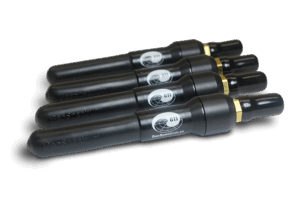
Marine Acoustic Hardware for Maritime Domain Awareness and Oceanography

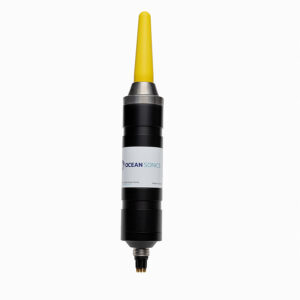
Advanced Real-Time Underwater Listening Technologies & Acoustic Monitoring Solutions

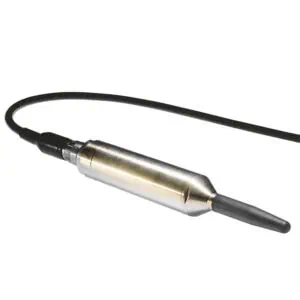
High-Performance Instruments, Sensors & Technologies for Exploring & Monitoring Subsea Environments

If you design, build or supply Hydrophones, create a profile to showcase your capabilities and connect with visitors who have an active requirement for your solutions.

Hydrophones are acoustic sensors engineered to detect and convert underwater sound waves into electrical signals. This capability makes them essential for various marine and underwater applications, from defense and surveillance to scientific and environmental research. Most hydrophones use piezoelectric materials that generate a voltage in response to pressure changes from acoustic waves, allowing precise monitoring of underwater noise and activity.
Hydrophones operate on the principle of acoustic transduction. The core of most hydrophones is a piezoelectric element, which responds to pressure fluctuations by producing an electrical signal proportional to the intensity of the sound wave.
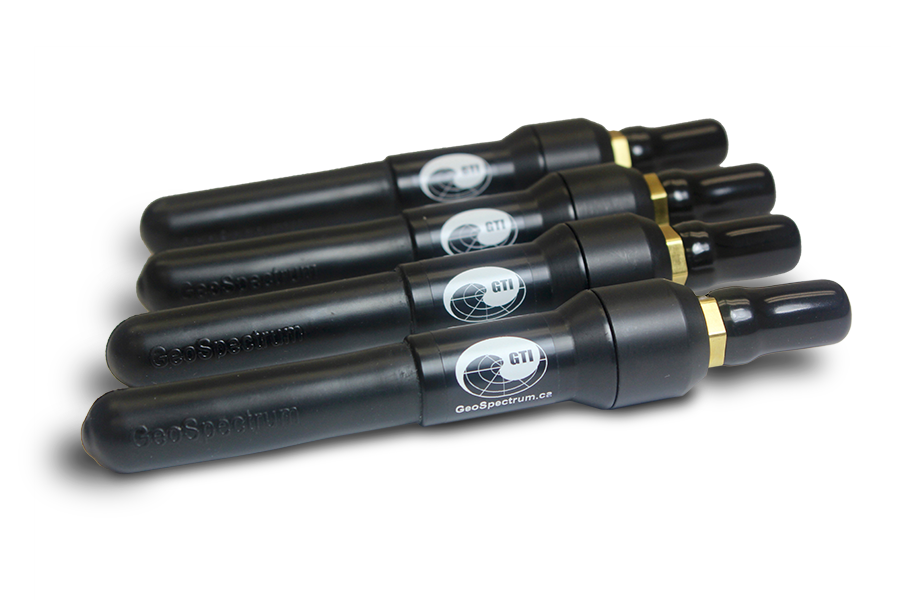
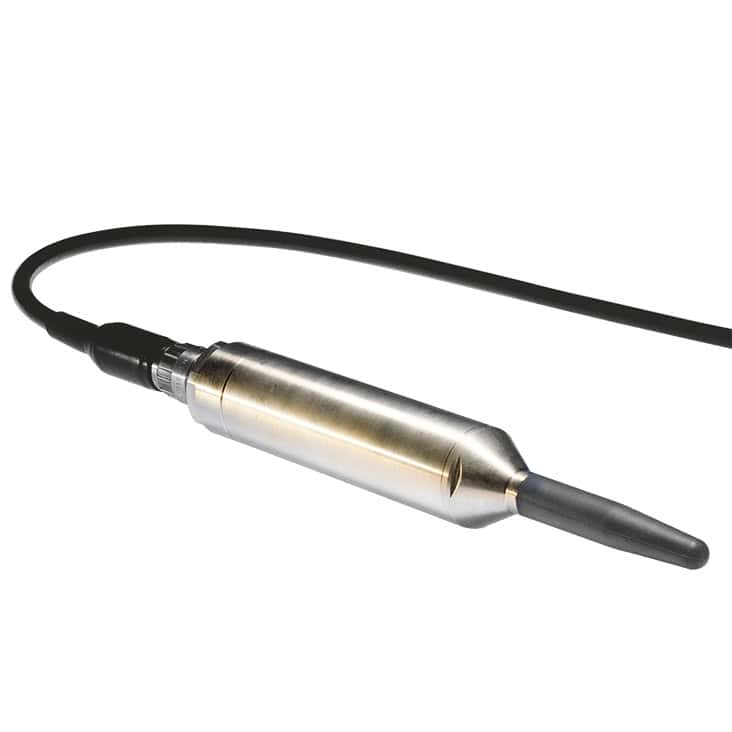
Omnidirectional Hydrophones by GeoSpectrum Technologies
These sensors are typically designed for immersion in water and can be fine-tuned for specific frequency ranges, directional sensitivity, and deployment environments.
In directional hydrophones, acoustic signals are captured from a targeted direction, helping distinguish between multiple sound sources in noisy underwater environments. Omnidirectional hydrophones, on the other hand, collect sounds from all directions, making them suitable for general monitoring and detection tasks.
Hydrophones are indispensable in fields requiring accurate underwater sound analysis. One of their most prominent uses is in passive sonar systems, where they listen to sound emissions from submarines, ships, and marine life without generating any signals themselves. This stealth capability is crucial for anti-submarine warfare, maritime surveillance, and naval intelligence.
Oceanographic researchers use hydrophones to monitor marine species, map the ocean floor, and study environmental noise pollution. In ocean exploration, hydrophones assist in shipwreck identification and deep-sea exploration, offering acoustic imaging of underwater landscapes and geological formations.
Environmental impact studies often use hydrophone arrays to measure sound levels in different parts of the ocean, which can affect marine ecosystems and inform conservation strategies. These arrays also support tidal energy research by monitoring noise output from underwater turbines.
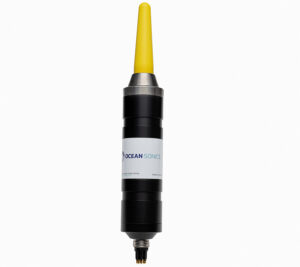
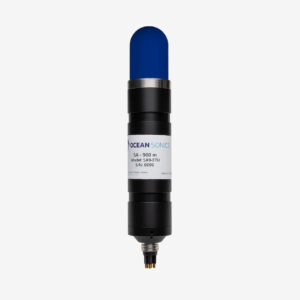
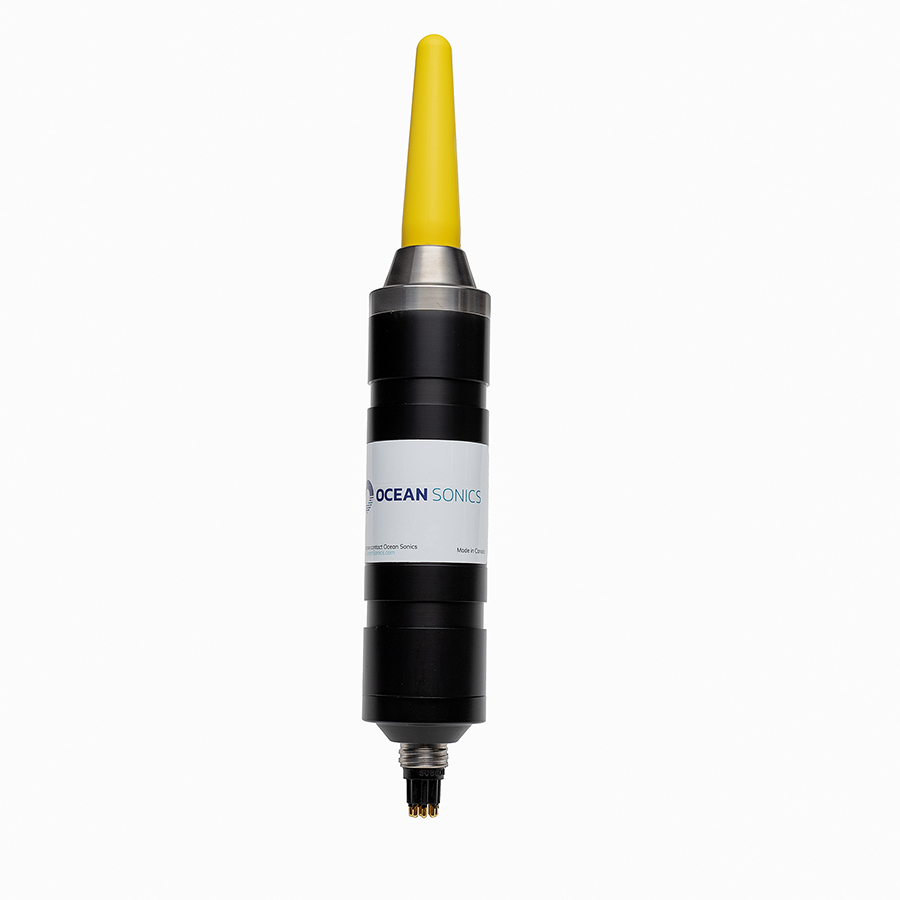
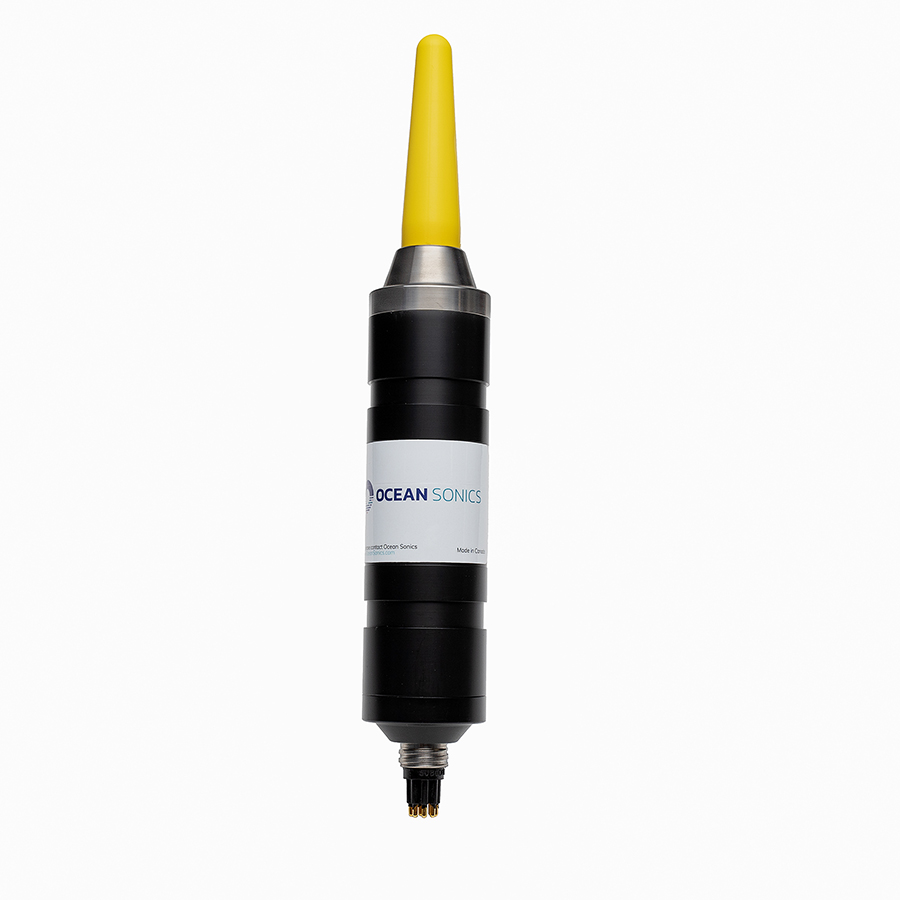
icListen HF Hydrophone by Ocean Sonics
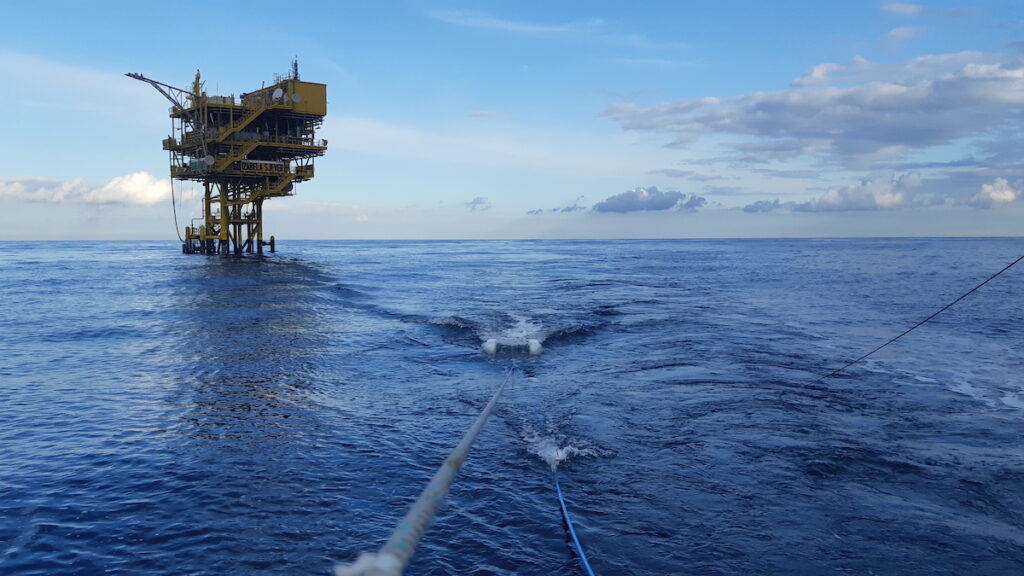
Hydrophones come in various configurations, each designed for specific operational requirements. Towed array sonar systems, for instance, consist of multiple hydrophones spaced along a cable dragged behind a vessel. This setup enables precise directional sound detection over wide areas, which is critical for military and scientific missions.
Sonobuoys are another key category—deployable floating hydrophone units used by naval forces to detect underwater threats. These can transmit real-time data to airborne or seaborne platforms, enhancing maritime situational awareness.
Broadband hydrophones offer wide frequency response ranges, capturing diverse underwater soundscapes from marine mammals to sonar pings. In contrast, hydrophone sensors integrated into seafloor observatories continuously monitor tectonic activity, seismic surveys, and oceanographic phenomena.
Military hydrophones play a vital role in enhancing underwater situational awareness. Integrated into submarines, ships, and underwater surveillance networks, they enable early detection of enemy vessels and potential threats. In anti-submarine warfare, hydrophones detect submarines’ acoustic signatures, facilitating tracking and interception of targets.
Hydrophone arrays contribute to perimeter defense systems, providing early alerts in sensitive maritime zones. Diver detection systems, which rely on hydrophones to identify the unique sound profiles of human divers, enhance security near ports and critical infrastructure.
Sonar hydrophones are often paired with active sonar to boost detection capabilities. While passive sonar listens silently, active sonar emits pulses and analyzes the returning echoes, using hydrophones to collect the data. Together, they form a robust maritime surveillance solution.
In oceanographic and environmental contexts, hydrophones support studies ranging from marine seismic surveys to underwater noise monitoring. Marine scientists use hydrophones to study the impact of human-generated underwater noise on marine mammals, fish, and coral reefs. Acoustic monitoring helps track shoreline changes and sediment movement, benefiting coastal erosion prevention initiatives.
Hydrophones also contribute to marine hydrophone networks, which monitor natural phenomena like underwater volcanoes and landslides. These networks improve our understanding of ocean dynamics and support early warning systems for natural disasters.
Marine conservation efforts leverage hydrophone technology to monitor critical habitats and migration patterns, helping protect endangered species and ensure sustainable practices. Underwater acoustic sensors installed in marine protected areas provide continuous, non-intrusive monitoring of acoustic environments.
As ocean technology advances, hydrophones are increasingly integrated with autonomous underwater vehicles (AUVs), remotely operated vehicles (ROVs), and uncrewed surface vessels (USVs). These mobile platforms expand the reach and flexibility of hydrophone deployments, especially in remote or hostile environments.
The use of hydrophones in ocean sound recording is also growing. Long-duration deployments enable time-lapse studies of seasonal and long-term acoustic changes. Enhanced signal processing and AI-driven analysis are further improving the ability to interpret complex underwater soundscapes.
Hydrophone sensors are being developed with improved sensitivity, dynamic range, and pressure tolerance to meet the needs of deep-sea exploration. These innovations are opening new frontiers in understanding ocean environments and expanding the role of hydrophones in multidisciplinary marine science.
Hydrophones remain a foundational technology in both defense and ocean science sectors. Their ability to capture, analyze, and interpret underwater sound enables a wide range of critical operations, from securing national waters to safeguarding marine biodiversity. Whether used in passive sonar arrays, environmental monitoring stations, or deep-sea exploration missions, hydrophones are indispensable tools for unlocking the secrets of the underwater world.
 Searching Companies & Products