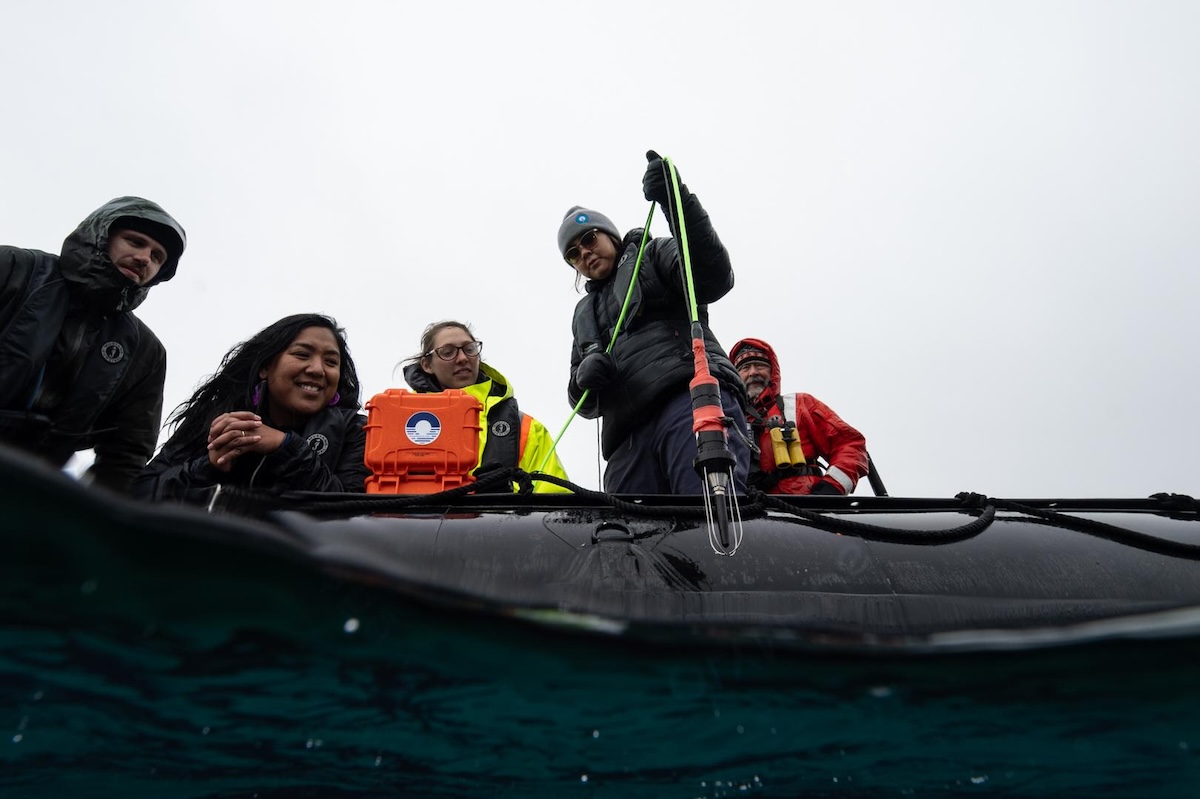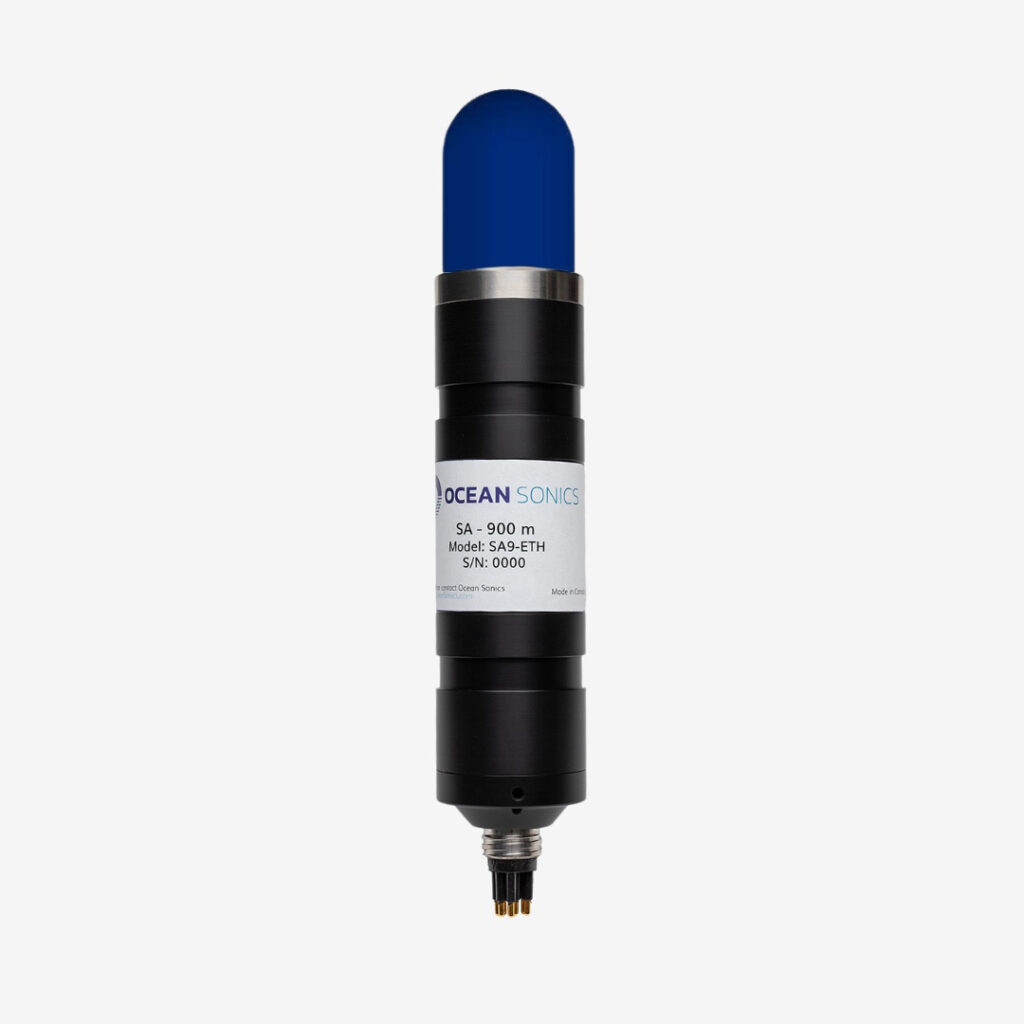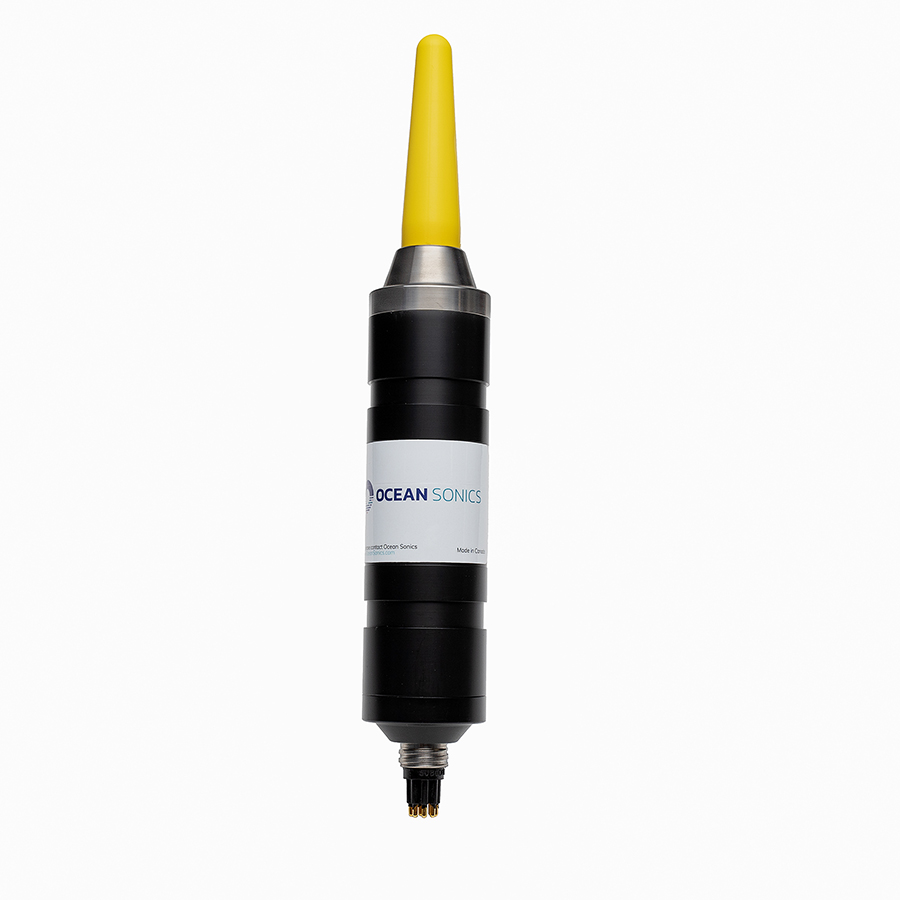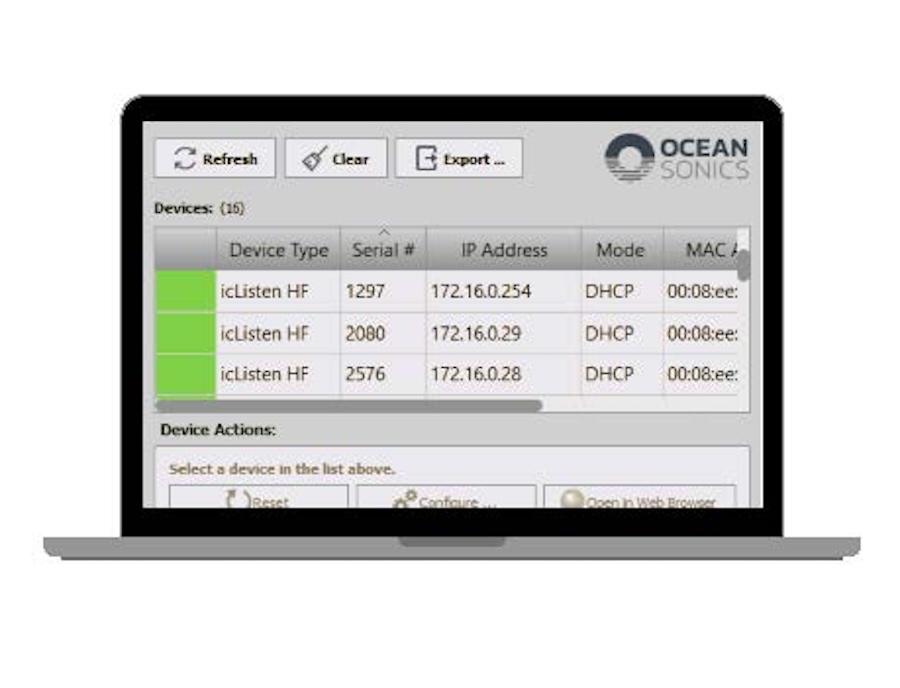

Ocean Sonics, a developer of underwater listening technologies, outlines findings from recent research examining nearly a decade of acoustic data collected in the Arctic Ocean, highlighting how underwater noise in the region is increasing and becoming more complex. Read more >>
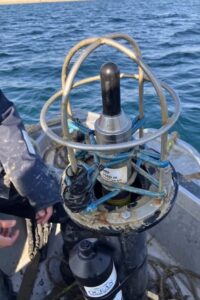
Drawing on long-term monitoring conducted at Cambridge Bay, Nunavut, alongside research published in npj Acoustics, the work establishes a seasonal baseline of the region’s soundscape.
The analysis shows that Arctic noise is not limited to increased vessel activity during summer months. While shipping contributes as sea ice recedes, winter conditions also generate notable acoustic activity. Ice movement, environmental processes, and human inputs such as snowmobiles and aircraft create a dynamic and variable sound environment, with many of these sources not captured by traditional monitoring approaches that focus on low-frequency ranges associated with large vessels.
The findings indicate that underwater noise in the Arctic spans a broader range of frequencies and sources than current regulatory frameworks account for. Given the importance of sound for marine species communication, navigation, and foraging, even small increases in noise may influence behavior and ecosystem dynamics. The research highlights the need for continuous, long-term monitoring to better define baseline conditions and track change over time as activity in the region continues to expand.
Read ‘Ten years of icListen Hydrophone Data in the Arctic’ for more information >>