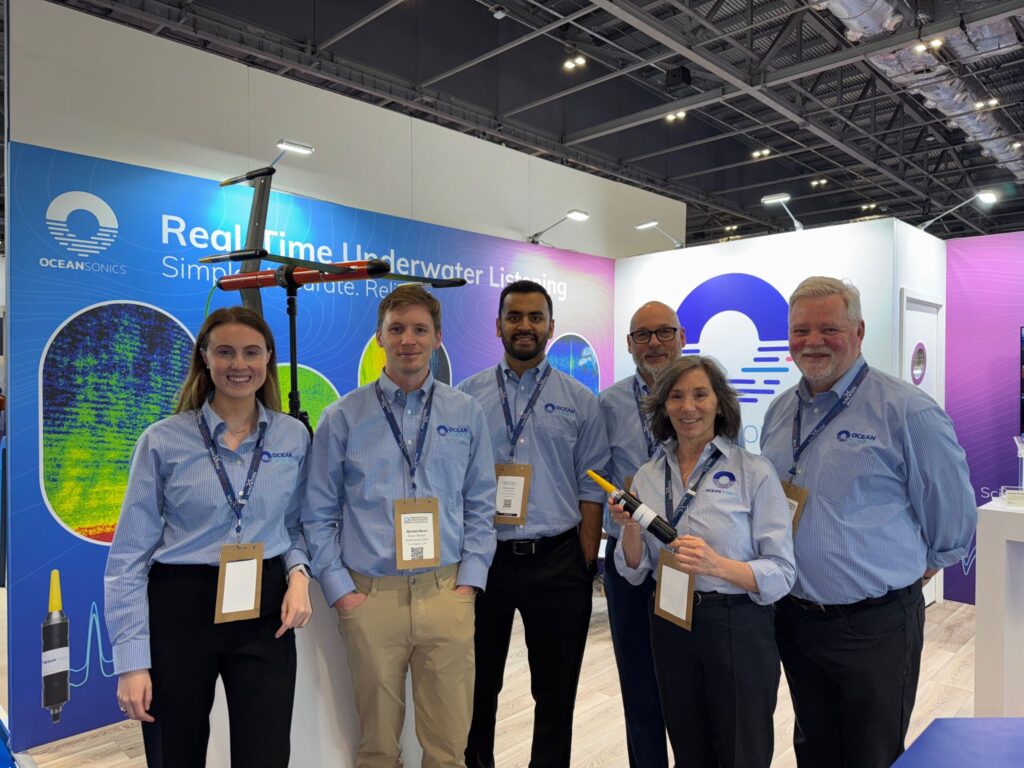


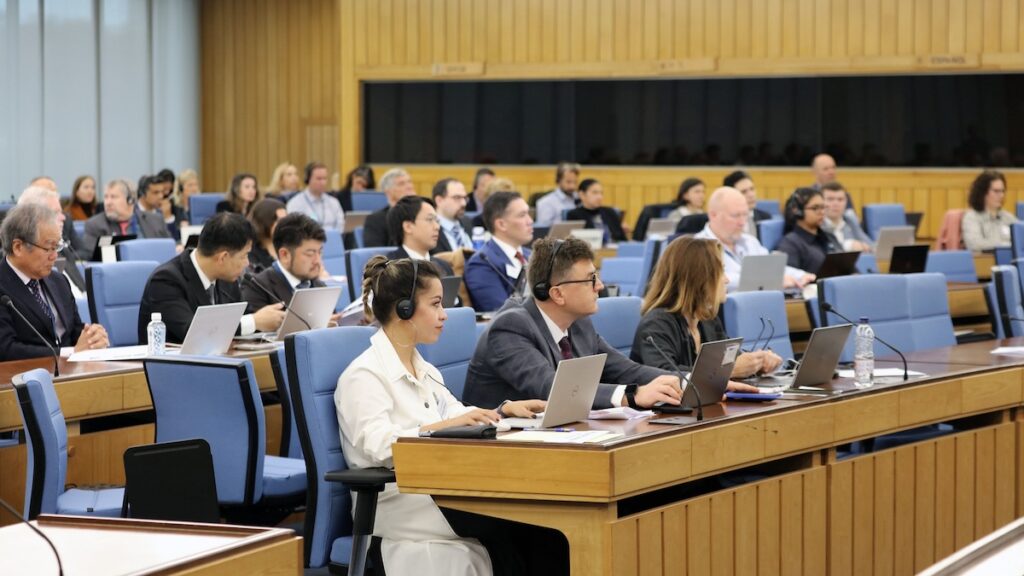
Ocean Sonics, represented by Mark Wood, took part in the International Maritime Organization’s (IMO) 2025 Workshop on the Relationship Between Ship Energy Efficiency (EE) and Underwater Radiated Noise (URN).
The meeting continued international work aimed at improving ship energy performance while reducing underwater noise that affects marine environments.
Regulatory Context
Updated IMO guidelines for reducing underwater radiated noise were approved in July 2023 and became effective in October 2023. The first workshop examining the relationship between URN and ship energy efficiency was held in September 2023.
Further revisions were adopted in October 2024, including a URN Management Planning Reference Chart and a renewed Action Plan. These updates led to the second workshop in 2025, where alignment between energy efficiency and URN objectives remained a central focus.
2025 Workshop Focus
The sessions were organized around four themes:
Day 1
- Theme 1: Updates on advances in technical energy efficiency and URN reduction.
- Theme 2: Integrated EE and URN management, including cost evaluation and incentivization schemes.
Day 2
- Theme 3: Moving toward integrated design standards for EE and URN.
- Theme 4: Using predictive models to evaluate co-benefits and guide future EE and URN objectives.
The workshop aimed to examine trends in EE and URN technologies, learn from real-world implementation of management planning and incentivization schemes, advance integrated design practices, and strengthen collaboration among industry, regulatory bodies, and research groups.
Key Observations
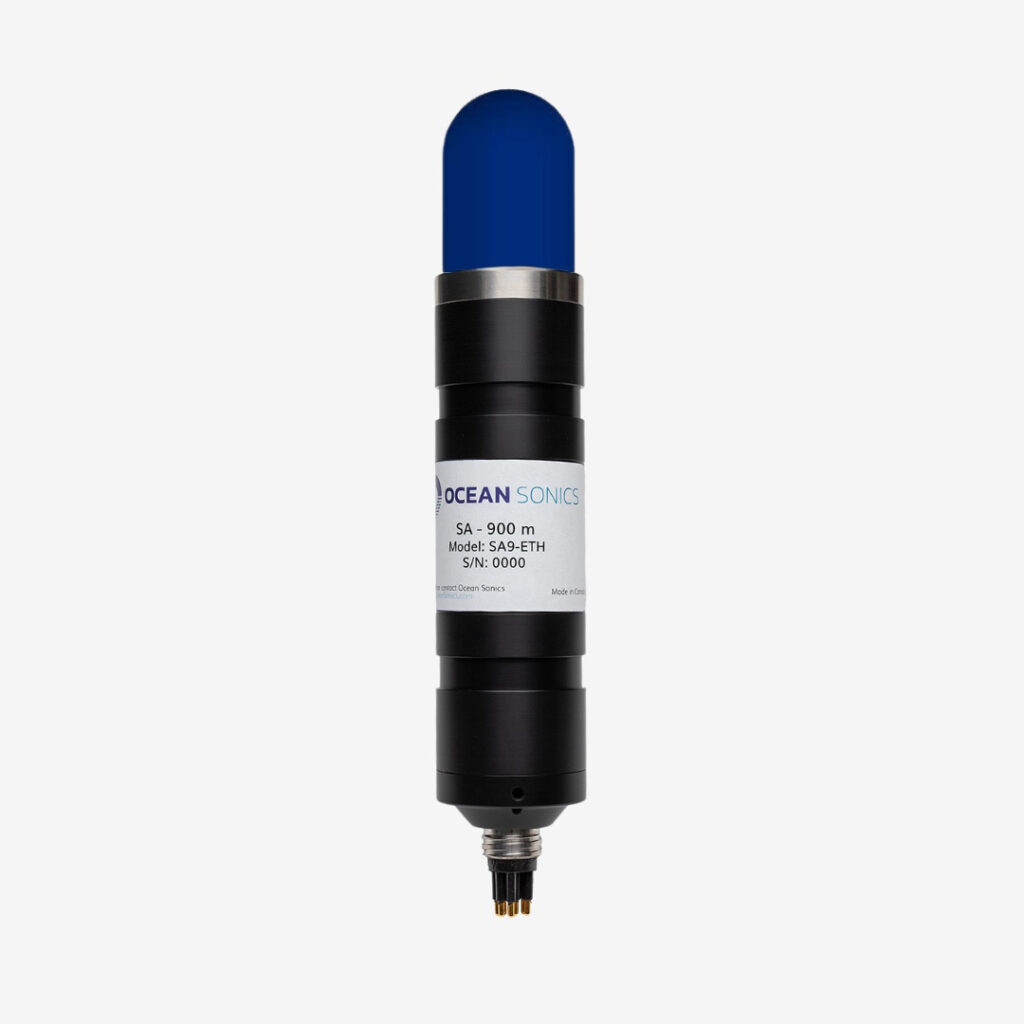
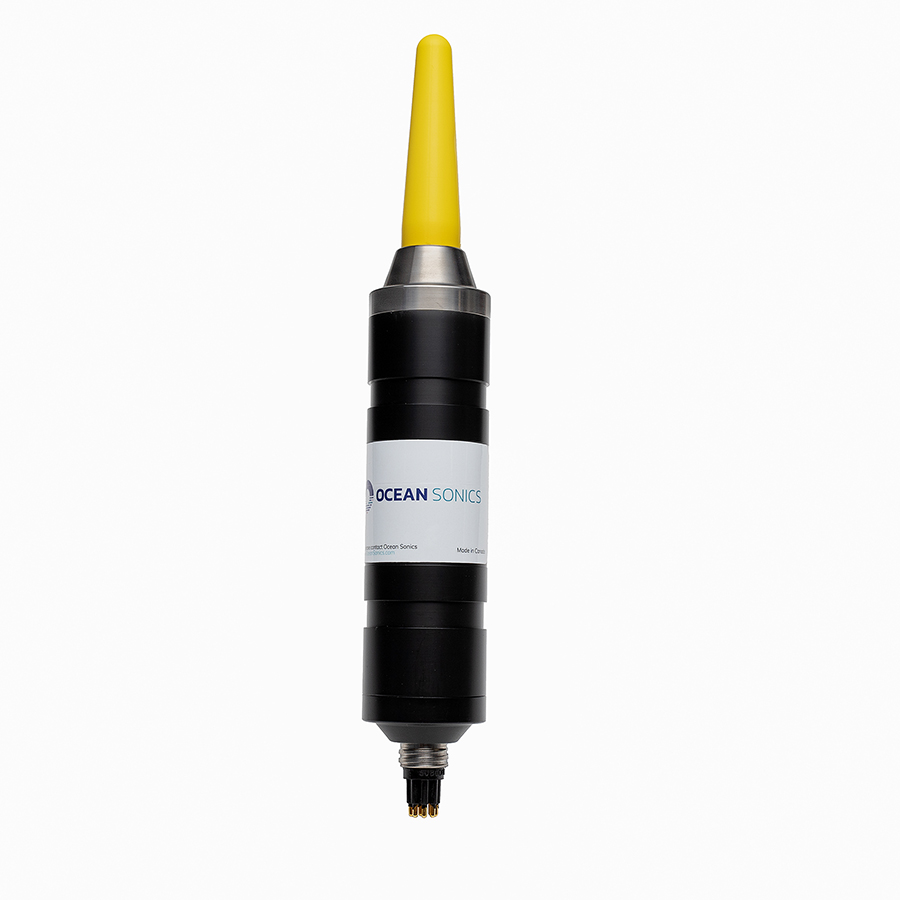
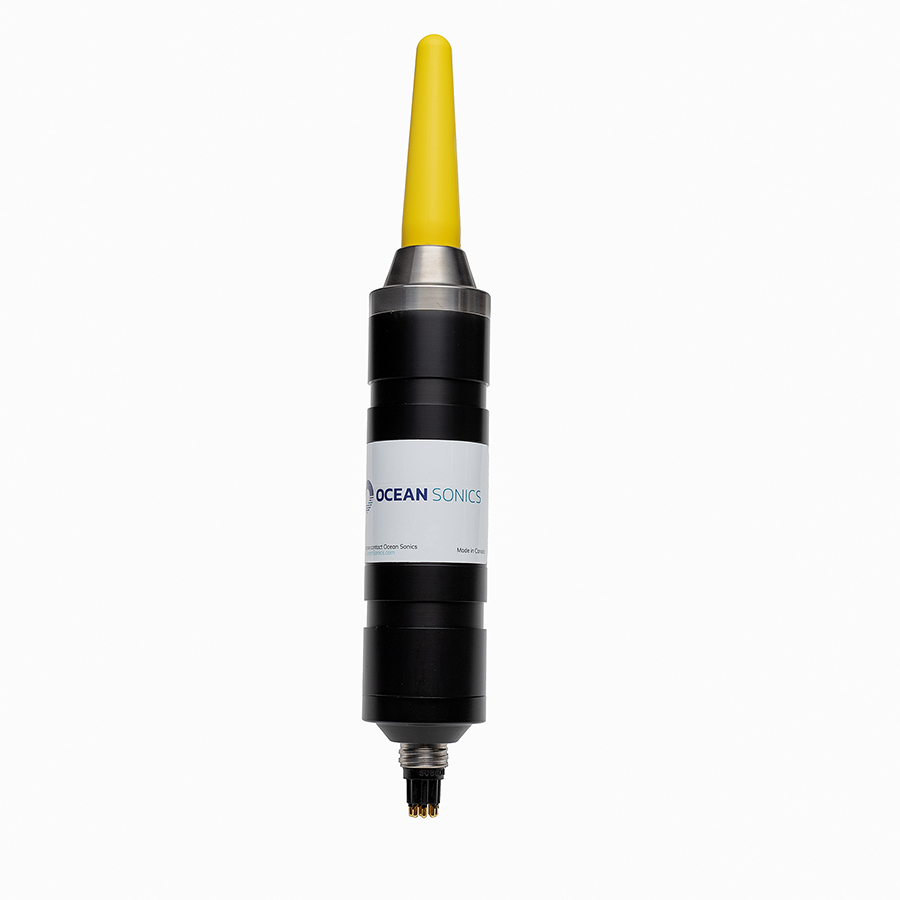
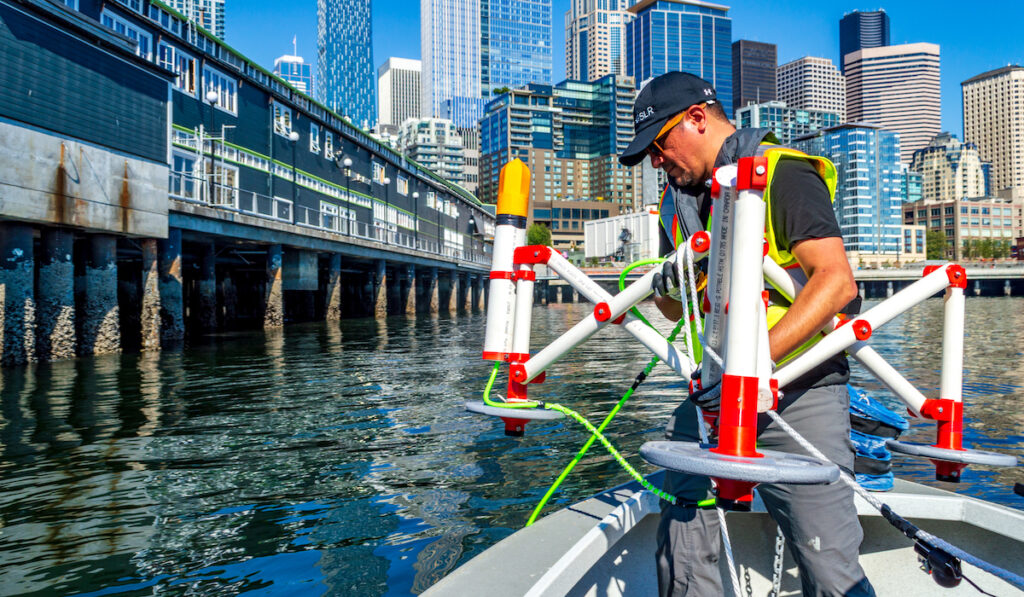
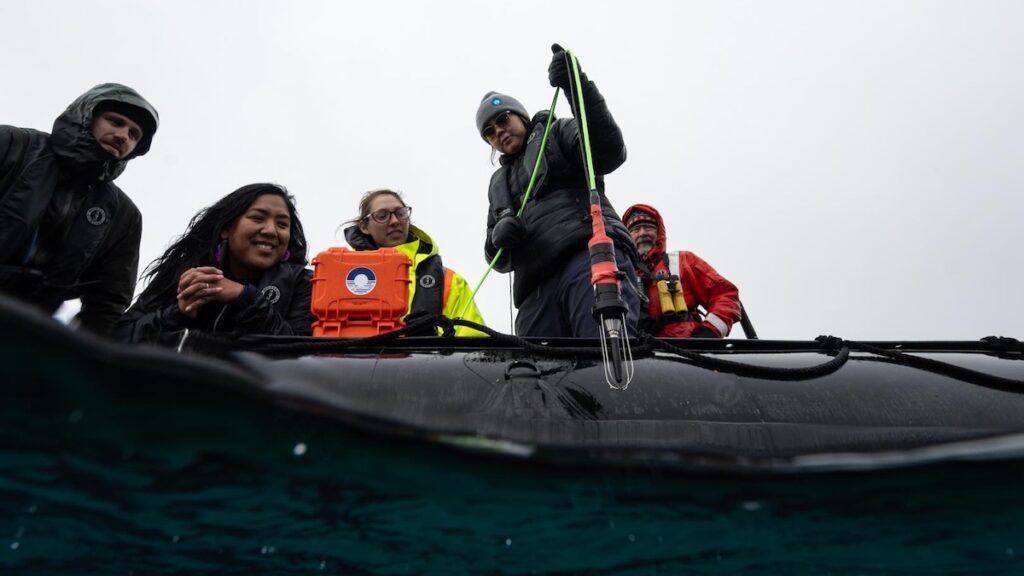
Participants emphasized the need for accessible and dependable tools for URN measurement. Case studies highlighted the use of the Ocean Sonics icListen smart hydrophone, including work within the ECHO program, the MARS platform, and BC Ferries’ measurement initiatives. These examples showed how icListen supports real-time acoustic data collection in both research and operational settings.
Wood noted that the sector is moving through the Experience Building Phase, where modelling, policy development, and operational practice begin to converge. Discussions focused on developing approaches to URN management that are practical, scalable, and financially realistic.
Four Main Takeaways
- Make URN and EE financially attractive: Cost-effectiveness and clear returns remain essential for widespread uptake. Early de-risking and broader access to measurement systems were identified as key factors.
- Public perception matters: Clear environmental action and transparent reporting carry public relations value beyond regulatory requirements.
- Integrate URN into vessel design: Existing modelling capabilities are strong, and incorporating URN considerations into early-stage ship specifications could help accelerate progress.
- Keep refining and iterating: Improved modelling and shorter development cycles will reduce uncertainty and support more efficient movement from research to application.
Discussions also considered on-vessel URN monitoring systems and explored the potential fuel and efficiency benefits of “Just In Time” arrival strategies.
Another compelling discussion centered on the “Just In Time” shipping model, which synchronizes vessel arrivals to reduce idle periods and fuel use. If adopted at scale, this approach could deliver significant energy savings, although it would require major operational changes across ports and operators.
Looking Forward
The IMO’s ongoing efforts show that underwater radiated noise management and ship energy performance are becoming increasingly interconnected priorities for sustainable maritime operations.
Ocean Sonics’ icListen smart hydrophones continue to support researchers, regulators, and vessel operators in gathering the information needed to help understand and reduce underwater noise as part of broader energy-efficient practices.