Showcase your capabilities
If you design, build or supply Fluorometers, create a profile to showcase your capabilities and connect with visitors who have an active requirement for your solutions.



Oceanographic fluorometer instruments measure fluorescence from natural or introduced substances in seawater to support biological, biogeochemical, and environmental monitoring. Systems may be configured to detect chlorophyll-a, CDOM, algal pigments, fluorescent tracers, or hydrocarbon-related compounds, with single-channel, multi-channel, spectral, and active fluorometry options available.
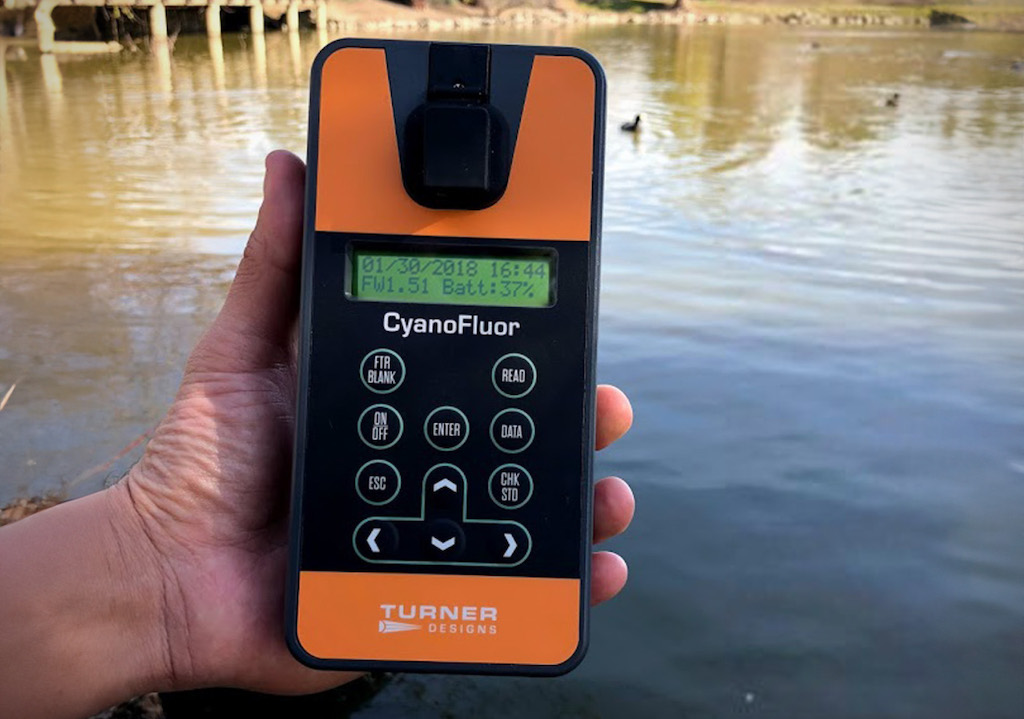
This page showcases underwater fluorometer suppliers with instruments ranging from portable field units to pressure-rated underwater fluorometers.
Read the Technology Overview
High-Precision Oceanographic Sensors & Hydrographic Measurement Solutions for Marine & Subsea Platforms

Advanced Water Quality Monitoring & Environmental Sensing Solutions

Modular Hydrographic & Oceanographic Instrumentation for Survey, Research & Autonomous Marine Operations

If you design, build or supply Fluorometers, create a profile to showcase your capabilities and connect with visitors who have an active requirement for your solutions.

Oceanographic fluorometer instruments measure fluorescence from natural or introduced substances in seawater. A fluorometer illuminates a sample or water volume at a selected excitation wavelength, then detects light emitted at a longer wavelength. By selecting optical filters, light sources, and detectors, a fluorometer sensor can be configured for targets including chlorophyll-a, Colored Dissolved Organic Matter (CDOM), algal pigments, fluorescent dyes, and some hydrocarbon compounds. In-vivo fluorometry provides rapid relative fluorescence measurements and, with appropriate calibration and validation, can estimate concentration. Results can also be influenced by temperature, particles, ambient light, detector response, and sample optical properties.
Marine fluorometer systems range from portable fluorometer instruments for field measurements to pressure-rated submersible fluorometers designed for continuous deployment. An underwater fluorometer may operate independently or form part of an oceanographic fluorometer profiler, Conductivity, Temperature, and Depth (CTD) package, mooring, glider, float, or other autonomous observing platform. This versatility supports biological oceanography, water-quality monitoring, biogeochemical research, and distributed ocean observation.
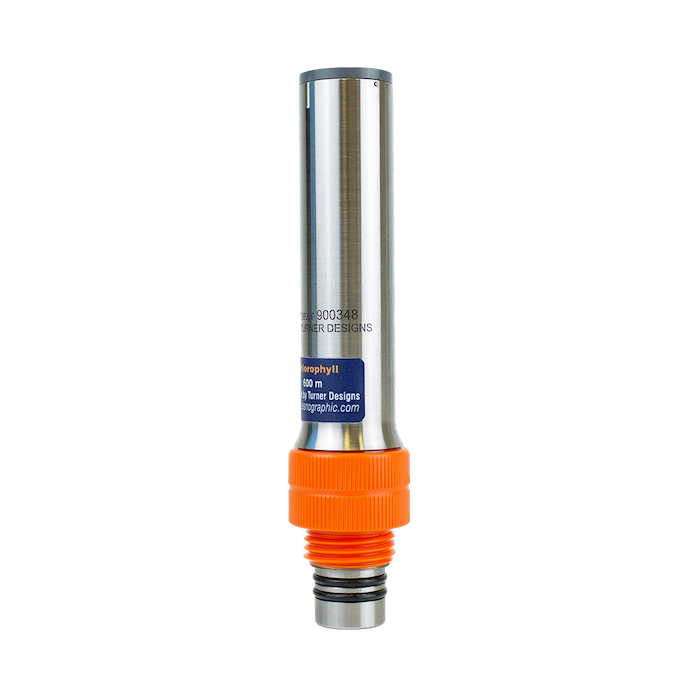
Chlorophyll fluorometers measure fluorescence associated with photosynthetic pigments, particularly chlorophyll-a. A chlorophyll-a fluorometer or chlorophyll fluorescence sensor provides frequent observations of phytoplankton distribution. These measurements are usually treated as proxies rather than fixed measurements of chlorophyll concentration because fluorescence yield varies with phytoplankton physiology, ambient light, temperature, nutrient status, and community composition. Surface measurements can also be suppressed by non-photochemical quenching under strong sunlight, so local calibration and supporting samples improve interpretation.

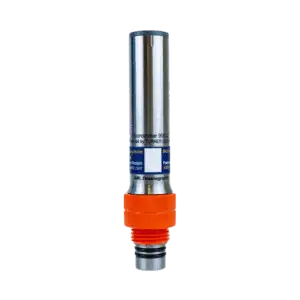
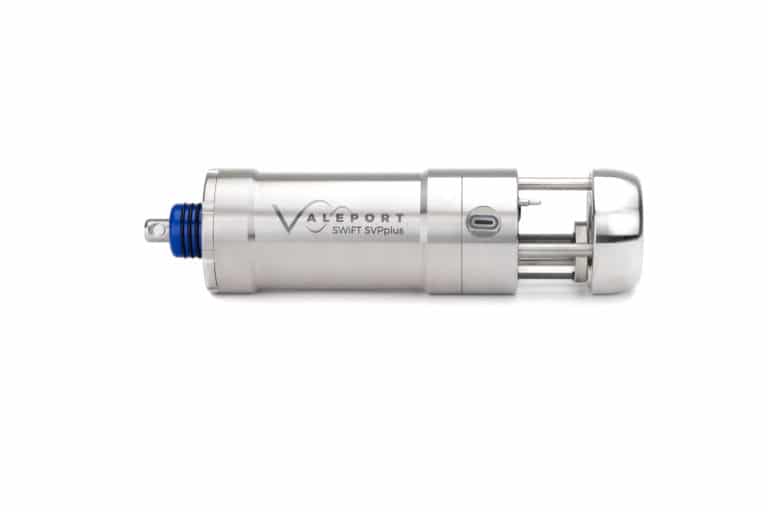
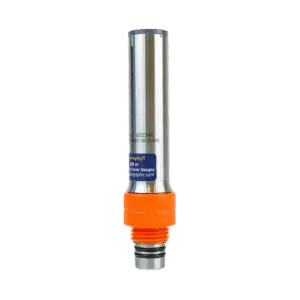
SWiFT SVPplus Chlorophyll a Fluorometer by Teledyne Valeport.
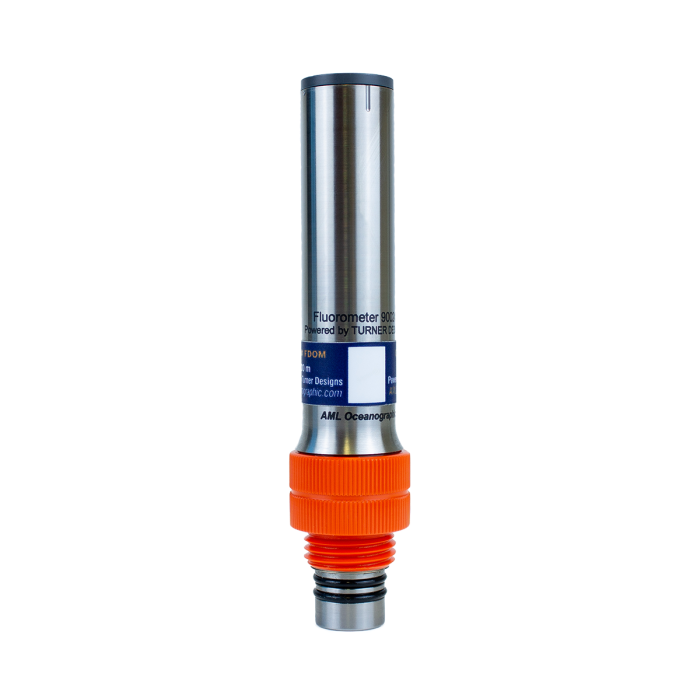
A CDOM fluorometer detects fluorescence associated with dissolved organic material in natural waters. Fluorescent Dissolved Organic Matter (FDOM) refers specifically to the fluorescent fraction or signal associated with dissolved organic matter. A CDOM sensor helps characterize water masses, terrestrial inputs, organic matter transport, and coastal processes. Interpretation depends on excitation and emission bands, while temperature and optical interference can also affect the response.
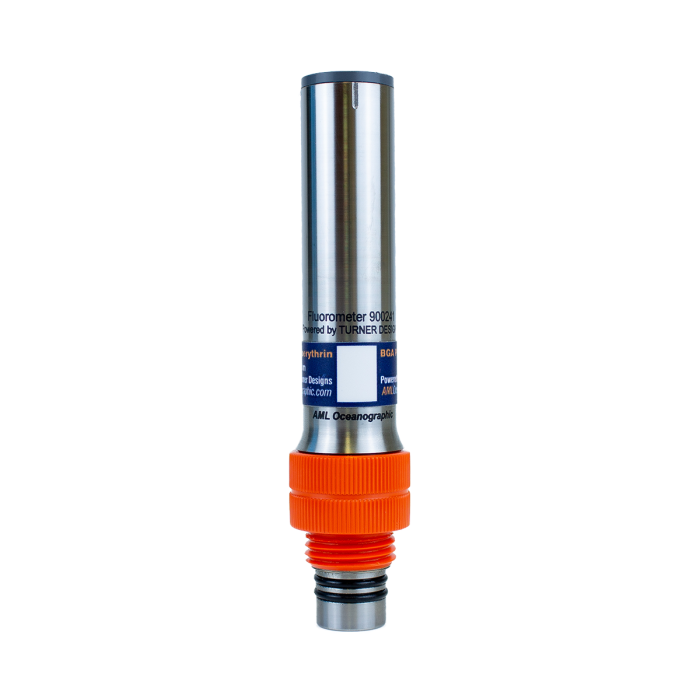
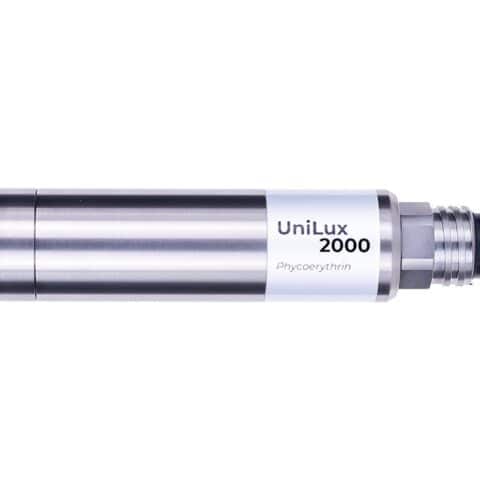
Phycocyanin and phycoerythrin sensors target accessory pigments associated with cyanobacteria and other photosynthetic organisms. A cyanobacteria fluorometer, blue-green algae fluorometer, or algal fluorometer may complement a conventional chlorophyll sensor when more pigment-group information is required. Neither measurement provides definitive species identification because pigment concentration and fluorescence yield vary among organisms and environmental conditions.
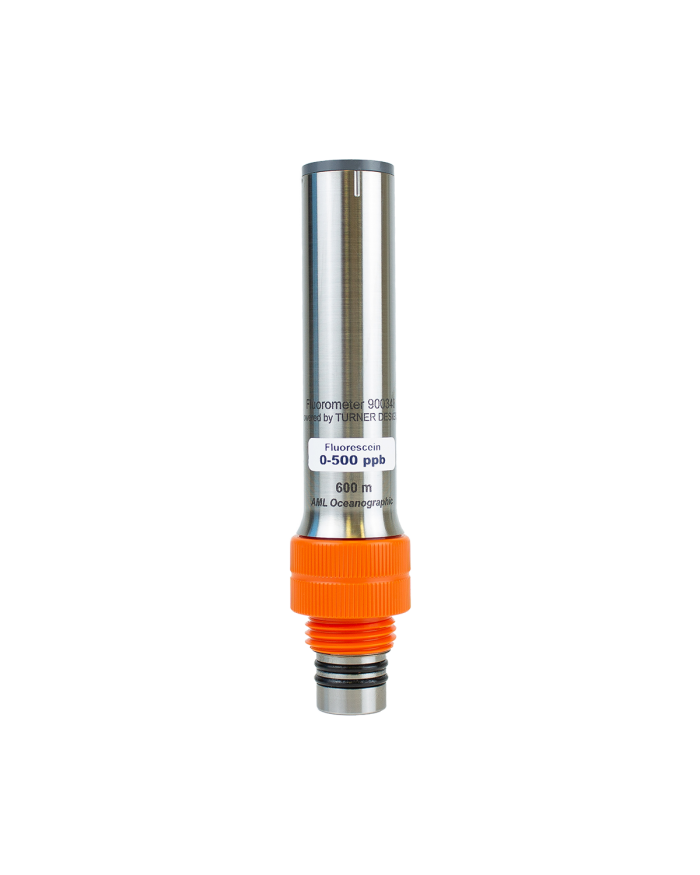
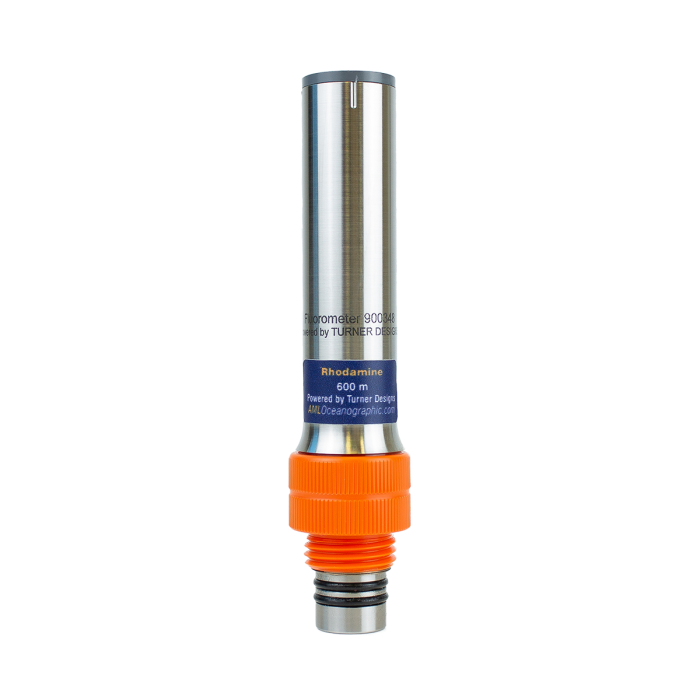
Dye fluorometers measure deliberately introduced fluorescent tracers to study water movement. A rhodamine fluorometer or rhodamine sensor can track Rhodamine WT, while a fluorescein fluorometer or fluorescein probe can be configured for fluorescein-based experiments. These instruments support studies of dispersion, dilution, residence time, mixing, and transport. Correct optical channels and calibration are important because response varies with concentration, temperature, background fluorescence, and, at high concentrations, optical self-absorption.
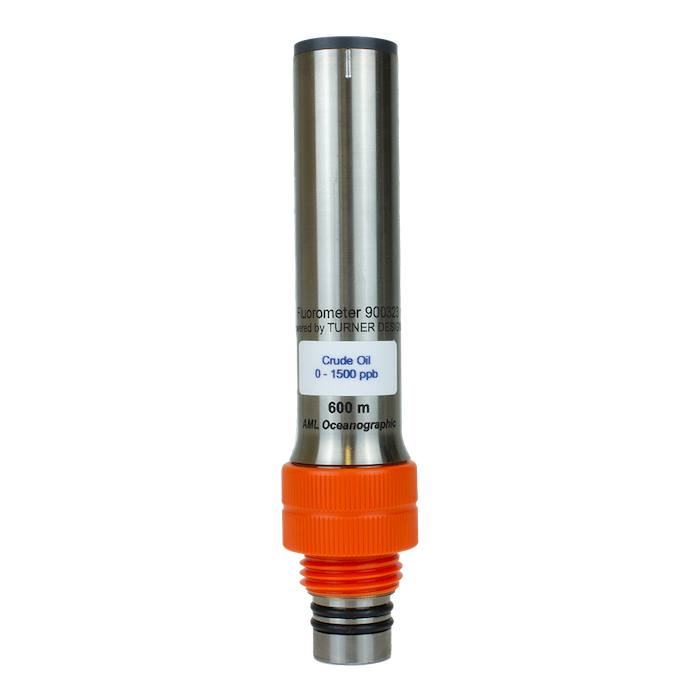
Oil-in-water sensors use fluorescence to detect compounds associated with petroleum hydrocarbons, often through ultraviolet excitation of aromatic constituents. A crude oil sensor can indicate hydrocarbon-related fluorescence around offshore infrastructure, ports, or spill-response operations. Response depends strongly on oil composition and environmental background, so application-specific calibration and confirmation are required.
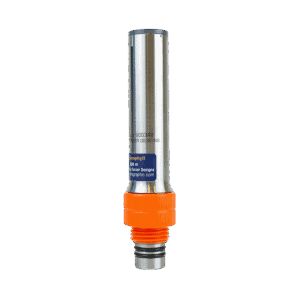
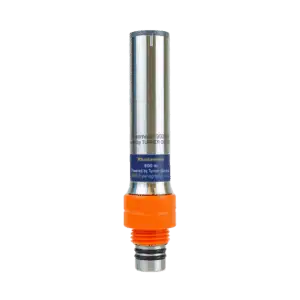
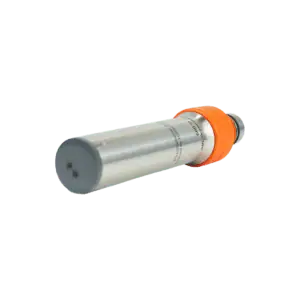
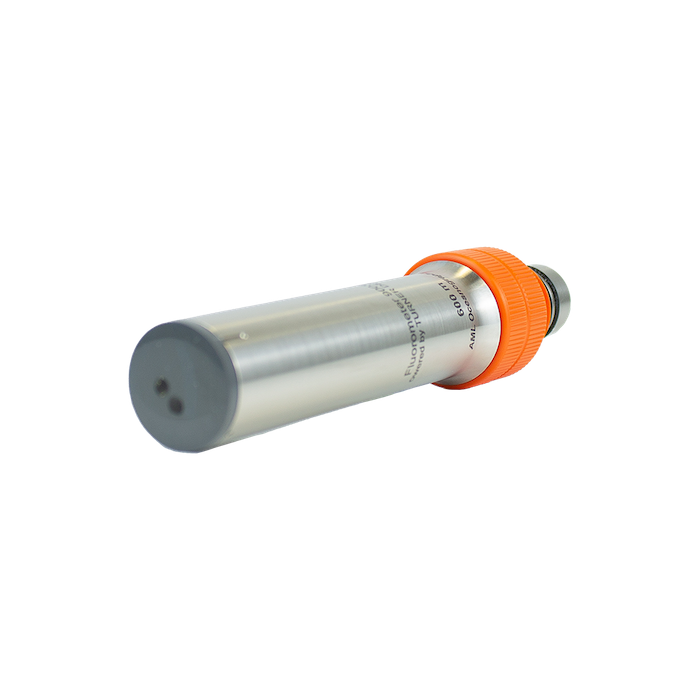
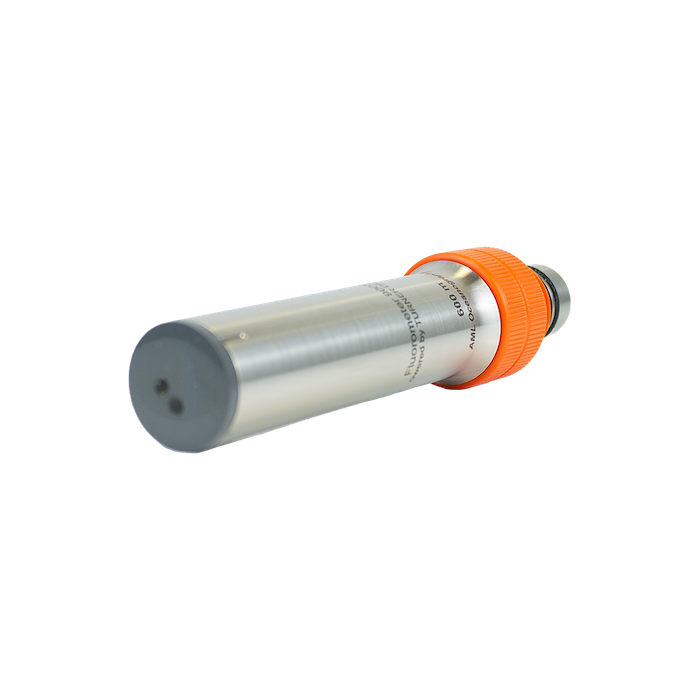
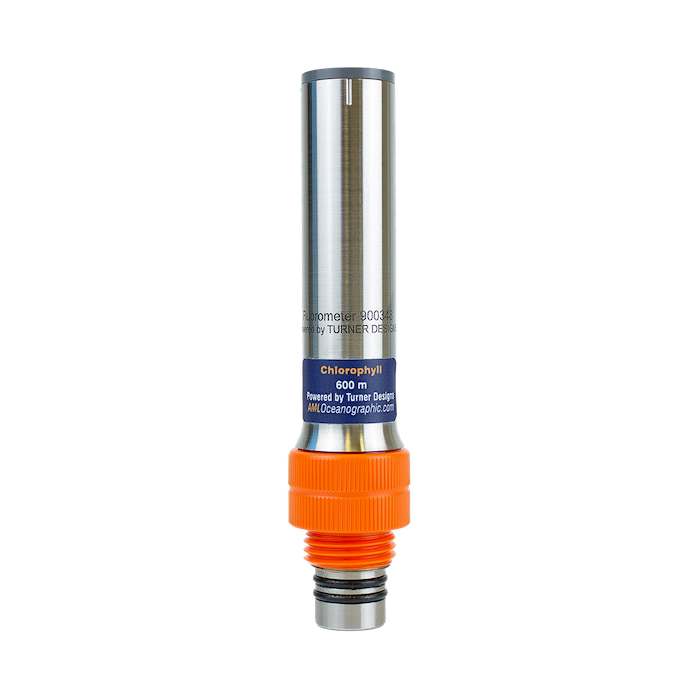
Chlorophyll A&B Blue Excitation Sensor from AML Oceanographic
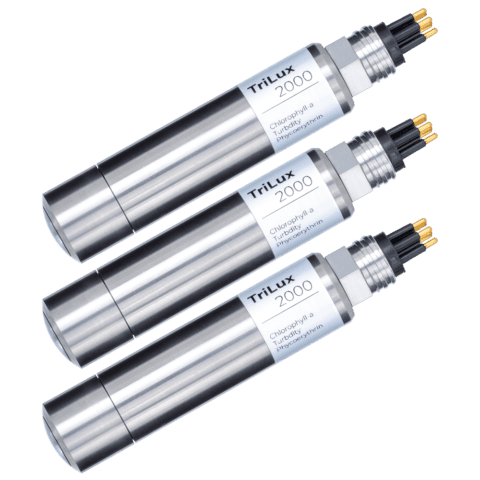
Multi-channel fluorometers combine several optical measurements within a single instrument. Channels may target chlorophyll, CDOM, phycocyanin, phycoerythrin, hydrocarbons, or additional fluorophores, and some instruments combine fluorescence with turbidity or optical backscatter. This provides more context where several processes vary, although spectral overlap and cross-sensitivity between channels must be considered.
Spectral fluorometers collect fluorescence information across a wider wavelength range than a conventional filter fluorometer with fixed optical bands. The additional information can separate overlapping signatures and characterize complex mixtures of fluorescent material, but it also increases demands on calibration, spectral correction, data processing, and validation.
Active fluorometry systems use controlled excitation sequences to investigate photosynthetic function rather than only steady fluorescence intensity. Depending on the technique, variable fluorescence measurements can provide information related to photochemical efficiency and phytoplankton physiological state. These systems help distinguish changes in algal abundance from changes caused by light history or physiological condition.
Chlorophyll sensors provide rapid observations of phytoplankton variability, while phycocyanin and phycoerythrin measurements add information about pigment-bearing groups. A Harmful Algal Bloom (HAB) fluorometer or cyanobacteria sensor may support early detection of changing bloom conditions, but fluorescence alone does not identify a harmful species or determine toxicity. Operational monitoring is strongest when optical measurements are combined with environmental observations and biological verification.
Coastal and estuarine waters contain strong gradients in salinity, particles, phytoplankton, and dissolved organic matter. CDOM probes, chlorophyll fluorometers, and turbidity measurements can help resolve plume boundaries and follow mixing. Combining fluorescence with conductivity, temperature, depth, and optical backscatter helps distinguish processes that could otherwise produce similar changes in one sensor channel.
Fluorometers support biological and biogeochemical measurements from shipboard surveys to autonomous missions. A fluorometer profiler can resolve vertical chlorophyll structures that surface sampling may miss, while profiling floats and other platforms can combine chlorophyll fluorescence with physical and biogeochemical sensors. Multi-parameter observations help relate biological responses to water-column structure, oxygen, nutrients, and particle fields.
Fluorescent tracers provide a practical means of following marked water parcels during mixing and circulation experiments. Natural fluorescence from CDOM can also indicate changing water masses when interpreted alongside hydrographic measurements. Fluorescence data can be combined with absorption, attenuation, backscatter, and radiometric observations to investigate seawater optical properties.
Oceanographic fluorometer monitoring can extend beyond pigments to hydrocarbon-related and protein-like fluorescence. Oil-in-water instruments can indicate changes in petroleum-associated signals, while a tryptophan sensor or tryptophan fluorometer can measure protein-like fluorescence associated with dissolved organic material. These signals are not specific to one pollution source, so local baselines, supporting measurements, and calibration are important for defensible interpretation.
Long-duration marine fluorometer deployments require measures to keep optical surfaces clean and separate environmental change from sensor degradation.
Quality assurance should also include dark or blank checks where applicable, verification against calibration standards, inspection for detector saturation, and review for spikes caused by bubbles or particles.
Oceanographic fluorometry continues to develop toward richer optical measurements and more integrated interpretation.
These developments are increasing the value of oceanographic fluorometer sensors as components of profiling systems, fixed observatories, and autonomous marine monitoring networks.
 Searching Companies & Products