


Cambridge Pixel is demonstrating its software components for developers and integrators of uncrewed and autonomous surface vessels at the SMM 2026 maritime trade fair in Hamburg, Germany, 1-4 September.
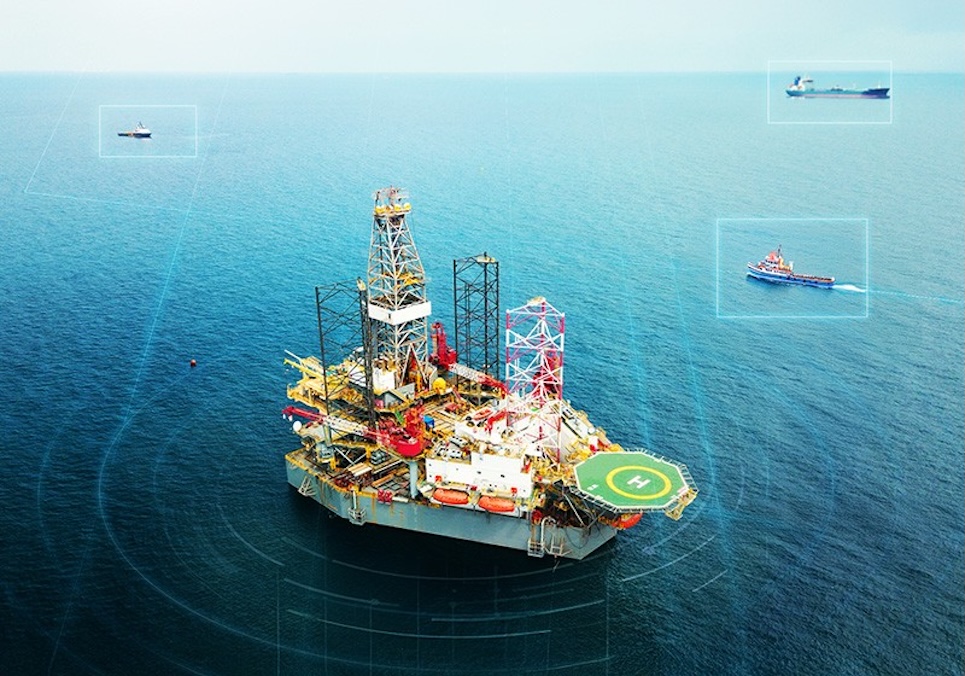
Designed to accelerate project delivery and cut development costs, the UK-based firm’s modular technology enhances the safety and operational performance of both commercial and military Uncrewed Surface Vessels (USVs) and Autonomous Surface Vessels (ASVs).
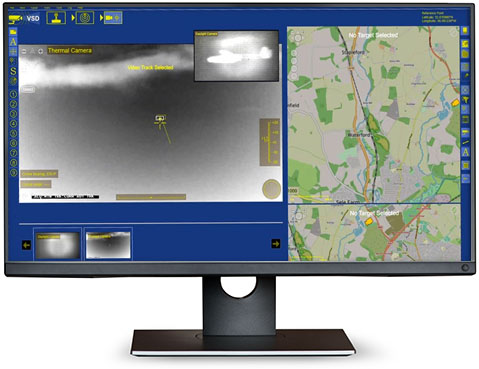
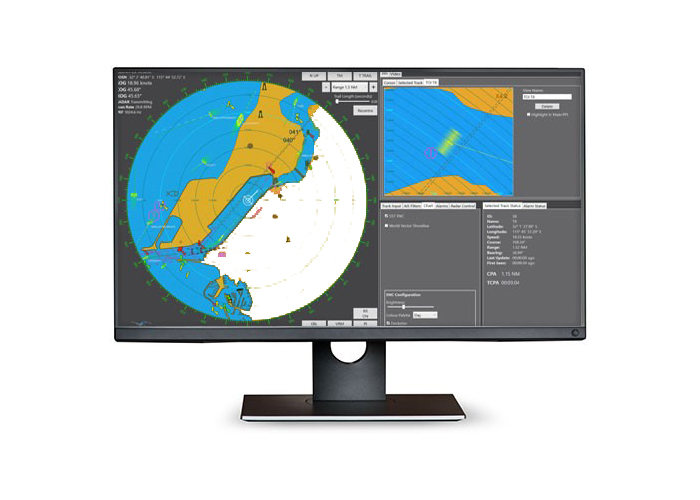
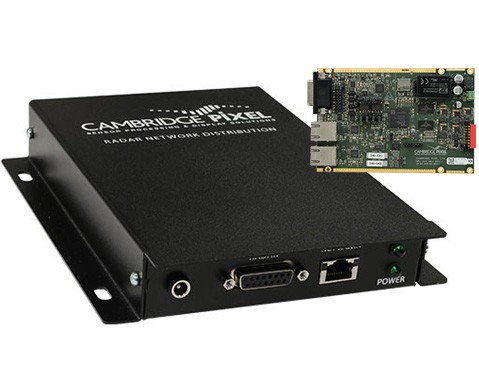
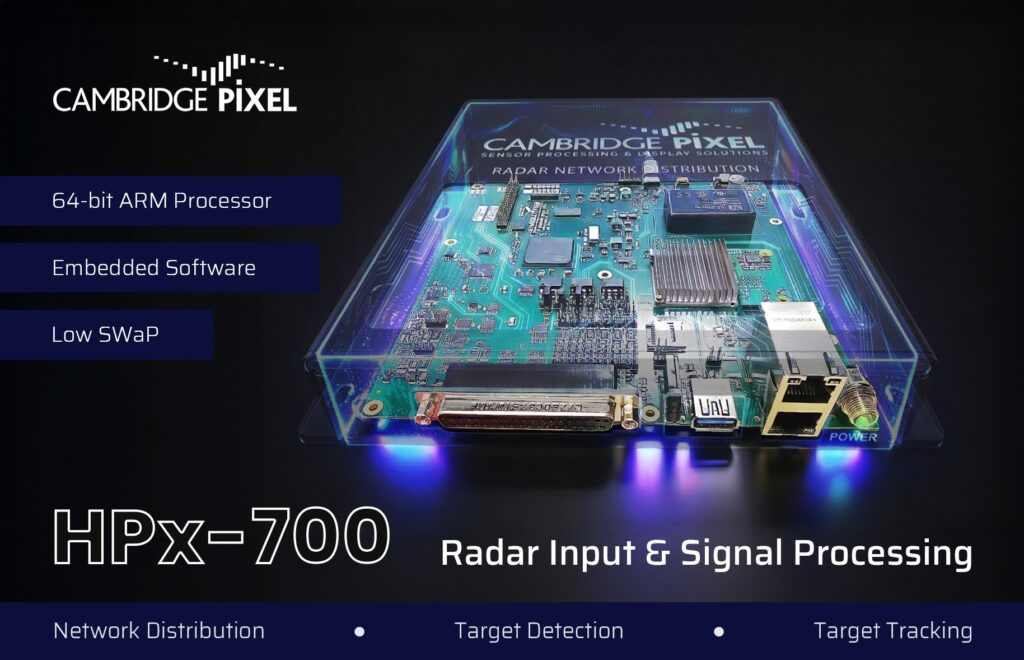
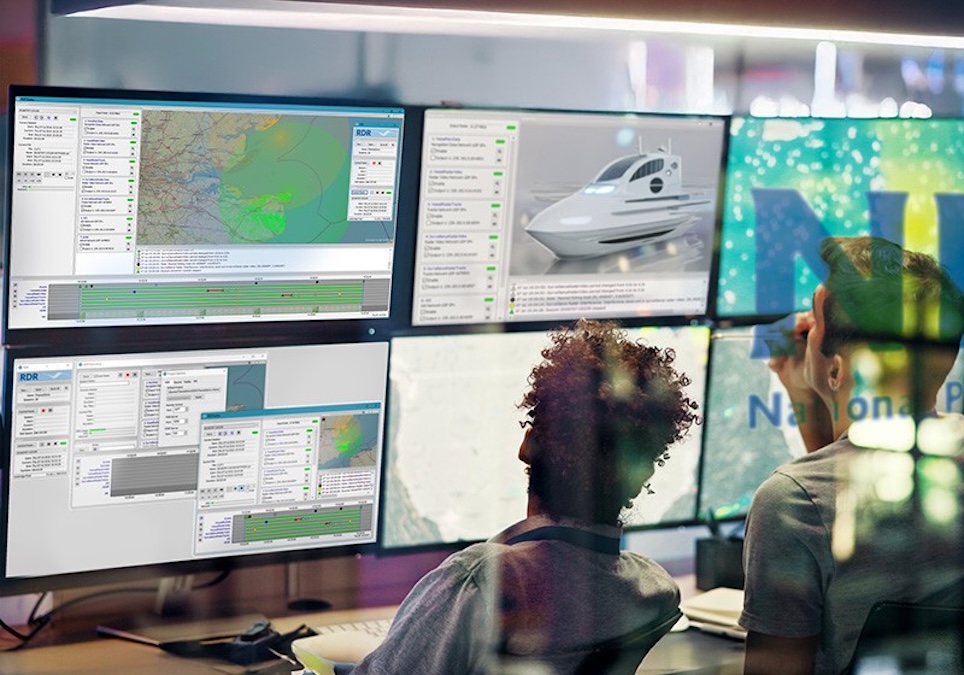
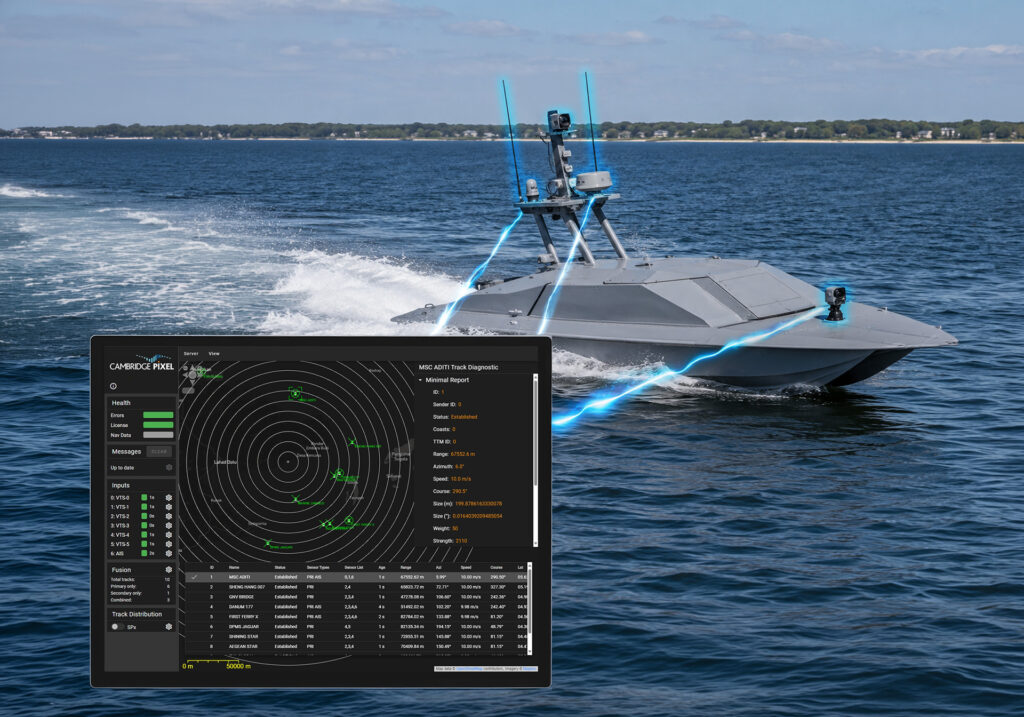
The software suite provides functional components that allow developers to interface custom software with standard maritime radars. It supports sensor data fusion, camera control, data recording, target tracking, and obstacle detection, alongside supporting navigation in GPS-denied environments. By delivering high-performance situational awareness and tracking functions through software, the modular components eliminate the need for expensive dedicated hardware.
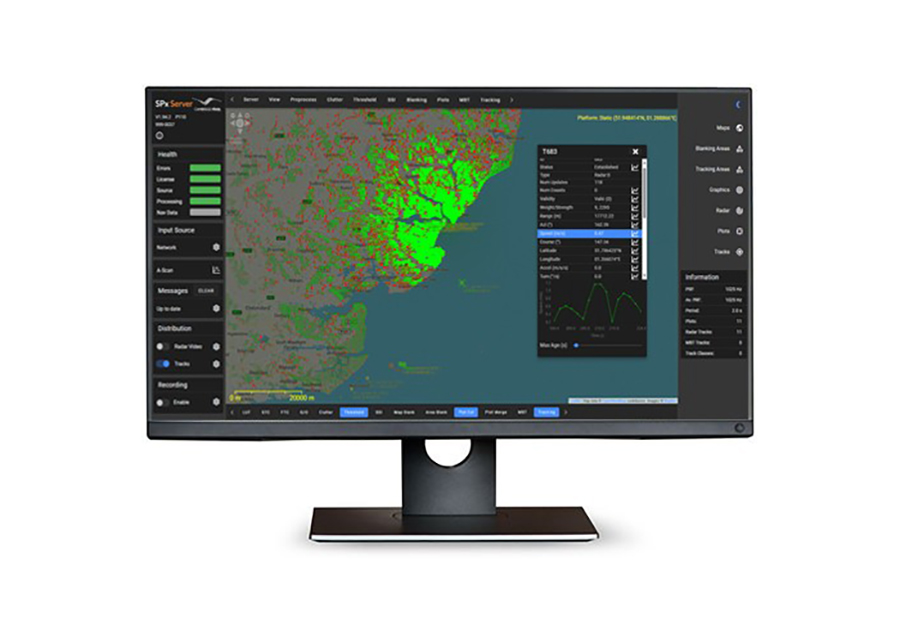
At the core of the suite is the SPx Server V2, which provides radar video processing, proximity detection, and target tracking for collision avoidance and autonomous navigation applications. Integrators can deploy the technology as a Detection Server for plot extraction and proximity detection, or scale up to a Tracking Server for multi-hypothesis target tracking. Obstacle and target data generated by the software can be supplied directly to external autonomy or vessel-control systems using established industry data formats, including ASTERIX, NMEA-0183, TAK, and SAPIENT.
The showcase takes place at SMM 2026 from 1-4 September. Expected to draw over 2,200 exhibitors and nearly 50,000 visitors from more than 100 countries, the 2026 trade fair features the newly introduced Maritime Security & Defence Expo. This dedicated exhibition section highlights unmanned systems, maritime surveillance, cyber solutions, and technologies designed to protect critical infrastructure amidst global geopolitical tensions.