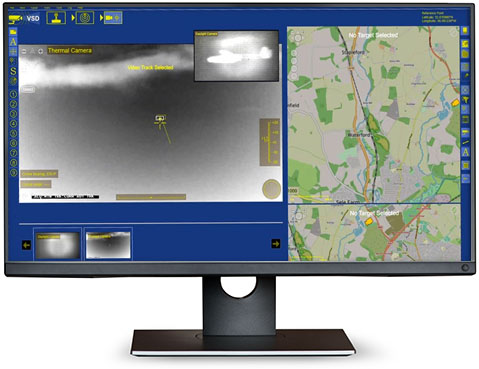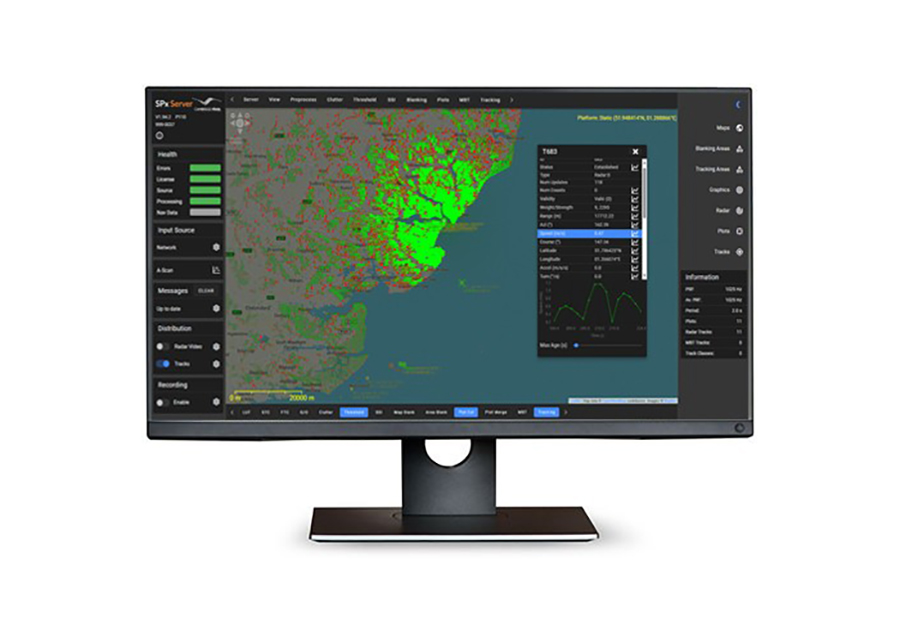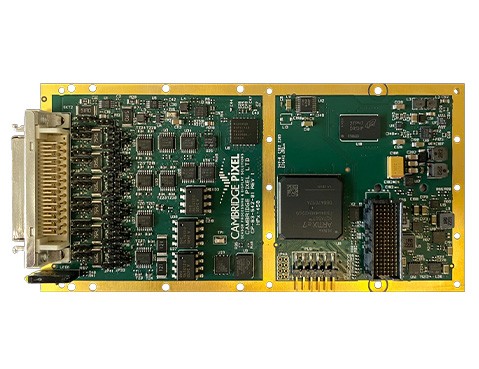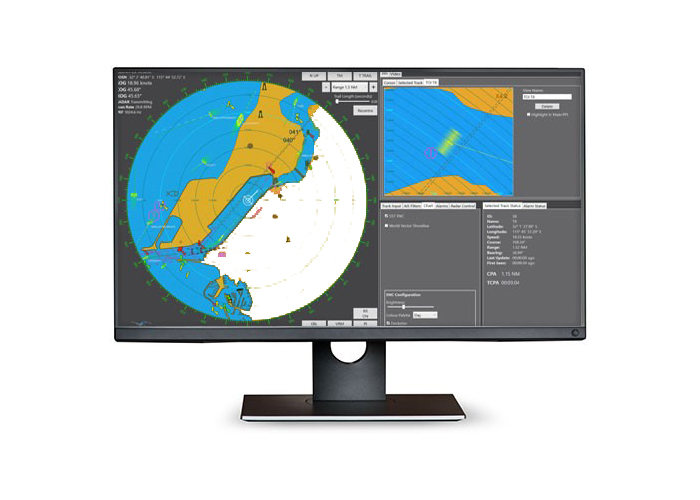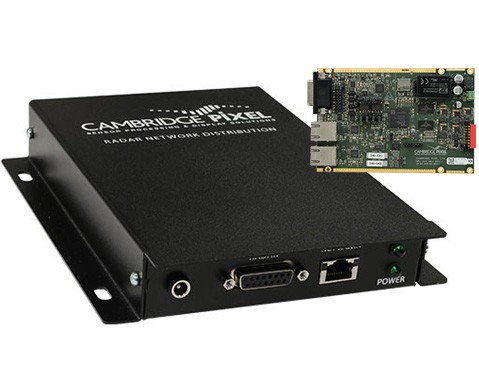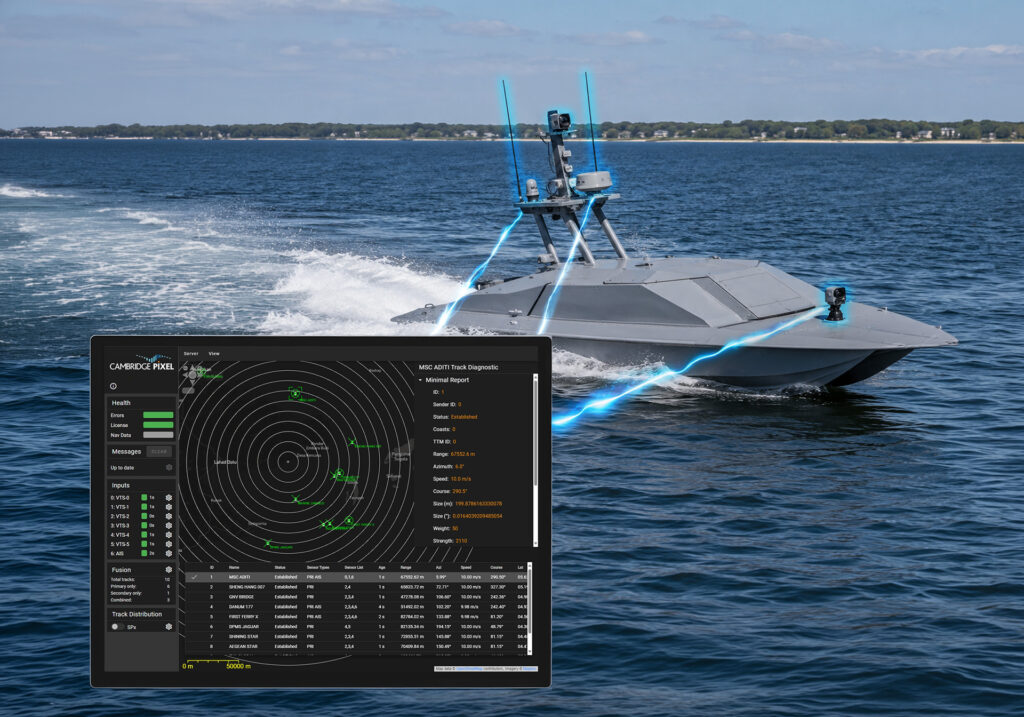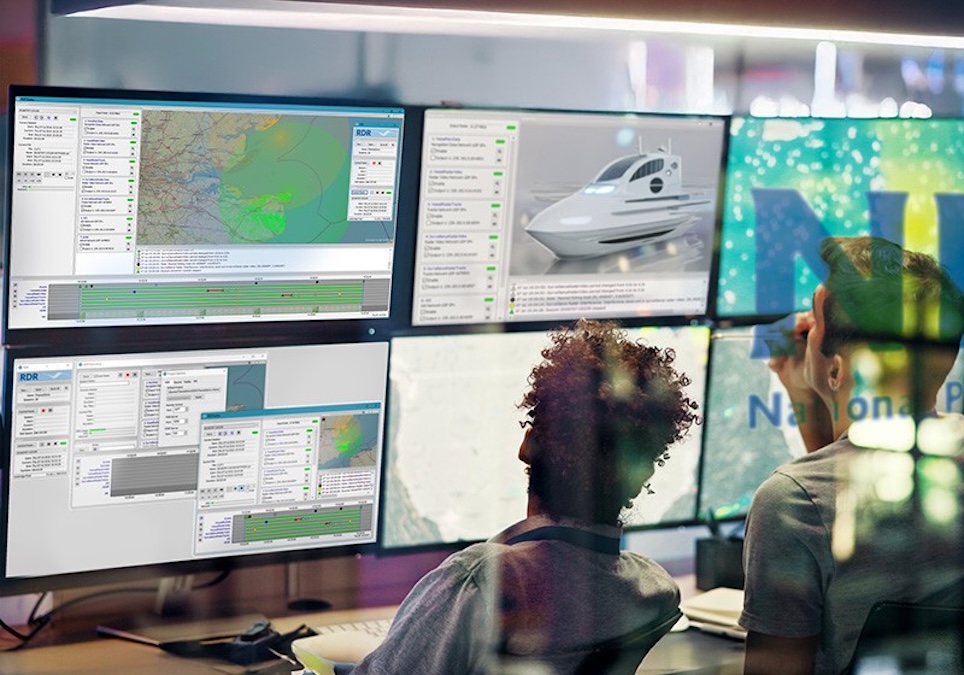



Cambridge Pixel has revealed the new HPx-700 ARM-based embedded Radar Input and Signal Processor, which will be available to order from April 2026.
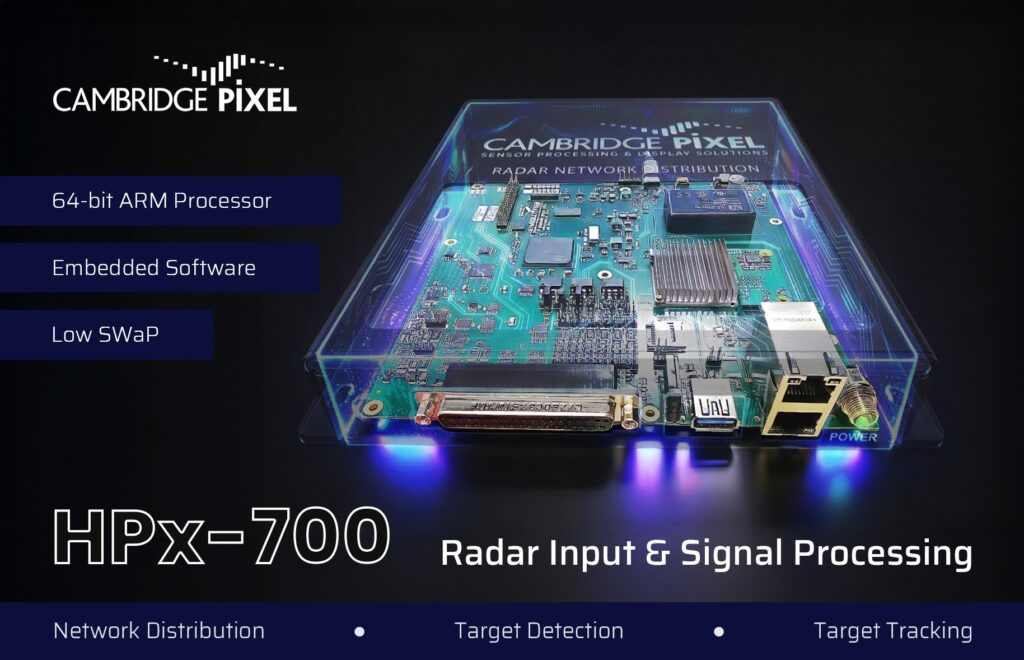
The HPx-700 allows system integrators to upgrade analogue radars with advanced digital processing at the edge, including options such as high-performance target tracking. By performing signal processing directly within the unit, the system removes the dependency on host PCs, enabling more compact and reliable deployments.
The unit is designed for applications where reliability, low power consumption, and compact size are essential. Its 64-bit ARM processor handles complex signal processing locally, converting raw analogue inputs directly into network-ready radar data. To ensure uninterrupted operation in constrained or remote locations, the processor features a fanless design with low Size, Weight, and Power (SWaP) characteristics.
Compared with the widely used HPx-346, the HPx-700 represents a step change in radar system architecture. It provides edge-based radar processing using Cambridge Pixel’s proven software technology and is available in three core options. The Distribution option includes efficient capture and network distribution of radar video. The Target Detection option adds plot extraction and generates detection lists from raw radar video. The Target Tracking option uses advanced algorithms to establish and maintain confirmed target tracks, including correlation and filtering.
Optional modules extend functionality further, providing multi-sensor fusion and high-reliability data recording, enabling system architects to implement sophisticated capabilities without redesigning core systems. The hardware is available in stand-alone, rack-mount, or board-only form factors and includes built-in signal analysis and radar visualisation tools to verify performance during commissioning.
Designed with long-term operational support in mind, the HPx-700 uses components with a guaranteed future supply, giving engineers confidence in sustaining upgraded radar systems over many years.
Full technical specifications will be published on the official launch.