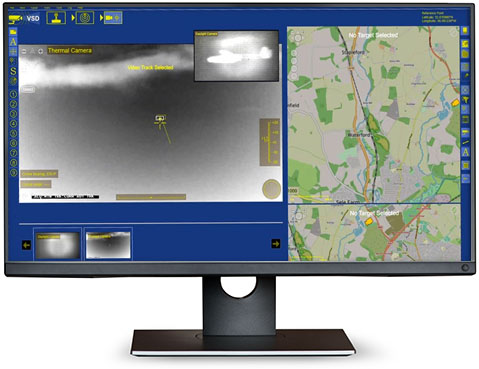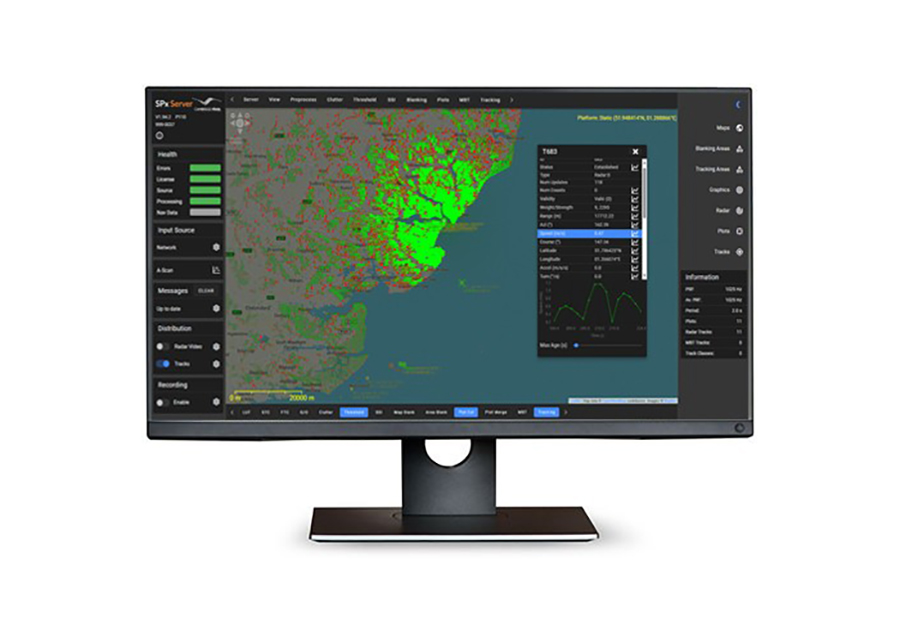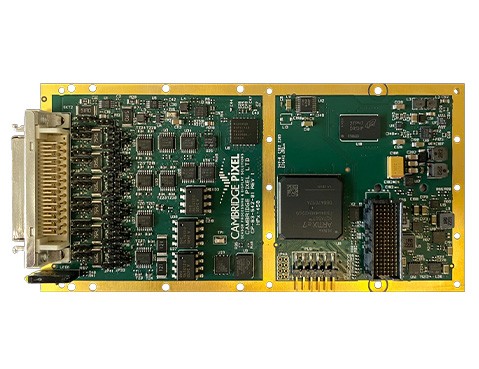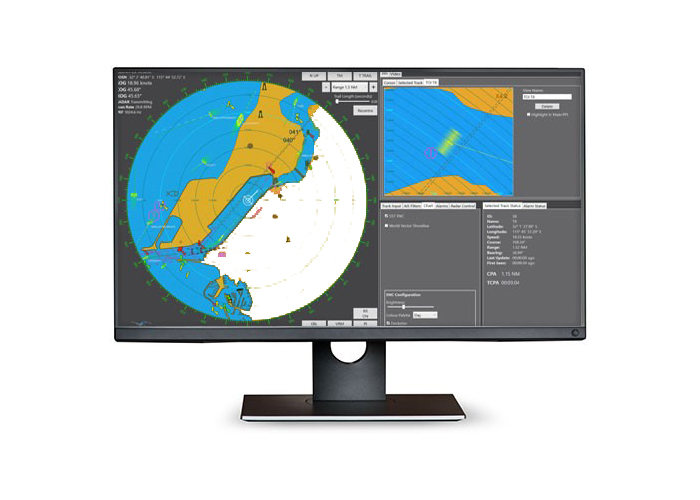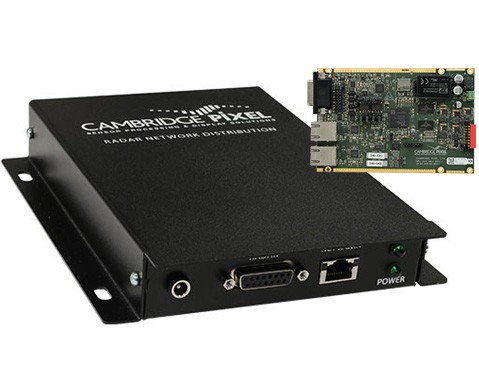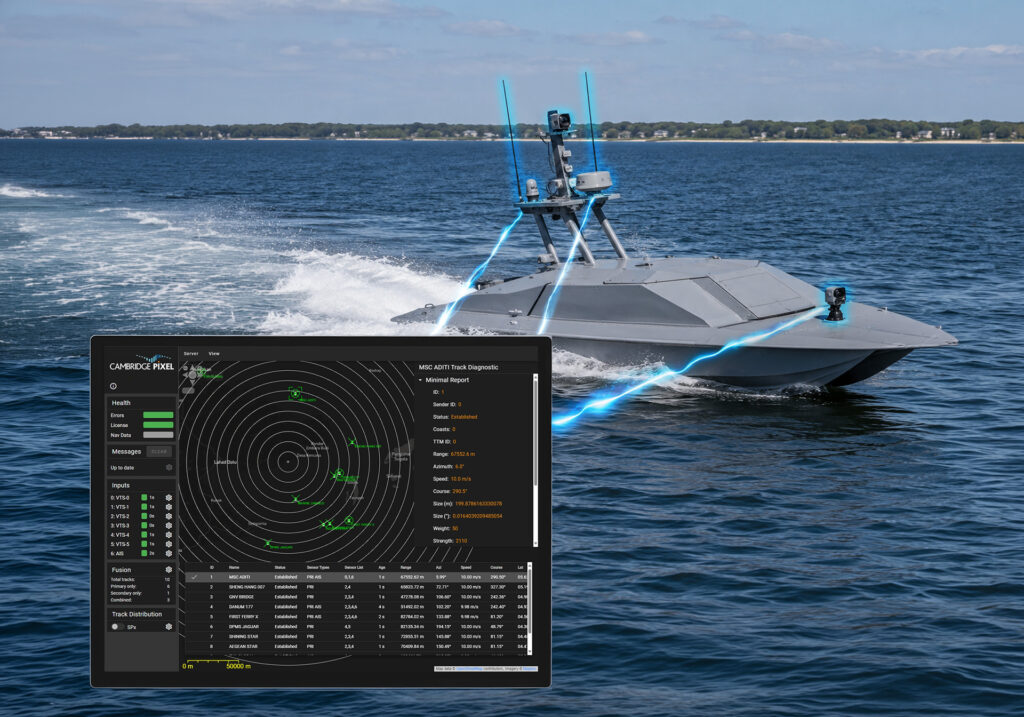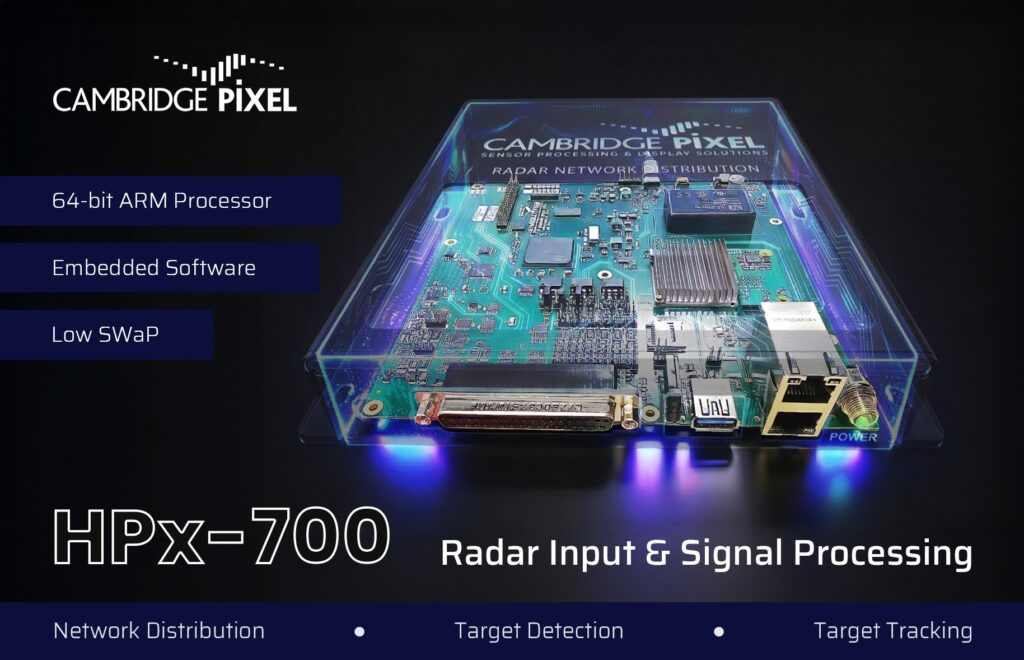



Cambridge Pixel’s RDR Data Recorder is contributing to a software solution to improve the safety and reliability of Autonomous Surface Vessel (ASV) navigation by providing multi-thread sensor recording.
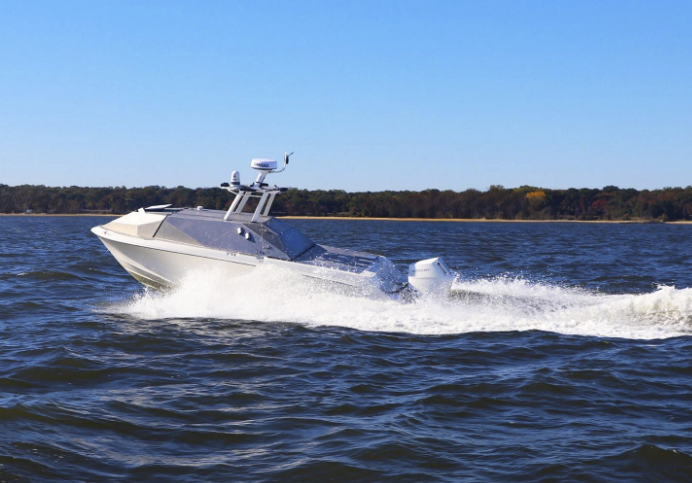
The system is being employed by the UK’s National Physical Laboratory (NPL) to capture and analyse multiple radar and sensor datasets from sea trials at Plymouth and an inland testing capability at Wraysbury Reservoir. Cambridge Pixel’s products enable NPL researchers to capture calibrated traffic within Plymouth Sound with the purpose of comparing what an autonomous vessel “observes” in real-world conditions and assuring their decision-making in complex maritime environments.
This work helps build an accurate picture of situational awareness from the perspective of an autonomous system, supporting efforts to verify and improve navigational safety. The testbed includes accurate weather data collected from multiple sites, including water state and atmospheric conditions that degrade sensor performance.
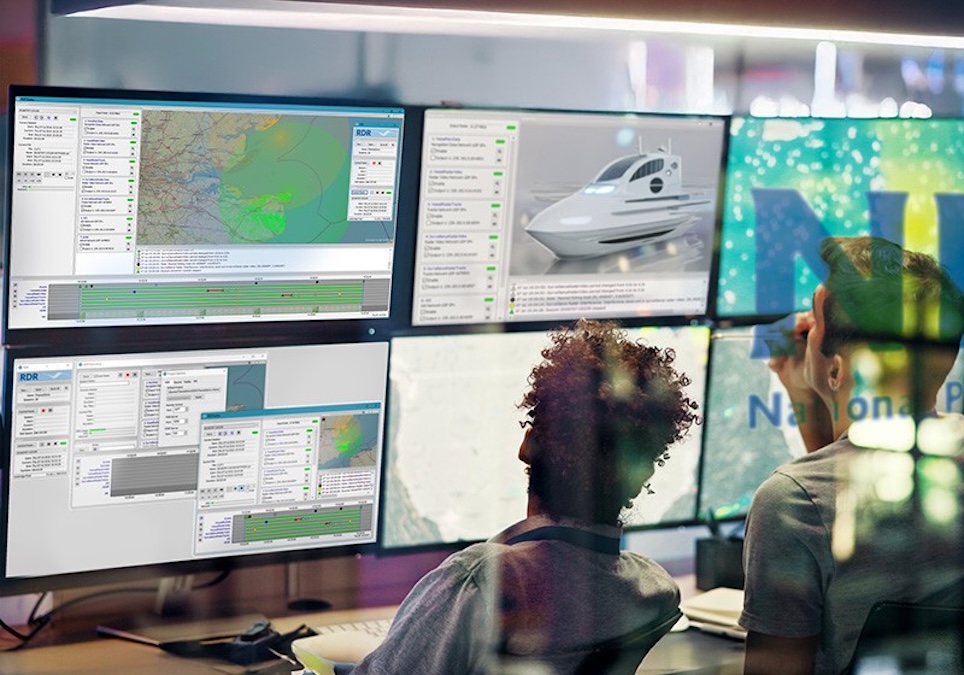
In addition to the RDR, NPL’s research is enhanced by SPx Open Access, Cambridge Pixel’s utility for accessing and analysing raw radar data. This capability allows for the development of custom code or MATLAB integration for advanced analytics and validation of detection and tracking logic.
To further support testing in controlled conditions, Cambridge Pixel also offers SPx Radar Simulator and SPx Video Simulator, which generate realistic simulated radar and camera video feeds, respectively. These tools allow researchers and developers to test improved navigation algorithms without the constraints or risks of live sea trials.
Richard Dudley NPL, commented, “RDR has been an invaluable tool to simplify data collection for our sensor assurance testbed. It allows us to replay and dissect radar and sensor scenarios in detail, providing ground truth insights into how autonomous platforms interpret their surroundings in multiple weather scenarios.”
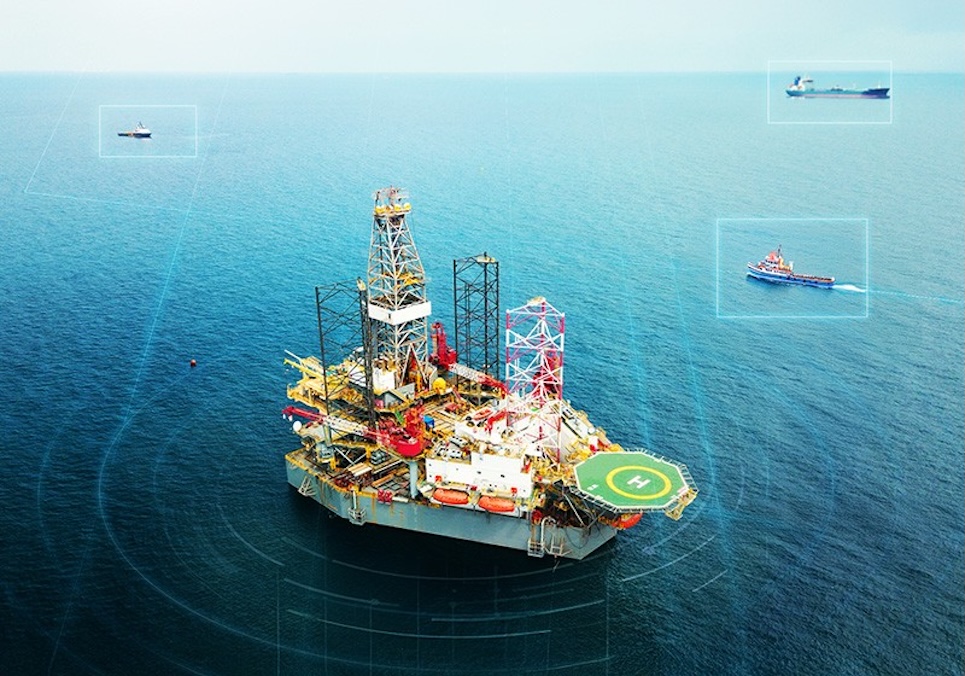
With autonomous vessels expected to play a growing role in commercial shipping, defence, and scientific exploration, the ability to rigorously test and validate navigation systems is more critical than ever. Cambridge Pixel’s suite of tools is empowering organisations like NPL to lead the way in ensuring these systems are not only innovative but also safe and reliable.
Cambridge Pixel continues to work closely with research institutions and industry partners worldwide, supporting the advancement of systems that improve safety and security.