


New Zealand’s MetService (Meteorological Data Services team) is utilizing Cambridge Pixel’s SPx Radar Coverage Tool Pro (RCT Pro) to plan and optimize the weather radar network it is helping to establish in the Pacific region.
The Pro version of the software provides the MetService project team with an interactive method for calculating precise line-of-sight visibility for both new and existing weather radar sites using high-resolution terrain elevation data. The project is focused on ensuring maximum coverage across vast, remote areas, including key locations such as Tonga, Solomon Islands, and Samoa.
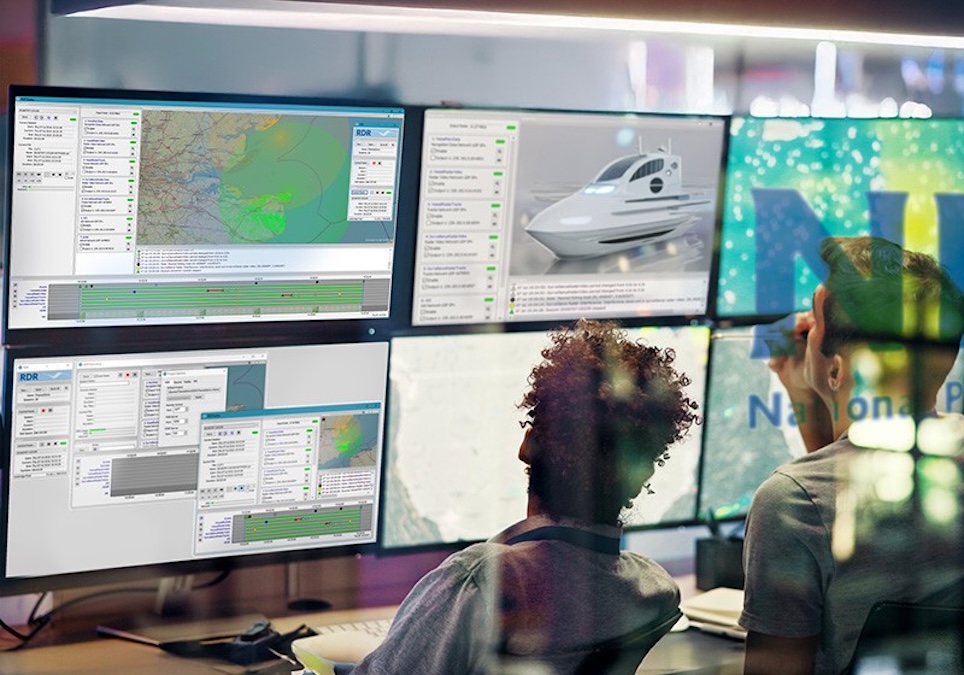
A critical feature for the MetService team has been RCT Pro’s ability to manage multiple radar sites simultaneously and export the resulting coverage map data in KML format. This functionality allows the coverage data to be easily imported and visualised within external Geographic Information Systems (GIS), such as Google Earth, providing a comprehensive overview of the Pacific Infrastructure project.
Collin Quarrie, Senior Project Manager, Pacific Infrastructure, at Meteorological Data Services, commented, “Using RCT Pro has allowed us to overcome the challenges of mapping radar sites in complex terrains and remote locations. This gives us greater confidence in our network planning and helps us commission the weather radar needed by our Pacific partners to enhance their weather forecasting services.”
Andrew Haylett, Principal Engineer at Cambridge Pixel, commented, “We are pleased that RCT Pro is providing vital support for MetService’s critical work in the Pacific. Supporting multi-radar usage projects for weather applications demonstrates the versatility and robustness of our software. With the successful mapping of all locations the team was working on, our radar planning capability has achieved full round-the-world coverage.”
The SPx Radar Coverage Tool Pro is designed as an essential planning tool for system integrators and developers in sectors including maritime surveillance, air traffic control, security, and meteorology, offering a fast and accurate way to determine the optimal placement of radar and other line-of-sight sensors.