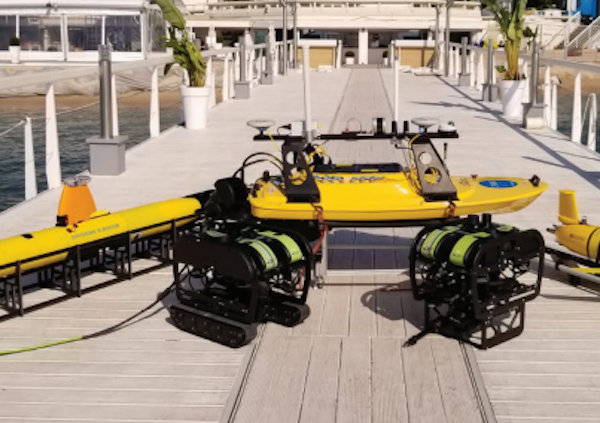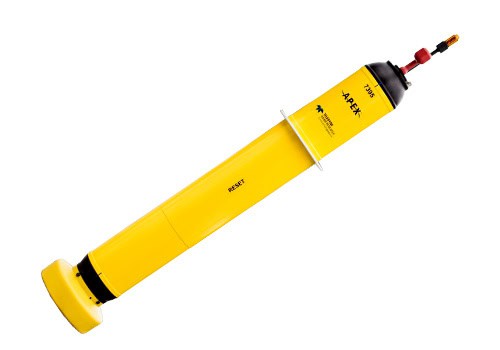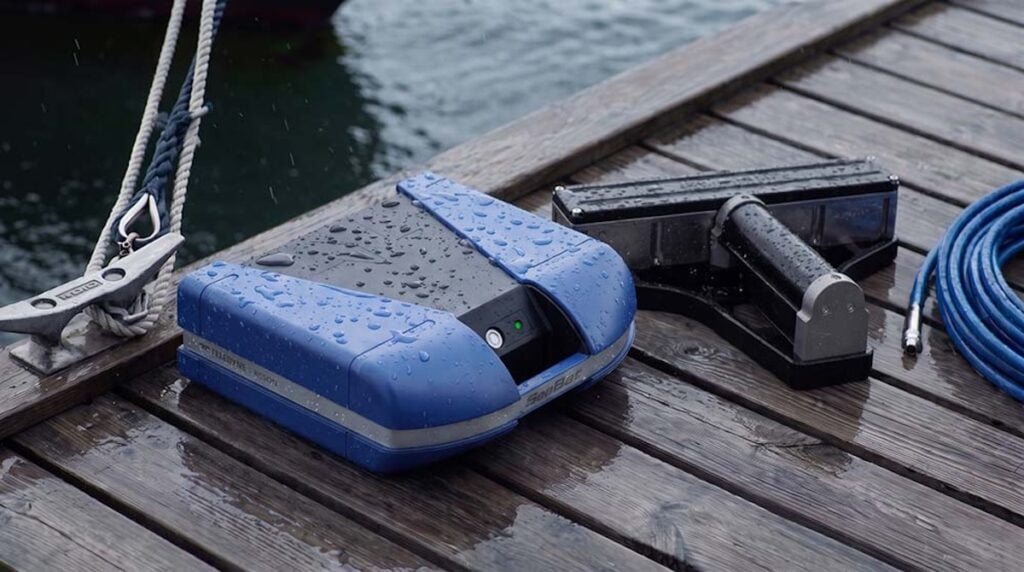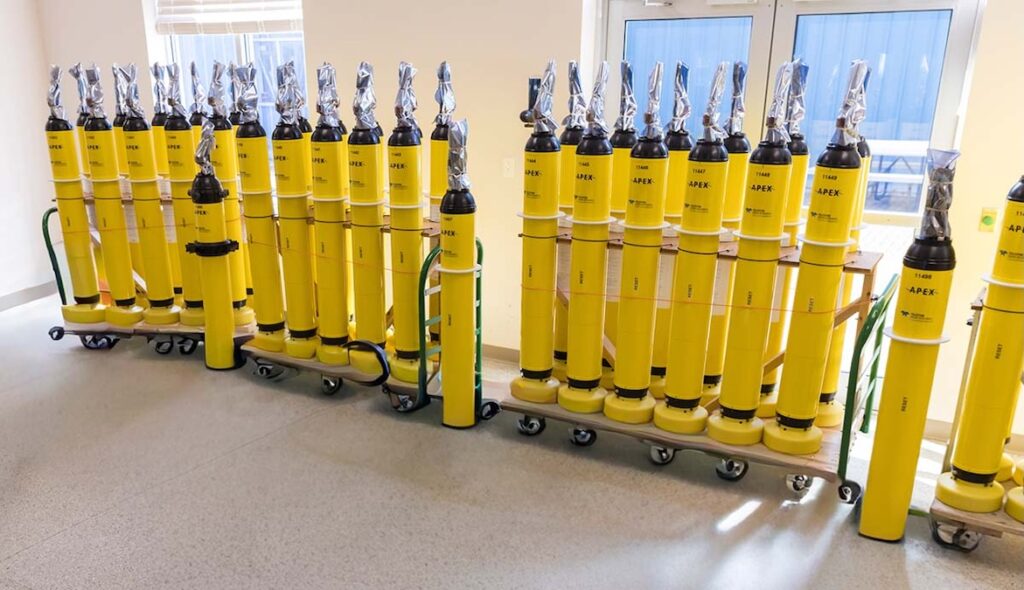

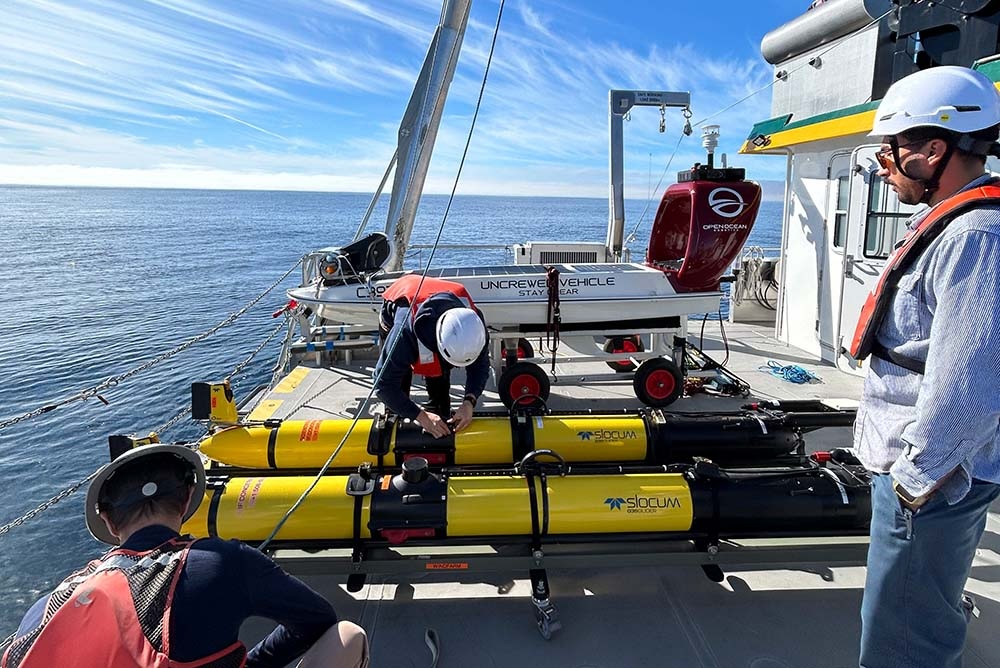
An offshore trial off the coast of California has demonstrated that coordinated autonomous surface and Teledyne Marine‘s subsea robotic systems can deliver persistent environmental monitoring for floating offshore wind developments.
Floating offshore wind installations require extensive baseline and operational environmental monitoring to secure regulatory permits and track dynamic ocean conditions surrounding deep-water facilities. Conventional survey methods rely heavily on crewed vessels, which can become logistically complicated and increasingly expensive as projects push into deeper waters farther from shore. To evaluate more cost-effective solutions, NOWRDC Project 406 was initiated to examine how uncrewed marine platforms can lower operational costs, extend spatial coverage, and improve the repeatability and consistency of marine observations.
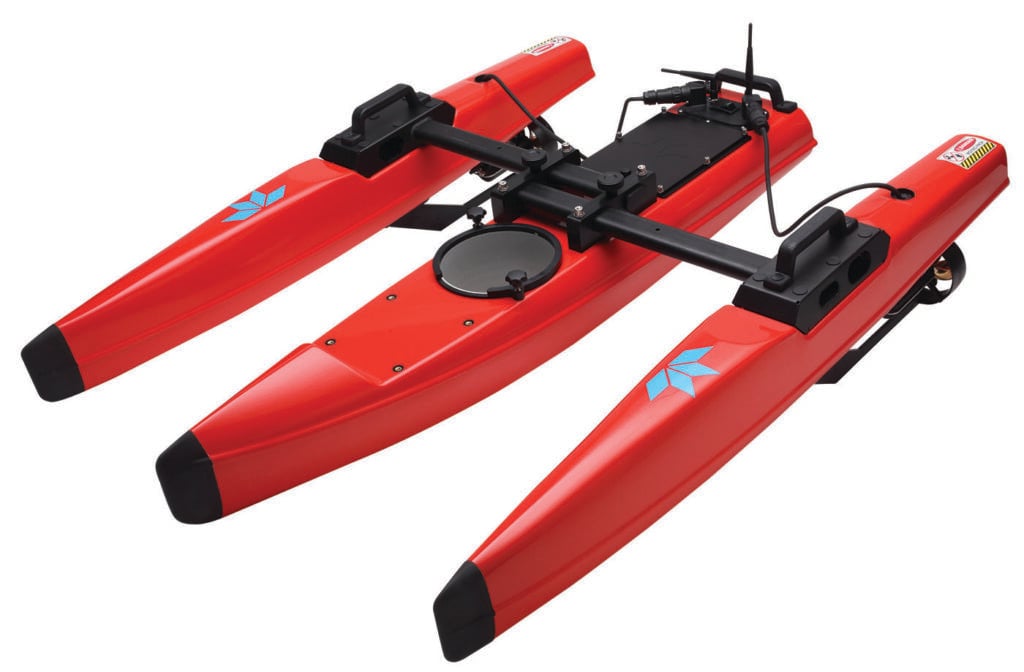
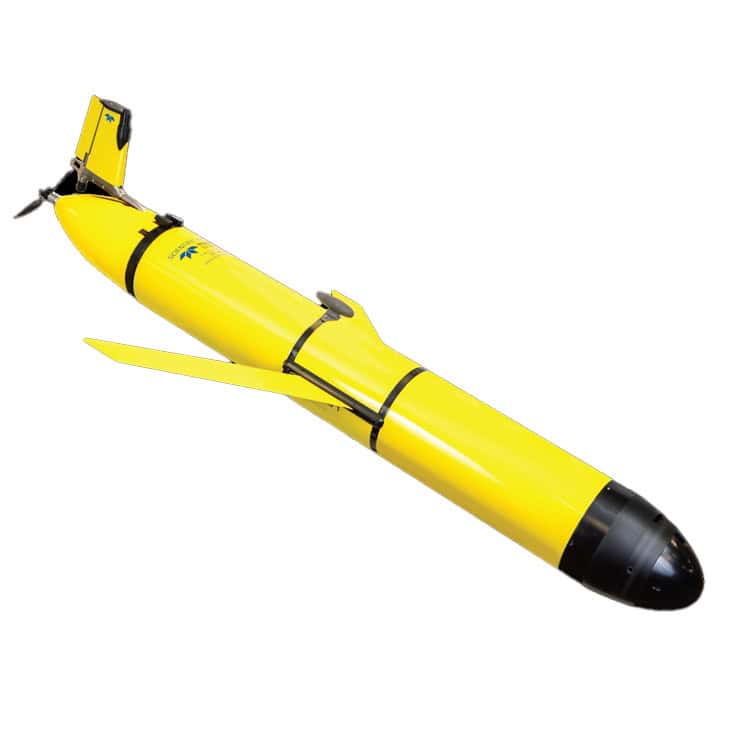
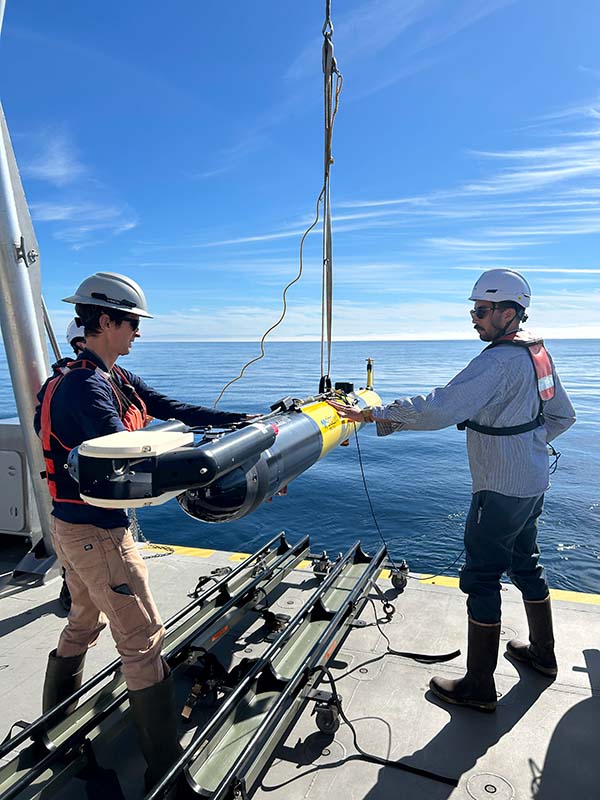
The offshore initiative paired Teledyne Marine Slocum underwater gliders for subsurface monitoring with Open Ocean Robotics’ DataXplorer uncrewed surface vehicle to establish a complementary dual-layer observation network. Following sensor integration and operational testing, both platforms were deployed between August 26 and September 10, 2026, within Lease Area OCS-P 0562, located approximately 32 to 56 kilometers northwest of Humboldt Bay, California.
Operating across challenging ocean environments, the uncrewed systems captured a comprehensive suite of meteorological, physical, and biological datasets. The onboard instrumentation recorded water temperature, salinity, and dissolved oxygen alongside atmospheric metrics including wind speed, wind direction, air temperature, and barometric pressure. The platforms also collected biological imagery, active acoustic measurements, environmental DNA samples, continuous underwater acoustic recordings, and passive acoustic marine mammal detection data.
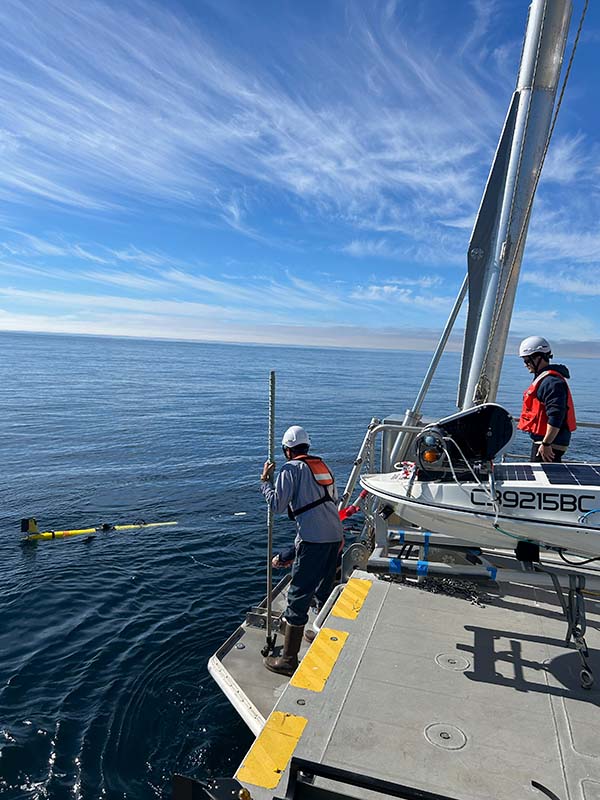
Encountering strong currents measuring between 0.35 and 0.45 meters per second, the engineering team adapted survey operations to maintain control. Operators engaged the Slocum glider’s thrusters to enhance navigational authority and adjusted mission profiles to keep the underwater glider within the operational zone and in proximity to the surface craft. During the trial, the vehicles validated underwater acoustic communications between the glider and the surface vehicle, successfully transmitting data such as subsurface marine mammal detections directly to the DataXplorer for relay.
The field trial proved that coordinating surface and subsurface autonomous platforms provides persistent, multi-sensor observation capabilities that can adapt to changing ocean currents, mission goals, and communication demands. By diminishing reliance on crewed survey ships, the methodology offers a scalable approach to repeatable environmental data gathering as floating offshore wind infrastructure expands. Comprehensive sensor data analysis is currently in progress, with full project results and final reports expected in 2027.