
Teledyne Marine contributed to the 2026 SeaSEC Challenge Weeks “DATA2SEA” programme, supporting trials focused on the integration of multi-sensor data in dynamic maritime environments.
The initiative, hosted by the Rostock Institute for Ocean Technologies in collaboration with the German Navy, brought together technology providers and research partners to evaluate how diverse sensing systems can be combined and interpreted in near real-time. Activities took place across the Baltic Sea’s Mecklenburg Bight, including the Digital Ocean Lab and facilities in Rostock.
Rather than assessing standalone system performance, the programme emphasised coordinated sensing and data fusion across subsea and surface domains. This approach reflects broader trends in ocean science and maritime operations, where combining heterogeneous data sources is increasingly critical for understanding and monitoring environments associated with critical underwater infrastructure (CUI).
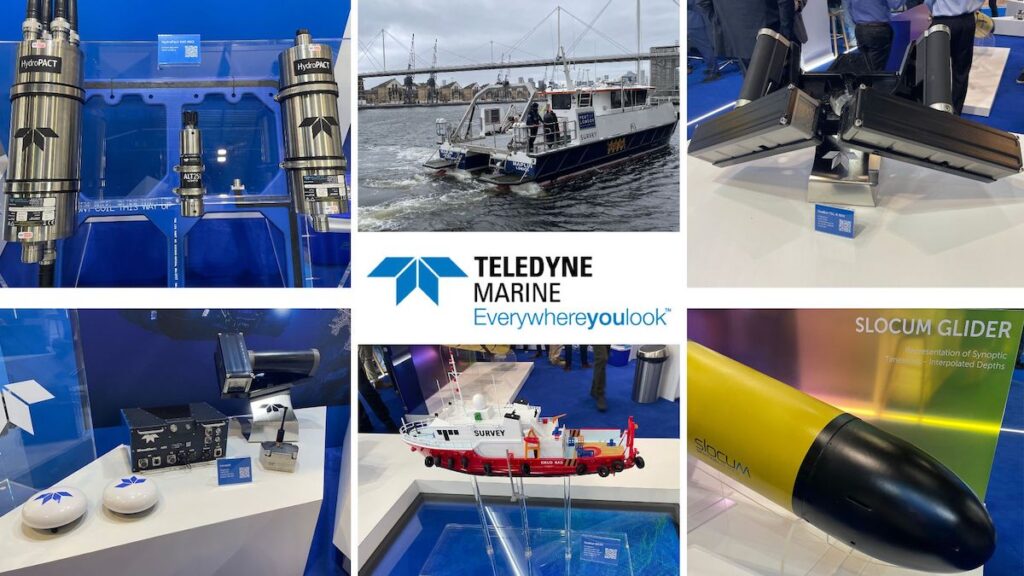
Teledyne Marine, working alongside Teledyne FLIR, deployed a suite of acoustic, sonar, and imaging technologies across multiple operational scenarios. Acting within several collaborative consortiums, the company demonstrated how integrated sensor networks can support persistent monitoring and improved interpretation of subsea activity.
Morten Bernsdorf, Project Lead at Teledyne Marine, commented, “Protecting critical underwater infrastructure increasingly depends on the ability to connect and interpret data across multiple domains. SCWD2S provides a valuable platform to demonstrate how integrated sensing can enhance maritime situational awareness at scale, while bringing together industry partners to collaboratively address shared challenges and showcase what Teledyne’s technology is capable of in real-world conditions.”
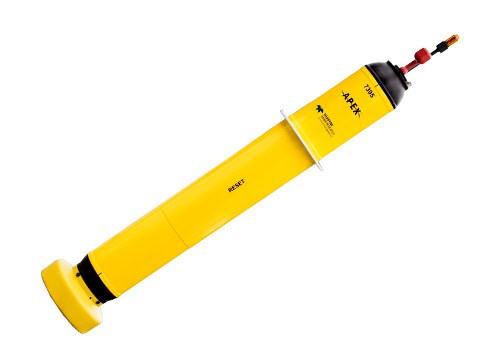
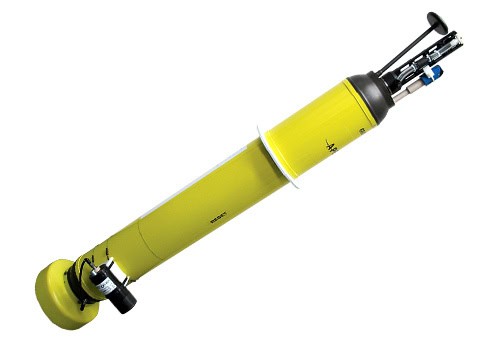
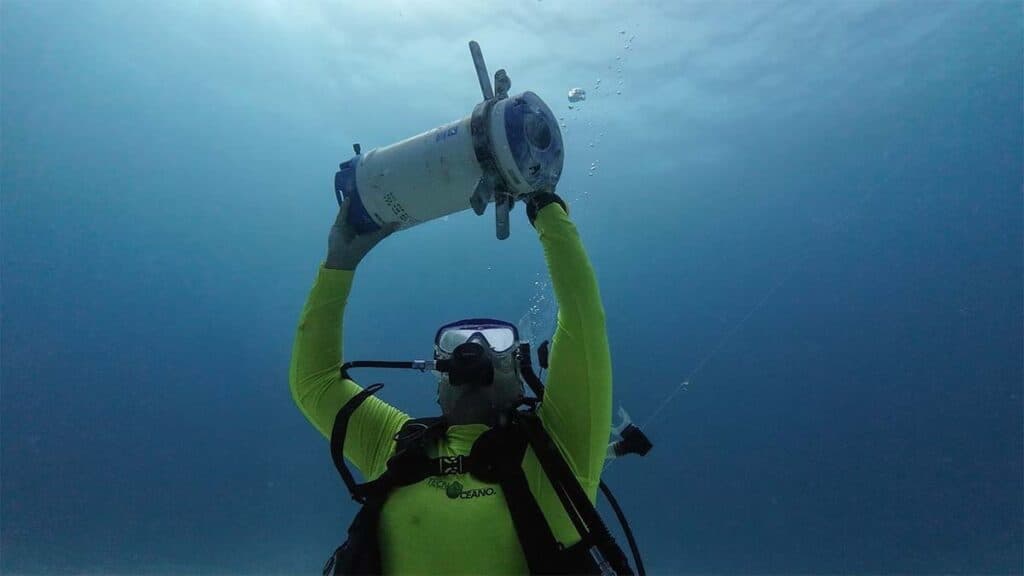
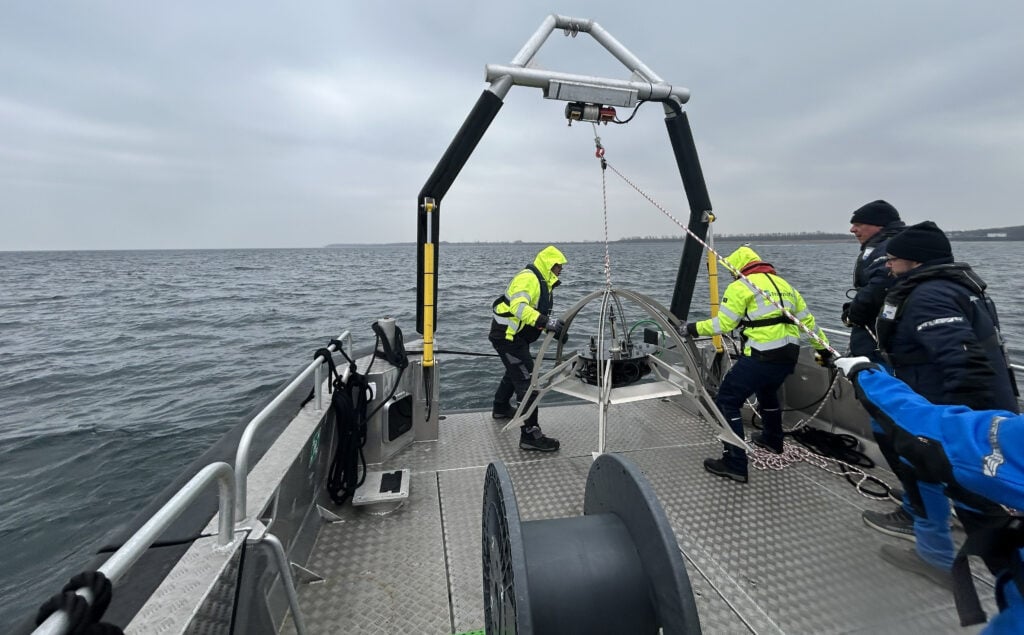
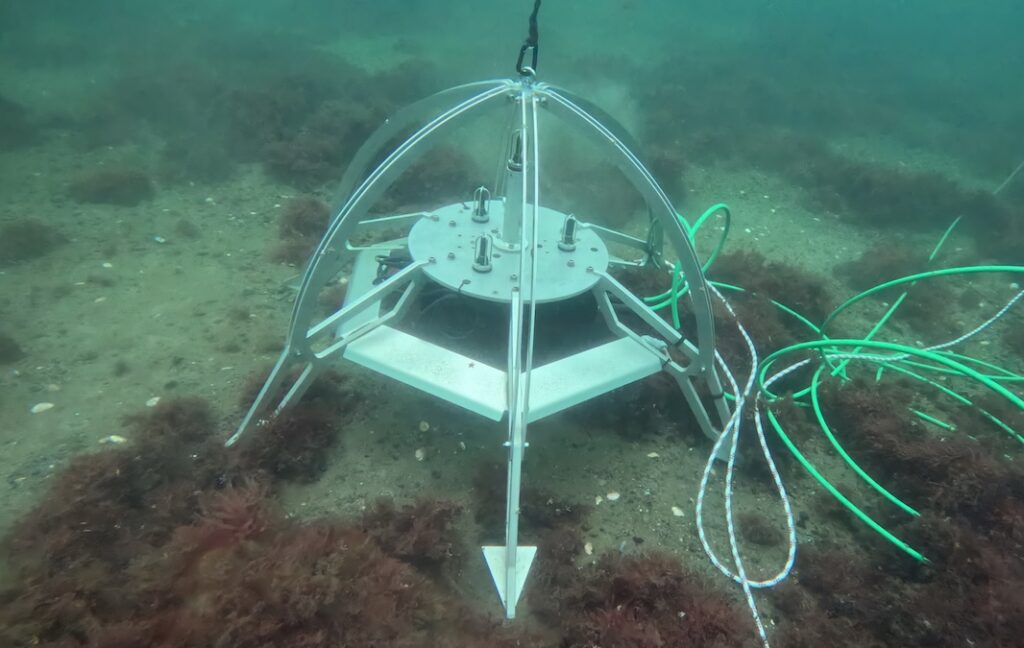
During platform-focused trials, passive acoustic monitoring (PAM) nodes were deployed to provide continuous observation of the underwater soundscape and detect anomalous activity. These were complemented by a seabed-mounted SeaBat F50 forward-looking sonar, enabling real-time visualisation, inspection, and classification of detected events.
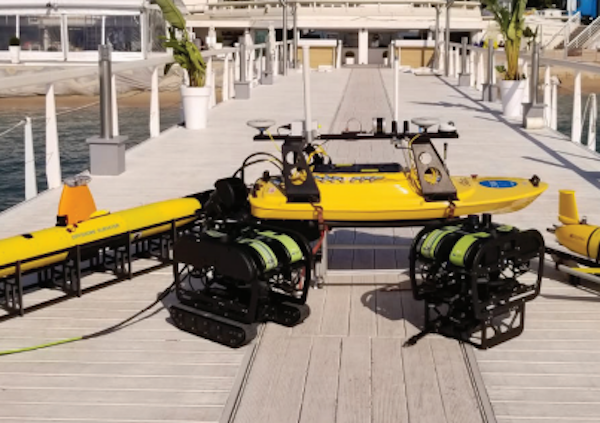
A mobile sensing component was introduced through collaboration with Stormborn, using an Unmanned Surface Vessel (USV) equipped with a PAM node alongside SeaBat F50 and SeaBat T51 multibeam imaging sonars. This configuration enabled flexible, area-wide surveying of the seabed and water column, highlighting the role of autonomous platforms in expanding spatial coverage and responsiveness in marine monitoring tasks.
Additional surface observations were supported by thermal imaging systems, contributing to a combined above- and below-water dataset for enhanced situational awareness.
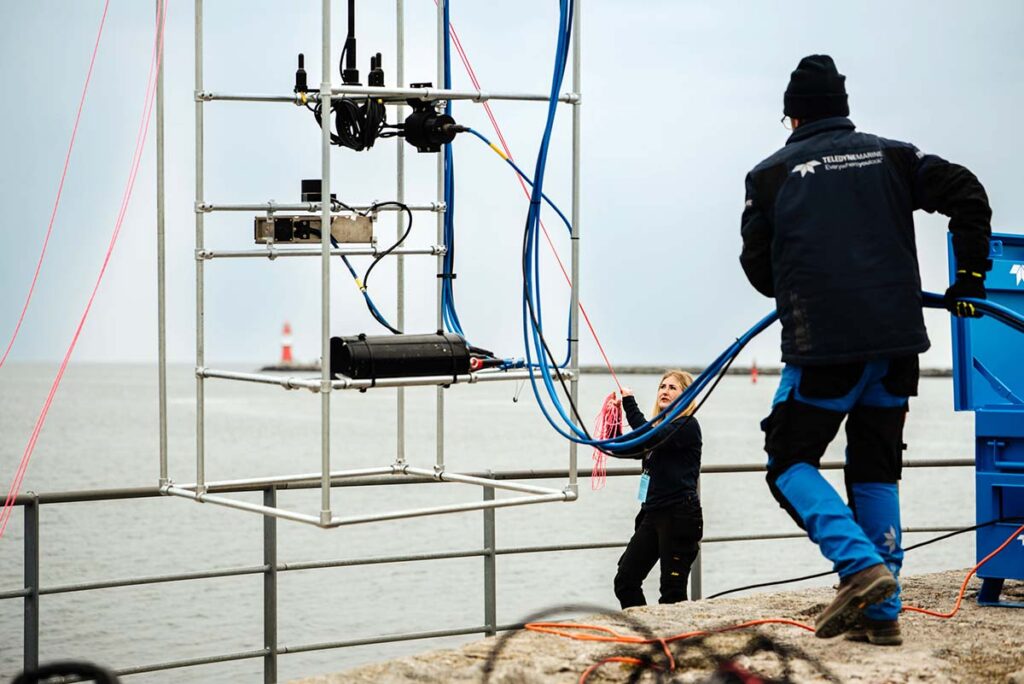
Harbour-based trials further explored layered sensing approaches in constrained environments. Seabed-installed PAM systems were used to detect and localise underwater activity, including divers and robotic platforms. Instead of transmitting data in real time, the team provided bearings indicating unusual underwater acoustic activity. These were then correlated via a C2 system with radar or AIS tracks to determine whether contacts were known or potential threats.
Forward-looking sonar provided real-time visualisation of subsurface conditions, while land-based infrared imaging systems enabled wide-area monitoring of surface activity. Together, these technologies illustrated how integrated sensing frameworks can support continuous observation across multiple domains.
Established in December 2023, the SeaSEC initiative brings together technology providers, infrastructure operators, public authorities, industry, and research partners to collaborate in realistic maritime test environments. Through its involvement in DATA2SEA, Teledyne contributed to ongoing efforts to advance multi-sensor integration, data fusion methodologies, and scalable approaches to subsea monitoring within both scientific and operational contexts.