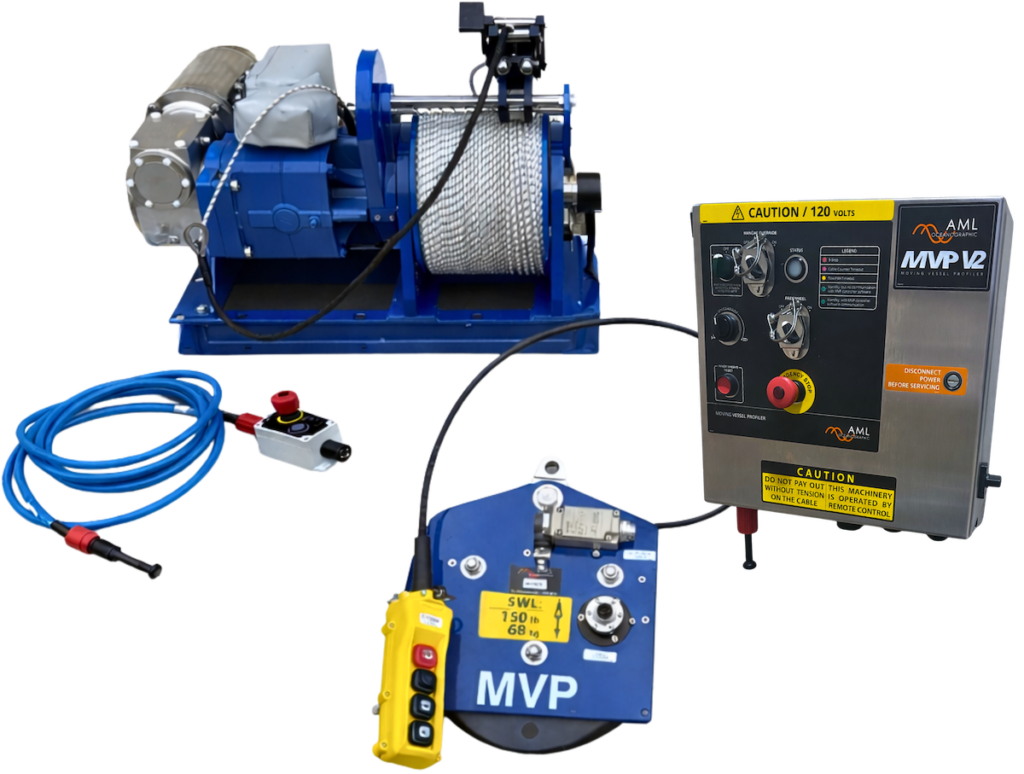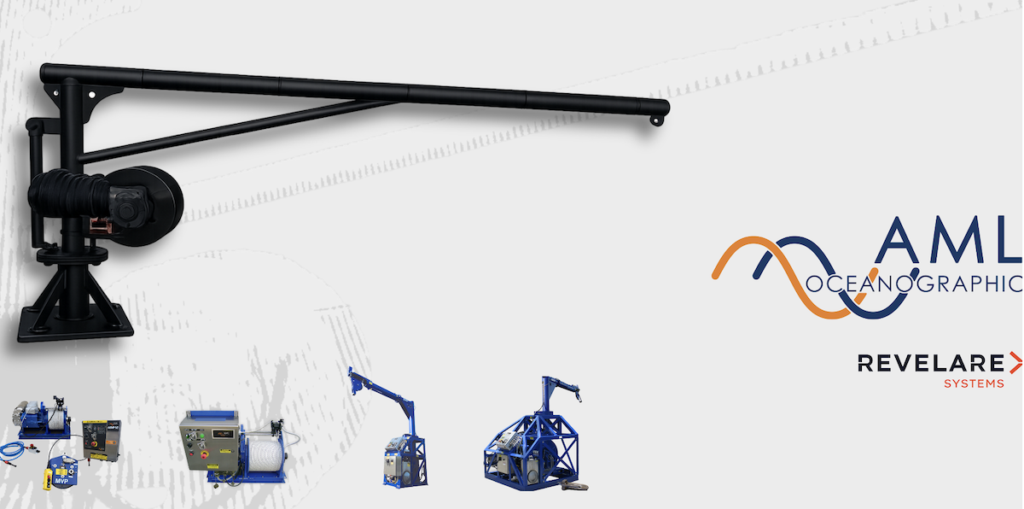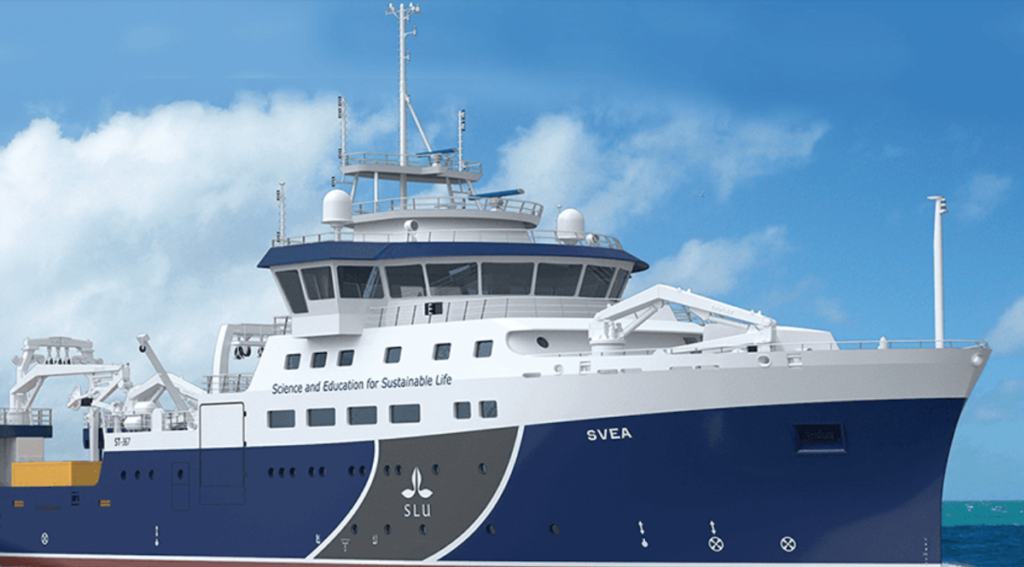
AML Oceanographic‘s Moving Vessel Profiler System (MVP200) was deployed aboard the survey vessel Fugro Discovery during the Mareano 2017 Project in the Barents Sea, enabling regular conductivity, temperature, and depth (CTD) profiling while bathymetric data acquisition continued.
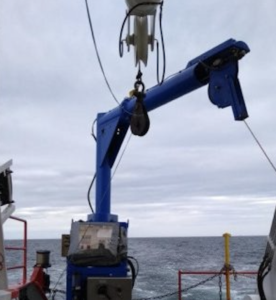 The system supported Fugro Germany Marine in meeting a requirement to conduct sound velocity casts at least every two hours during survey operations for the Norwegian Hydrographic Service.
CTD Profiling During Hydrographic Survey Operations
The Fugro Discovery surveyed an area of 3,220km² in the Barents Sea over 16 operational days, using the MVP200 as part of its onboard survey equipment.
During the campaign, 130 of the 150 CTD profiles collected were acquired automatically using the MVP system, with profiling conducted in water depths of up to 400m.
The resulting CTD profiles were verified and immediately applied to the acquisition software for the vessel’s EM712 Multibeam Echosounder, Kongsberg SIS. This allowed updated sound velocity information to be incorporated into multibeam survey operations without interrupting bathymetric data acquisition.
Moving Vessel Profiling at Survey Speeds
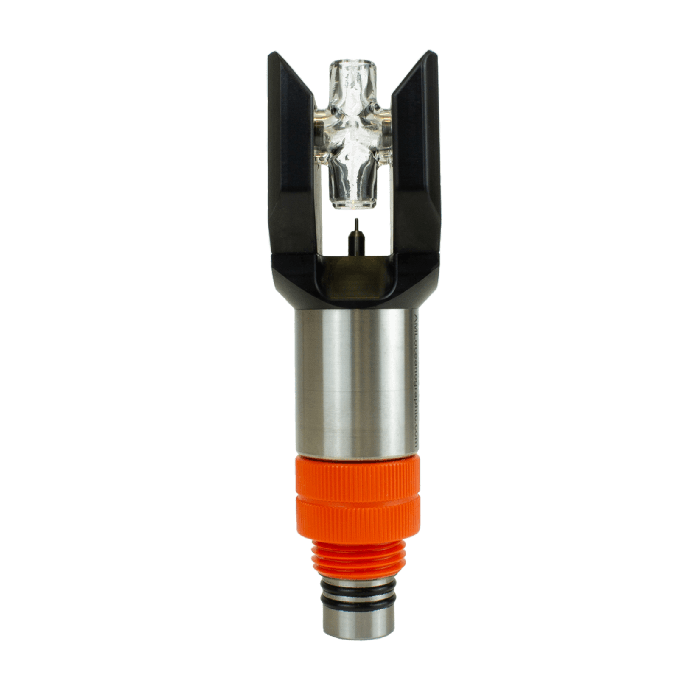
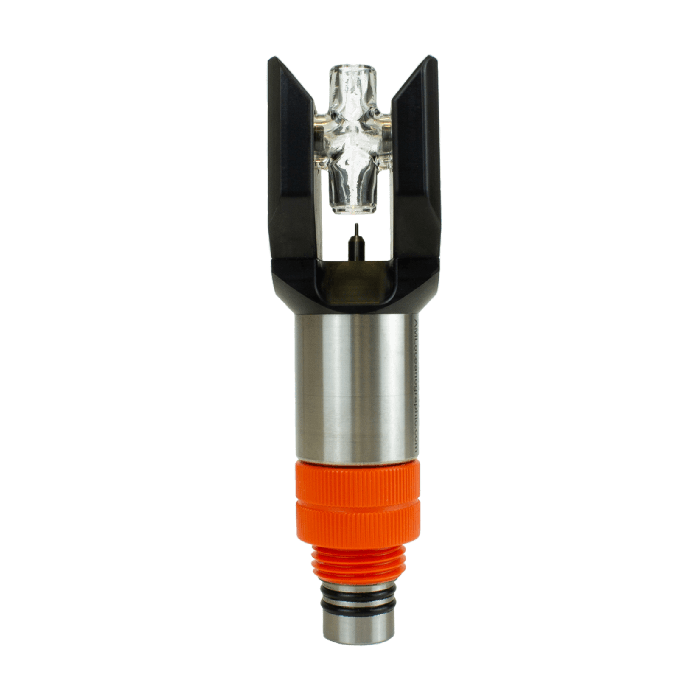
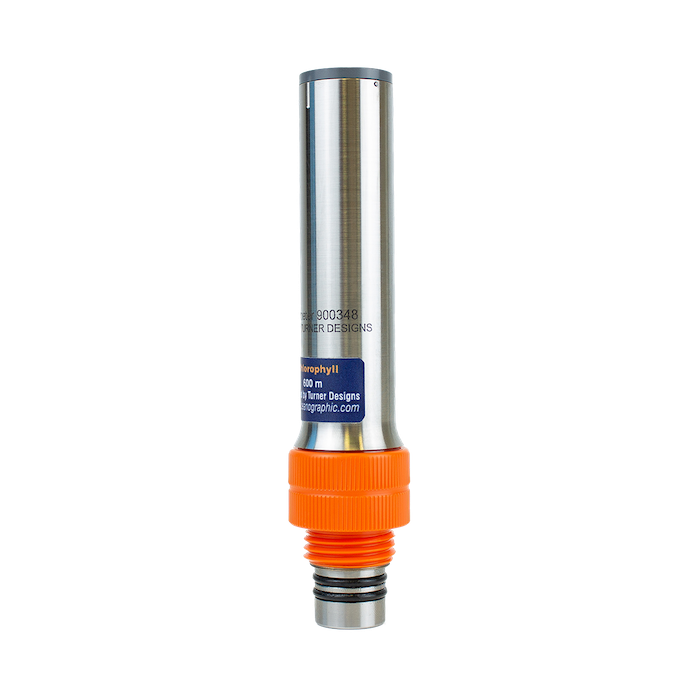
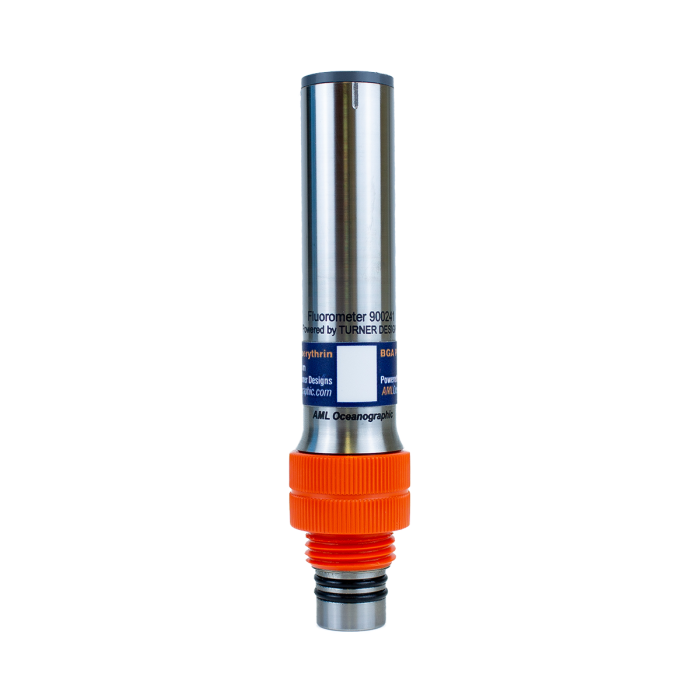
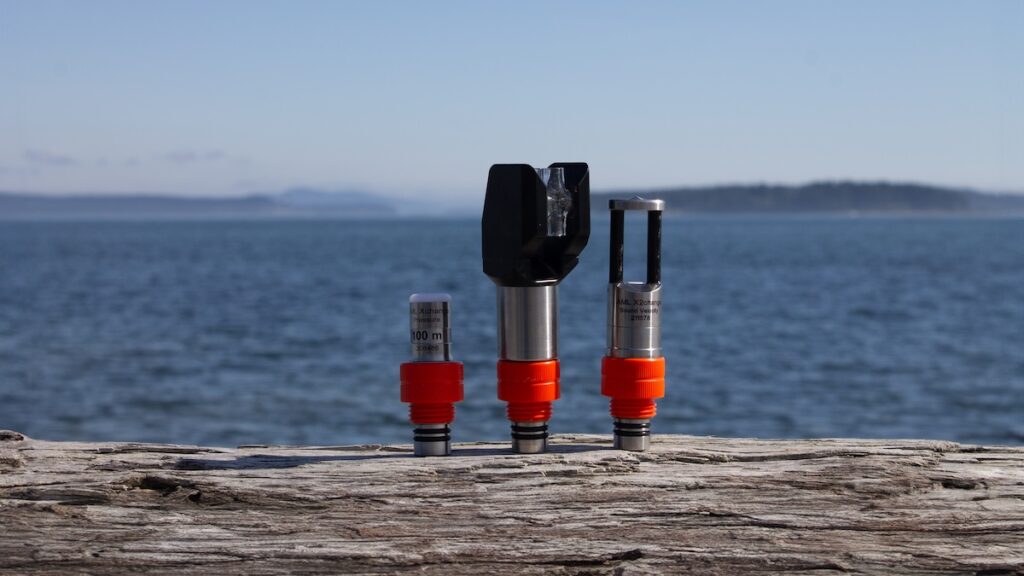
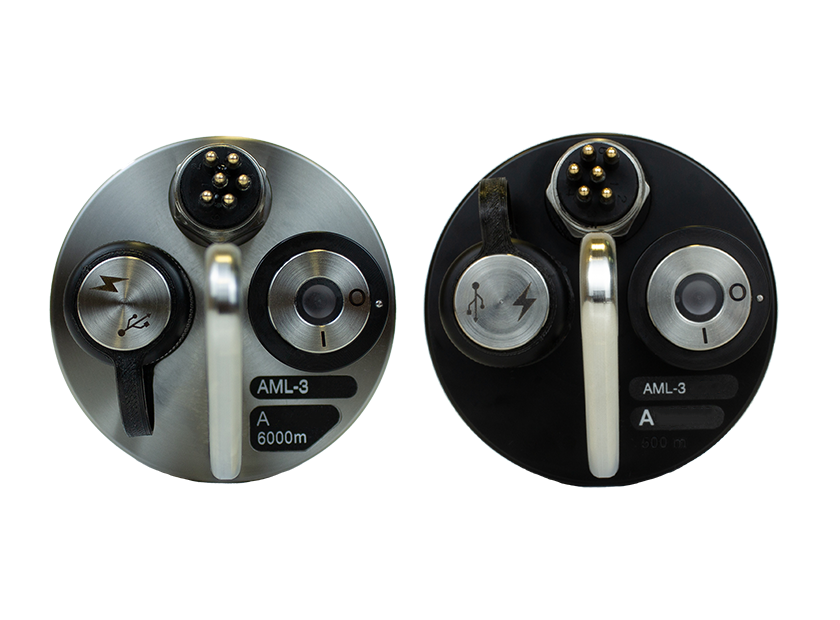
The MVP200 operated with a towfish equipped with an AML Micro CTD, which remained continuously towed behind the Fugro Discovery during survey operations.
While the vessel maintained an average survey speed of 9 knots, individual CTD casts were performed at speeds ranging from 4 to 8 knots, depending on the required profile depth.
By allowing CTD casts to be conducted while the vessel remained underway, the system reduced the time and labor associated with obtaining water column measurements. This approach also contributed to improved multibeam data quality and increased daily and overall survey production.
Profiles could be acquired at regular intervals or in response to changing environmental conditions, including fluctuations in surface sound velocity. Once verified, the updated CTD data could be applied immediately to the multibeam acquisition software without stopping data collection.
Managing Sound Velocity Variations Near Drift Ice
During the Mareano 2017 survey campaign, the Fugro Discovery operated in parts of the Barents Sea where drift ice was present.
Surveying near isolated icebergs and drift ice introduced additional challenges because sound velocity in the upper water column could change rapidly. These variations required frequent updates to the environmental parameters used by the multibeam echosounder.
The MVP200 enabled repeated CTD profiling while the vessel continued acquiring bathymetric data, allowing the EM712 Multibeam Echosounder to be updated frequently with the appropriate sound velocity and absorption coefficients.
This capability was particularly useful in areas affected by changing water column conditions, where maintaining current sound velocity information was important for multibeam survey data quality.
Operational Performance of the MVP200
Throughout the 16-day survey period, the MVP200 demonstrated reliable and robust operation and was reported to be relatively straightforward to use.
Its ability to collect CTD profiles without requiring the survey vessel to stop provided operational benefits in both routine profiling and areas experiencing rapid environmental changes.
The deployment demonstrated how underway CTD profiling could support continuous multibeam bathymetric acquisition, reduce interruptions associated with sound velocity measurements, and improve survey productivity during hydrographic operations in the Barents Sea.
Read more on Fugro Germany Marine mobilizing AML’s Moving Vessel Profiler System (MVP200).