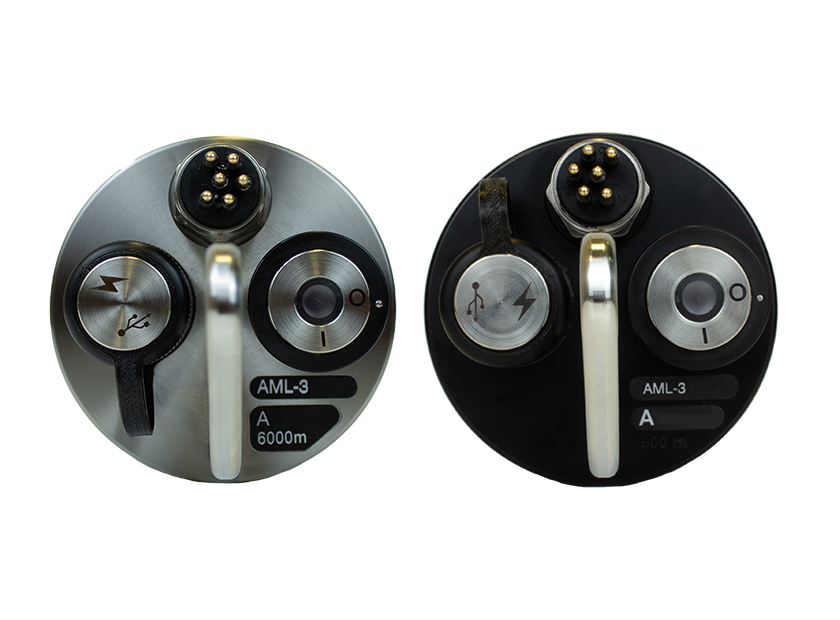



AML Oceanographic has released version 2.0.0.0 of its Sailfish software platform, delivering a range of upgrades designed to optimize instrument setup, sampling, and data management.
This latest release focuses on improving performance, stability, and usability for technical operators. A key advancement is the introduction of a more flexible Auto-Export system. The platform now supports multiple output formats simultaneously and can automatically generate both upcast and downcast files, helping streamline data handling workflows.
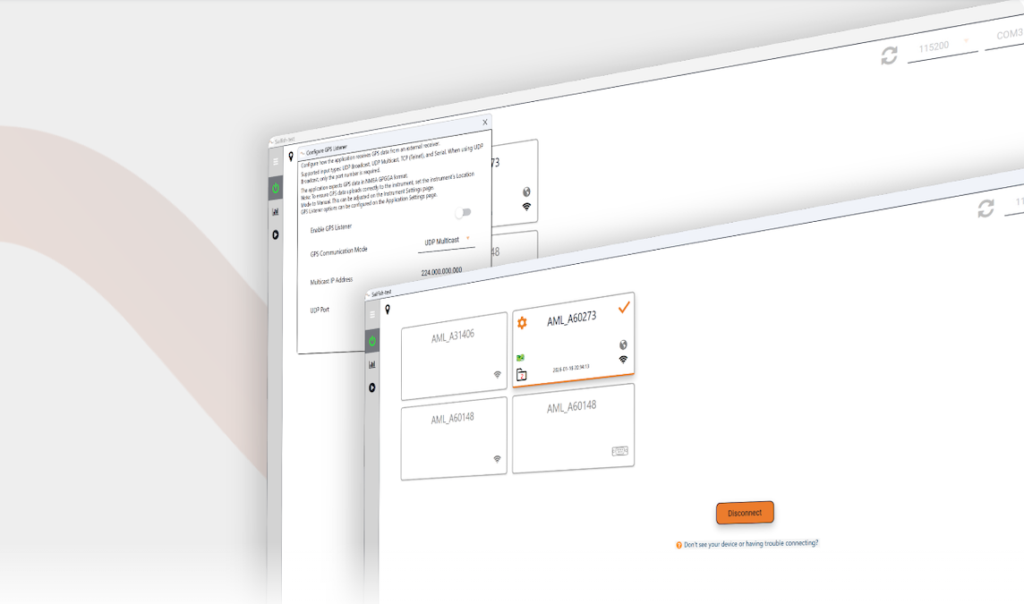
GPS integration has also received a significant overhaul to improve usability and connectivity. The GPS Listener interface has been relocated to the top of the main screen, featuring clear and intuitive status icons for at-a-glance monitoring. The listener is now persistent, meaning it automatically starts up when enabled, and includes new support for TCP/IP connections. Operators working in Manual mode will benefit from continuous GPS location updates, and the system now features automatic instrument time synchronization immediately upon connection.
In addition to data and positioning enhancements, version 2.0.0.0 improves hardware communication. Users will experience faster Wi-Fi connection speeds and enhanced connection reliability across the board, supported by a newly added visible Wi-Fi strength icon.
The update introduces several other features to streamline field operations. Operators can easily toggle between Auto and Manual sampling modes and configure Auto-mode logging thresholds for pressure, Sound Velocity (SV), and conductivity. Default thresholds can be reset with a single click. Finally, user settings for COM Ports and Baud Rates are now persistent, and a configurable download folder has been added to better manage sensor calibration certificates.