Xsens highlights how its motion sensing technology is helping Orbital Marine Power monitor the position and attitude of its floating tidal power generator in the fast-moving waters off Orkney, Scotland.
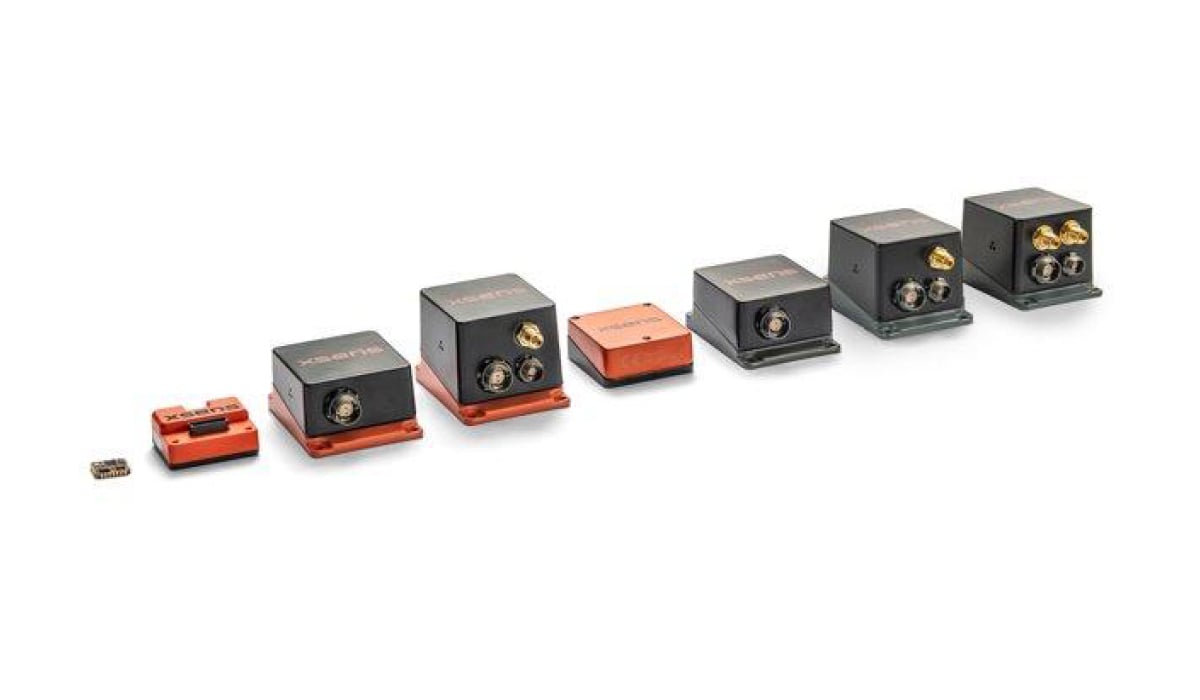
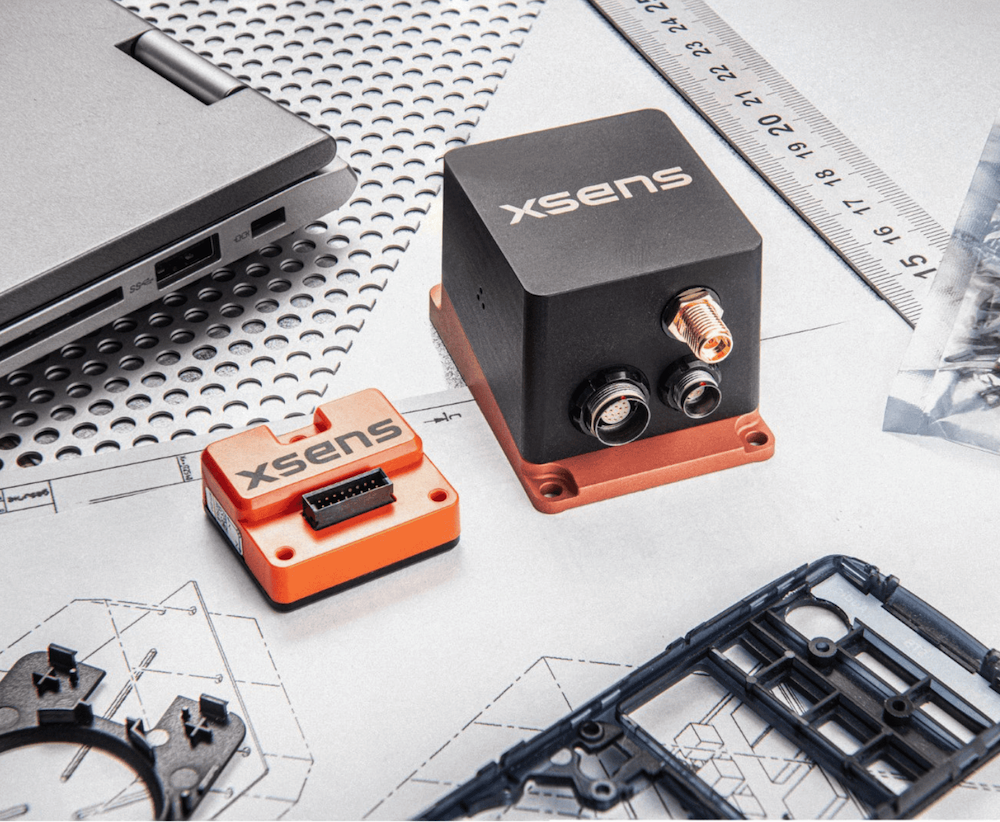
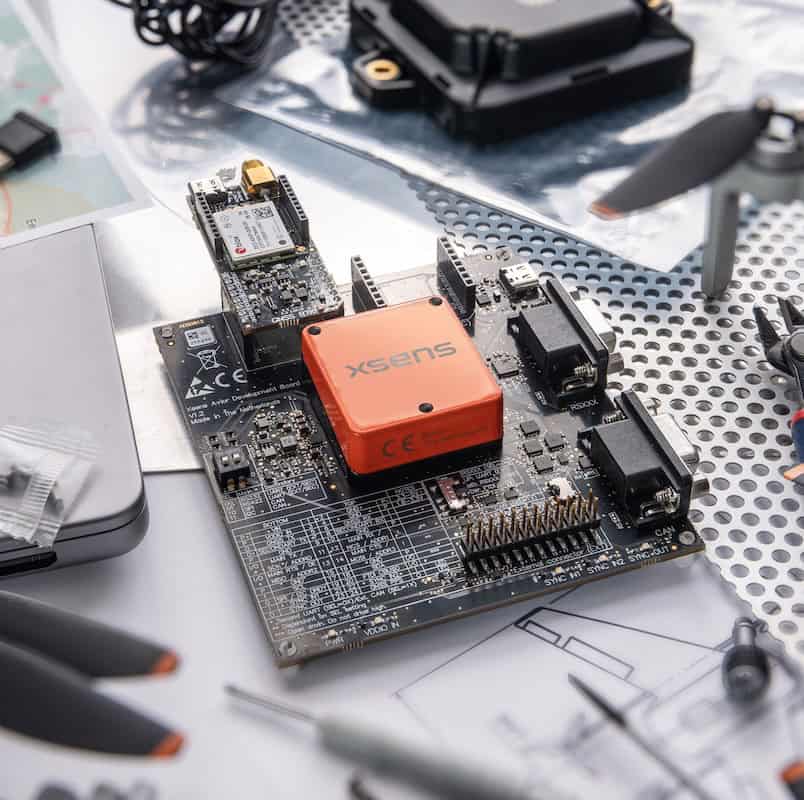
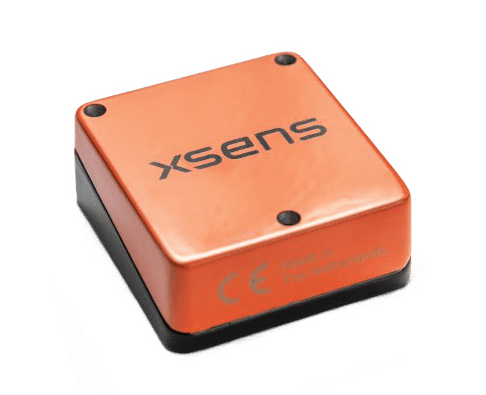
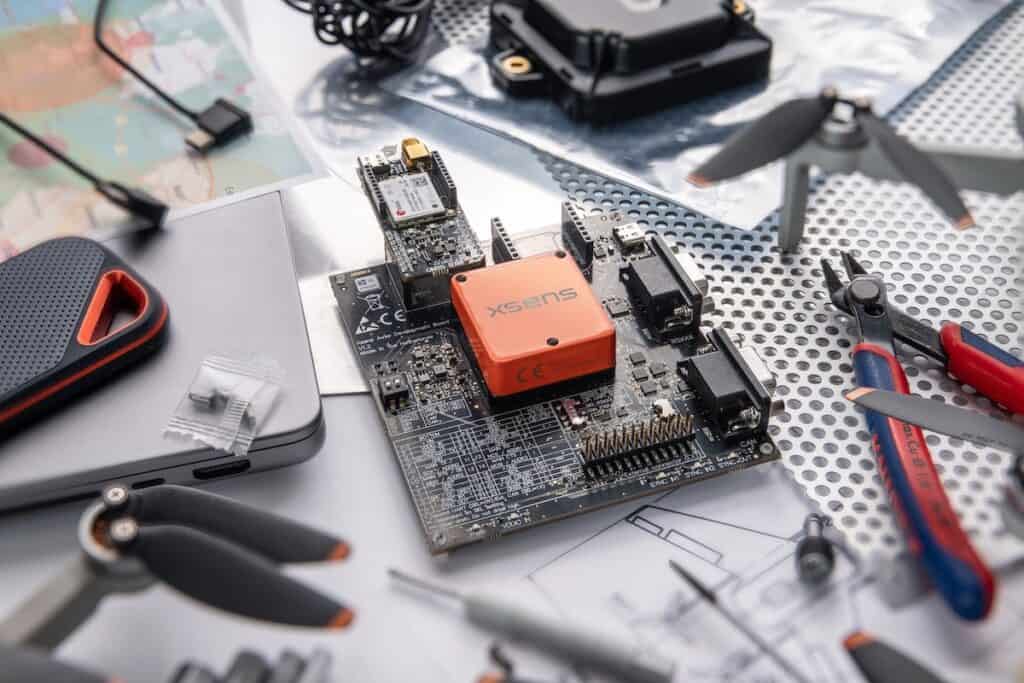
 An Xsens MTi inertial motion sensor continuously measures the platform’s pitch, roll and low-frequency vibration as part of the system used to maintain stable station keeping. Integrated into a Gable Inertial Measurement Unit (IMU) from Gable Technologies, the sensor combines the accuracy of the Xsens MTi with an EtherCAT interface for industrial applications and an IP67-rated enclosure designed to withstand damp conditions and repeated contact with salt water.
Motion Measurement for Floating Tidal Generation
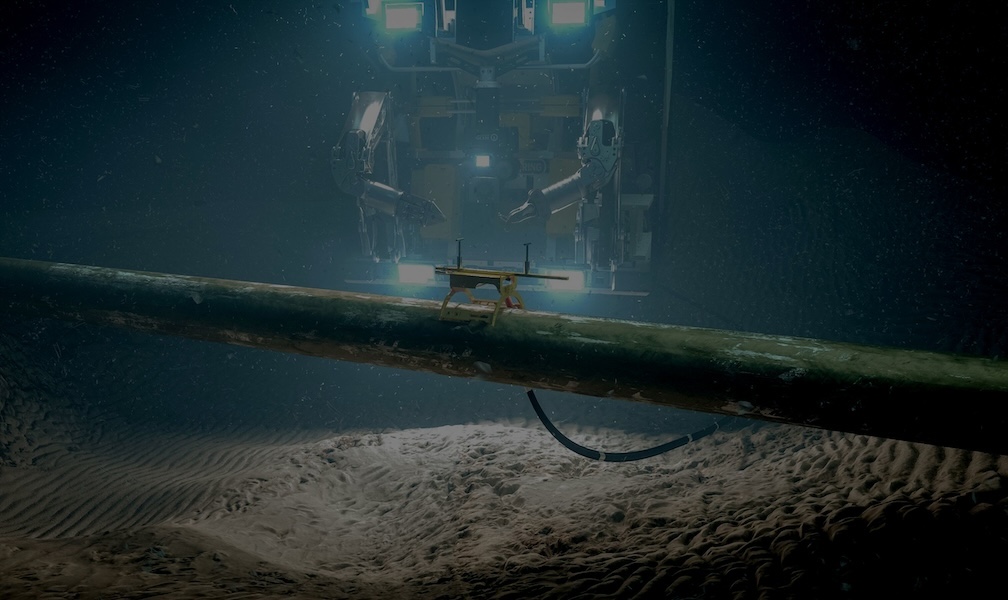
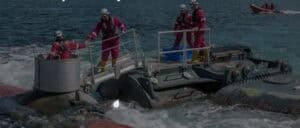
Orbital’s O2 tidal power generator has a nominal output of 2 MW and supplies electricity to the UK national grid. Unlike fixed tidal turbines installed on the seabed, the O2 uses a floating hull with two retractable legs, each fitted with a turbine. The legs can be lowered into energetic tidal flows during operation or raised to protect the structure when extreme weather is forecast.
For the turbines to operate effectively, the floating structure must remain stable in both its geographical position and its attitude. Excessive pitch or roll reduces the flow through the turbines and affects total power output.
To support stable station keeping, Orbital uses multiple sensing technologies, including a Doppler sensor to measure tidal-flow speed, load gauges on both legs, GPS for geopositioning and weather sensors such as anemometers. Alongside these systems, the Xsens MTi continuously measures hull pitch, roll and low-frequency vibration. The MTi family provides more than enough measurement performance for the application, and Orbital also selected the sensor with confidence in the magnetic calibration capabilities available through the MT Software Suite from Movella.
Reliable Performance in Harsh Marine Environments
The floating platform operates in an environment exposed to strong tidal currents, wind, waves, humidity and salt water. Although the interior of the hull is designed to remain dry to simplify maintenance, electronic components must still withstand harsh marine conditions.
Angel Rua Santaclara, Powertrain Manager at Orbital Marine Power, said, ‘The interior of the hull is dry by design – this facilitates repair and maintenance. But inevitably a floating marine structure is always going to be exposed to salt water and a humid atmosphere, and so every electrical and electronic component we use has to be rigorously specified to withstand these harsh conditions.
‘That’s why Orbital’s first instinct was to use the specialist motion sensors that are marketed to the oil and gas industry for use in rigs and drilling platforms. But we found that they are over-specified for our requirements – for instance, they can handle operation at great depths. That meant they were also hugely expensive. We were glad to discover the MTi motion sensor family, because it gives us the performance we need. The Gable IMU has an IP67-rated enclosure, which means that it can survive the damp atmosphere in the generator and repeated contact with salt water. The sensor has operated reliably ever since it was installed in our generator off the coast of Orkney.’
Supporting the Future of Tidal Power
Having demonstrated the feasibility of its O2 tidal power generator, Orbital is preparing to build additional generators for deployment in UK waters and other locations with strong tidal flows.
By continuously measuring pitch, roll and low-frequency vibration, the Xsens MTi provides motion data used within Orbital’s wider sensing system to monitor the floating platform’s attitude in demanding offshore conditions.