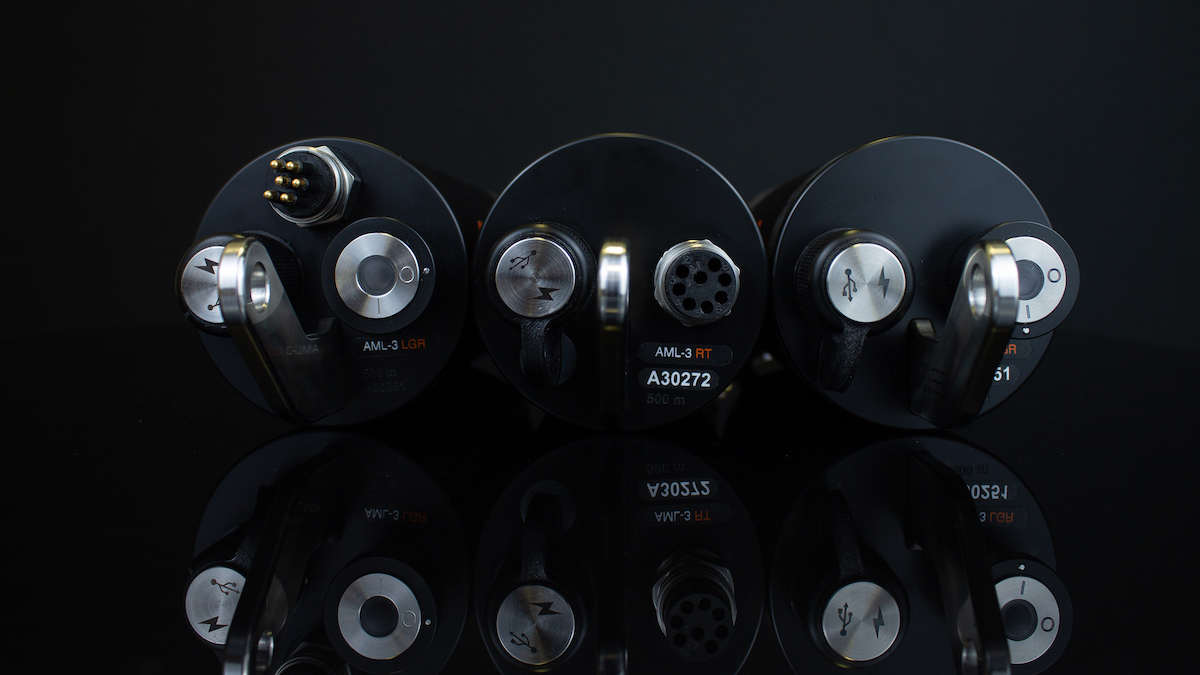



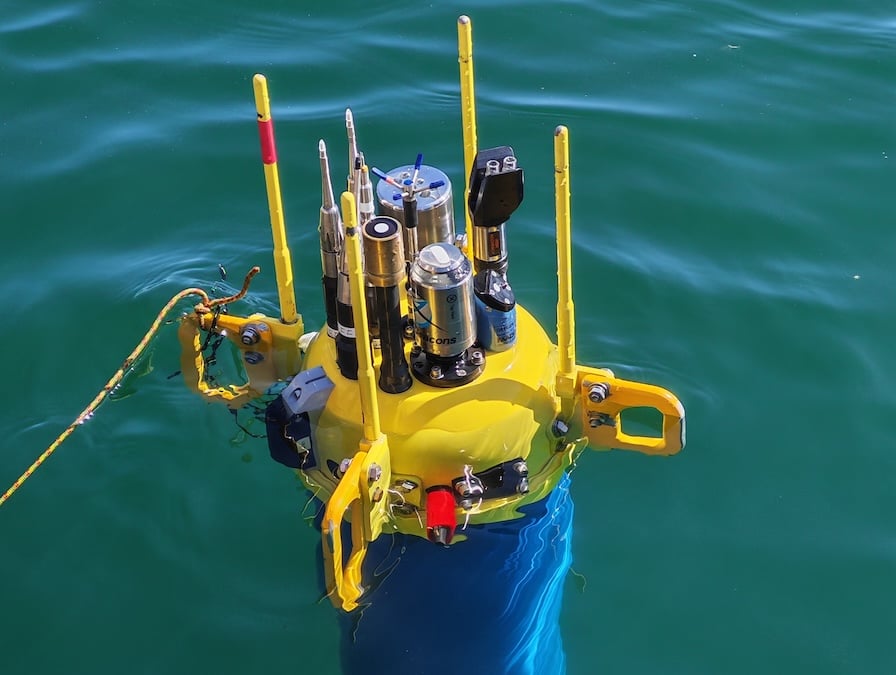
AML Oceanographic examines the use of high-accuracy Conductivity and Temperature (CT) measurements in the near-surface ocean, drawing on a discussion with Dr. Brian Ward from the University of Galway about his work obtaining accurate and stable readings using the Air-Sea Interaction Profiler (ASIP).
The discussion follows recent testing of ASIP at a dive quarry in South Africa, where the team continued evaluating the platform’s performance in a controlled environment.
Understanding the Ocean Surface Boundary Layer
The uppermost layer of the ocean is the site of many physical processes responsible for momentum transfer, heat transfer, and gas exchange. Developing a detailed understanding of these air-sea interactions requires accurate observations of the Ocean Surface Boundary Layer (OSBL).
However, the OSBL remains frequently undersampled. Traditional oceanographic sampling methods are not well suited to measuring conditions within the highly dynamic upper few meters of the water column, presenting challenges for researchers investigating near-surface processes.
To help address this measurement gap, Ward and his team at the Air-Sea Laboratory (National University of Ireland, Galway) developed the ASIP in 2014. The autonomous platform was designed to collect high-quality measurements in the near-surface ocean, vertically sampling the water column to a maximum depth of 100 m.
High-Accuracy Conductivity & Temperature Measurements
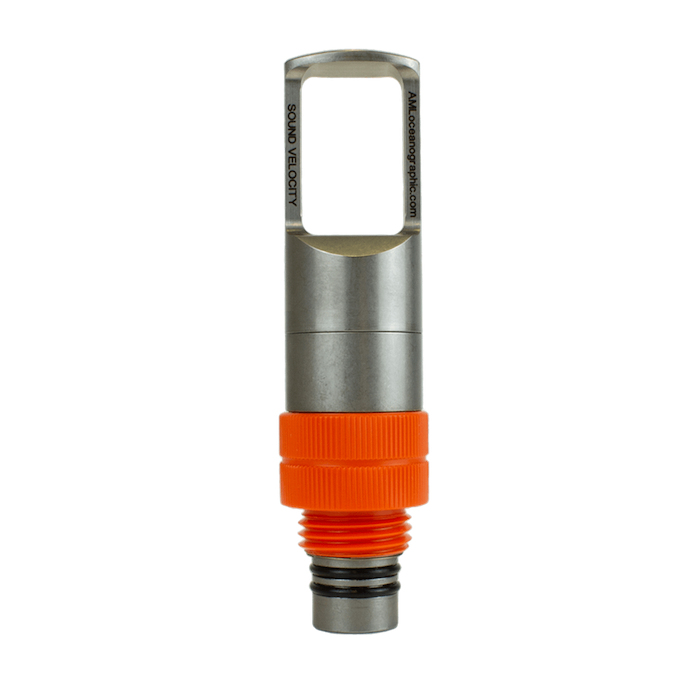
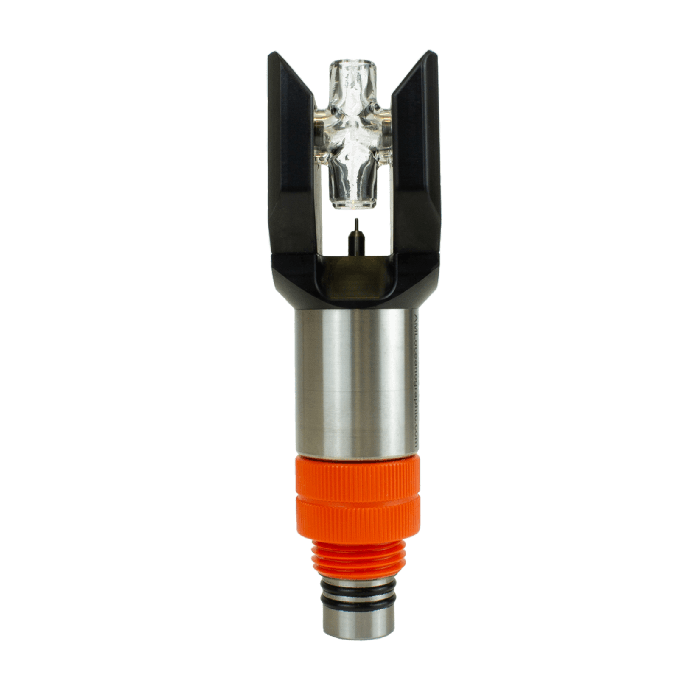
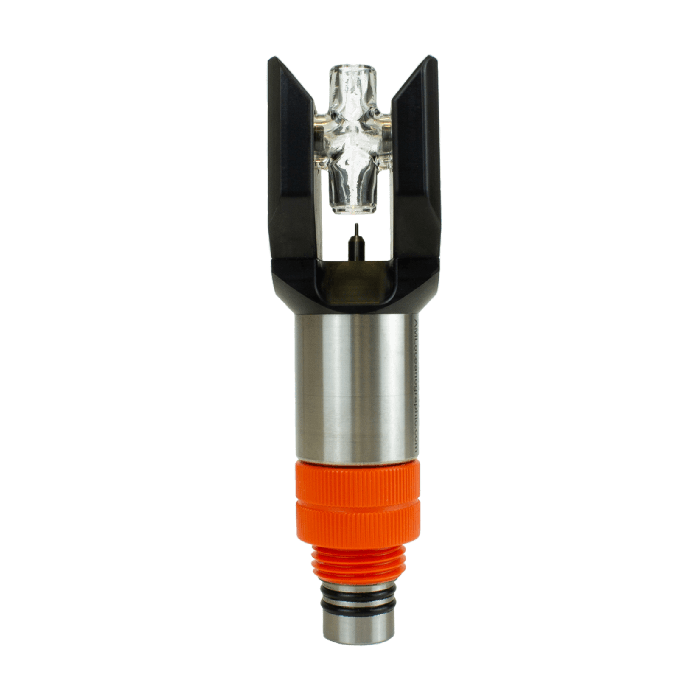
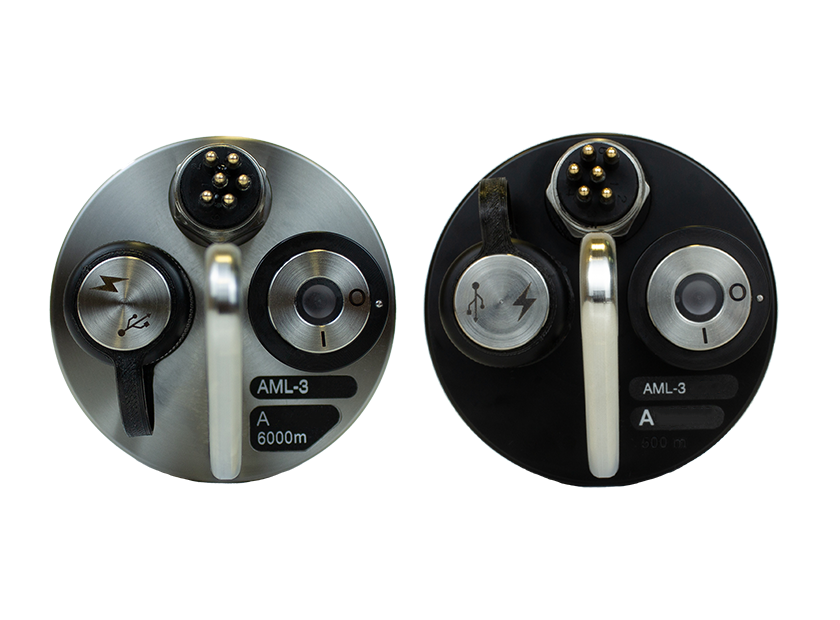
Among the large suite of high-accuracy sensors deployed on ASIP is the HA AML CT sensor, which helps researchers capture the detailed measurements needed to better understand air-sea interaction processes.
Designed for applications in which small changes are significant, the HA CT sensor provides the measurement accuracy and stability required for long-term scientific observations.
Read ‘The Air-Sea Interaction Profiler: High-Accuracy CT Measurements in the Near-Surface Ocean’ for more information.