What is MIL-STD-1399?
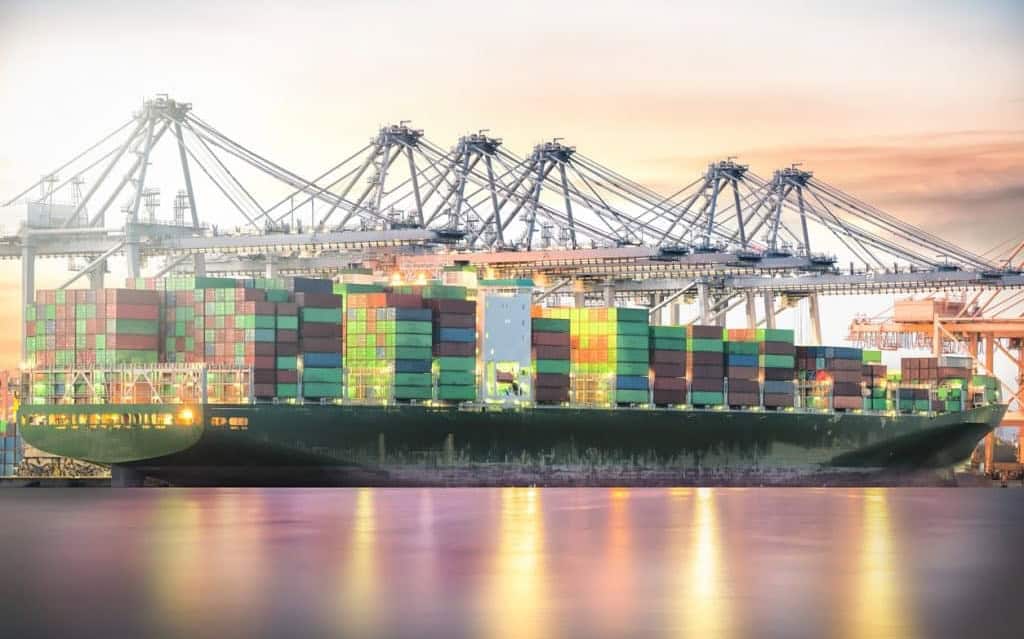
MIL-STD-1399 is a military design and interface standard applicable to naval vessels and equipment (both surface and undersea). The scope of this standard covers voltage tolerances and transients, grounding, test methods, and other electrical power characteristics for low-voltage (A) and medium-voltage (B) equipment.
What types of power conversion equipment are used in shipboard and naval systems?
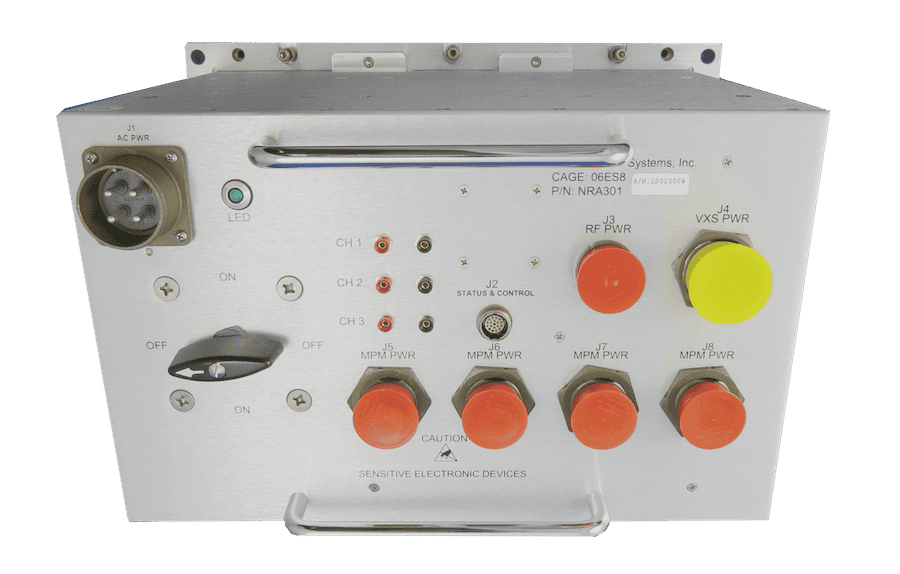
Many types of power conversion can be found aboard naval vessels. Everything from large propulsion-level power systems down to point-of-use power supplies. The range includes a large span of voltages, power levels, and both AC and DC systems.
How are power supplies protected for harsh marine environments?
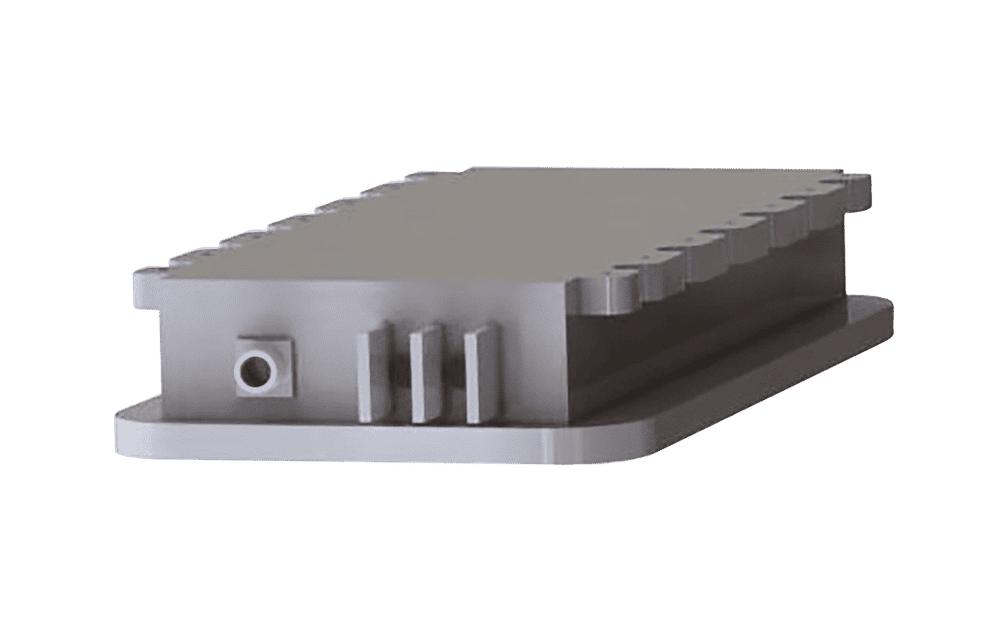
There are different methods of protection depending on the requirements and system objectives. Common mitigations may include ingress protection enclosures, conformal coating on electronics circuit boards, watertight connectors, exterior coatings and films, and design choices.
How is power converted for subsea and surface vehicles, including ROVs?
Commonly, these types of systems involve electrical power sources such as batteries instead of fuel-based sources. Therefore, the power would be converted from the source into the various voltages required for onboard systems. Water ingress protection may be critical depending on location of the power supply within the system architecture.
Can marine power supplies be customized for a specific naval platform?
Yes, customizing the power conversion equipment for naval platforms is available to ensure compliance to the environmental standards, space constraints, connectorization and cabling, and unique system implementation needs of the platform.


 verified