Showcase your capabilities
If you design, build or supply Turbidity Sensors, create a profile to showcase your capabilities and connect with visitors who have an active requirement for your solutions.



Turbidity sensors are optical instruments that measure water clarity by detecting light transmitted or scattered by suspended particles. These sensors are typically deployed on AUVs, USVs, buoys, moorings, seabed observatories, and fixed monitoring systems.
This page features leading optical turbidity sensor manufacturers, supporting plume monitoring, sediment transport studies, dredging operations, aquaculture, and water quality assessment.
Read the Technology Overview
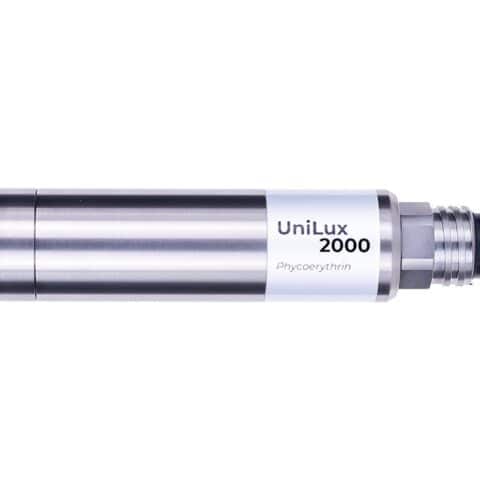
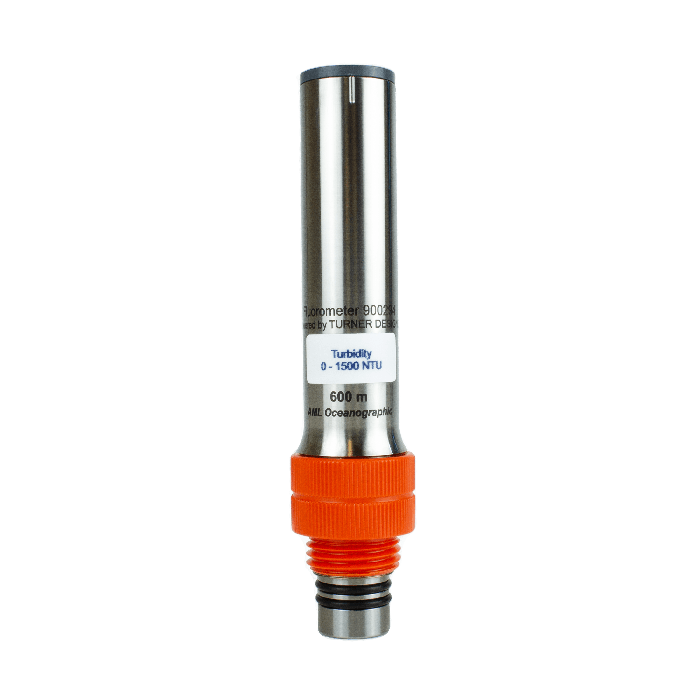
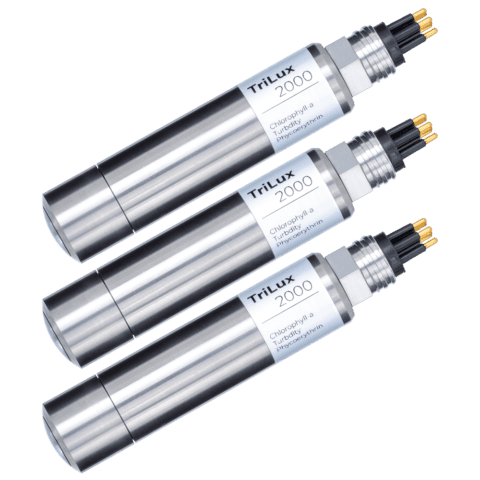
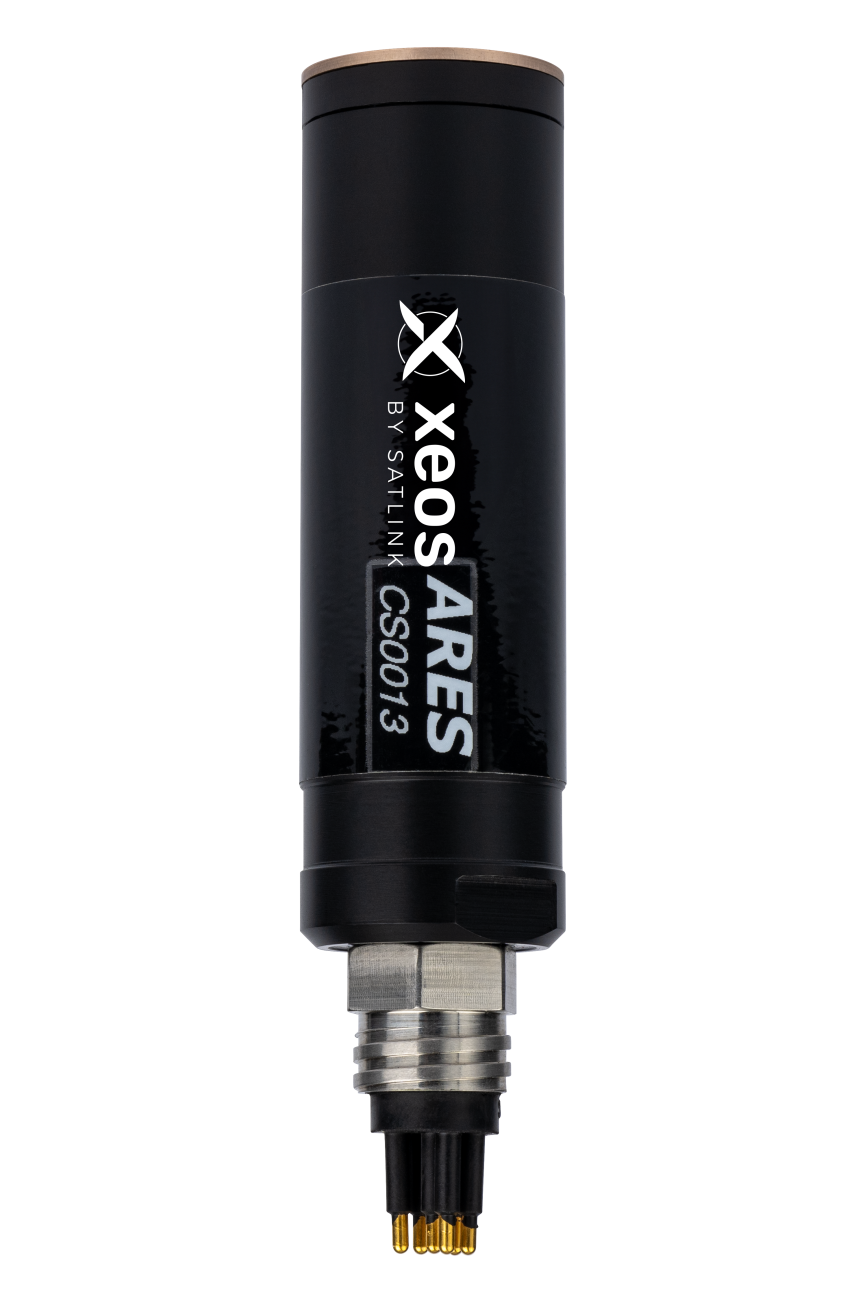
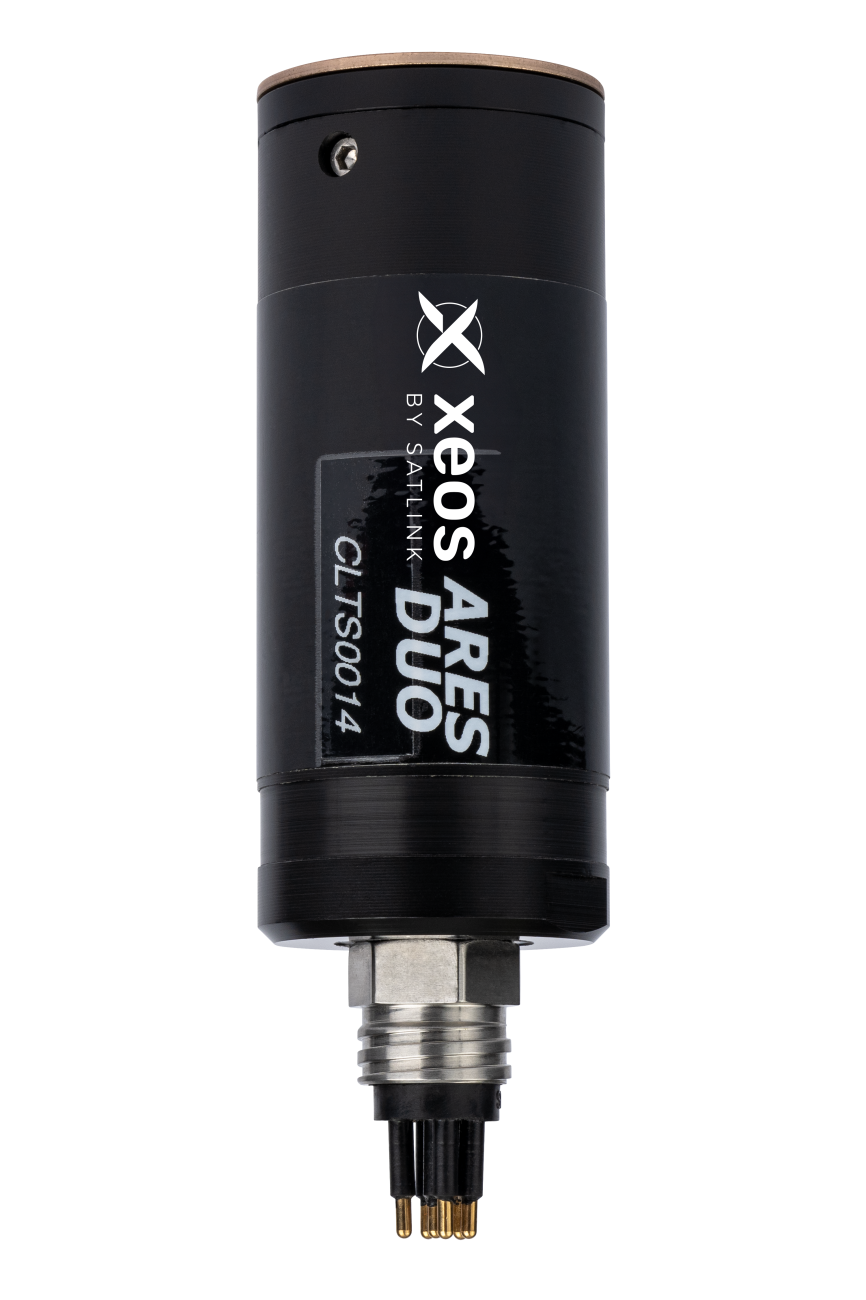
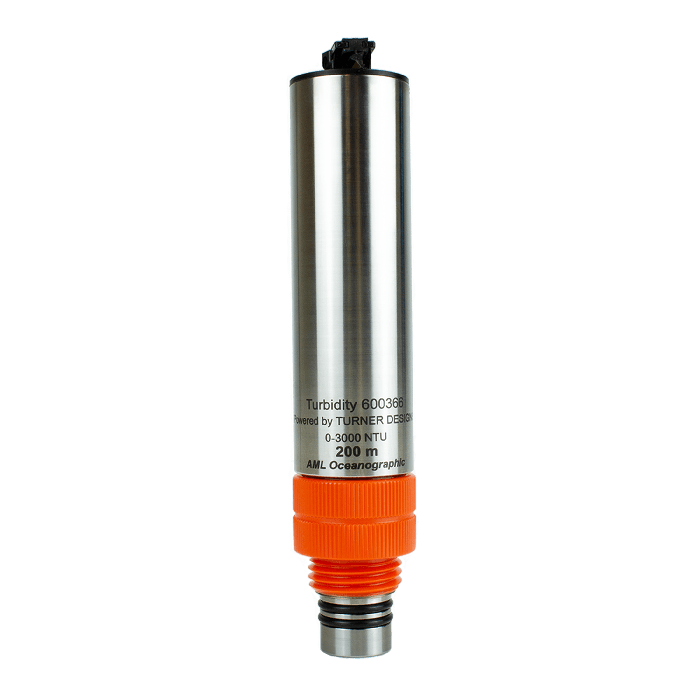
High-Precision Sensors, Multiparameter CTDs & Integrated Systems for Marine Environmental Research & Monitoring

Telemetry Tracking Beacons & Equipment for Marine & Offshore Applications

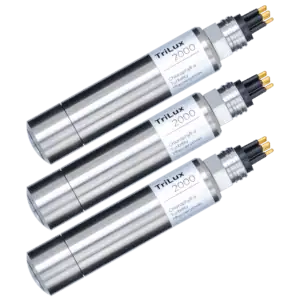
Advanced Water Quality Monitoring & Environmental Sensing Solutions

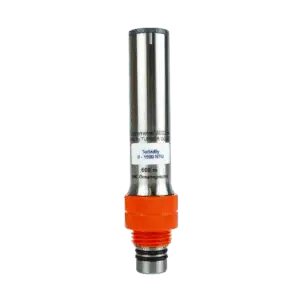
Modular Hydrographic & Oceanographic Instrumentation for Survey, Research & Autonomous Marine Operations

If you design, build or supply Turbidity Sensors, create a profile to showcase your capabilities and connect with visitors who have an active requirement for your solutions.

Turbidity sensors measure changes in water clarity by detecting how suspended particles affect transmitted or scattered light. These particles may include sediment, organic material, plankton, and other suspended matter. Continuous turbidity monitoring can indicate changing water conditions, sediment dynamics, and plume behavior.
A turbidity sensor may operate as an independent turbidity probe, form part of a multiparameter instrument, or integrate with a larger monitoring system. Selecting a water turbidity sensor requires consideration of measurement geometry, range, calibration, depth rating, fouling risk, and particle characteristics. Turbidity is an optical measurement rather than a direct measure of suspended sediment concentration, so results vary with particle size, shape, color, and composition.
Nephelometric sensors determine turbidity from light scattered at approximately 90 degrees to the incident beam. This geometry is widely used for water turbidity testing, particularly at low turbidity. ISO 7027-1 specifies near-infrared nephelometric measurement, while other methods use different light sources and may report different units.
An optical turbidity sensor using backscatter measures light returned toward a detector after interaction with suspended particles. The detector is positioned beyond the conventional 90-degree nephelometric angle. Backscatter designs suit compact in situ instruments and sediment-monitoring applications, but response varies with particle properties. Reported measurements should identify the optical method and unit.
Submersible turbidity sensors package the optical components, electronics, and pressure-resistant housing for direct underwater deployment. An ocean turbidity sensor may be installed on a frame, mooring, profiler, or mobile platform, with depth rating, connectors, and materials matched to the environment.
An in situ turbidity probe measures water directly at the monitoring location rather than relying on a recovered sample. The term describes the deployment method rather than a specific optical measurement principle. In situ probes may use nephelometric, backscatter, or other optical configurations and are commonly paired with data loggers, telemetry, or other environmental sensors. Mounting should minimize interference from bubbles, structures, seabed reflections, and disturbed flow.
Multiparameter sondes combine turbidity with temperature, conductivity, dissolved oxygen, chlorophyll fluorescence, or other water quality measurements. Synchronized measurements can show whether turbidity changes coincide with hydrographic, biological, or water-mass variability.
A laboratory water turbidity meter is used for discrete samples under controlled conditions, while inline turbidity monitors examine water passing through a flow cell or process line. These instruments can complement field sensors for verification, calibration checks, quality control, or monitoring pumped seawater systems.
Turbidity values depend on wavelength, detector configuration, optical geometry, and calibration standard. Units should therefore be reported with enough method information for meaningful comparison. Values in different units should not automatically be treated as interchangeable.
| Unit | Meaning & Measurement Context |
| NTU | Nephelometric Turbidity Units are associated with nephelometric measurements using a detector around 90 degrees. EPA Method 180.1 uses visible light and reports turbidity in NTU. |
| FNU | Formazin Nephelometric Units are used for near-infrared nephelometric measurements with detection around 90 degrees, as specified by ISO 7027-1. |
| FTU | Formazin Turbidity Units are a general or legacy designation linked to calibration against formazin. Because the term does not define a single optical geometry, the measurement method should also be stated. |
| FBU | Formazin Backscatter Units identify measurements using near-infrared light and a backscatter detector arrangement rather than conventional 90-degree nephelometry. |
Consistent reporting is important when turbidity monitoring data from different instruments are compared. Field programs should also record calibration checks, cleaning, sensor range, and values outside the reliable operating range.
Coastal and estuarine turbidity monitoring helps characterize conditions created by tides, freshwater inflow, waves, and runoff. Continuous measurements can reveal short-duration plume, storm, or resuspension events that occasional sampling may miss.
Turbidity sensors are commonly used as optical indicators of suspended sediment variability. Converting turbidity into suspended sediment concentration requires site-specific water sampling and calibration because sensor response can vary with particle size, composition, shape, and optical properties. Optical measurements are therefore best treated as calibrated sediment surrogates rather than universal direct concentration measurements.
A turbidity monitor can provide continuous observations around dredging, cable installation, reclamation, and other marine construction activities. Strategically located instruments can help distinguish background conditions from localized increases in suspended material and document patterns during operations.
Turbidity can form part of environmental monitoring around aquaculture facilities, hatcheries, and fisheries research sites. Combined with dissolved oxygen, temperature, salinity, and biological measurements, turbidity provides additional context for changing water-column conditions.
A turbidity logger or integrated sensor can be deployed on buoys, moorings, benthic landers, and fixed observatories for long-duration measurements. Power consumption, storage, optical fouling, mounting geometry, calibration stability, and servicing intervals are important for autonomous deployments.
A turbidity sensor for underwater applications can be integrated with Autonomous Underwater Vehicles (AUVs), while comparable instruments can support Unmanned Surface Vehicles (USVs). Mobile platforms enable spatial mapping, provided sensor response time, vehicle-induced bubbles, flow disturbance, sampling frequency, and time synchronization are considered.
Long-term ocean deployments require measures to prevent growth or contamination on optical surfaces from creating false trends. Fouling can alter measured values and may be difficult to separate from genuine environmental change without inspection and quality control.
Maintenance should be planned alongside deployment duration because a suitable turbidity sensor can still produce poor long-term data if its optical surfaces do not remain clean.
Turbidity instrumentation continues to evolve alongside autonomous ocean observing systems and integrated water quality networks.
These developments are expanding turbidity sensors from standalone water quality instruments into integrated components of persistent oceanographic observing systems.
 Searching Companies & Products