
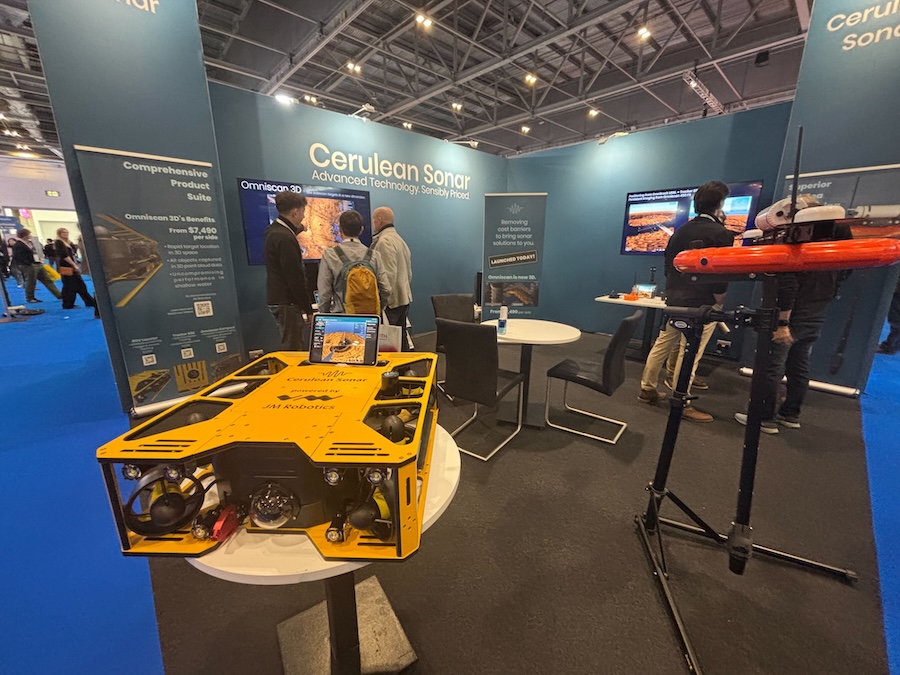
Cerulean Sonar engineer Michael Delaney spoke with Ocean Science Technology at Oceanology International 2026 in London about the company’s latest developments in compact acoustic sensing, including its new OmniScan 3D sonar system.
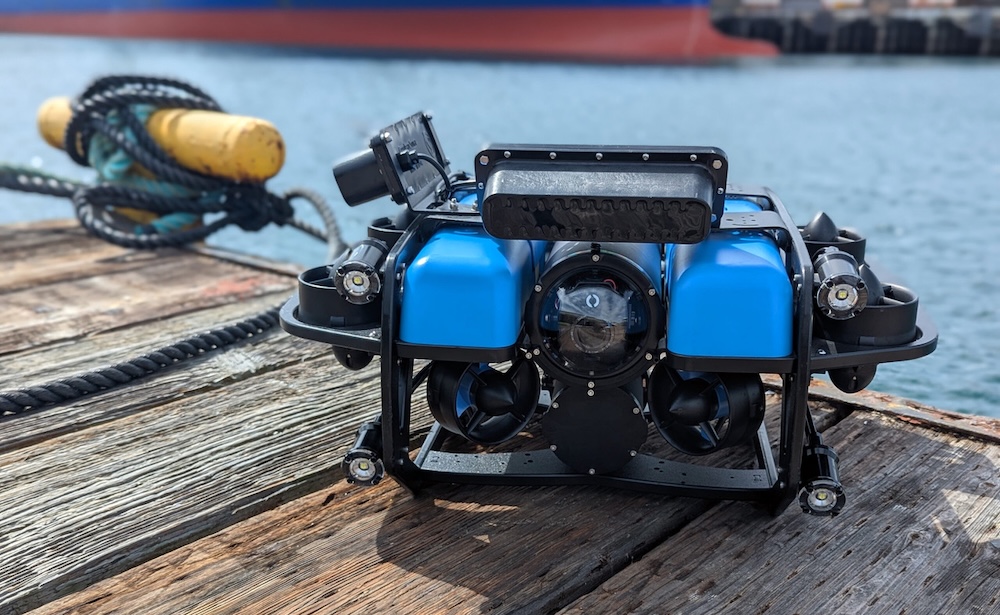
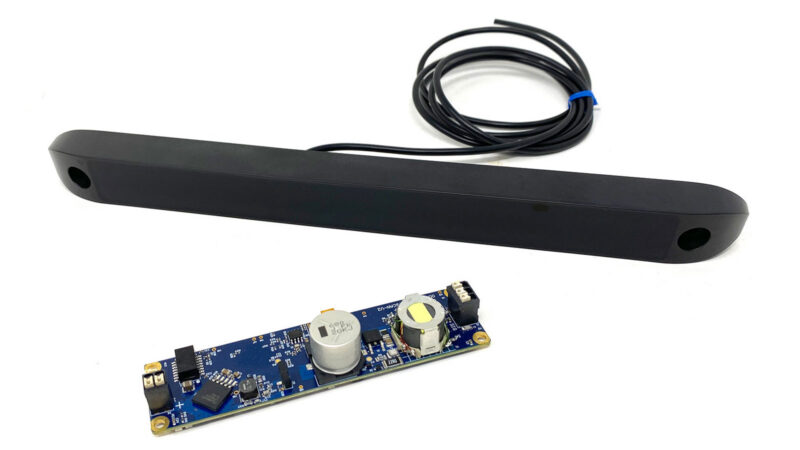
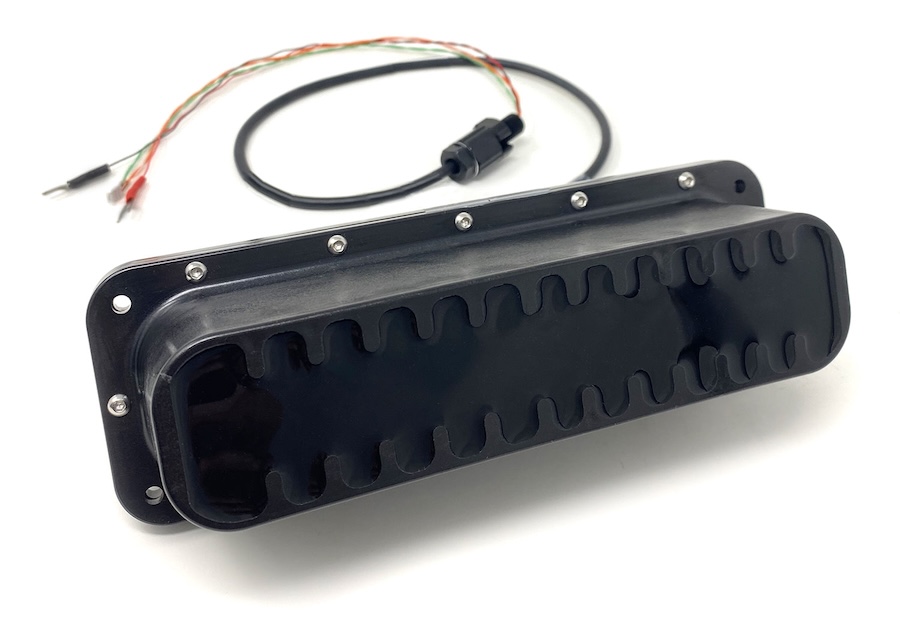
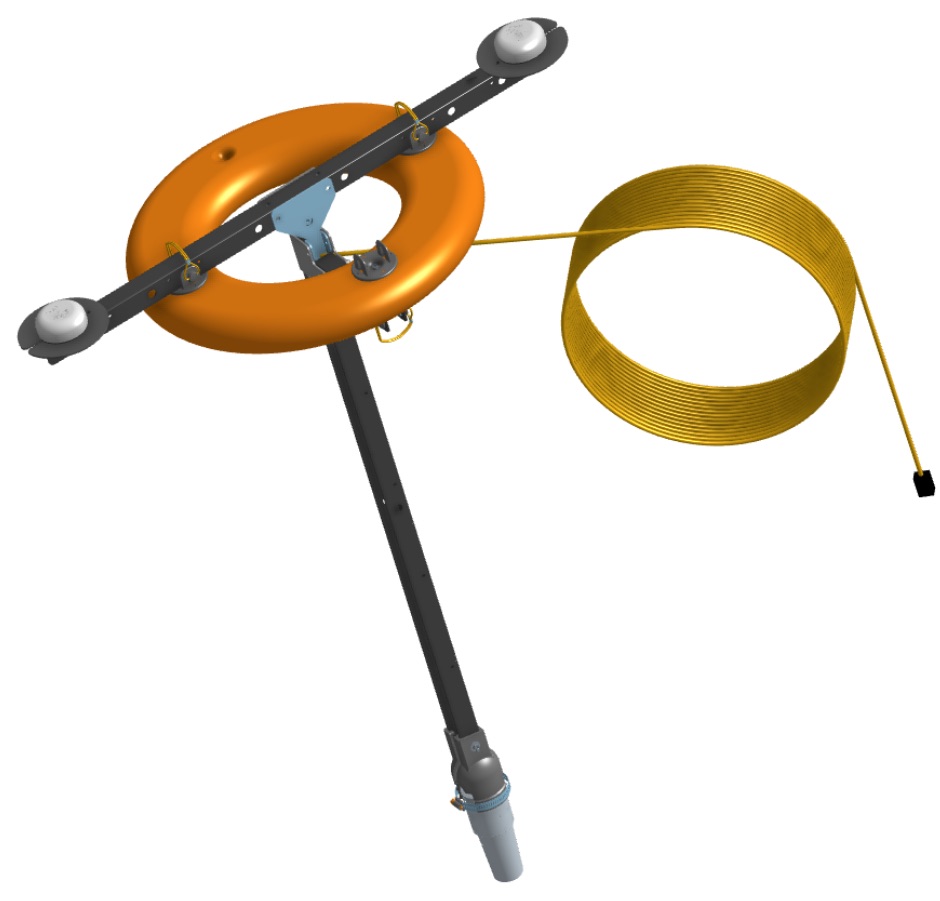
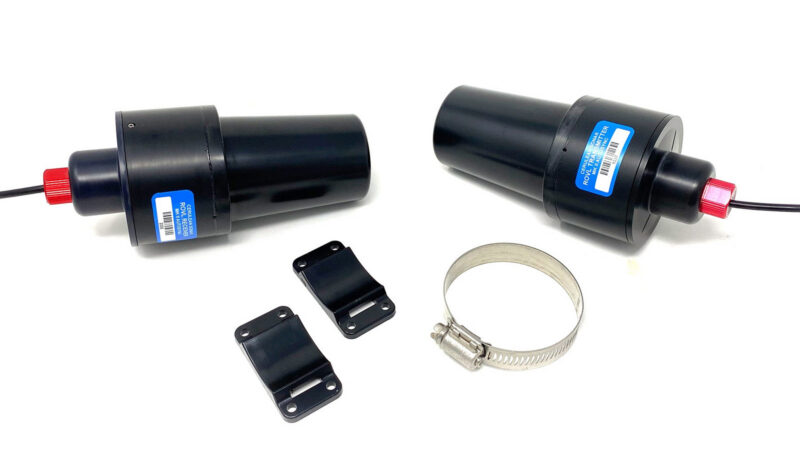
Launched at Stand K450, OmniScan 3D is designed to deliver both acoustic imaging and bathymetric mapping simultaneously, combining capabilities that are often provided by separate sonar systems.
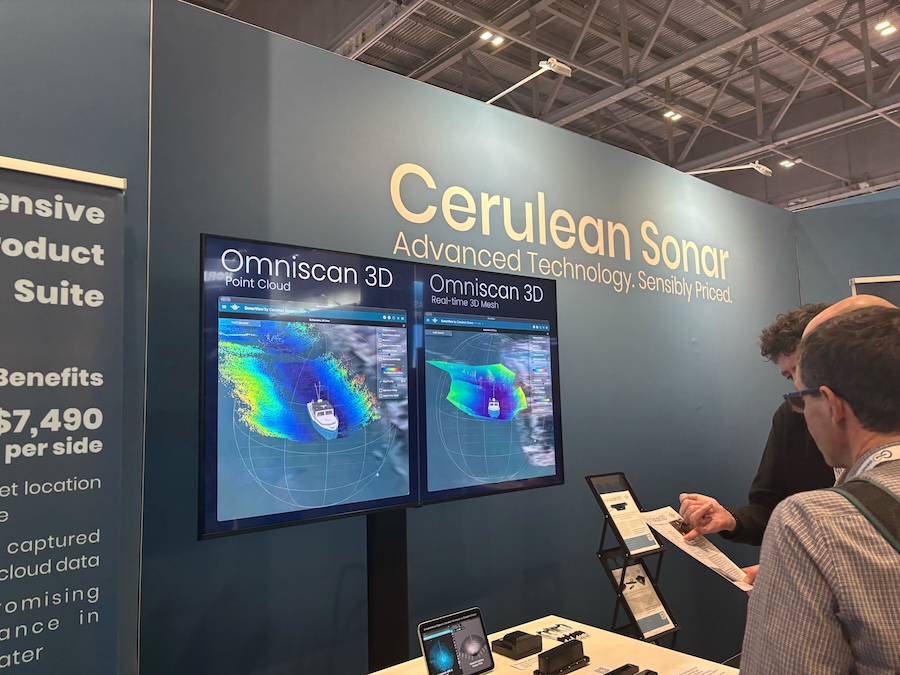
According to Delaney, the system collects approximately 400 acoustic points per scan, producing point cloud data for bathymetric mapping while also generating imaging data similar to a side-scan sonar. By combining these datasets, operators can visualize underwater environments while also capturing depth information within the same pass.
A key focus for Cerulean Sonar has been making this type of capability accessible to a wider range of users. The OmniScan 3D system starts at $7,500, a price point the company believes significantly lowers the barrier for operators who previously could not justify the cost of higher-end sonar systems.
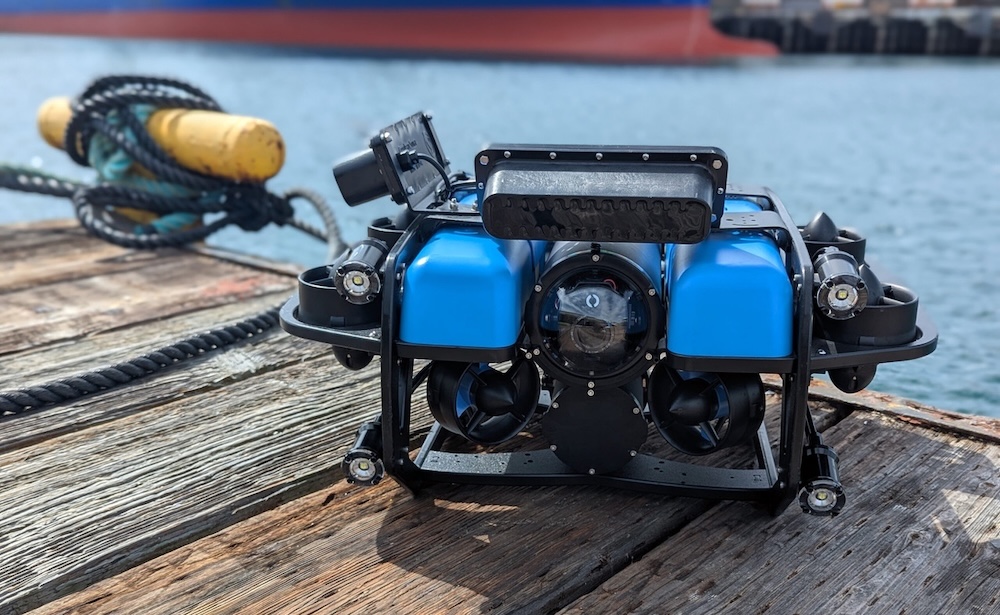
Delaney explained that affordability has become a major challenge as smaller ROV platforms become more widely available.
“You can buy these ROVs now for a couple thousand dollars to tens of thousands of dollars. But then the sonar for it costs the same amount or more. We’re trying to bring it to a price range that makes a lot more sense and makes sonar accessible to more people.”
– Michael Delaney, Engineer at Cerulean Sonar
The system is particularly suited to environments where visibility is limited and optical sensors are ineffective, such as inland lakes or turbid coastal waters. Cerulean Sonar is currently conducting a series of case studies with early users to evaluate the technology in operational scenarios.
Among these deployments, the company is working with robotics developer JM Robotics, which has begun testing the system on its platforms. Additional testing is also underway in survey scenarios, including dredging operations where sonar imaging is used to assess submerged vessels and debris.
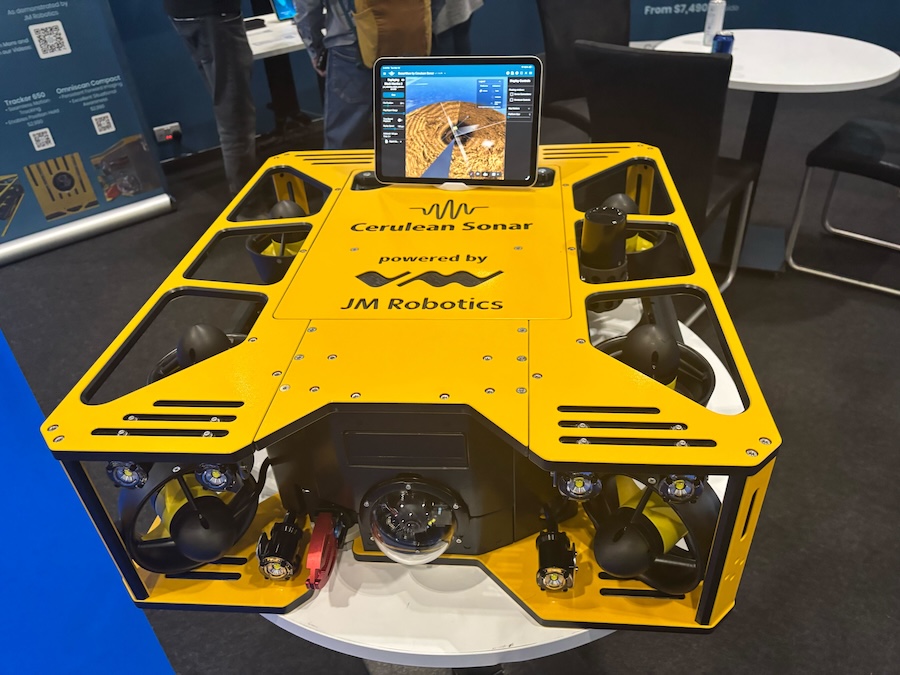
Beyond the OmniScan 3D, Cerulean Sonar is also continuing development work aimed at integrating its positioning technologies with the company’s broader sonar sensor portfolio, allowing multiple sensing capabilities to operate within a unified system architecture.
Delaney also highlighted the role that Oceanology International plays in helping companies better understand the needs of the sector. For Cerulean Sonar, the exhibition provides an opportunity to engage directly with operators and other technology developers to identify practical challenges faced in the field.
“It’s one thing for us to guess what people need,” Delaney said. “It’s another thing to talk to someone who’s doing the work and understand the problems they’re trying to solve.”
These developments were discussed during an on-site interview with Summer James from Ocean Science Technology at Oceanology International 2026.