Marine Radar data can be difficult to interpret in dynamic environments, particularly during research and survey operations. Tocaro Blue’s ProteusCore software addresses this by automating target detection and tracking, enabling users to extract structured perception data from standard marine Radar systems.
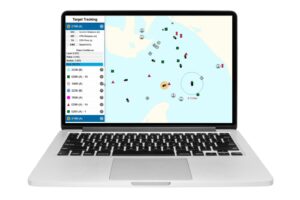
ProteusCore Software by Tocaro Blue
Applicable across research vessels, autonomous platforms, and survey operations, the software uses machine learning to detect, classify, and track marine targets while reducing the need for manual Radar adjustment and interpretation.
Converting Radar Data into Actionable Target Information
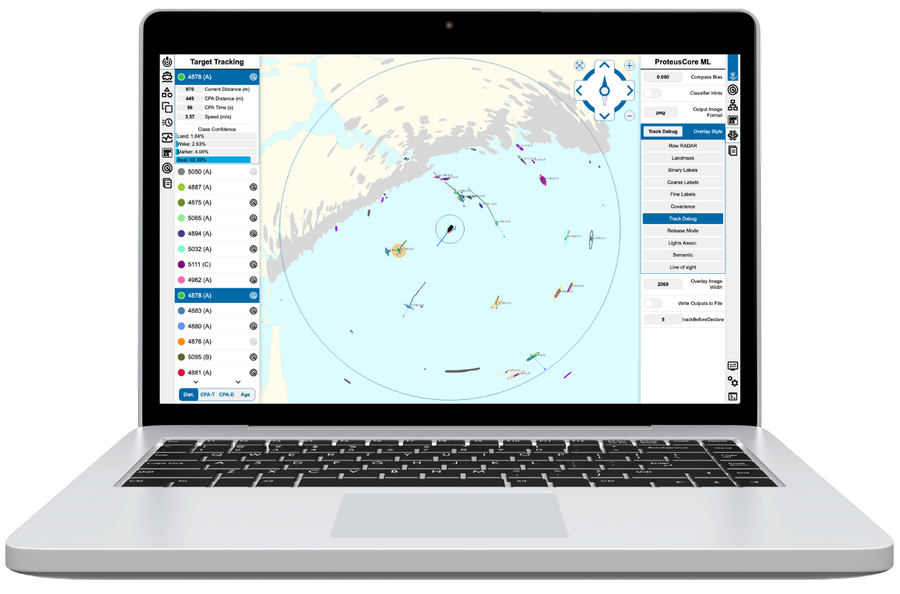
ProteusCore connects to existing Radar hardware and processes raw scanline data into identifiable and trackable objects through a software interface. Proprietary machine learning models, trained on extensive Radar datasets, distinguish vessels, navigation markers, shorelines, and noise in real time.
This capability supports onboard situational awareness during marine operations, as well as the development of visualization tools and perception systems for both crewed and uncrewed platforms.
Modular Processing for Dynamic Marine Environments
The software architecture is built around three primary modules – Autofocus, Machine Learning Object Detection, and Fusion & Tracking – which together enable consistent Radar performance and reliable target tracking in changing marine conditions.
- Autofocus continuously evaluates Radar returns and adjusts range and gain settings automatically, ensuring optimal image clarity without operator intervention. This is particularly beneficial in environments where conditions change rapidly, such as coastal or congested waterways.
- Machine Learning Object Detection processes the Radar image to identify and classify returns such as vessels, markers, and land features, using models tailored to the characteristics of marine Radar data.
- Fusion & Tracking maintains and refines multiple target tracks simultaneously, estimating position and movement while incorporating additional data sources such as AIS or other onboard sensors to improve accuracy and confidence.
Integration with Existing and Emerging Platforms
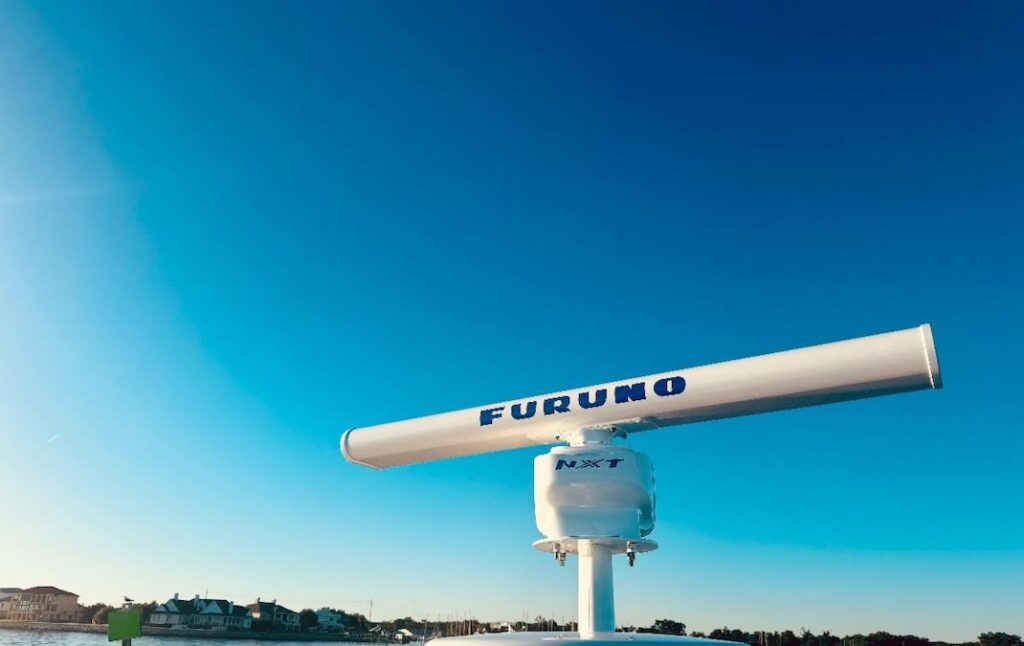
ProteusCore operates efficiently on CPU-only hardware, enabling deployment on compact computing systems commonly used in research vessels and autonomous platforms. The software supports widely used solid-state Radars, including Garmin Fantom, Simrad Halo, Furuno DRS NXT, and Raymarine Cyclone systems.
Processed outputs are delivered in JSON format via standard communication protocols such as WebSocket and UDP multicast, allowing straightforward integration into onboard systems, visualization tools, or control architectures.
Developers can deploy ProteusCore as a compiled executable for immediate API access.
Evaluation and Development Workflow
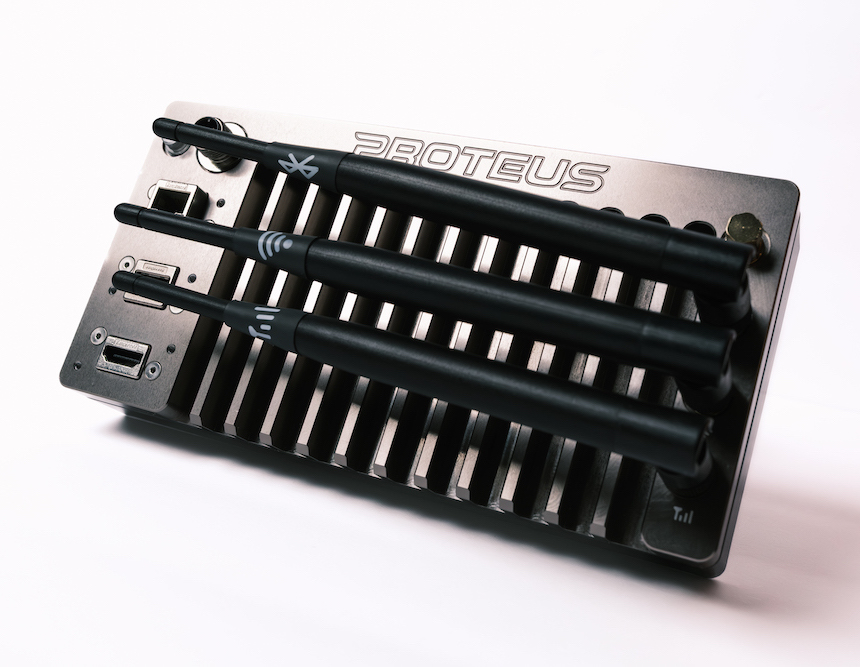
Tocaro Blue provides the ProteusCore Devkit, a marine-grade hardware device that runs the full ProteusCore software and offers plug-and-play access to the API. This enables users to evaluate system performance during real-world operations and validate functionality within their existing technology stack.
The Devkit is intended as a testing and validation tool rather than a final deployed system. In academic and research environments, it may also be used as a standalone platform for continued experimentation, training, or extended field trials.
After evaluation, integrators typically progress to a compiled executable for deployment, enabling advanced configuration and enterprise-scale implementation.
Supporting Data-Driven Marine Operations
By automating Radar tuning and applying machine learning to Radar data, ProteusCore enables consistent and reliable awareness of surrounding vessels and obstacles. Its modular design supports scalable integration and repeatable performance across applications including marine research, survey operations, and autonomous surface platforms.