
Tocaro Blue has integrated its ProteusCore software with FarSounder’s Argos Forward Looking Navigation Sonar to provide mariners with enhanced AI-powered perception.
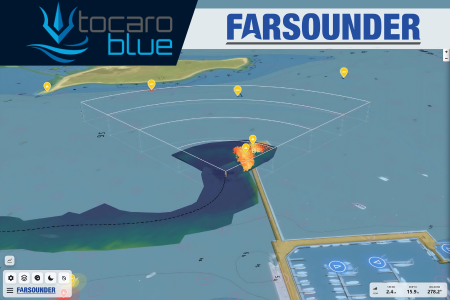
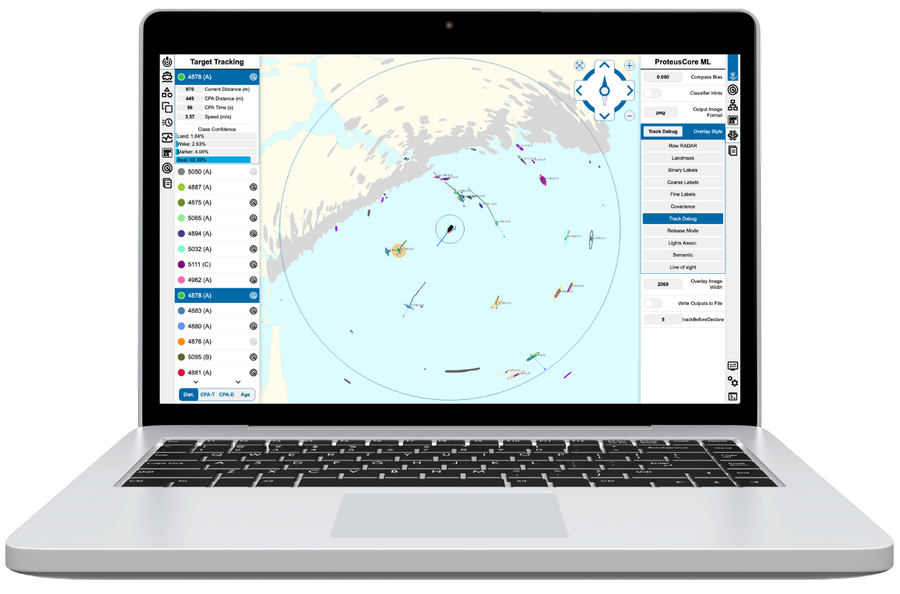
The collaboration brings AI-powered Radar perception into FarSounder’s SonaSoft Lt navigation environment. By merging these technologies, operators receive a comprehensive view of both surface and subsurface hazards within a single display. This allows for the classification of vessels, including those not broadcasting AIS signals, alongside the identification of buoys, shorelines, and underwater obstacles.
FarSounder’s Argos 3D systems are engineered to provide real-time data on the seafloor and water column ahead of a vessel. The technology is utilized by a wide range of maritime sectors, including unmanned vessels, expedition cruise ships, superyachts, and government operators to navigate poorly charted or shallow waters safely.
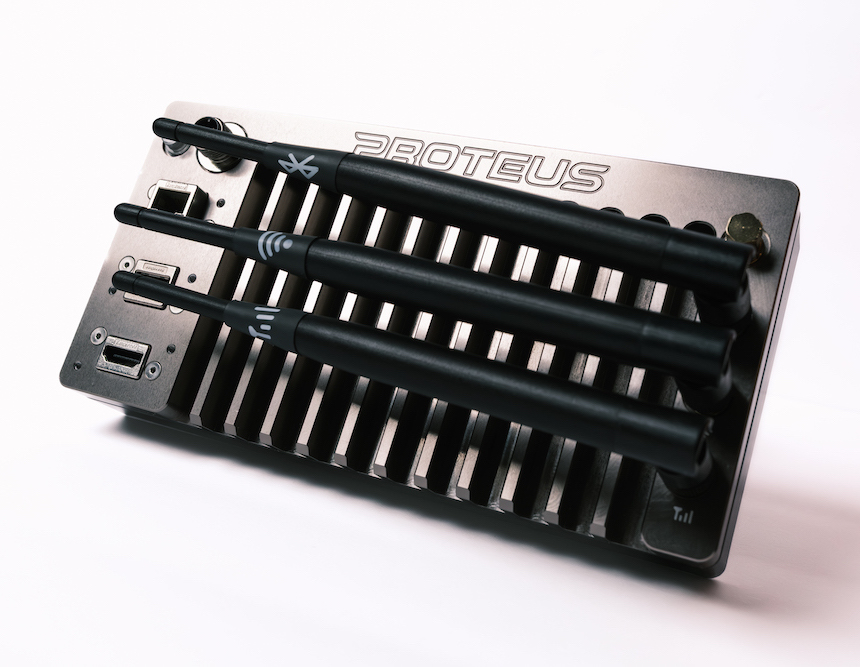
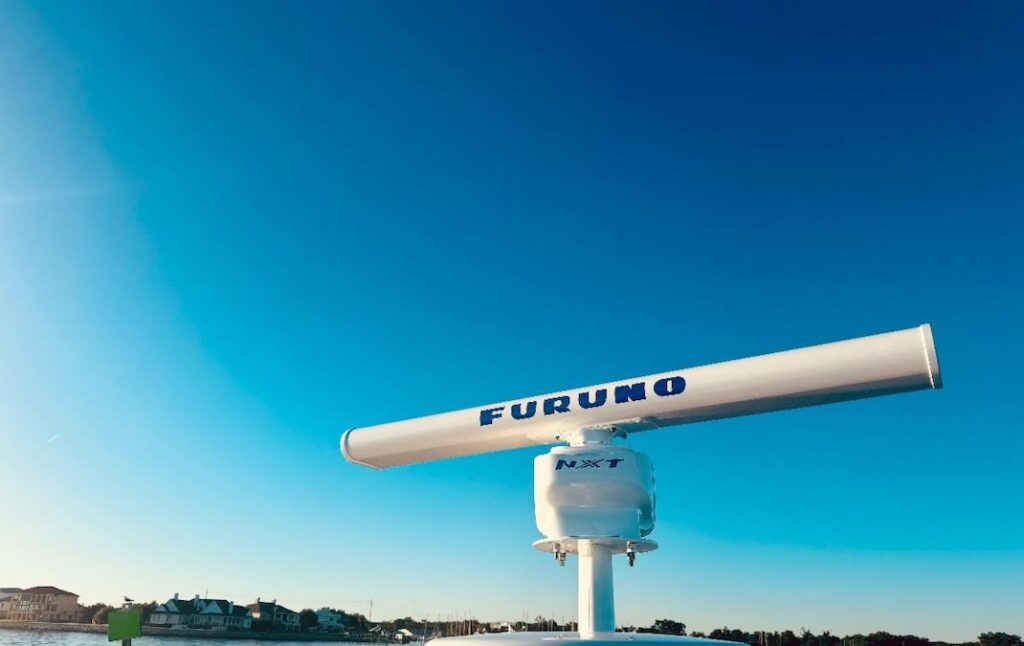
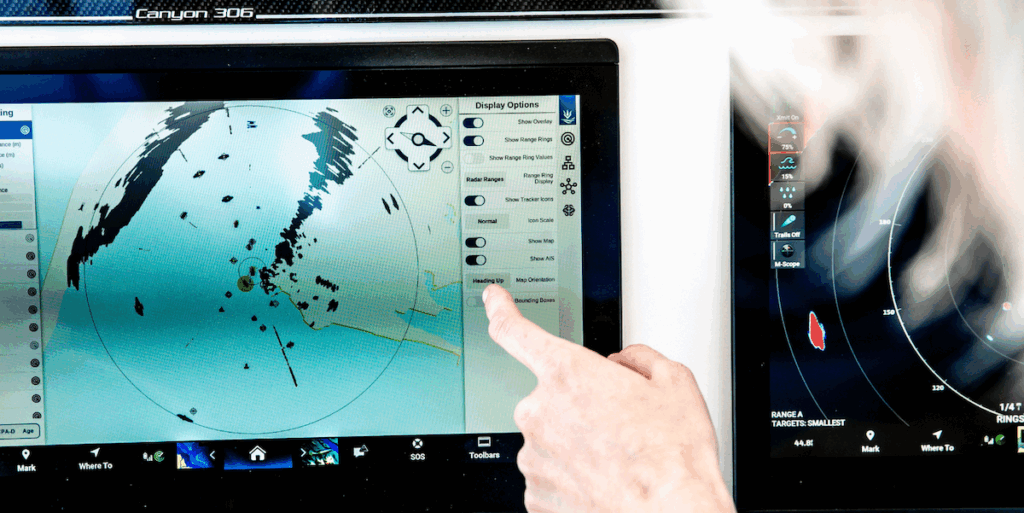
The addition of ProteusCore transforms standard marine Radar into an intelligent sensor capable of detecting and tracking objects using machine learning models trained on over three million Radar frames. A notable feature of this system is Autofocus, which automatically adjusts Radar range and gain settings based on prevailing sea and weather conditions, reducing the need for manual intervention by the crew.
John Minor, CEO of Tocaro Blue, said, “Farsounder leads the industry with their Argos 3D FLS product line, and adopting ProteusCore™ is a natural fit to give mariners enhanced situational awareness. We’re thrilled to bring FarSounder customers a modern Radar experience, powered by ProteusCore.”
This fusion of data is particularly relevant for vessels operating in congested areas, low-visibility conditions, or unfamiliar environments where real-time decision-making is critical.
Matthew Zimmerman added, “Today’s mariners expect systems that integrate seamlessly and present critical information clearly. Together, ProteusCore and Argos 3D forward-looking sonar technology provide operators with unprecedented awareness when navigating in challenging marine environments.”