
Subsea cable infrastructure is expanding rapidly, changing what operators need from the technologies used to install, inspect and protect it. Ocean Science Technology spoke with Jeremy Harrison, Business Manager at Teledyne Marine, about how the industry is responding.
The scale of what’s already in the water sets the context. There are approximately 1.5 million kilometres of fibre-optic subsea cable on the seabed – a network that requires continuous surveying, inspection, and maintenance. Demand for new cable is accelerating on two fronts: offshore wind and fibre-optic communications, with investment from hyperscale companies including Meta and Netflix also contributing to demand. At the same time, some of the earliest fibre-optic cables are now more than 40 years old, meaning operators are managing new installation demand and a growing replacement requirement simultaneously.
The nature of what’s being installed is changing too. The industry is moving away from large-diameter pipelines towards lighter, smaller subsea cables with less metal content, and that shift has direct consequences for the sensing technology needed to detect and track them. Cables are inherently harder to detect than larger pipelines because they contain much less metal, with deeper burial adding another layer of difficulty.
Burial depths are increasing. Historically cables were buried at around 1.8 to 2.5 metres, but operators are now looking at depths of up to five metres, particularly for critical infrastructure. Concern over both accidental damage and deliberate interference is contributing to this shift, with anchor dragging a particular focus; it is viewed both as an accidental hazard and, increasingly, as a vector for malicious activity.
“Cable protection has become a much bigger priority. Both communications and power cables can be very expensive and time-consuming to repair, so there is a much greater focus now on protecting that infrastructure.”
– Jeremy Harrison, Business Manager at Teledyne Marine
The global fleet available to do this work is a constraint in itself. Harrison noted there were just over 70 cable-laying vessels worldwide at the start of 2026, a number reduced further by refurbishment downtime and weather-restricted operating windows. That capacity gap is driving new vessel launches and the conversion of offshore support ships for cable inspection and repair work.
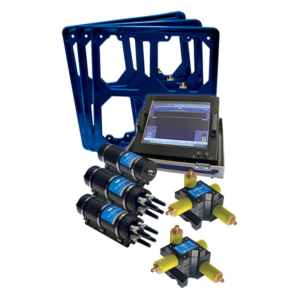
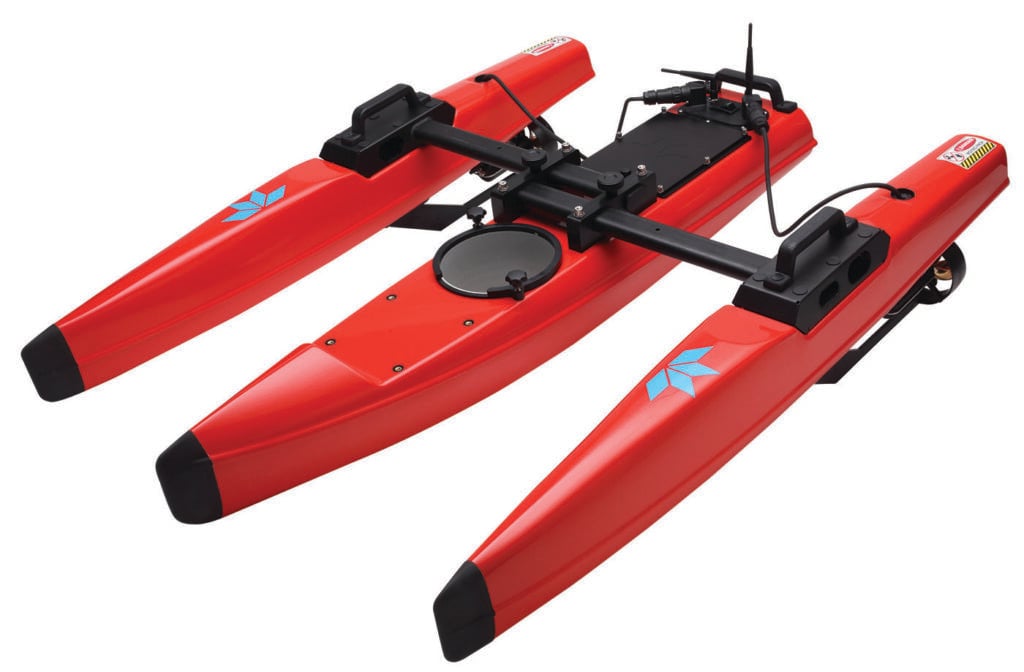
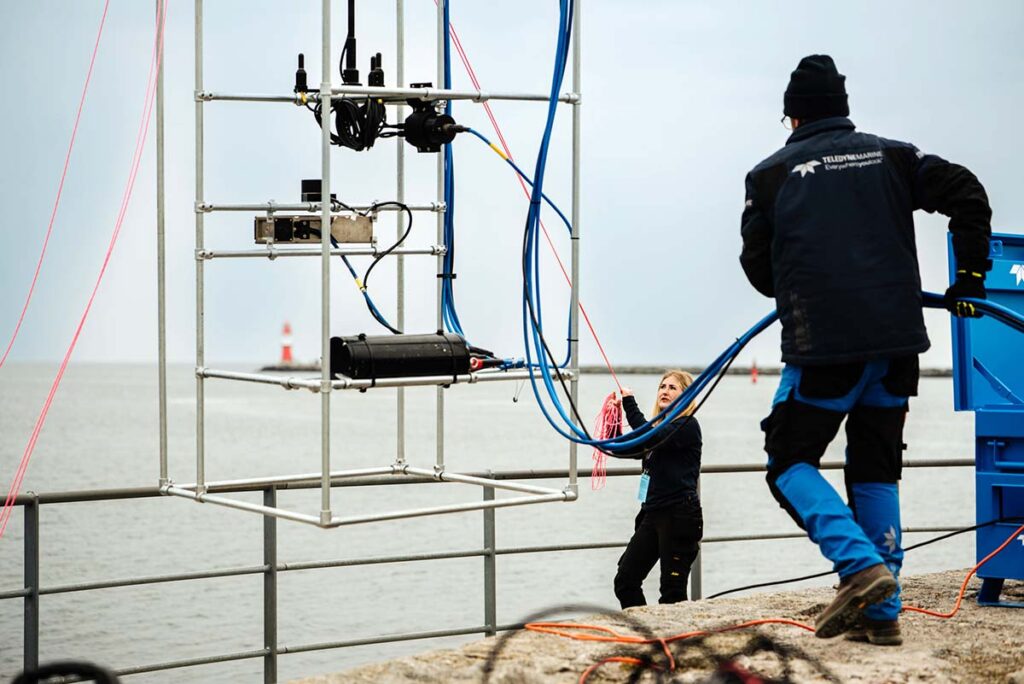
HydroPACT Dualtrack by Teledyne Marine
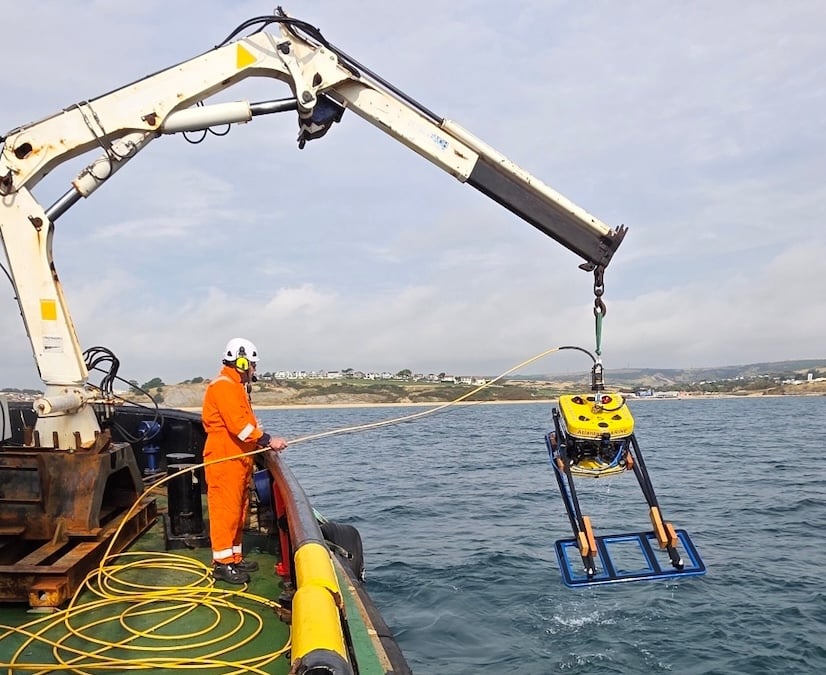
For Teledyne Marine, those converging pressures – smaller cables, deeper burial, a larger installed network – are reflected directly in demand for its survey and detection technologies. The HydroPACT DualTrack system, combining the 440 MK2 pulse induction sensor and the 350 tonal sensor, is designed to address the changing requirements around cable tracking and burial-depth measurement. The SeaBat sonar range supports the high-resolution seabed baseline and post-installation survey data operators require, with resolution increasingly critical as cable targets get physically smaller.
Installation is only the beginning of the monitoring requirement. Operators carry out ongoing health-check surveys to track cable condition and burial state, watching for scouring, which can shift burial depth over time and leave sections exposed and at risk of being dragged or moved by local tidal conditions. Pre-installation UXO surveys add another layer, establishing what is present on the seabed before cable laying or other subsea construction begins.
“It’s not simply a case of installing the cable and walking away from it,” explains Harrison. “The infrastructure demands continued attention across its entire operational life, and the tools needed to provide that attention are having to evolve alongside it.”
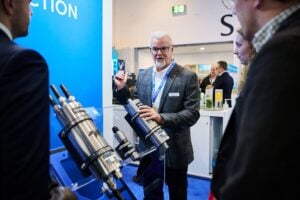
Jeremy Harrison, Business Manager at Teledyne Marine, is an expert on the possibilities that the Teledyne Hydropact product line offers in mapping subsea cables and pipelines.