SubC Imaging provides subsea video survey solutions that play an important role in fisheries research and management.
The company’s 4K and HD video systems integrate multiple functions into a single package, simplifying deployment while delivering high-quality imaging for habitat mapping, stock assessment, and bycatch monitoring.
These tools enable fisheries scientists and managers to access reliable data that supports responsible harvesting practices and ecosystem protection.
The sustainable management of fisheries requires precise knowledge of fish populations and their environments. Overfishing, destructive gear use, and inadequate data collection threaten both marine biodiversity and the livelihoods of coastal communities.
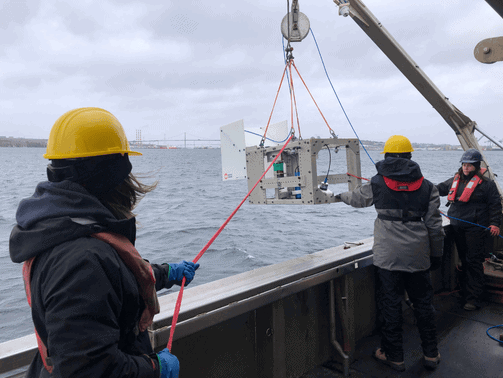
Subsea offshore surveys, supported by advanced imaging and acoustic technologies, provide essential insights that allow for sustainable harvest levels while protecting sensitive ecosystems.
Challenges Facing Fisheries
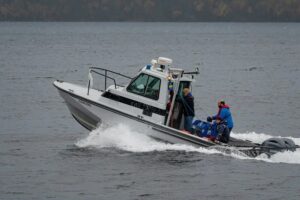
Marine ecosystems face pressure from overexploitation, which reduces fish stock resilience and disrupts ecological balance. Bycatch of non-target species, including sharks, turtles, and vulnerable fish, further threatens biodiversity. Habitat damage from bottom trawling or unsustainable gear also degrades spawning and feeding grounds. In many regions, weak management frameworks and limited stock assessments hinder the adoption of sustainable practices. Effective solutions require accurate monitoring systems, informed regulations, and improved enforcement.
Objectives of Sustainable Fishing
Responsible fishing strategies focus on ensuring populations remain viable over the long term. This involves setting science-based catch limits, reducing bycatch, and minimizing environmental impacts through less destructive gear. Protecting marine biodiversity and supporting the socioeconomic stability of fishing communities are also key goals. Reliable fisheries management depends on continuous data collection to guide decisions that balance productivity with conservation.
Offshore Survey Contributions
Mapping Fish Habitats

Subsea cameras and multibeam sonar provide detailed habitat characterization, identifying spawning grounds, feeding sites, and shelter areas. This enables targeted fishing strategies that avoid sensitive zones and reduce ecological disturbance.
Species Identification and Behavior
High-resolution underwater imaging allows accurate recognition of fish species, as well as observation of abundance and movement patterns. Understanding feeding and migration behavior supports the selection of fishing sites that maximize yield without compromising long-term population health.
Stock Assessment

Hydroacoustic systems provide data on biomass, size distribution, and population density across large survey areas. These assessments guide the establishment of catch limits and conservation measures.
Monitoring Protected Species
Video and acoustic systems document the presence and distribution of threatened species such as sea turtles and marine mammals. This supports the development of fishing practices that reduce bycatch and avoid harm to vulnerable populations.
Habitat Condition Assessment

Survey data on substrate type, benthic communities, and water quality provide indicators of seafloor health. This information identifies areas requiring conservation or restoration to maintain ecological balance.
Bycatch Observation
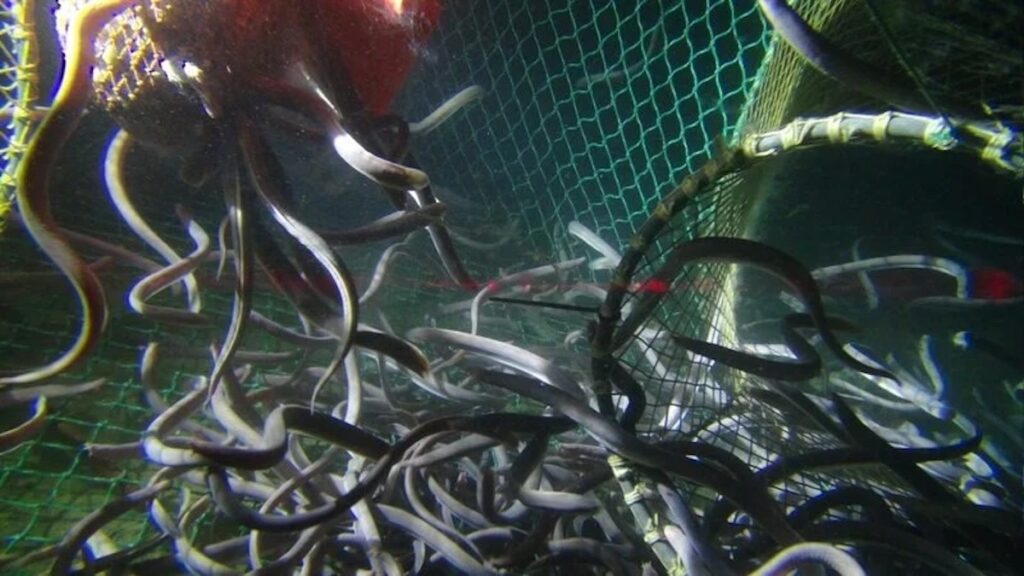
Real-time camera monitoring records instances of non-target species capture, enabling adjustments to fishing methods. The resulting data informs mitigation strategies designed to lower bycatch rates.
Supporting Ecosystem-Based Management
Offshore survey data underpins ecosystem-based management approaches, which account for species interactions and environmental dynamics. This holistic strategy helps ensure that fishing activities remain aligned with broader ecosystem health.
Survey Tools and Technology
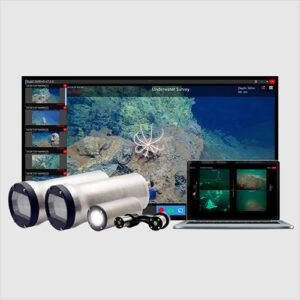
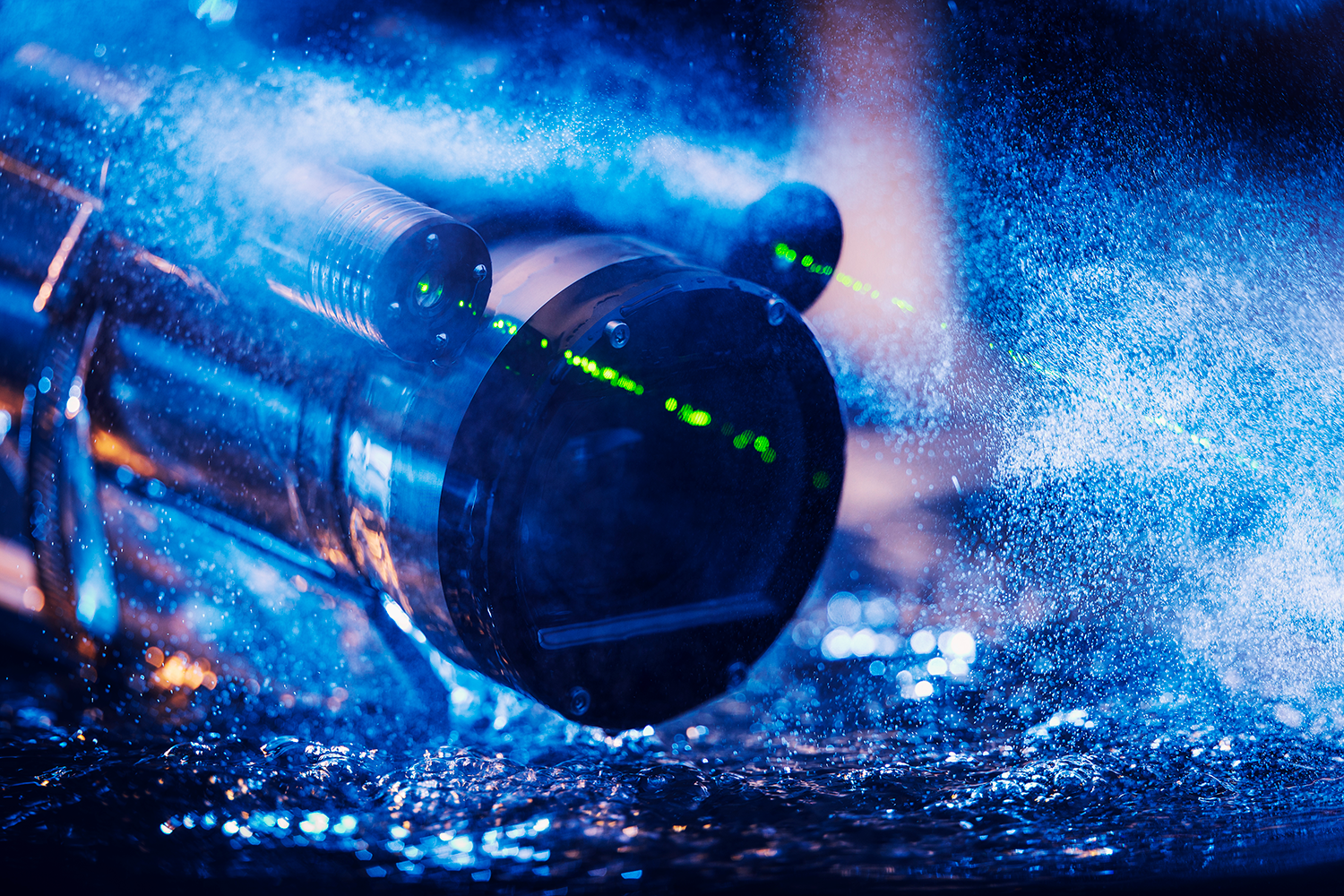
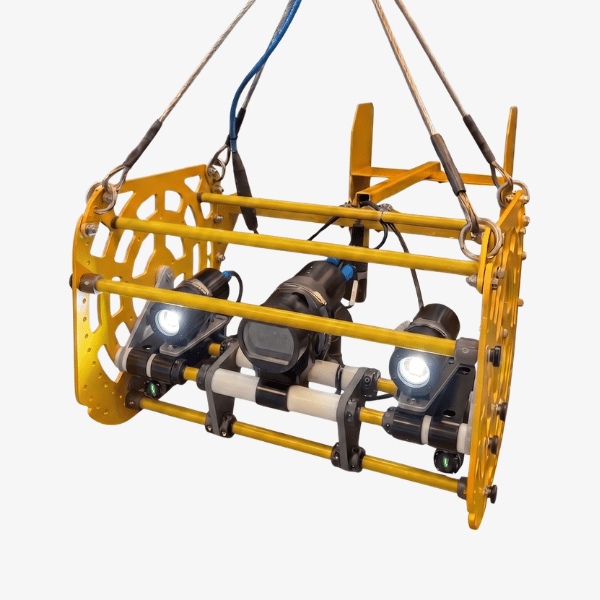
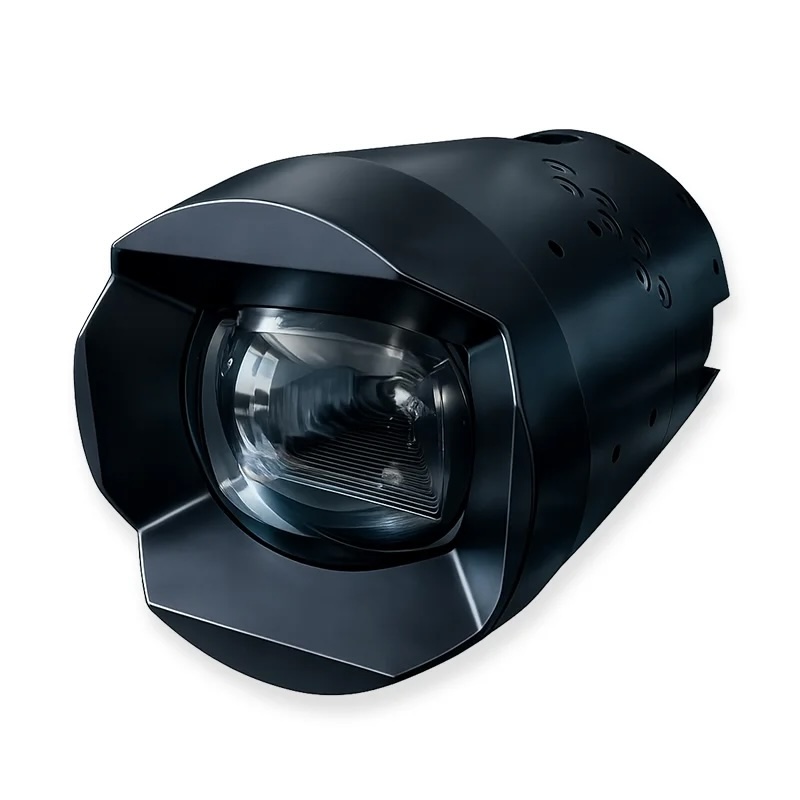
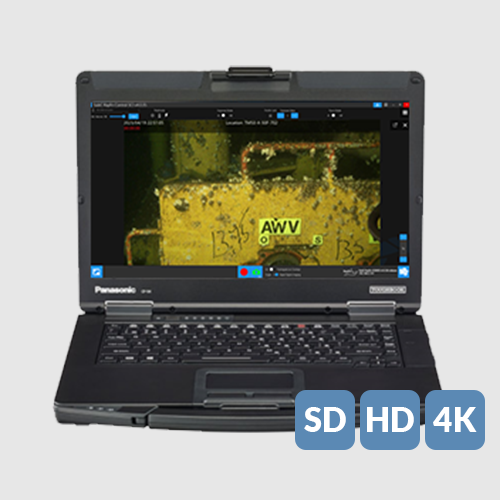
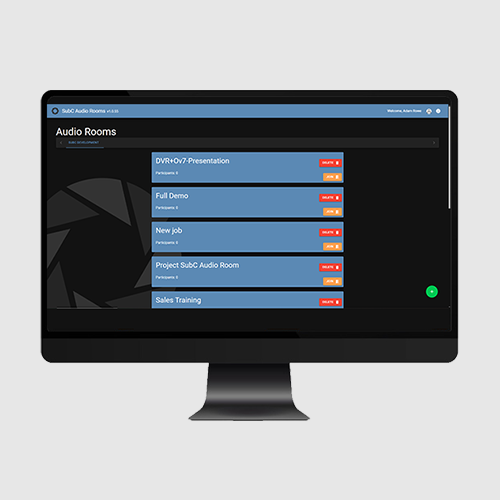
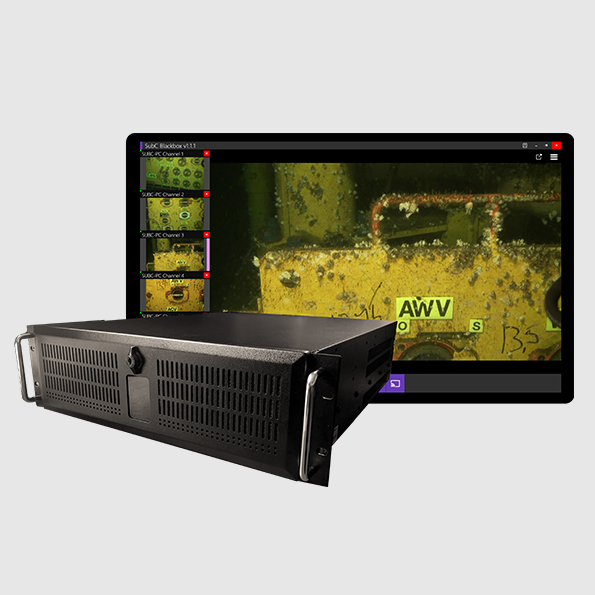
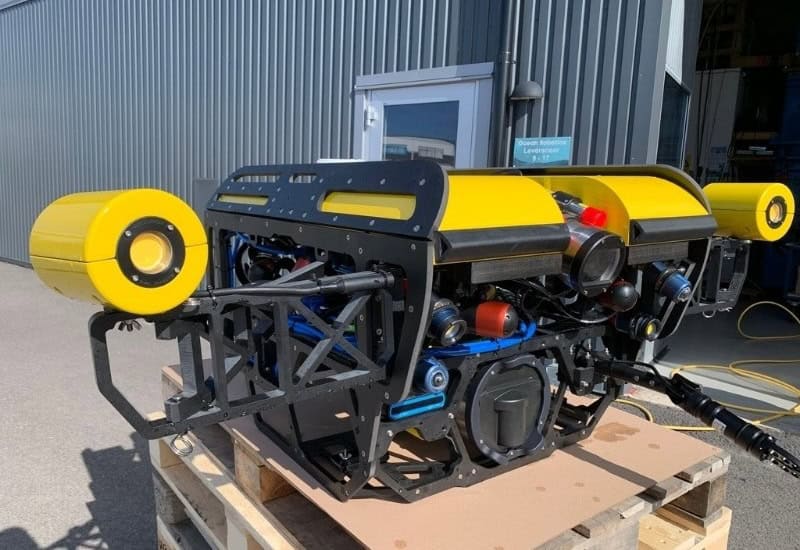
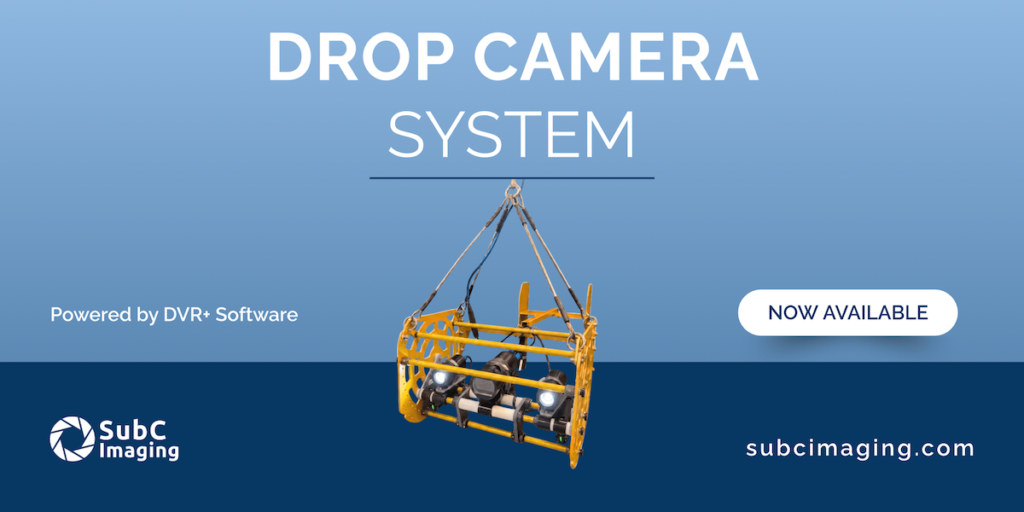
Sustainable fishing surveys employ a combination of subsea cameras, hydroacoustic instruments, sampling gear, hydrographic sensors, satellite imagery, GPS navigation systems, digital video recorders, LEDs, and lasers. SubC Imaging provides integrated 4K and HD video survey systems that combine video management functions within one suite, reducing system complexity and supporting efficient, reliable data acquisition.
Conclusion
Subsea offshore surveys are central to modern fisheries management, providing the data needed to balance yield with ecosystem protection. Through advanced imaging and acoustic monitoring, these surveys support accurate stock assessments, habitat evaluation, and bycatch reduction strategies. Companies such as SubC Imaging supply the tools required to capture this information, contributing to a framework where fisheries can operate responsibly while maintaining long-term sustainability.