


Cetasol highlights how real-time fleet management and analytics can provide marine operators with greater visibility into vessel performance as operating conditions change. Read more >>
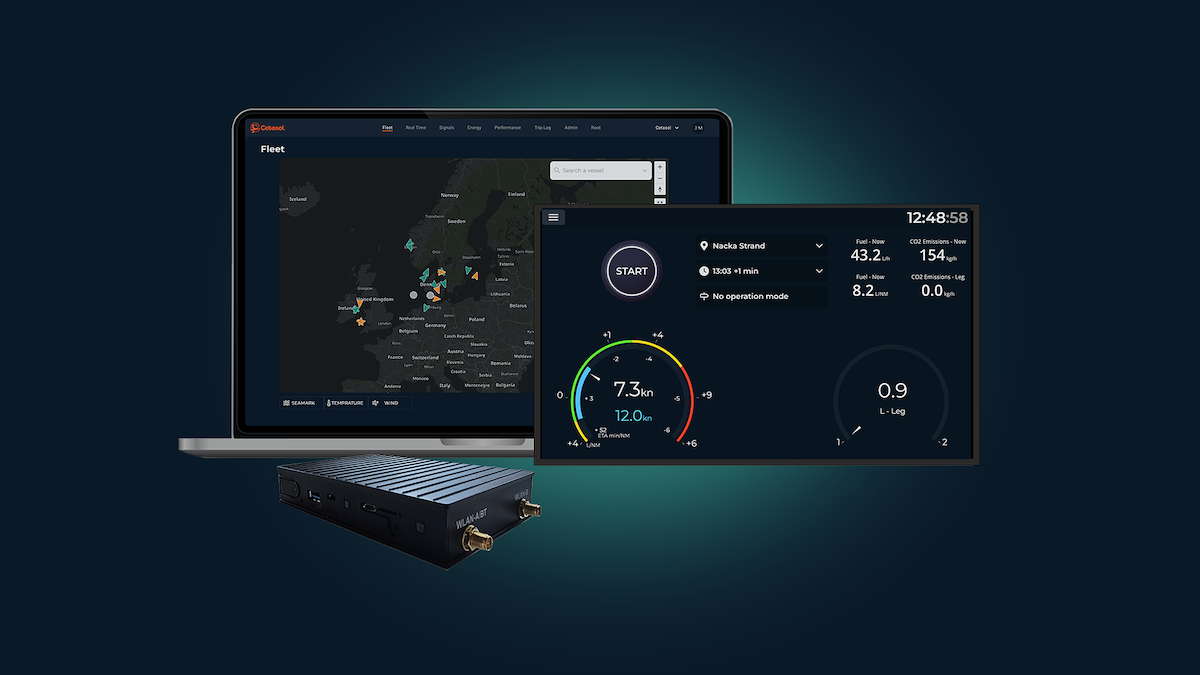
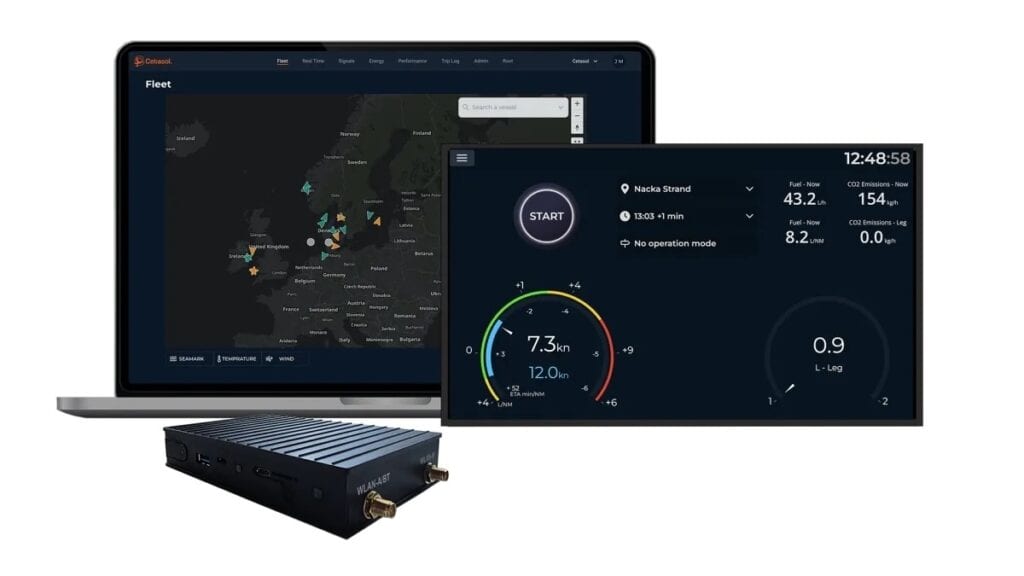
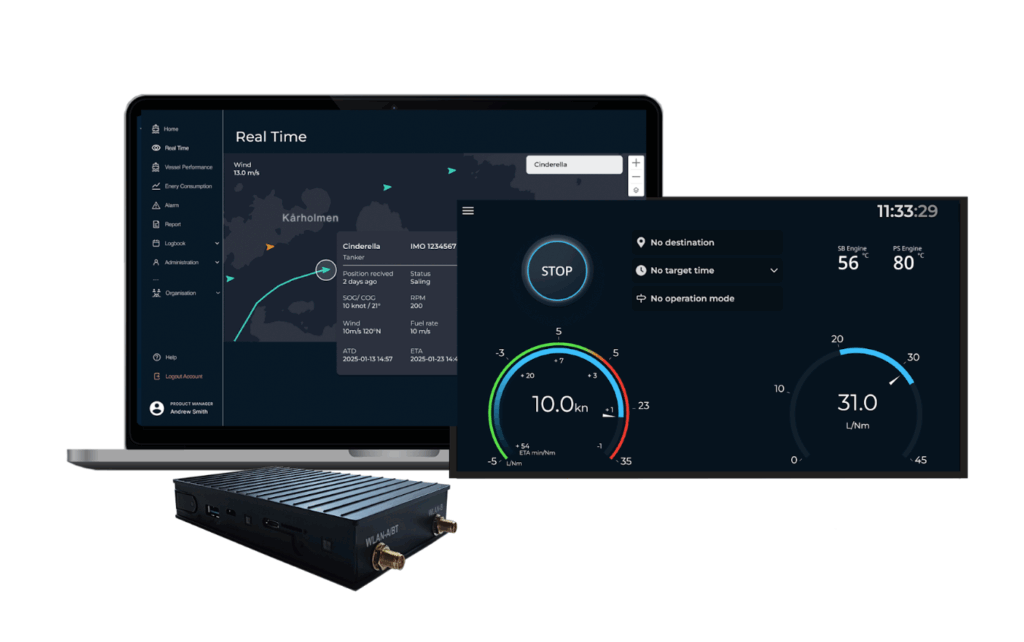
Through its iHelm platform, the company brings together vessel information including engine signals, GPS data, speed, power load, operational behavior, and available environmental data. This enables crews and shore teams to identify inefficiencies as they develop and make more informed decisions relating to speed, power use, routing, and operational profiles. In the article, Cetasol outlines how real-time monitoring, fleet analytics, and AI-based decision support can be applied across marine operations.
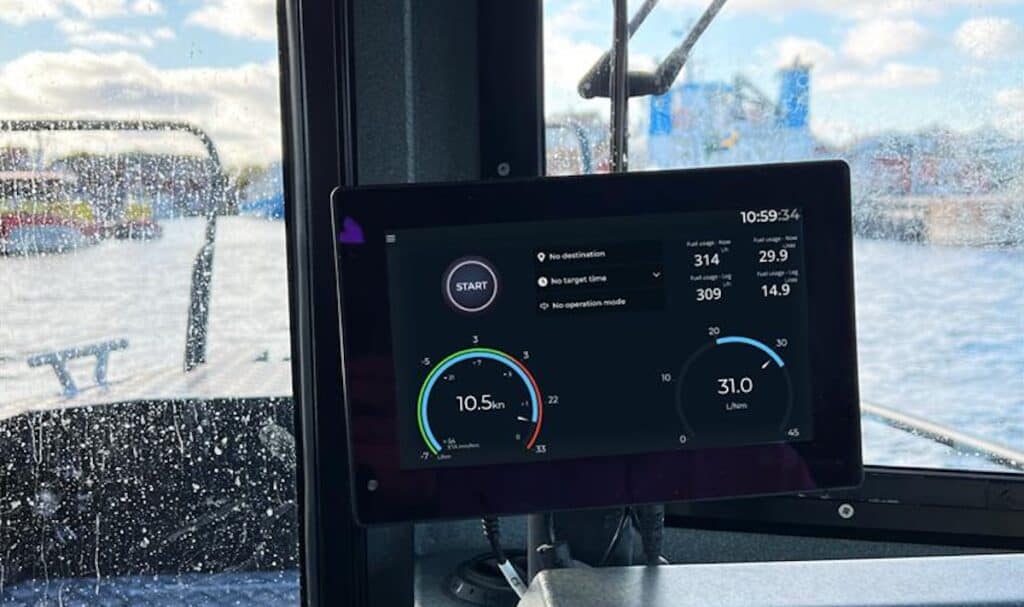
iHelm uses Adaptive AI and data-driven operational modeling to interpret patterns in how each vessel behaves during actual operation. The system can help operators detect deviations, identify vessels consuming more fuel than necessary, and understand changes in load characteristics and other operational patterns. Real-time dashboards and deviation alerts support onboard decision-making, while the iHelm Cloud Dashboard provides access to historical voyage data for comparison across vessels, voyages, captains, and operating conditions.
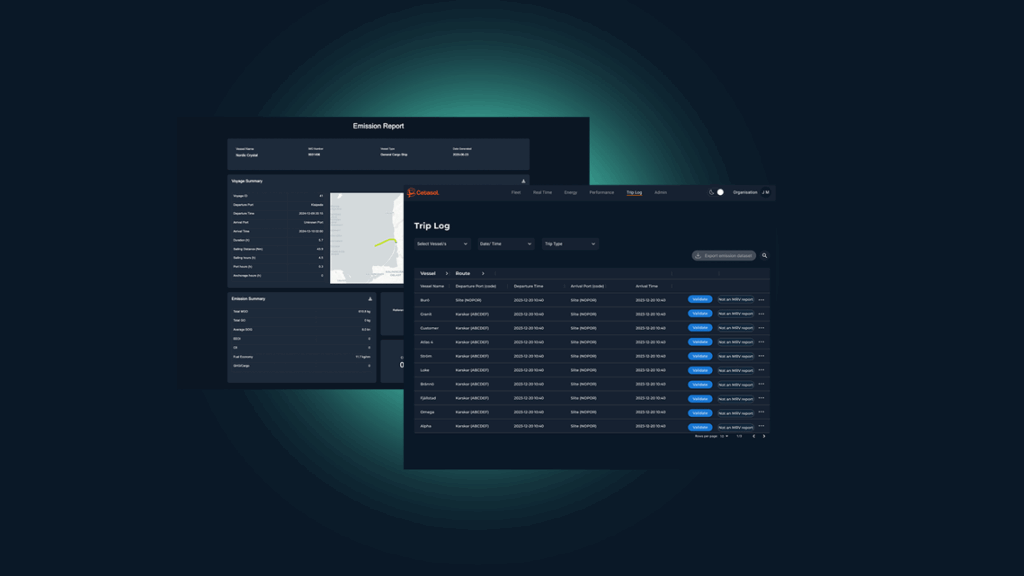
Real-time analytics can also support predictive maintenance, emissions monitoring and reduction efforts, and regulatory reporting. By reviewing operational trends over time, fleet teams can identify developing concerns and plan maintenance more proactively. Structured operational data, including virtual fuel-estimation outputs, distance traveled, emissions intensity, and vessel performance information, can support MRV and IMO DCS reporting, SEEMP III planning, and efforts to improve Carbon Intensity Indicator performance.
By combining continuous vessel monitoring, historical analytics, operational performance modeling, and AI-based decision support, iHelm supports more informed fleet management while keeping operational decisions in the hands of crews and fleet managers.