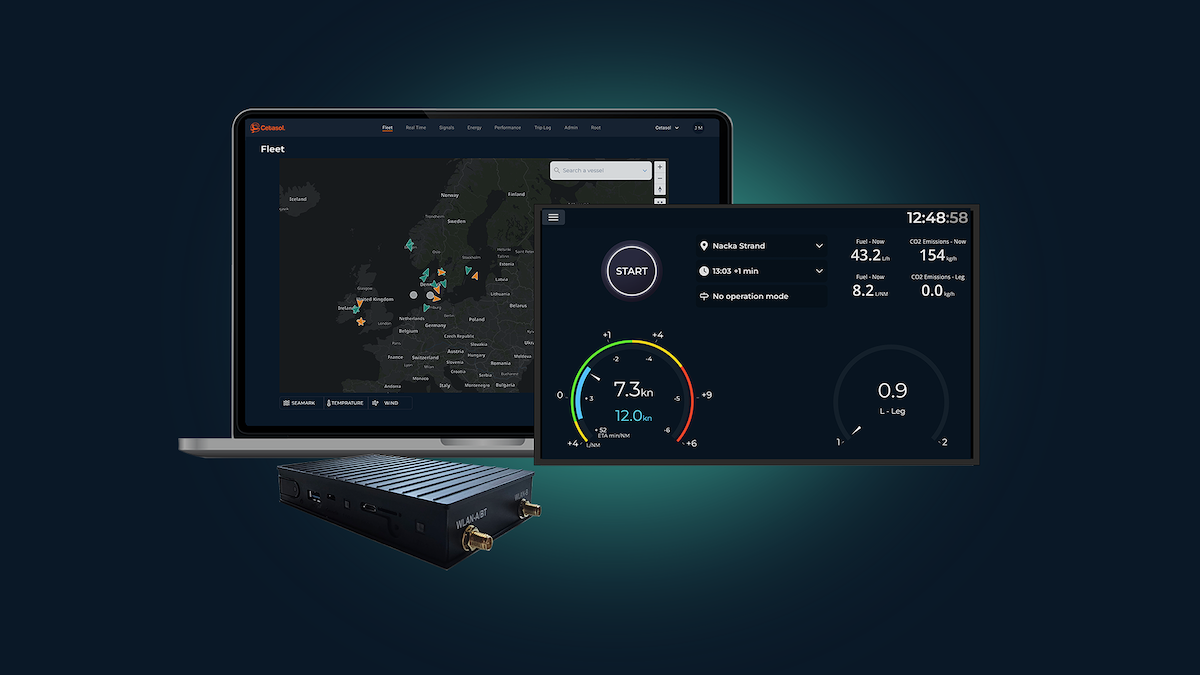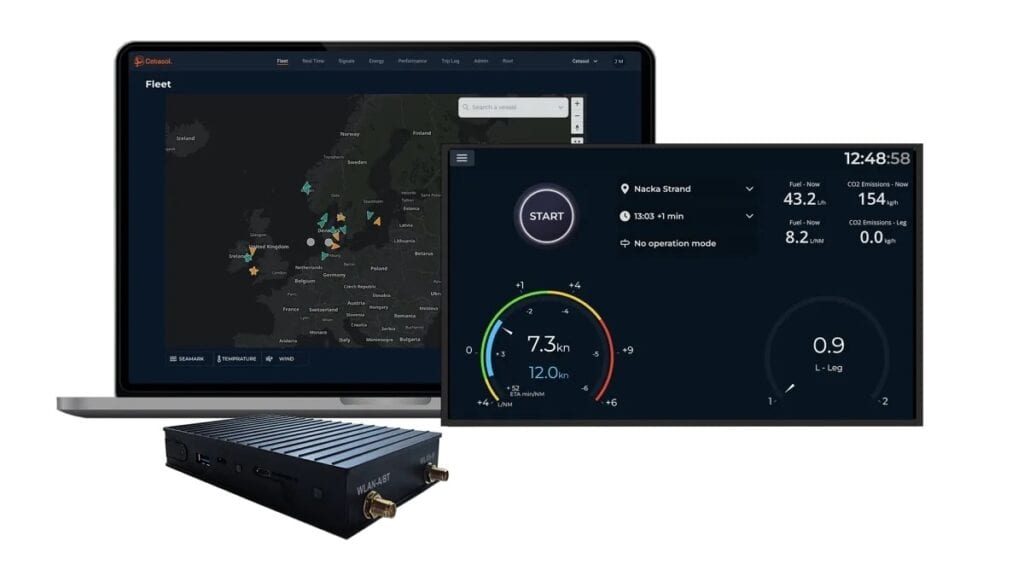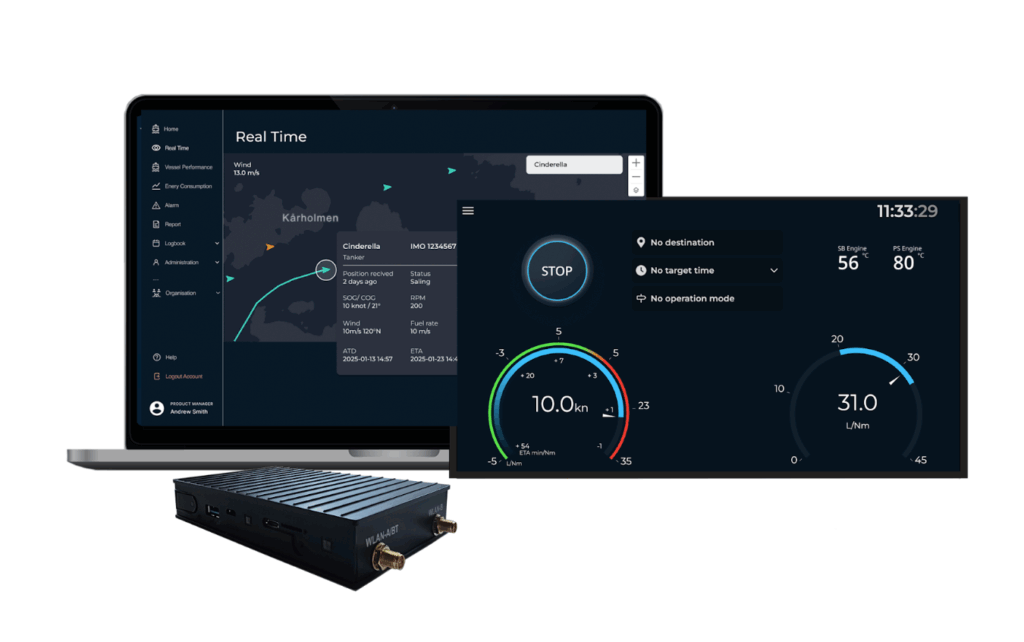


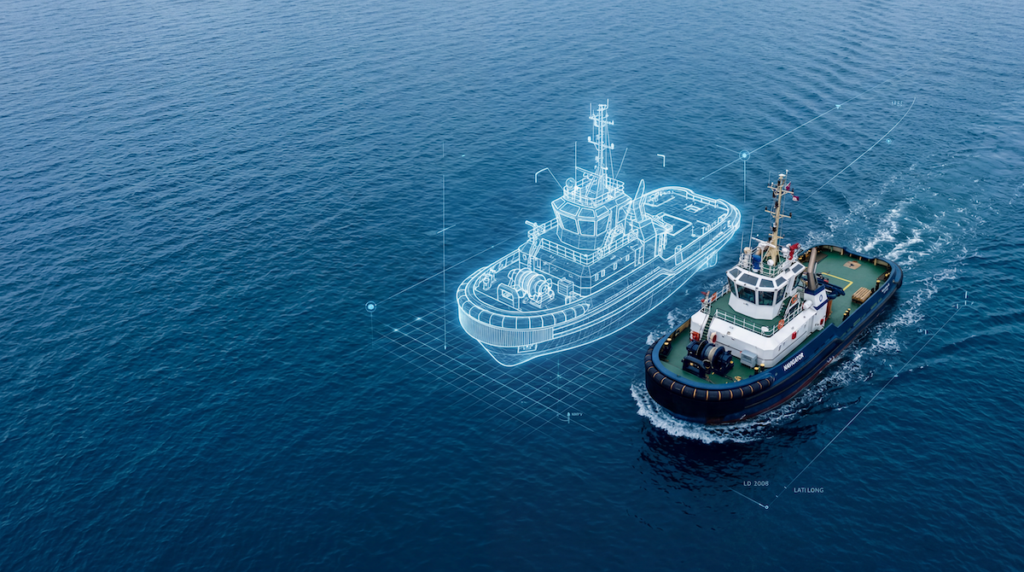
Cetasol is using digital twin technology to model vessel fuel consumption without requiring physical flow meters to be installed in fuel lines. Read more >>
Cetasol’s CetaFuel solution analyzes existing engine signals and operational data to generate accurate, real-time fuel consumption information, offering an alternative to conventional measurement systems and their associated installation, maintenance, and integration requirements.
Installation and Operational Costs of Physical Fuel Meters
Fuel consumption monitoring in the maritime industry has traditionally relied on physical measurement equipment installed directly in vessel fuel lines. While mass flow meters provide fuel consumption data, their installation can involve substantial expenditure and operational disruption.
According to Cetasol, upfront hardware costs for physical mass flow meter installations can reach €50,000, excluding additional expenses associated with installation and integration.
Installing these systems requires modifications to existing fuel lines and can involve taking vessels out of operation. For ships operating on demanding schedules, even a few days of downtime can result in significant revenue losses.
Ongoing maintenance and calibration introduce further costs. Physical fuel meters require regular calibration to maintain measurement accuracy, particularly where reliable consumption data is needed to support regulatory reporting, including reporting under International Maritime Organization (IMO) frameworks. Component failures can also result in additional servicing and replacement expenses.
Integration with onboard systems presents another challenge. Not all fuel meters connect seamlessly with existing vessel infrastructure, potentially requiring operators to address connectivity limitations or invest in new systems. Depending on the vessel’s level of digital integration, implementation can take anywhere from one week to several months.
Across multiple vessels, these requirements can represent a substantial investment beyond the initial cost of measurement equipment.
Technical Limitations of Conventional Fuel Measurement
Historically, maritime fuel consumption assessments relied on bunker data, which provided a baseline for tracking fuel usage but offered limited insight into consumption during individual voyages.
The introduction of physical mass flow meters in the late 20th century gave operators access to fuel data with a reasonable level of accuracy, improving visibility into vessel consumption.
However, conventional flow measurement systems have limitations. While they measure the movement of fuel through a line, they do not necessarily explain the operational conditions influencing consumption.
Physical meters also require calibration and can experience measurement drift over time. Measurement performance may be affected by operating conditions, depending on the type of meter used.
For volumetric flow meters specifically, fuel type and temperature influence density and therefore the relationship between measured volume and mass. Changes in these conditions can introduce deviations when converting volumetric readings into mass-based consumption figures.
The installation requirements become more complex on vessels with multiple engines or fuel lines. Physical meters must be fitted to each fuel line requiring measurement, increasing the number of components, installation procedures, and maintenance requirements.
For fleet operators, the need to repeat these installations across individual vessels can make comprehensive fuel consumption monitoring difficult to implement.
Modeling Fuel Consumption Using Existing Engine Data
Digital modeling provides an alternative to measuring fuel consumption directly within the fuel system.
Rather than relying on physical flow meters, this approach uses existing engine signals and operational data to model fuel consumption under real operating conditions.
Cetasol’s CetaFuel solution applies this principle through a digital twin of the vessel’s engine. By analyzing engine signals alongside operational information, the system generates accurate, real-time fuel consumption data without requiring modifications to fuel lines.
The approach uses data already available onboard, removing the need for additional fuel measurement hardware and avoiding the downtime associated with installing physical meters.
Unlike direct flow measurement, which records fuel movement through a line, CetaFuel digitally models consumption using engine and operational data.
This provides an alternative method of obtaining fuel consumption information without physically intervening in the vessel’s fuel system.
Capital Expenditure and Fleet-Wide Implementation
The infrastructure required for fuel monitoring is an important consideration when deploying measurement systems across multiple vessels.
Conventional installations involve hardware procurement, fuel line modifications, calibration, and system integration. On vessels with multiple fuel lines, the number of required meters can further increase installation complexity and expenditure.
By using existing onboard engine data, CetaFuel removes the requirement for physical fuel measurement hardware.
According to Cetasol, the solution provides high-accuracy fuel consumption information while offering up to 90% lower capital expenditure (CAPEX). The company also identifies the absence of fuel line modifications and associated installation downtime as benefits of its digital approach.
Removing these physical installation requirements supports a more scalable method of deploying fuel consumption monitoring across fleets. Rather than requiring separate meter installations on each vessel, the approach uses available engine and operational data to generate consumption information.
This can reduce the financial and operational commitments associated with implementing conventional fuel measurement systems across multiple vessels.
Digital Twins as an Alternative to Direct Fuel Measurement
The application of digital twin technology to fuel consumption monitoring changes how vessel operators can obtain information about fuel usage.
Physical flow meters depend on installed measurement equipment, ongoing calibration, and the configuration of individual fuel lines. Digital modeling instead uses existing engine signals and operational data to generate consumption information without direct measurement in the fuel system.
For operators assessing fuel monitoring options, the distinction extends beyond measurement methodology to include installation requirements, maintenance commitments, capital expenditure, and the practical considerations of fleet-wide deployment.
CetaFuel illustrates how digitally modeled fuel consumption can provide an alternative to conventional physical flow measurement, with the potential to reduce the infrastructure and operational requirements associated with monitoring fuel usage across maritime fleets.