Unmanned Surface Vehicles (USVs) – Platforms for Ocean Sciences, Military, and Industrial Applications
Compare unmanned surface vehicles (USVs) based on platform scale, autonomy, endurance, and payload integration. Systems offered by manufacturers and suppliers range from compact nearshore craft to fleet-class and navy USVs supporting maritime, commercial, and defense operations worldwide.
If you design, build or supply Unmanned Surface Vehicles (USVs), create a profile to showcase your capabilities and connect with visitors who have an active requirement for your solutions.
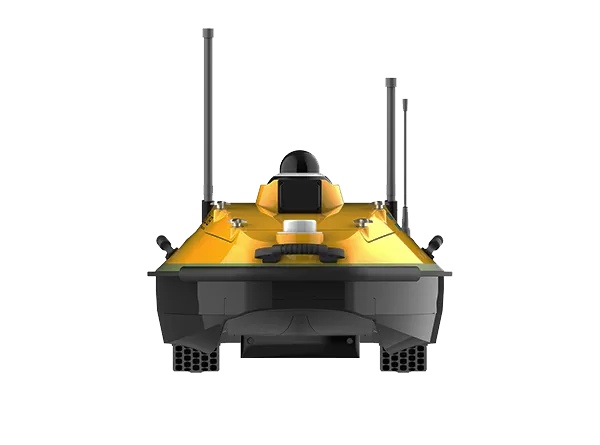
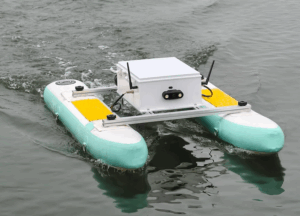
Unmanned Surface Vehicles (USVs) for remote hydrographic surveying
Unmanned Surface Vehicles (USVs) for remote hydrographic surveying
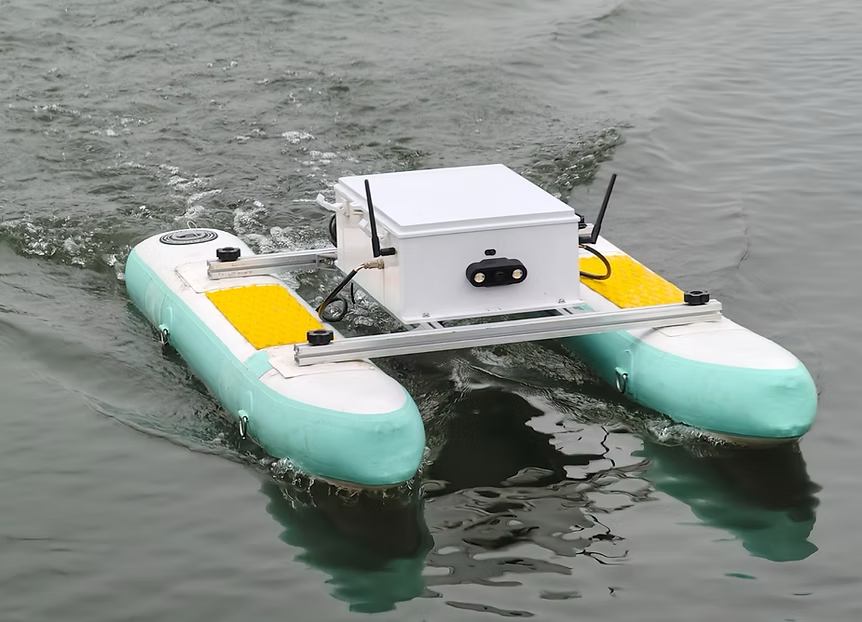
...otely operated UnmannedSurfaceVehicles(USVs) developed for hydrographic, current-profiling, and... ...ingle-operator platform intended for ADCP measurements in streams, slower rivers, sheltered...
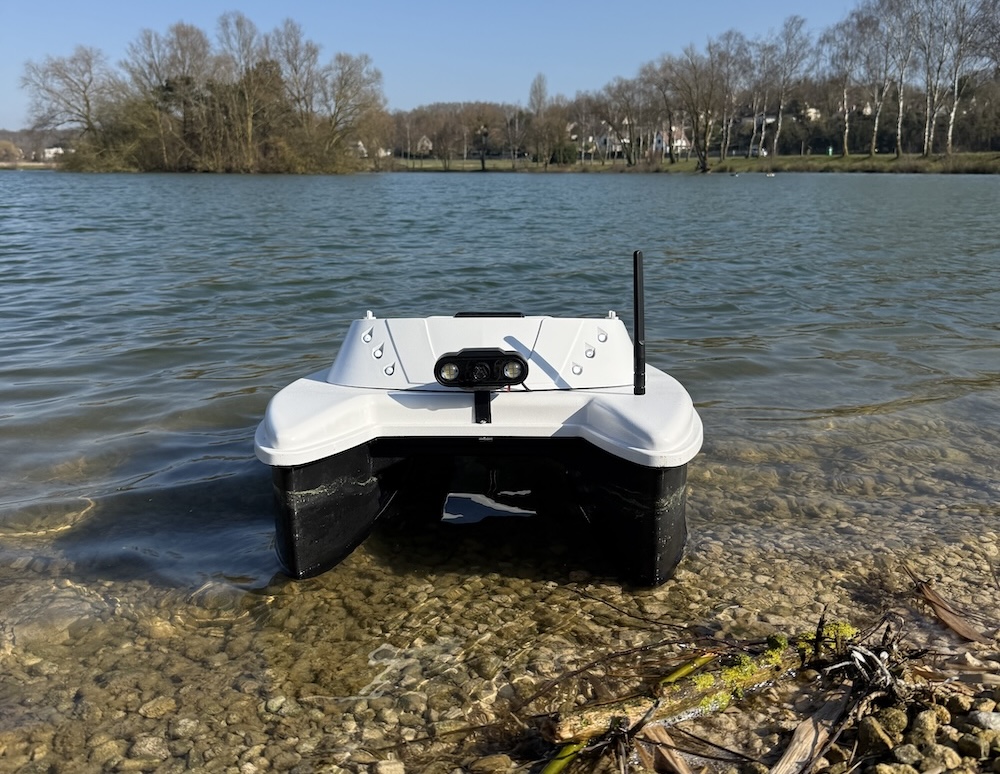
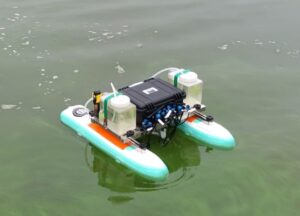
Compact USV for marine sampling & subsea observation
Compact USV for marine sampling & subsea observation
... is a portable UnmannedSurfaceVehicle (USV) designed for scientific work across offshore,... ...cessories. The platform accepts a 5-liter sampling bottle, provides protected spaces for...
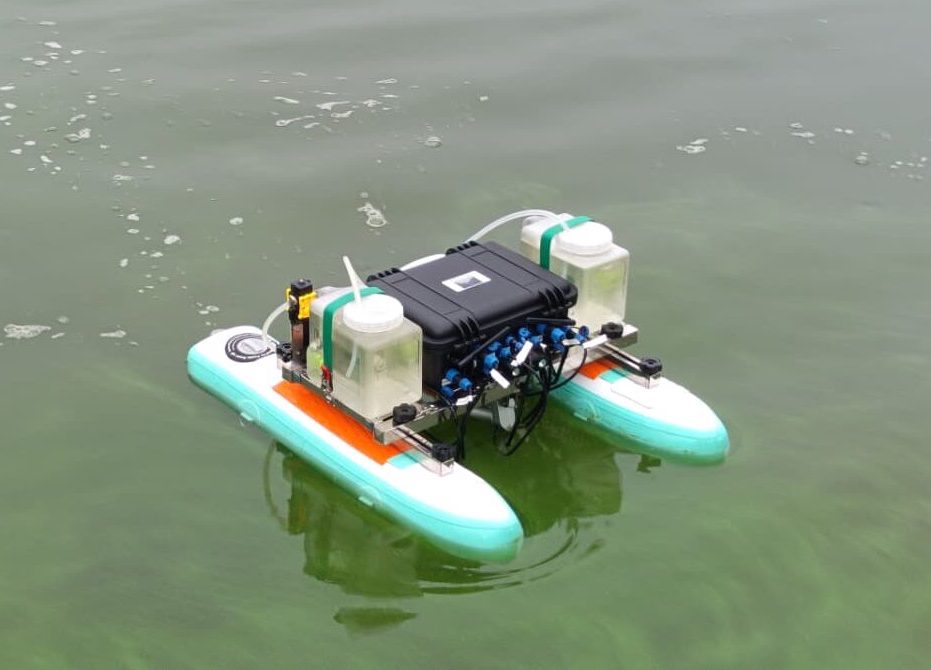
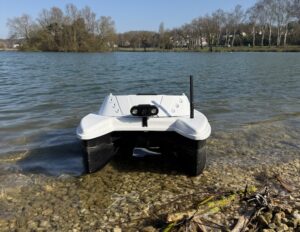
Lightweight autonomous surface vessel for multi-sensor aquatic operations
Lightweight autonomous surface vessel for multi-sensor aquatic operations
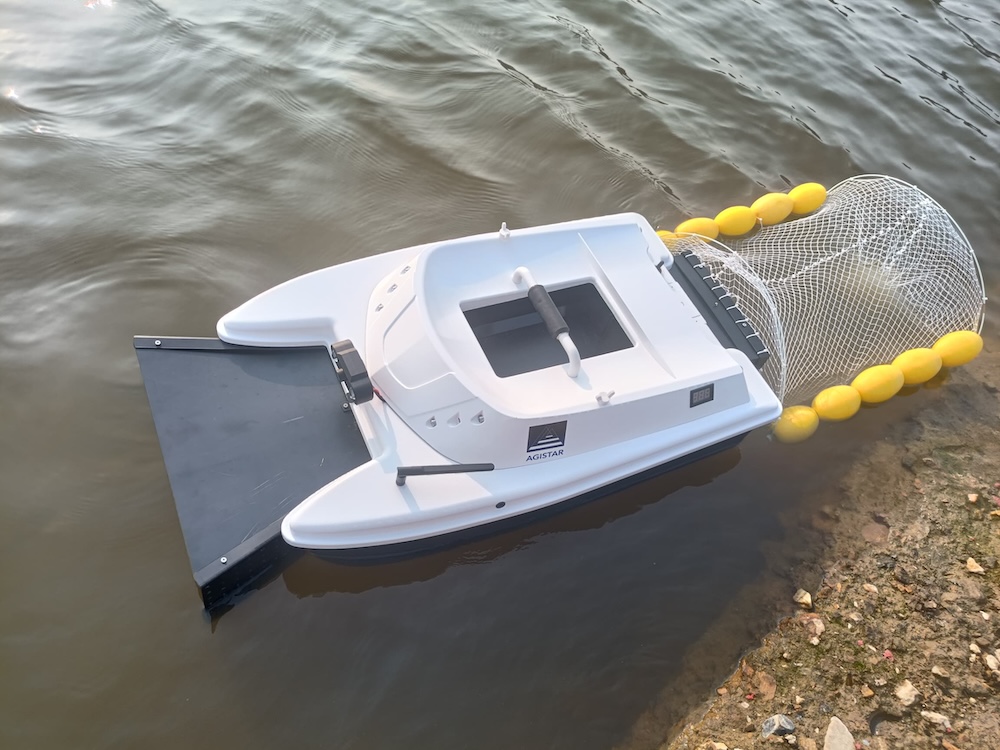
...ation uncrewed surface vessel designed for highly adaptable deployment in inland and coastal waters.... ...... is a mission-ready platform for field-based data acquisition across diverse marine environments....
Highly reconfigurable USV with enhanced mission endurance
Highly reconfigurable USV with enhanced mission endurance
...nomous robotic platform designed to offer a low-cost and sustainable solution for a wide variety of... ......
The versatile USV is ideal for a variety of applications, including:
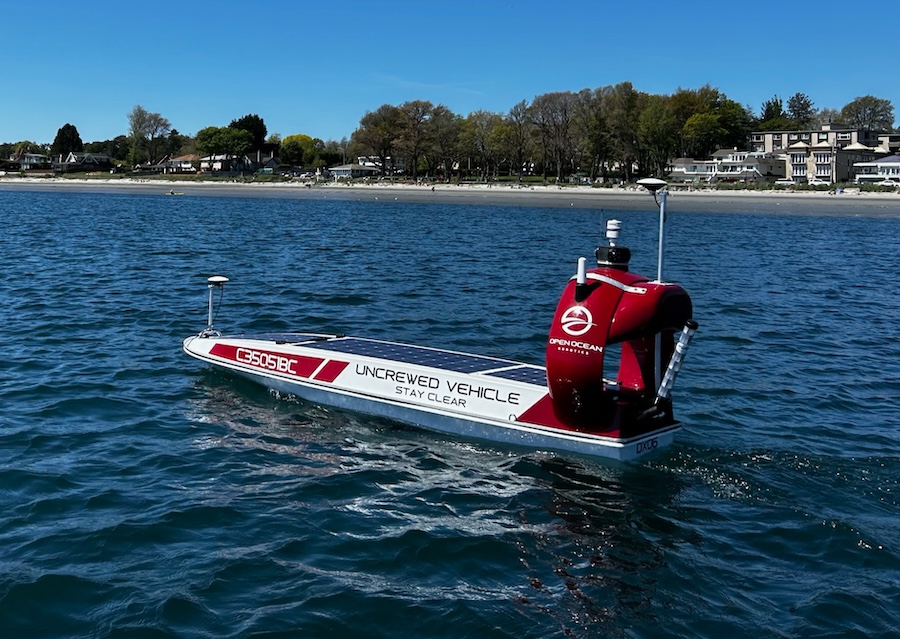
Solar-powered USV for meteorological & oceanographic data collection
Solar-powered USV for meteorological & oceanographic data collection
...collection for applications such as climate science research, hurricane detection, weather... ...ts. The rugged platform can operate during storms and high sea states in conditions of up to...
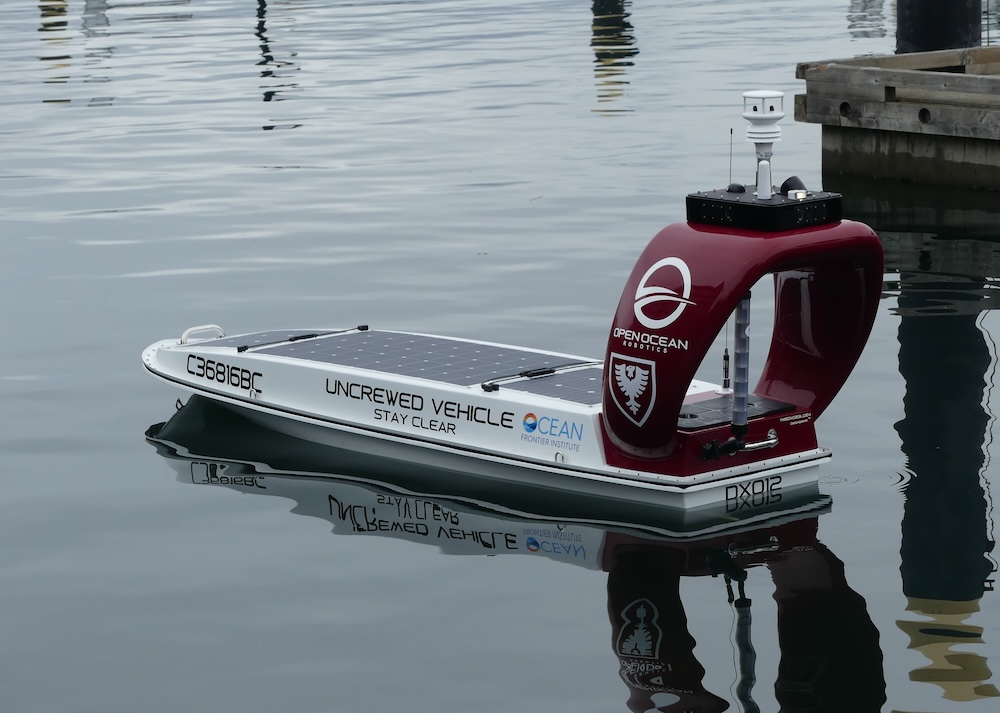
Solar-powered dual-use USV for environmental applications & maritime domain awareness
Solar-powered dual-use USV for environmental applications & maritime domain awareness
... environmental applications such as marine mammal monitoring and underwater noise assessments, as... ...gn, the rugged platform can undertake near-silent data collection missions of weeks or even months,...
Solar-powered USV for high-resolution spatial data acquisition
Solar-powered USV for high-resolution spatial data acquisition
... The versatile platform is ideal for seagrass mapping, bathymetric survey, mining exploration,... ...gn, the rugged platform can undertake near-silent data collection missions in a range of...
Unmanned Surface Vehicles (USVs) – Platforms for Ocean Sciences, Military, and Industrial Applications
Overview by
Eleanor Widdows
Updated:
Unmanned surface vehicles, also referred to as unmanned or uncrewed surface vessels or “drone boats”, are maritime platforms that operate on the water surface without an onboard crew. They are deployed across defense, commercial, and industrial domains to replace or augment crewed vessels, reducing personnel risk while lowering operating and lifecycle costs.
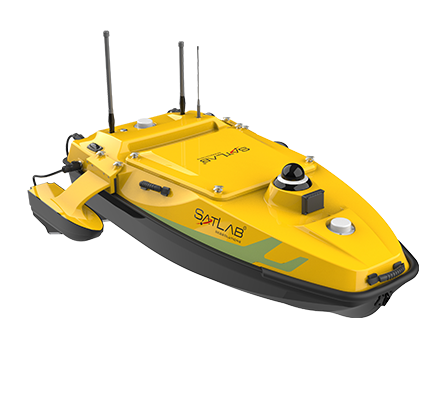
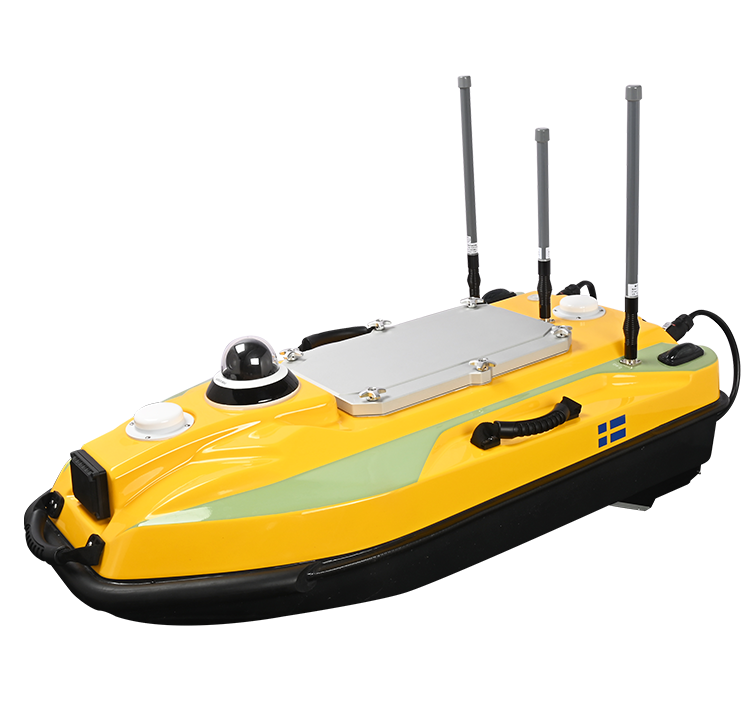
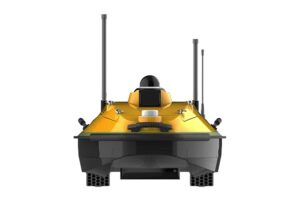
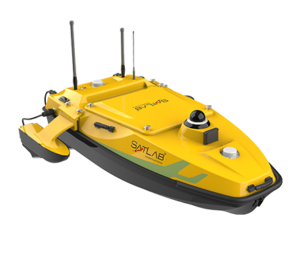
HydroBoat 1500 heavy-payload unmanned surface vehicle by SatLab Geosolutions
Modern USVs integrate navigation, propulsion, power management, communications, autonomy software, and modular payload bays within hulls optimized for endurance and mission flexibility. Platform classes range from compact harbor and nearshore systems to fleet-class and navy USVs designed for long-endurance offshore operations, operating under remote control, supervised autonomy, or fully autonomous modes as standalone assets or coordinated fleets.
Types of Unmanned Surface Vehicles
USVs are categorized by application, physical size, and autonomy level. These classifications are commonly used by system integrators, operators, and procurement teams to align platform capability with mission requirements.
Bathymetric survey USVs focus on depth measurement and seabed profiling using single-beam or multibeam sonar systems. In shallow, clear-water conditions, some platforms also integrate bathymetric LiDAR, commonly deployed in ports, rivers, and nearshore environments.
Coastal monitoring USVs are used to assess shoreline processes, sediment transport, and nearshore dynamics. Shallow draft and precise maneuvering enable operation close to shore.
Fisheries Research USVs
Fisheries research USVs support acoustic surveys, aquaculture monitoring, and habitat assessment with minimal environmental disturbance and repeatable mission profiles.
Offshore Inspection USVs
Offshore inspection USVs are deployed to support inspection and monitoring of offshore platforms, wind farms, and surface infrastructure. Station keeping and collision avoidance are key design priorities.
Pipeline Inspection Support USVs
Pipeline inspection support USVs provide surface command, control, and data relay for subsea inspection missions and route surveys.
Cable Inspection Support USVs
Cable inspection support USVs assist with monitoring and assessment of subsea communication and power cables in offshore environments.
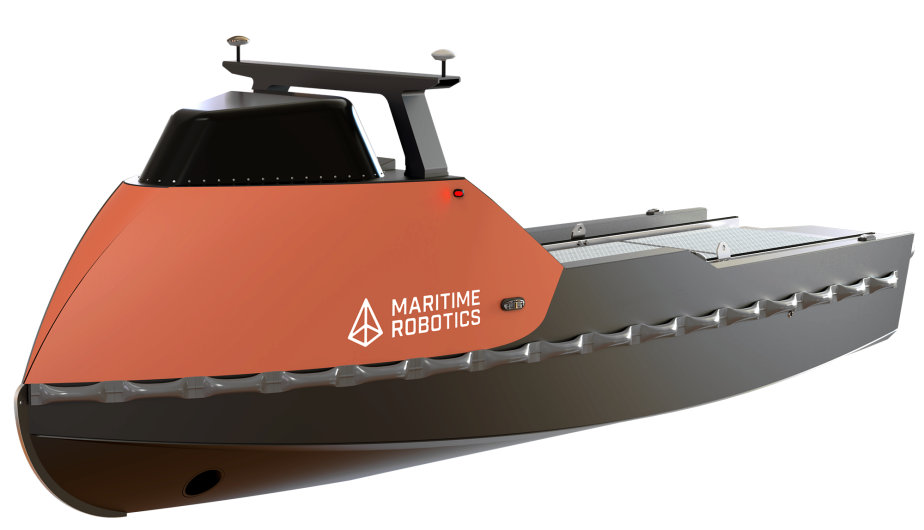
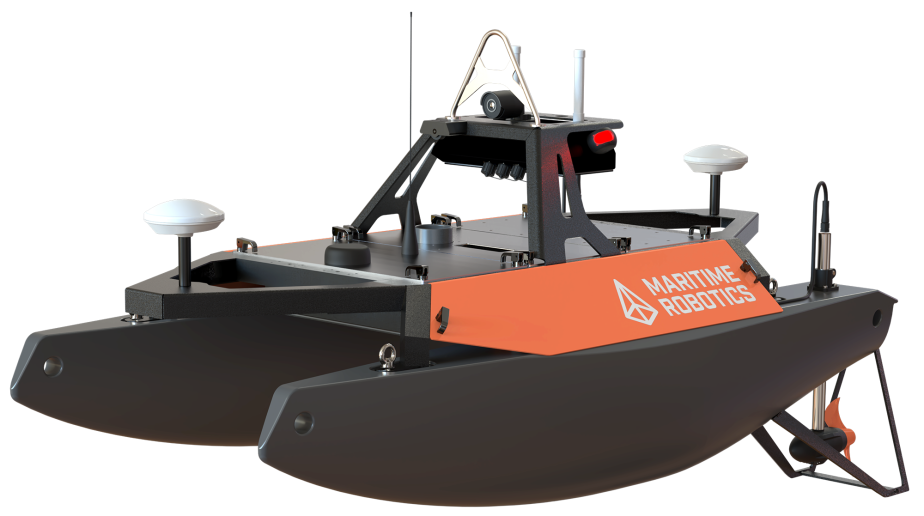
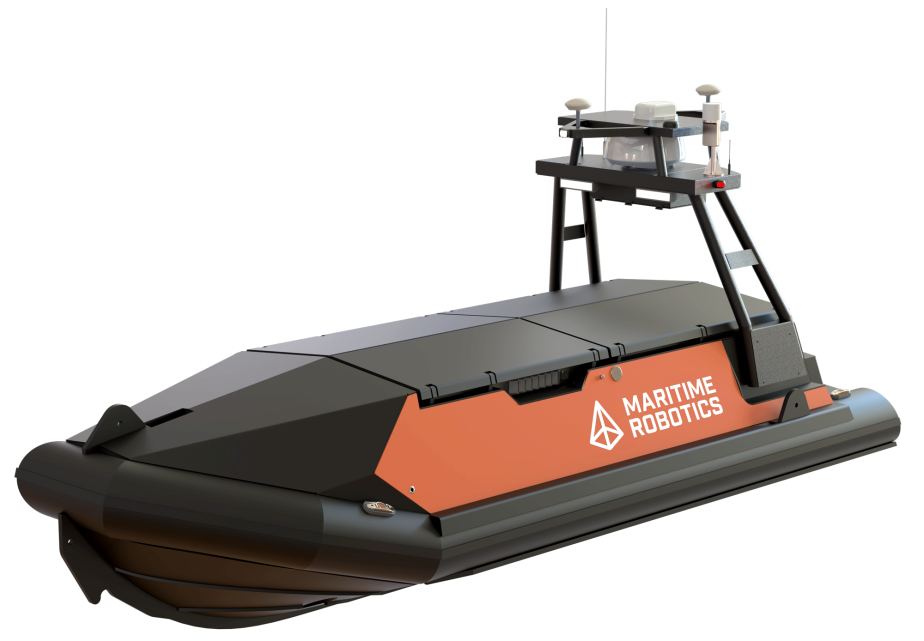
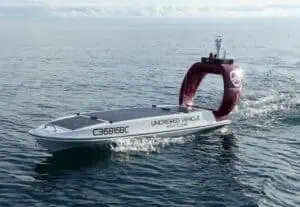
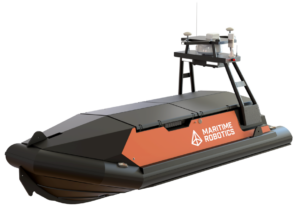
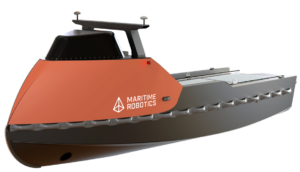
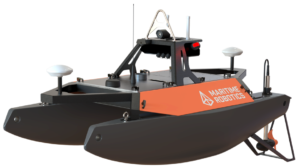
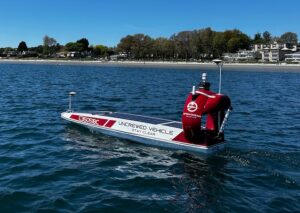
Otter Uncrewed Surface Vessel by Maritime Robotics
Disaster Response USVs
Disaster-response USVs are optimized for rapid deployment after storms, spills, or maritime incidents, providing situational awareness and surface reconnaissance.
Maritime Security USVs
Maritime security USVs support coastal surveillance, port security, and restricted-area monitoring. These platforms are often configured for dual-use civil and defense roles.
Navy USVs
Navy USVs are developed for operational naval missions, including intelligence, surveillance, reconnaissance, and mine countermeasures. These platforms often influence broader USV design and autonomy standards. Naval research USVs are used for autonomy testing, sensor evaluation, and maritime systems experimentation in defense-affiliated programs.
Fleet-Class USVs
Fleet-class USVs are large, long-endurance platforms designed to operate in coordinated groups. They support wide-area surveillance, distributed sensing, and persistent maritime operations.
EOD and Mine Countermeasure Support and Research USVs
USVs supporting EOD and MCM missions support the testing of mine detection, classification, and neutralization technologies in controlled and operationally representative environments. These platforms are used to evaluate sensors, autonomy behaviors, and command-and-control concepts while reducing personnel risk during experimentation and trials.
USV Types By Size Class
Small USVs
Small USVs are portable platforms typically deployed in inland waters, harbors, and nearshore environments. They are optimized for rapid deployment, shallow-draft operation, and short-duration missions such as localized surveying, inspection, and monitoring in confined or access-restricted areas.
Medium USVs
Medium USVs balance payload capacity, endurance, and logistical complexity to support multi-day coastal and offshore operations. These platforms typically carry multiple sensors or mission payloads and are well-suited for sustained survey, monitoring, and inspection tasks that require greater range and autonomy.
Large USVs
Large USVs are engineered for offshore and open-ocean missions requiring extended endurance, high payload capacity, and robust seakeeping. Often configured as fleet-class or navy USVs, they support long-duration operations, complex sensor suites, and coordinated missions over wide maritime areas.
USV Types By Autonomy Level
Remotely Operated USVs
Remotely operated USVs are controlled directly by human operators using radio or satellite communication links. These platforms are typically used in complex, congested, or high-risk environments where continuous human decision-making and direct control are required.
Supervised Autonomous USVs
Supervised autonomous USVs execute preplanned missions using onboard autonomy while allowing operators to monitor system status and intervene when necessary. This operating mode balances autonomy with oversight and is commonly used for survey, inspection, and monitoring missions.
Autonomous surface vehicles (ASVs) operate with minimal human intervention, relying on onboard mission management, perception sensors, and collision-avoidance systems. These platforms are designed for persistent operations, wide-area coverage, and coordinated missions where direct operator control is limited or impractical.
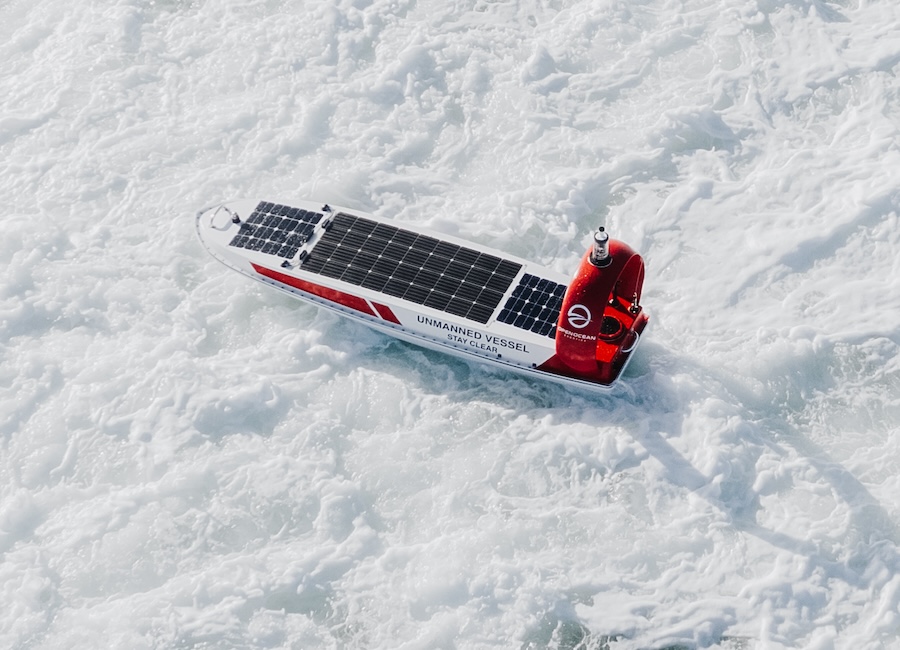
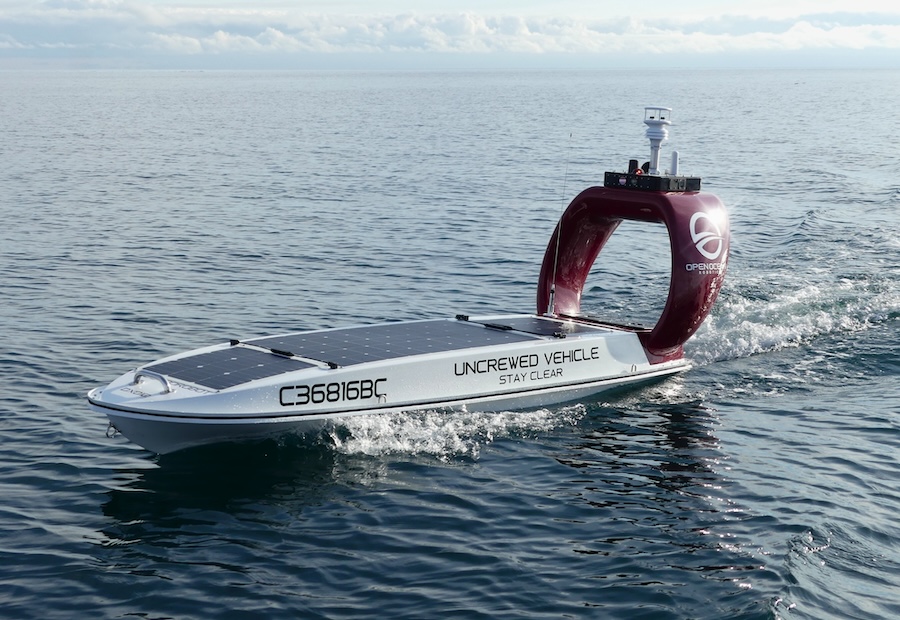
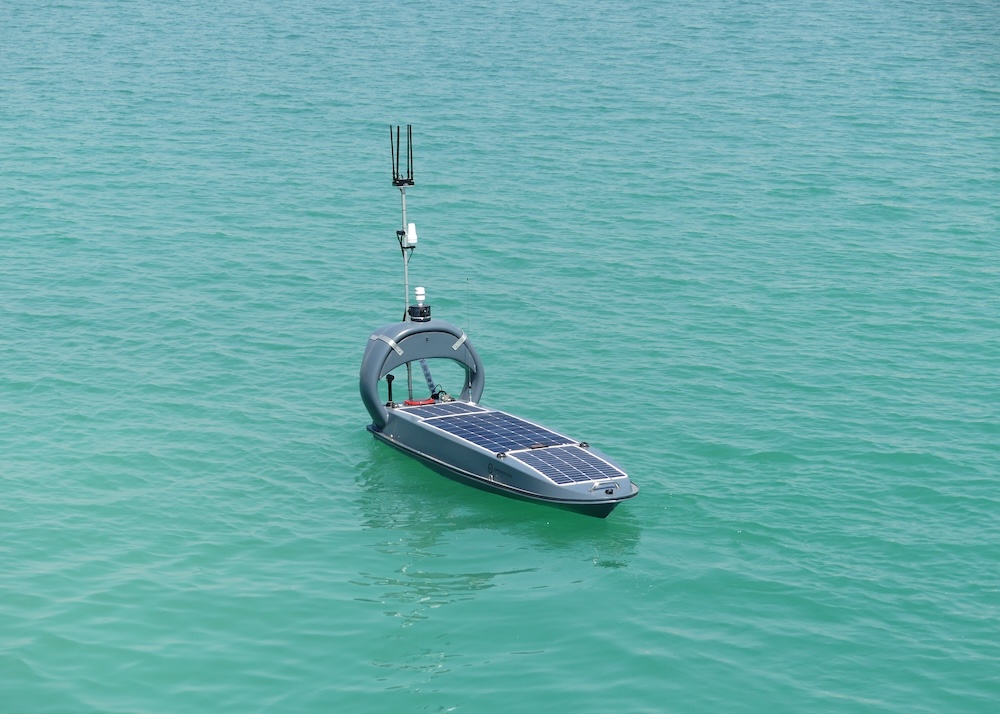
DataXplorer™ Survey solar-powered USV by Open Ocean Robotics
Core Technologies And Subsystems
USV capability is driven by navigation, propulsion, power management, communications, autonomy software, and sensor integration. GNSS receivers, inertial navigation systems, and autopilots provide precise positioning. Propulsion options include electric, hybrid, and diesel systems selected based on endurance and mission profile.
Modular payload bays enable rapid reconfiguration with sonar, radar, lidar, and mission-specific sensor suites.
Commercial And Defense Procurement
USVs are increasingly procured as configurable platforms rather than fixed-purpose vehicles. Commercial operators prioritize reliability, lifecycle cost, and integration flexibility, while defense and naval users emphasize interoperability, autonomy maturity, cybersecurity, and compliance with military standards.
Procurement considerations often include payload capacity, endurance, autonomy level, communication architecture, launch and recovery methods, and supportability. Fleet-class and military USVs operated by navies are often evaluated within broader system-of-systems architectures rather than as standalone assets.
Standards And Compliance Considerations
USV design and operation comply with maritime regulations, collision-avoidance guidance, and communications standards. Defense-adjacent programs may reference MIL-STD or STANAG standards that address environmental performance, interoperability, and cybersecurity. Survey and monitoring missions are influenced by data quality and positioning accuracy requirements.
Integration And Lifecycle Considerations
Successful USV deployment depends on effective payload integration, training, sustainment, and software management. Modular architectures support evolving mission requirements and technology refresh cycles. Lifecycle planning ensures long-term operational availability across commercial, defense, and research programs.
Unmanned surface vehicles continue to expand maritime operational capability by delivering scalable, autonomous surface platforms adaptable to a wide range of mission and procurement needs.
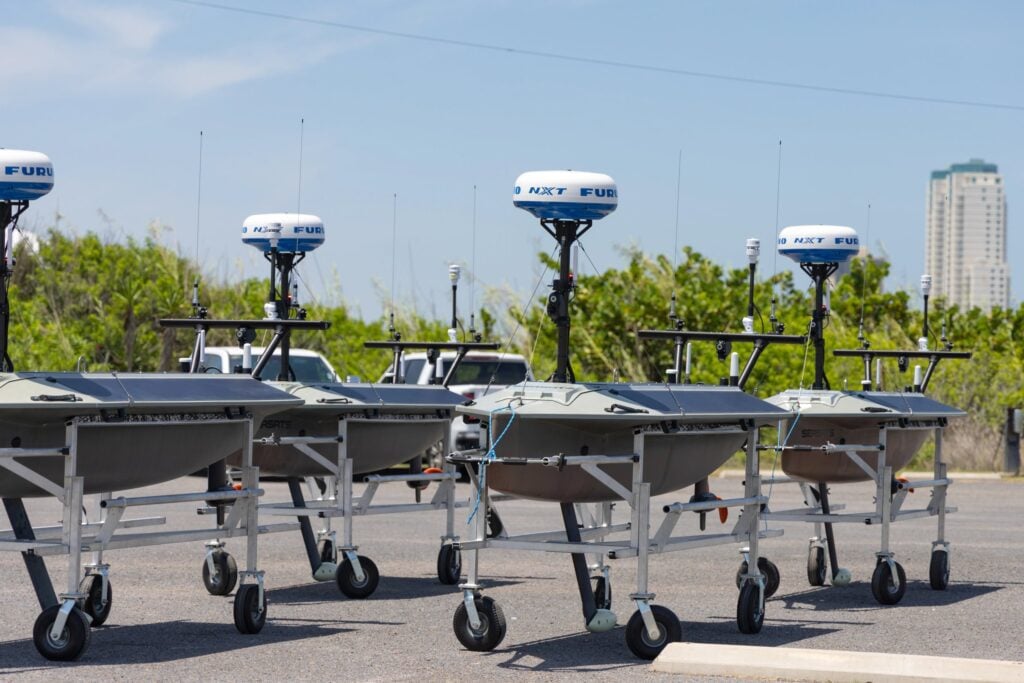
Seasats has deployed a fleet of Lightfish USVs into the Gulf of America from the Texas coast to deliver persistent maritime border surveillance under a federal program managed by the Office of the Assistant Secretary of War for Homeland Defense & Americas Security Affairs
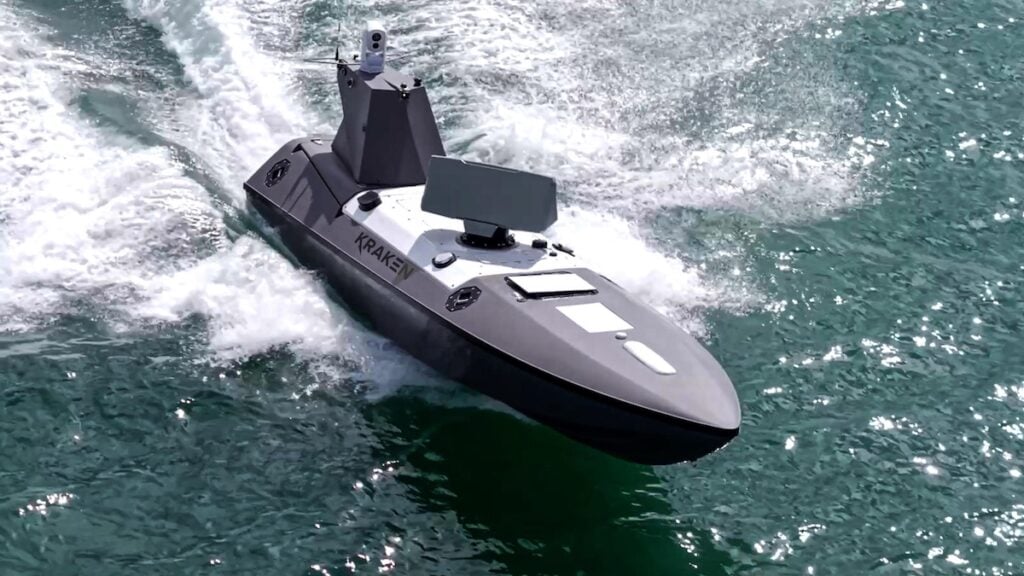
Kraken Technology Group and Saab UK have successfully developed and tested a prototype uncrewed surface vessel equipped with advanced 3D radar to detect and track airborne threats across maritime environments
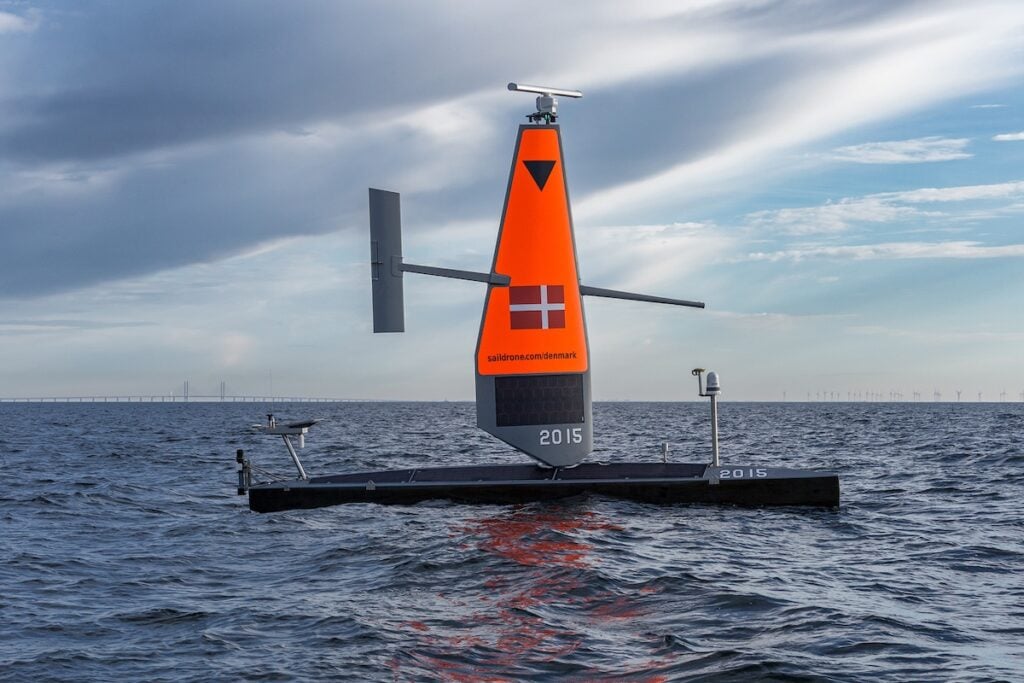
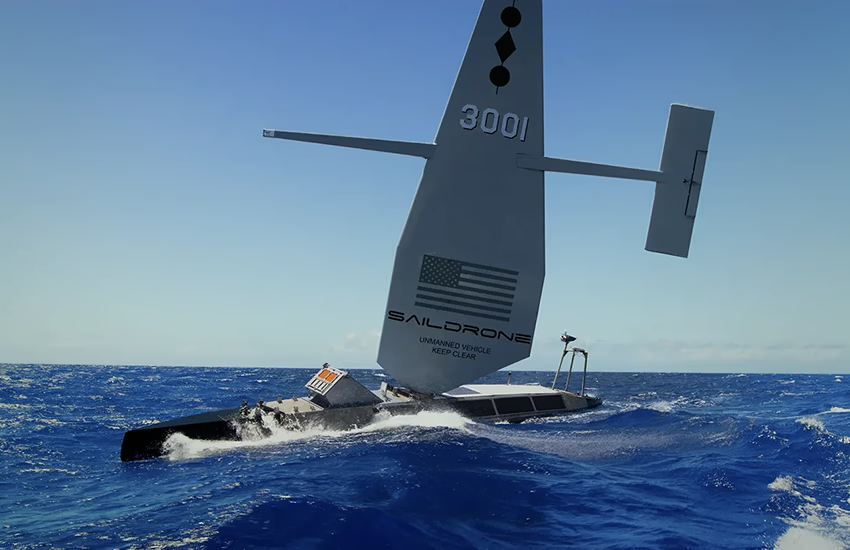
In a milestone for autonomous maritime technology, four Saildrone Voyager unmanned surface vehicles have become the first uncrewed vessels to achieve national flag status through official Danish maritime registration
Maritime Tactical Systems has partnered with SŌLACE Boats to boost production of its autonomous surface vessels by 100 units annually, leveraging advanced manufacturing capabilities to meet expanding national security demand
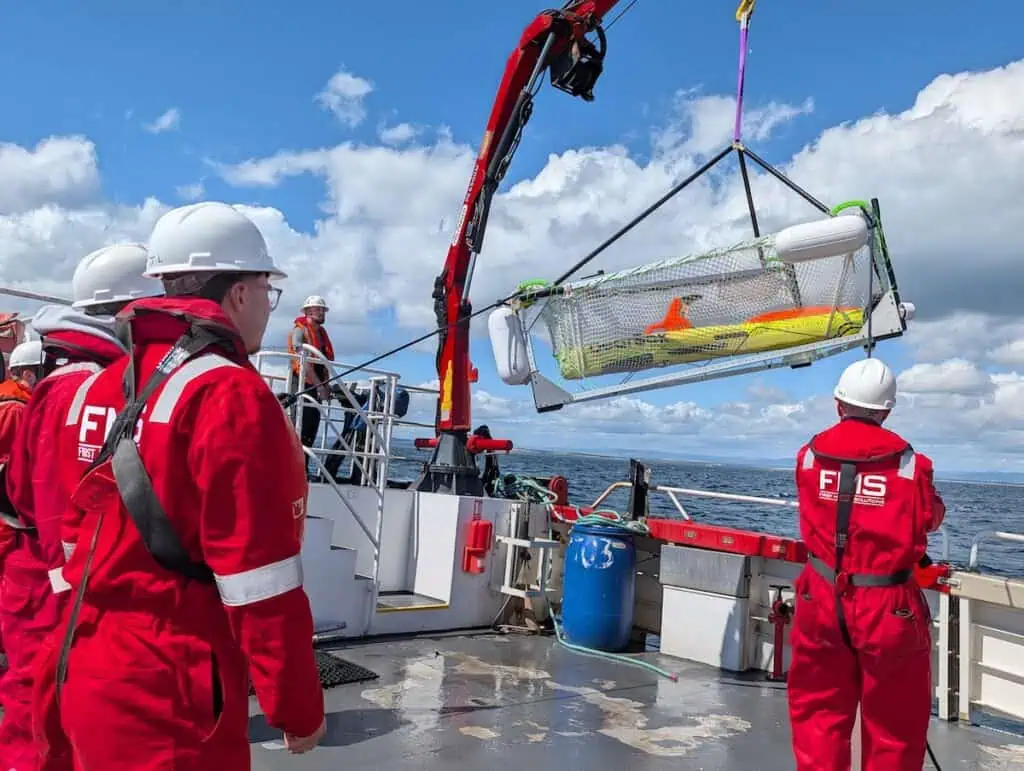
Autonomous ocean intelligence company Bedrock and partner First Marine Solutions have completed their initial operator-certification training program in Aberdeen, establishing rapid localized offshore survey capability across Europe
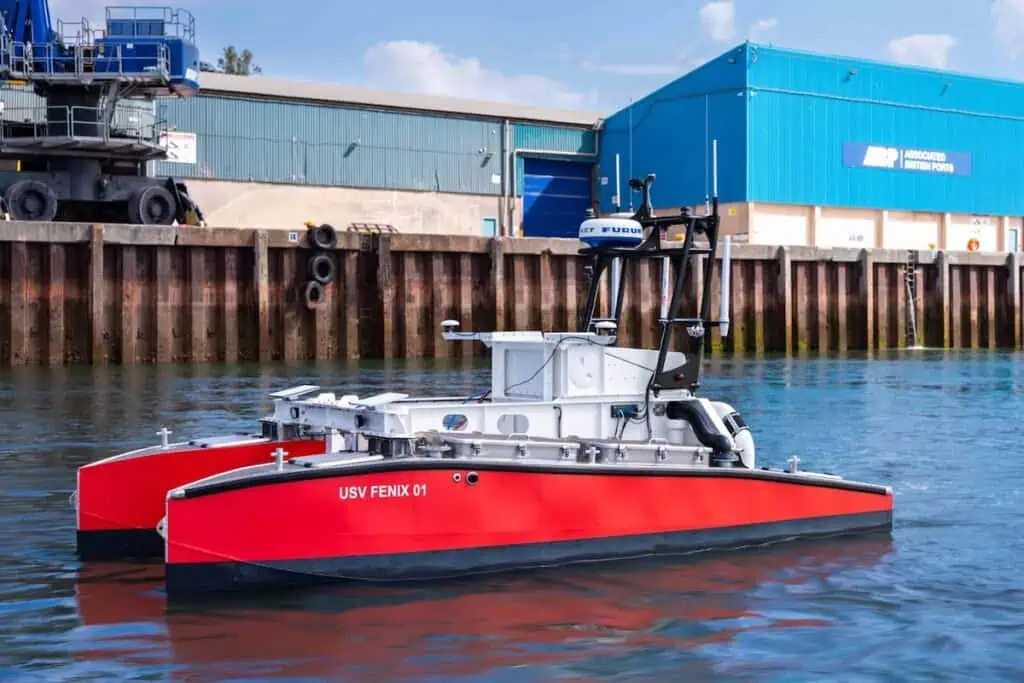
Italian survey contractor Subsea Fenix has taken delivery of a 5.7m battery-hybrid uncrewed surface vessel from HydroSurv, combining multi-beam hydrographic survey and deepwater ROV subsea inspection capabilities into one platform
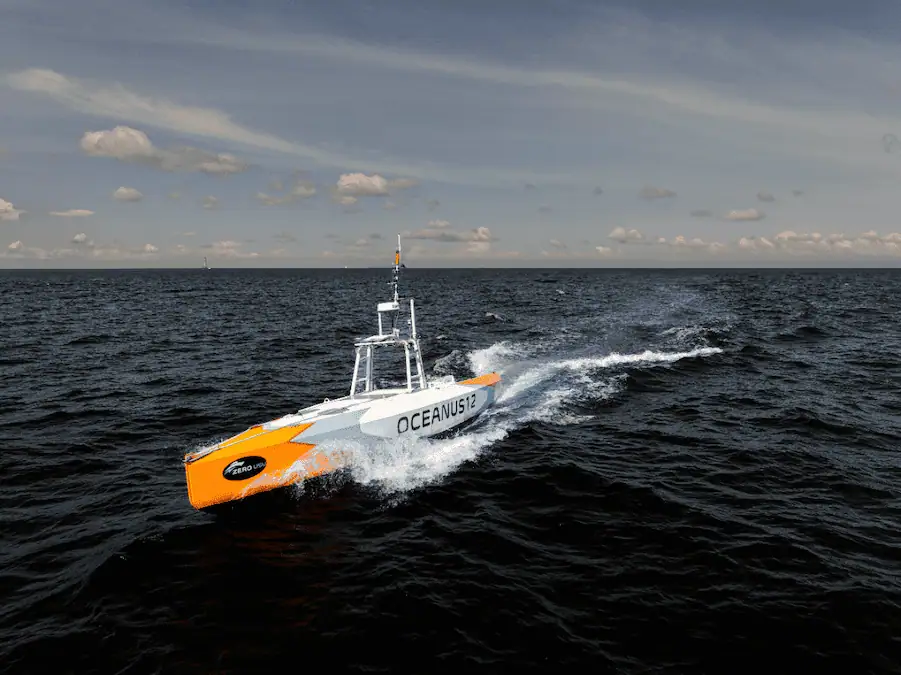
ZeroUSV’s Oceanus12 autonomously deployed two Oshen C-Star surface drones during UK Defence Innovation-backed trials, demonstrating a coordinated multiplatform capability for defense and security missions
During the RIMPAC exercise off Hawaii, a Saildrone Surveyor unmanned surface vehicle successfully executed two Joint Air-to-Ground Missile launches to demonstrate autonomous kinetic strike capabilities for current naval defense missions
The latest offshore, subsea & marine technology news, straight to your inbox.
Get our weekly roundup of technology developments, new products and industry news.
THANK YOU FOR SIGNING UP
Thanks for joining us. Check your inbox.
We've sent you an email. Click the confirmation link to complete your subscription to the weekly eBrief. In the meantime, explore the latest news, suppliers and technologies.