The Global Sourcing Hub for Marine, Subsea & Offshore Technology
Discover cutting-edge solutions from leading global suppliers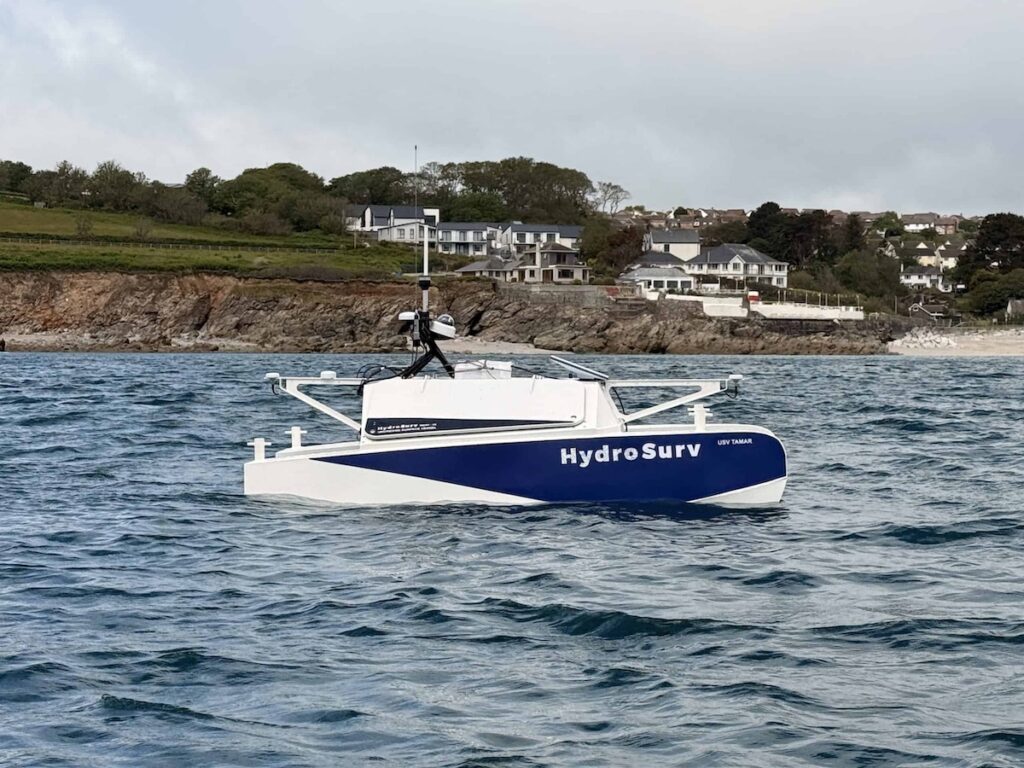
Subnero Pte Ltd. and HydroSurv have partnered to demonstrate an autonomous subsea connectivity layer designed for persistent offshore and ocean monitoring programmes.
The integrated solution combines HydroSurv’s battery-electric and battery-hybrid uncrewed surface vessels (USVs) with Subnero’s Acoustic Smart Modems and underwater networking software. Through this infrastructure, seabed landers fitted with industry-standard sensors — such as ADCPs, CTDs, and pressure sensors — can communicate acoustically with an onboard USV modem. This setup enables automated data retrieval, remote configuration, and status updates, which are subsequently relayed via satellite or cellular backhaul directly to a cloud endpoint or operations center.
This approach establishes a practical new operating model for long-term subsea monitoring, allowing seabed assets to remain deployed for longer periods while increasing data transmission frequency. By utilizing edge processing on the acoustic smart modems, the system can filter, package, and prioritize sensor data before transmission, ensuring that mission-relevant information is ready to flow directly into analytics, models, and decision workflows. This drastically reduces operational reliance on routine crewed vessel mobilization and lander recovery cycles.
Manu Ignatius, Subnero CEO, commented, “Long-term subsea monitoring has historically been constrained by the cost, risk and delay of sending vessels offshore to retrieve data. Together with HydroSurv, we are showing how autonomous surface platforms and intelligent underwater communications can create a new operating model: one where seabed assets remain deployed, data moves more frequently, and operators can interact with subsea systems without routine recovery campaigns.”
CEO of HydroSurv David Hull added, “HydroSurv are pleased to be working with SubNero to integrate their acoustic modem technology with our USV platforms to support lower-footprint subsea data harvesting. Following a visit to the team in Singapore and the successful integration of the first modem this month, we now have a strong foundation for trials and evaluation over the summer. We look forward to exploring how the capability can support reliable subsea data transfer and enable monitoring campaigns that have previously been uneconomic or operationally challenging.”
The joint solution is already being deployed across multiple regions for use cases such as seagrass habitat monitoring, bathymetric survey support, and tide gauge data collection. For sectors including offshore wind, oil and gas, ocean science, environmental monitoring, and critical subsea infrastructure, this development points toward a future of enhanced subsea interaction with fewer offshore interventions and accelerated access to operational data.