Autonomous underwater vehicles (AUVs) explore and map underwater environments with increasing autonomy and precision, playing an essential role in marine biology, oceanography, and environmental monitoring. From deep-sea exploration to infrastructure inspection and underwater surveillance, AUVs serve many missions where human access is limited or impractical.
If you design, build or supply Autonomous Underwater Vehicles (AUV), create a profile to showcase your capabilities and connect with visitors who have an active requirement for your solutions.
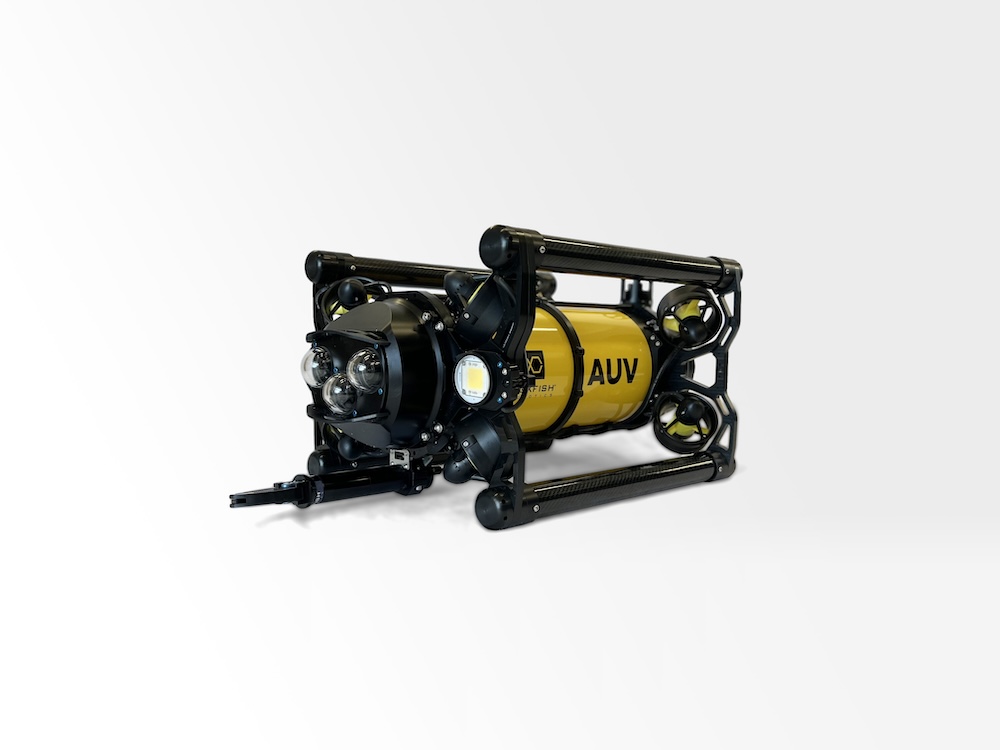
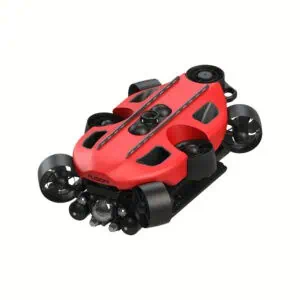
Versatile subsea robotic vehicle with configurable payload options
Versatile subsea robotic vehicle with configurable payload options
...ghly versatile AUV that can be powered by batteries or hydrogen fuel cell, and can be equipped with... ......
Applications for the Envoy AUV include:
AUVs operate without real-time human control, relying instead on onboard computers, navigation systems, and mission planning software to complete complex tasks independently. Their ability to collect detailed scientific data and inspect challenging underwater environments makes them indispensable in many fields. Whether it’s mapping the seafloor, supporting pipeline inspections, or conducting marine habitat research, AUVs provide unmatched versatility and performance.
What Is an AUV & How Does It Differ from an ROV?
An autonomous underwater vehicle (AUV) is an unmanned underwater vehicle (UUV) that travels through water without input from an operator. Unlike remotely operated vehicles (ROVs), which are tethered to a surface vessel and controlled in real time by a human pilot, AUVs are pre-programmed to navigate, collect data, and return autonomously. This makes AUVs ideal for extended missions in deep or hazardous environments where tethered operation is impractical or impossible.
ROVs offer the advantage of immediate human oversight, which can be critical for complex or delicate interventions, such as equipment manipulation or underwater repairs. In contrast, AUVs excel in long-duration tasks, such as hydrographic surveys, seafloor mapping, and environmental assessments, where their autonomy enhances efficiency and reduces operational costs.
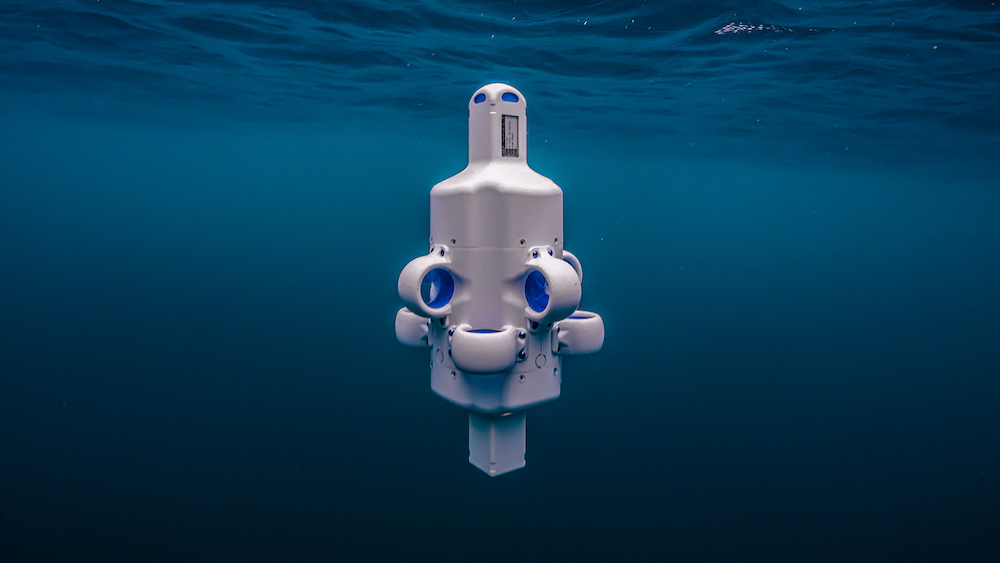
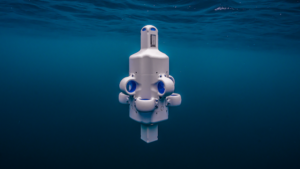
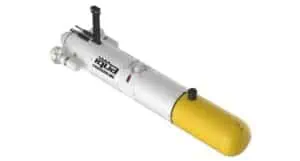
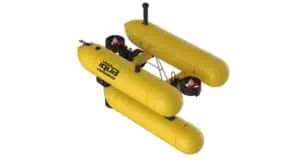
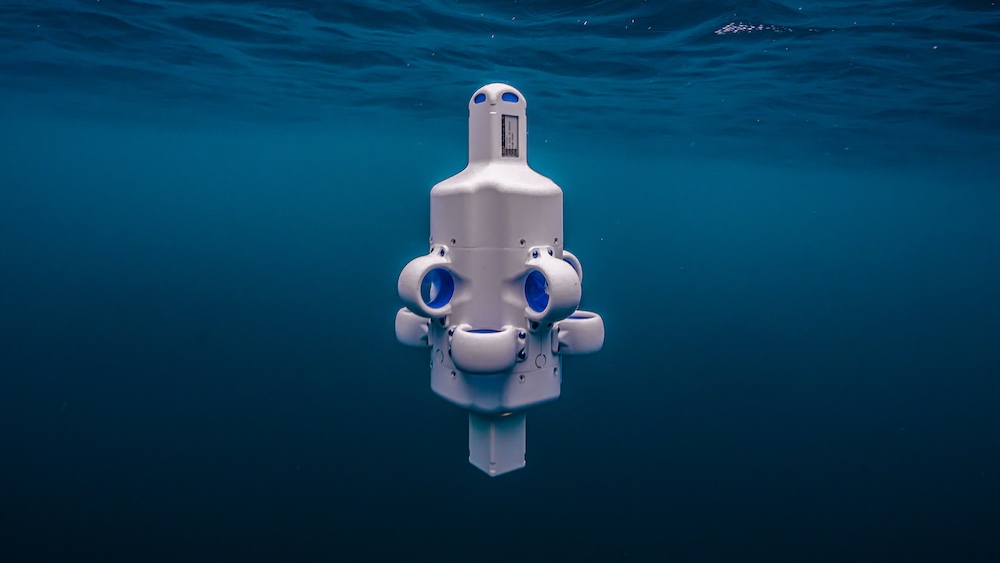
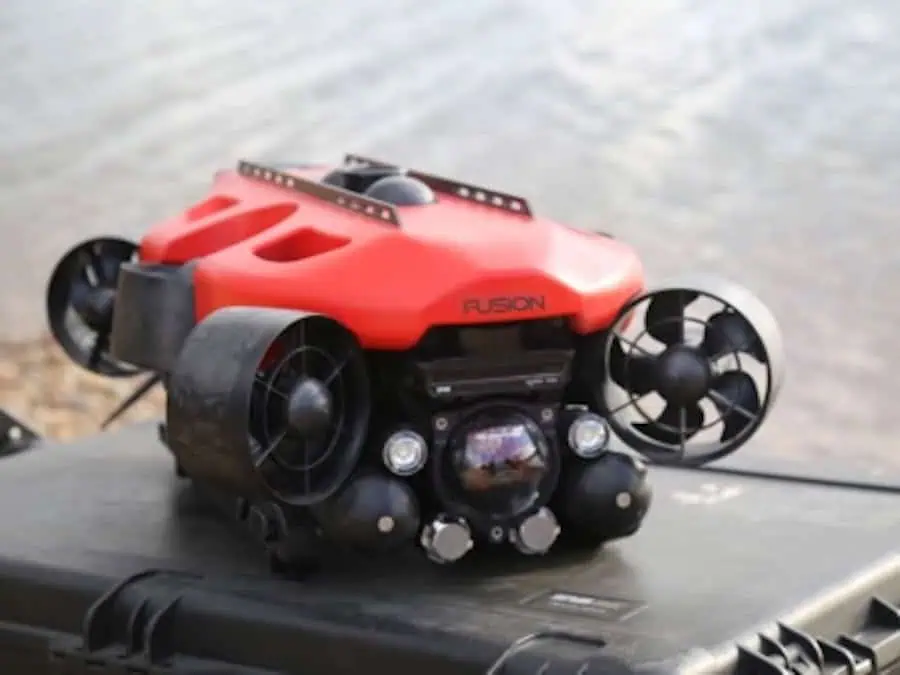
Hydrus Micro Hovering AUV by Advanced Navigation
Types of Autonomous Underwater Vehicles
AUVs come in various shapes and sizes, tailored for specific missions and environments. Common categories include:
Man-portable AUV: Lightweight and compact, these are designed for easy deployment and recovery by small teams, often used in coastal surveys or search and recovery operations.
Large displacement AUV: Equipped for deep-sea and long-range missions, these vehicles feature higher endurance and payload capacity, suitable for oceanographic research and offshore energy inspections.
Hovering AUV: These combine elements of ROV maneuverability with AUV autonomy, ideal for tasks requiring close-proximity inspection, such as dam or hull surveys.
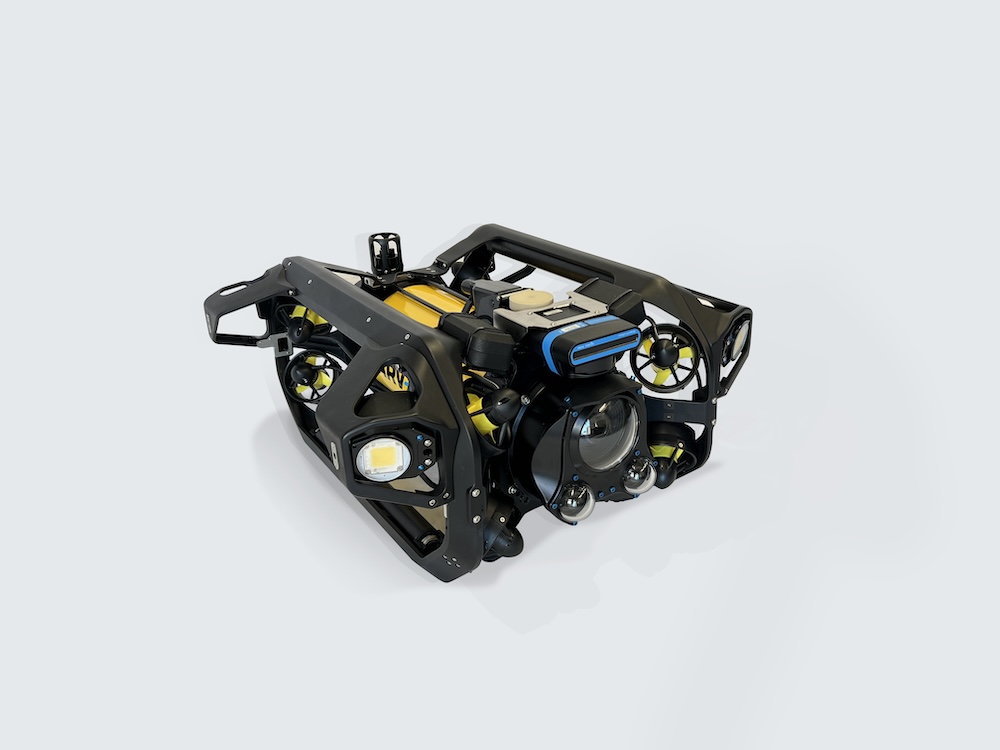
Hybrid AUV/ROV systems: These systems can operate both autonomously and under remote control, offering flexibility for complex or dynamic missions.
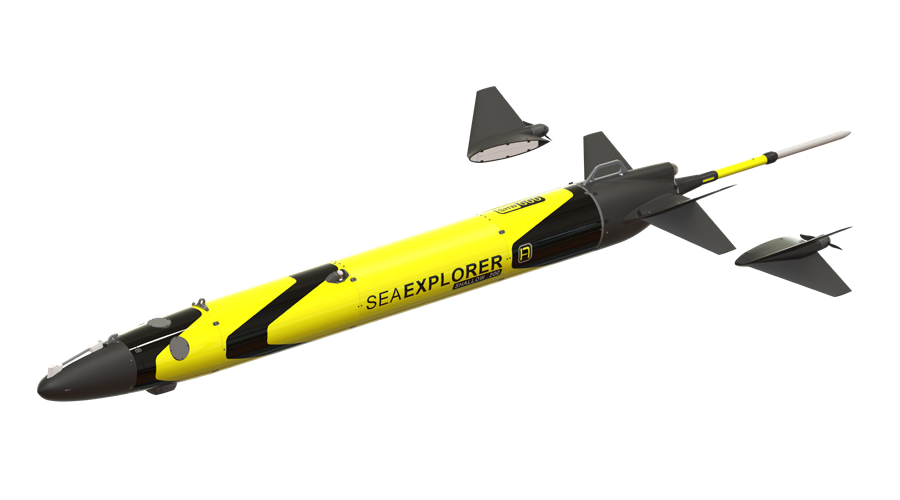
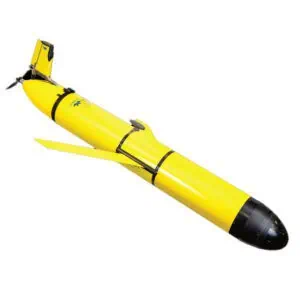
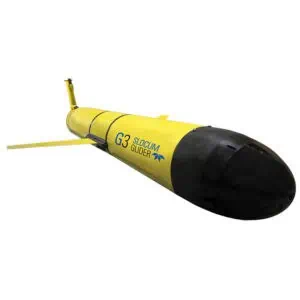
Underwater Gliders: Gliders operate without propellers, instead they use changes in buoyancy and hydrodynamic wings to glide through the ocean.
Applications of AUVs
AUVs are indispensable in a variety of marine operations:
Marine biology and habitat mapping: Used to observe ecosystems, track species, and collect water and sediment samples with minimal disruption.
Oceanography and climate research: Deployed to measure salinity, temperature, turbidity, and dissolved oxygen levels, contributing to long-term environmental monitoring.
Environmental assessment and disaster response: Employed in oil spill analysis, coastal erosion monitoring, and post-tsunami seabed evaluations.
Underwater archaeology and geology: Used to map submerged structures, shipwrecks, and geological formations with high-resolution sonar and laser scanners.
Infrastructure inspection: Crucial for assessing underwater pipelines, cables, ports, and offshore platforms.
Defense and security: Utilized in mine countermeasures, target identification, military surveillance, and UXO (unexploded ordnance) detection and removal.
Search and recovery: Equipped with HD video cameras, sonar, and manipulators for locating and recovering objects lost at sea.
Oil and gas exploration: Supporting seafloor mapping, pipeline monitoring, and habitat impact assessments for offshore operations.
Core Technologies in AUVs
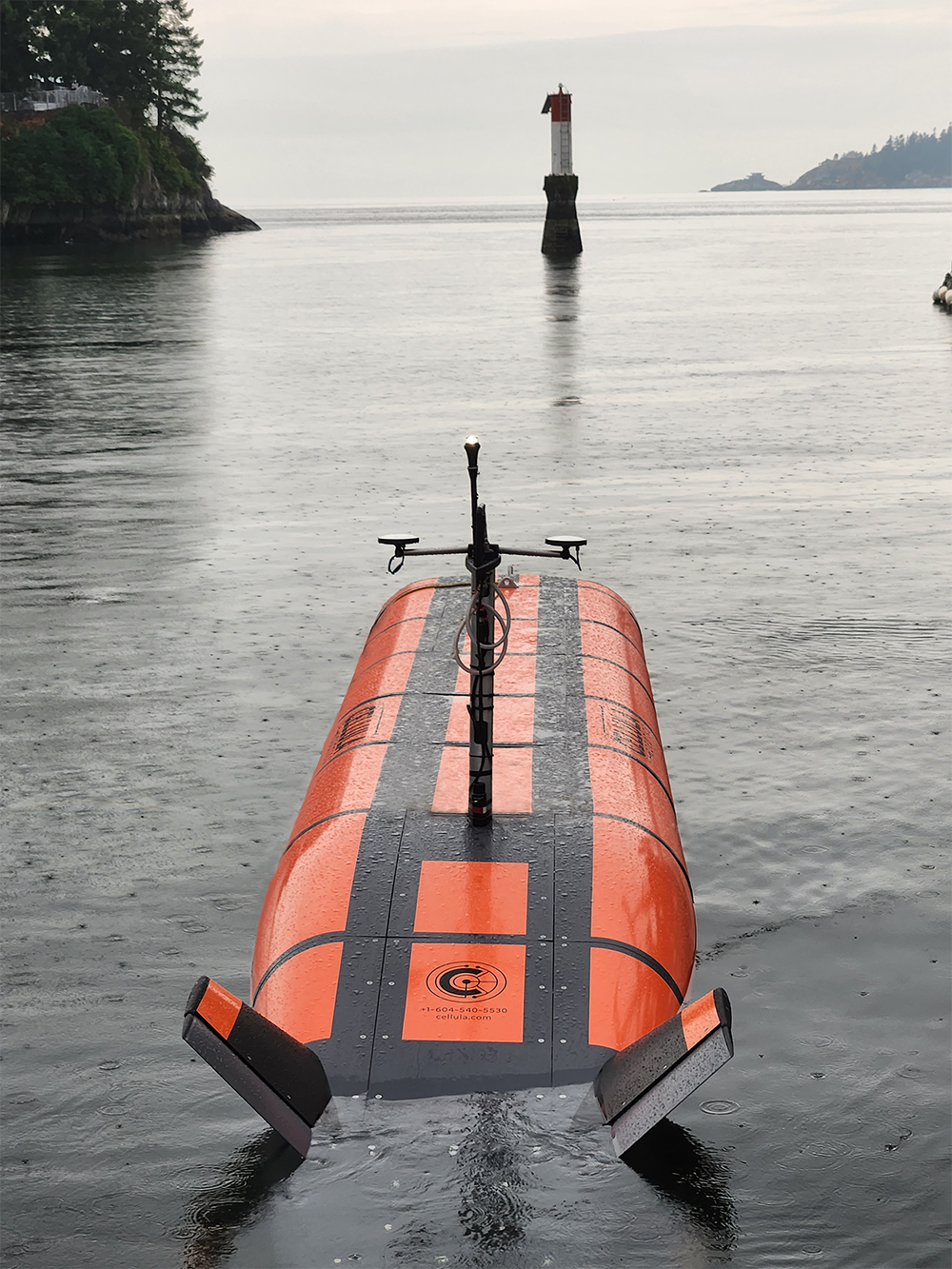
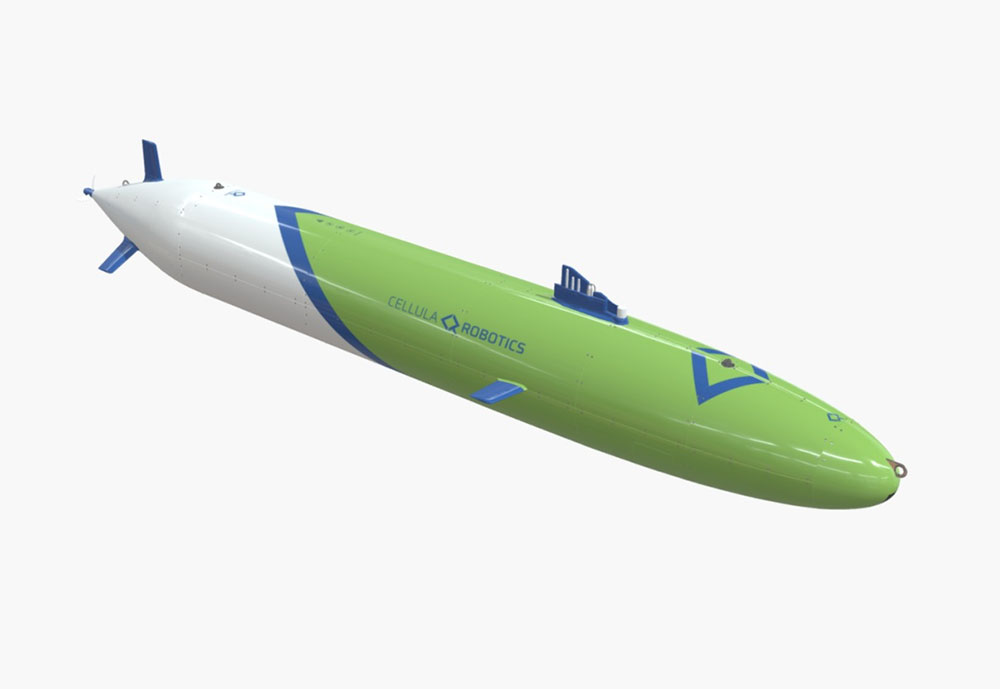
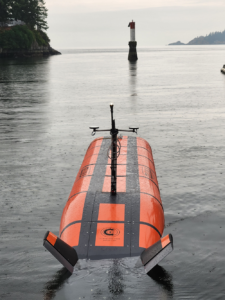
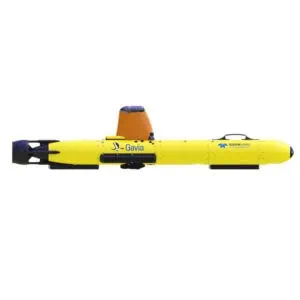
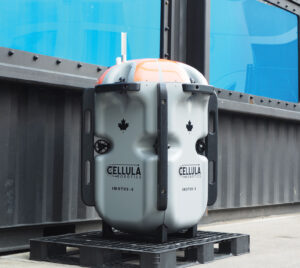
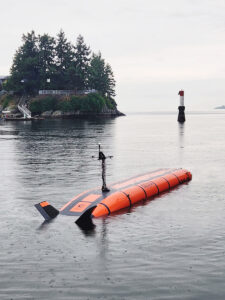
Guardian AUV by Cellula Robotics
The effectiveness of AUVs stems from the integration of advanced subsystems that enable independent operation and robust data collection. Key technologies include:
Sensors and instruments: Common payloads include sonar (side-scan, multibeam, synthetic aperture), magnetometers, altimeters, temperature and pressure sensors, and turbidity sensors. Fluorometers, salinity sensors, and CTD sensors support scientific research, while HD video cameras and laser scanners enhance visual data capture.
Propulsion and mobility: Thrusters and vectored propulsion systems enable fine control and hovering capabilities. Some models use variable ballast systems or buoyancy engines for depth control.
Energy systems: High-density lithium-ion batteries, fuel cells, and advanced battery management systems power long-duration missions, often supported by recharging stations or autonomous docking systems.
Computing and data management: Onboard computers, edge processing modules, and AI processors handle real-time decision-making, obstacle avoidance, and data logging. Mission planning software is used to predefine objectives and adapt to mission requirements.
Communication systems: AUVs communicate via acoustic modems underwater and SATCOM or RF beacons at the surface. Telemetry systems enable limited real-time data transmission during operations.
Design Considerations for Mission-Specific AUVs
AUV design is influenced by mission goals and operating conditions. Factors include size, weight, endurance, sensor configuration, and payload modularity. For instance:
Light AUVs for shallow water tasks prioritize compact form and ease of deployment.
Long-range AUVs for polar or deep-sea missions emphasize energy efficiency, robust insulation, and advanced navigation in GPS-denied environments.
Payload flexibility is crucial for research missions, enabling integration of custom scientific instruments or sampling systems.
Rugged design and syntactic foam maintain buoyancy and withstand deep-sea pressure.
Evolving Capabilities & Future Trends
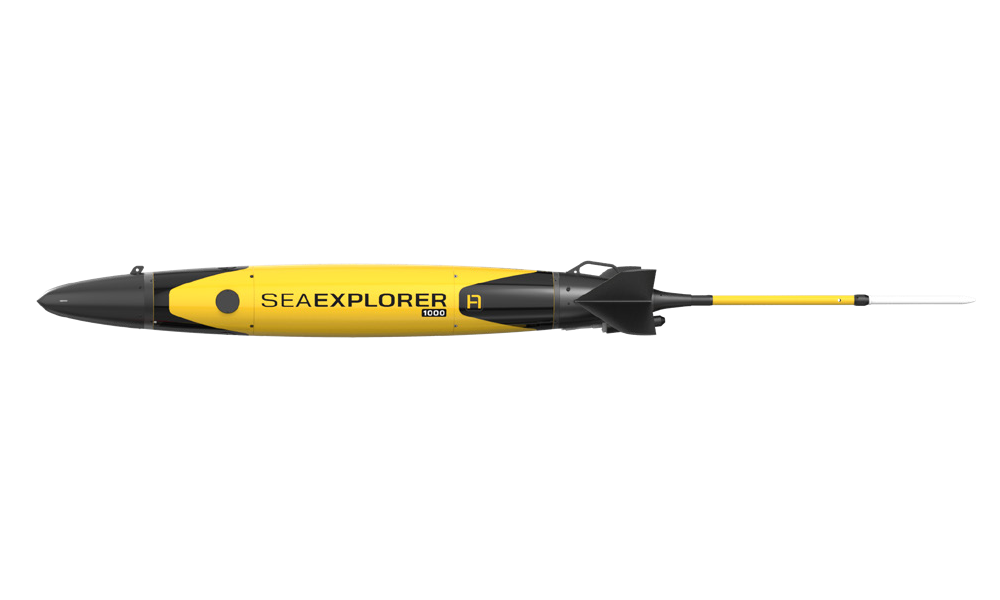
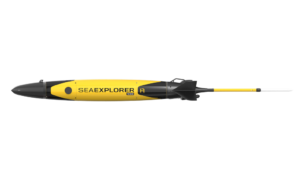
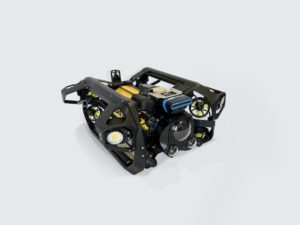
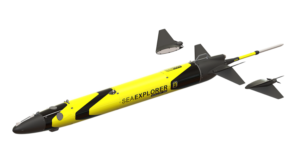
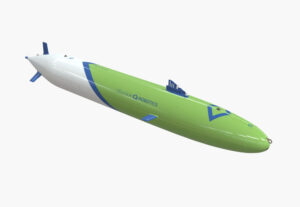
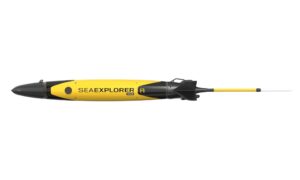
SEAEXPLORER 1000 AUV by ALSEAMAR
Technological advancements continue to expand the role of AUVs in marine science and industry:
AI and autonomy: Machine learning and onboard AI processors improve adaptive behavior, allowing AUVs to respond dynamically to new data or environmental changes.
Swarm robotics: Coordinated fleets of AUVs can work together to cover larger areas or perform simultaneous tasks, increasing efficiency in applications like seafloor mapping or mine detection.
Subsea wireless communication: Enhancements in acoustic and optical communications aim to reduce reliance on surface-based data transfer.
Sustainable power systems: Development of alternative energy sources, such as wave or solar-powered recharging stations, supports longer and more sustainable missions.
AUVs in Ocean Science & Beyond
Autonomous underwater vehicles transform our ability to study, manage, and interact with the marine environment. With unmatched autonomy, precision, and versatility, AUVs continue to shape the future of oceanographic research, underwater infrastructure management, and environmental stewardship. Whether deployed in polar ice, deep trenches, or coastal ecosystems, AUVs are at the forefront of ocean science and technology, offering insights and capabilities that were once beyond reach.
Greensea IQ has launched Bayonet Sweep, an autonomous underwater robot for ship hull and harbor security inspections, threat classification and diver-free force protection operations
Strategic Robotic Systems outlines how hybrid AUV/ROV platforms integrate autonomous transit with tethered precision work to support multi-phase underwater missions including port security, mine countermeasures, and infrastructure inspection
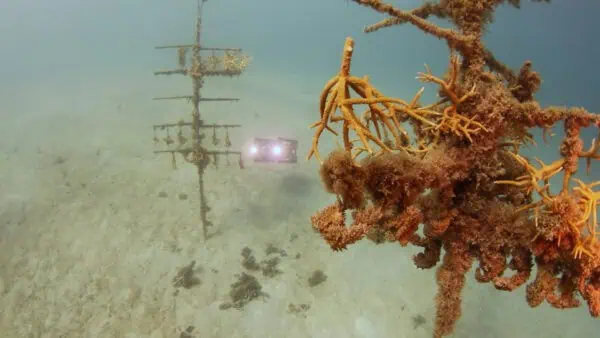
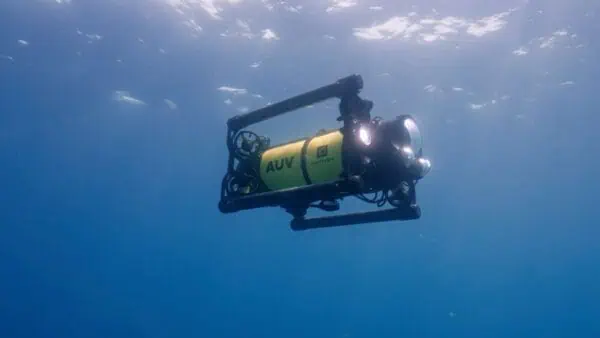
Discover how Boxfish Robotics’ Autonomous Underwater Vehicles (AUVs) support repeatable coral reef surveys through high-resolution imagery, environmental data collection and long-term monitoring capabilities
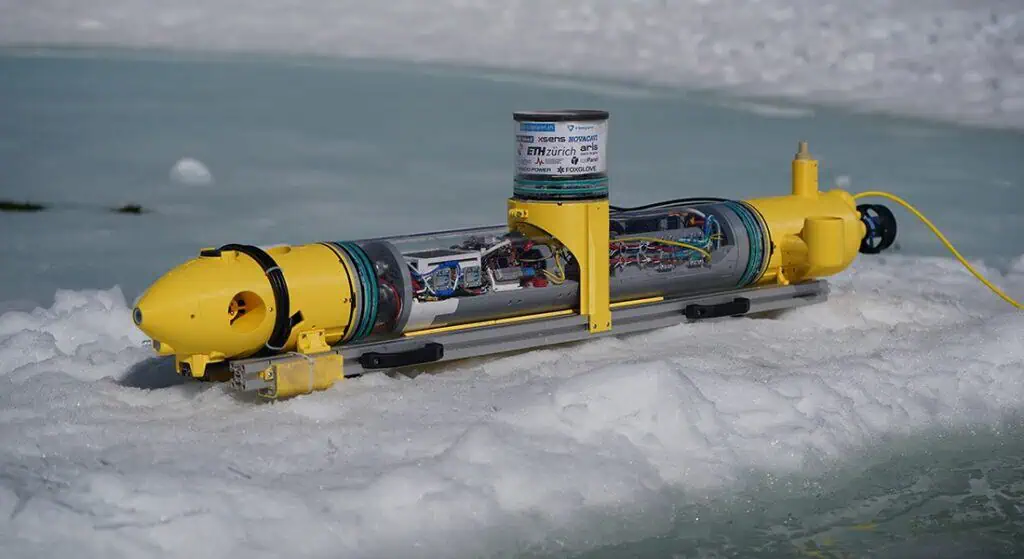
ETH Zurich is developing an advanced autonomous underwater vehicle to safely map ice thickness from below, supported by custom neutrally buoyant cable technology from NOVACAVI designed for extreme environmental conditions
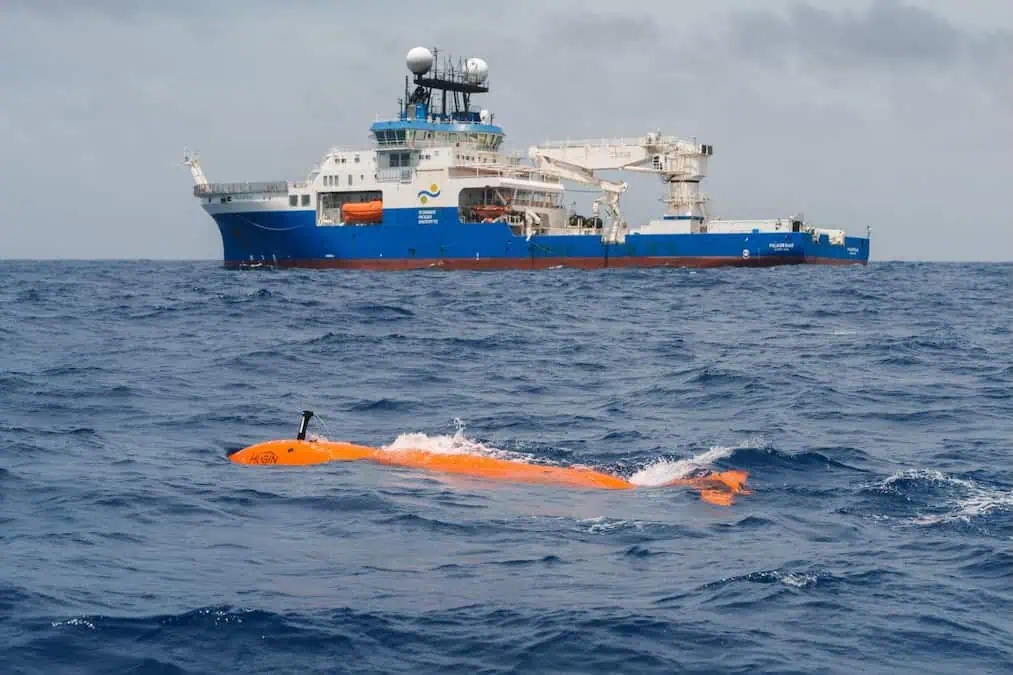
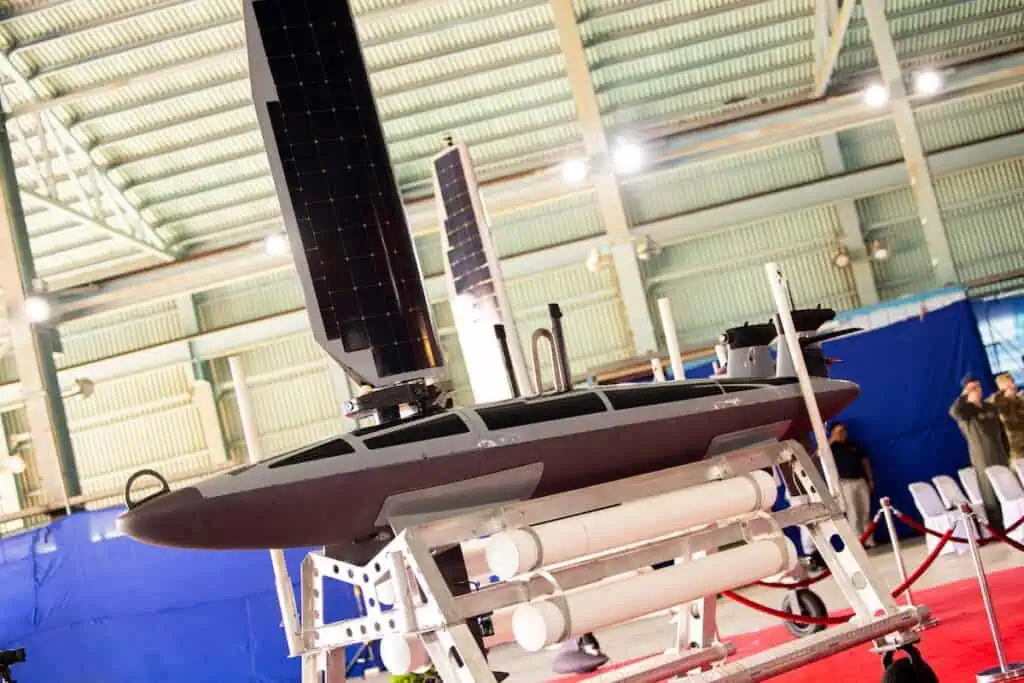
The United States has transferred four solar-powered autonomous underwater and surface vehicles to the Armed Forces of the Philippines to boost maritime domain awareness and secure critical regional waterways
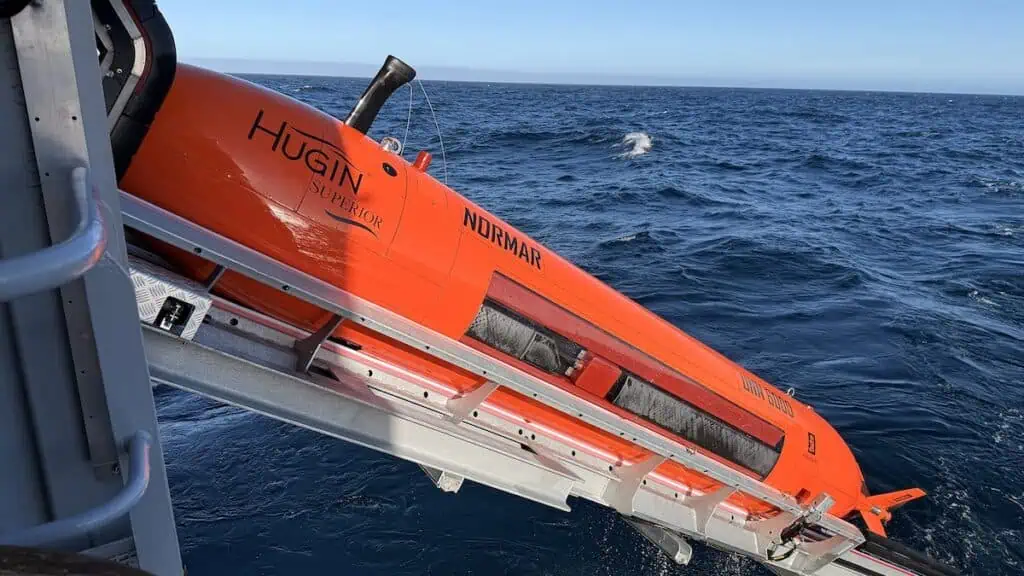
The Norwegian Offshore Directorate's newly procured autonomous underwater vehicle from Kongsberg Group has launched its maiden expedition, marking a milestone in the nation's independent capability to map and manage deep sea territories